The International Energy Agency is warning that the ongoing disruption in the Strait of Hormuz is triggering one of the largest oil market shocks in modern history, with global oil demand now expected to contract in 2026 as supply losses accelerate and inventories drain at record pace.
In its latest Oil Market Report released Tuesday, the IEA said world oil demand is forecast to decline by 420,000 barrels per day year-over-year in 2026 to 104 million barrels per day — a sharp reversal from pre-war expectations and one of the few annual contractions outside major global crises.
The agency said the biggest hit is expected during the second quarter of 2026, when global demand is projected to plunge by 2.45 million barrels per day compared to last year, led by steep declines in petrochemicals and aviation.
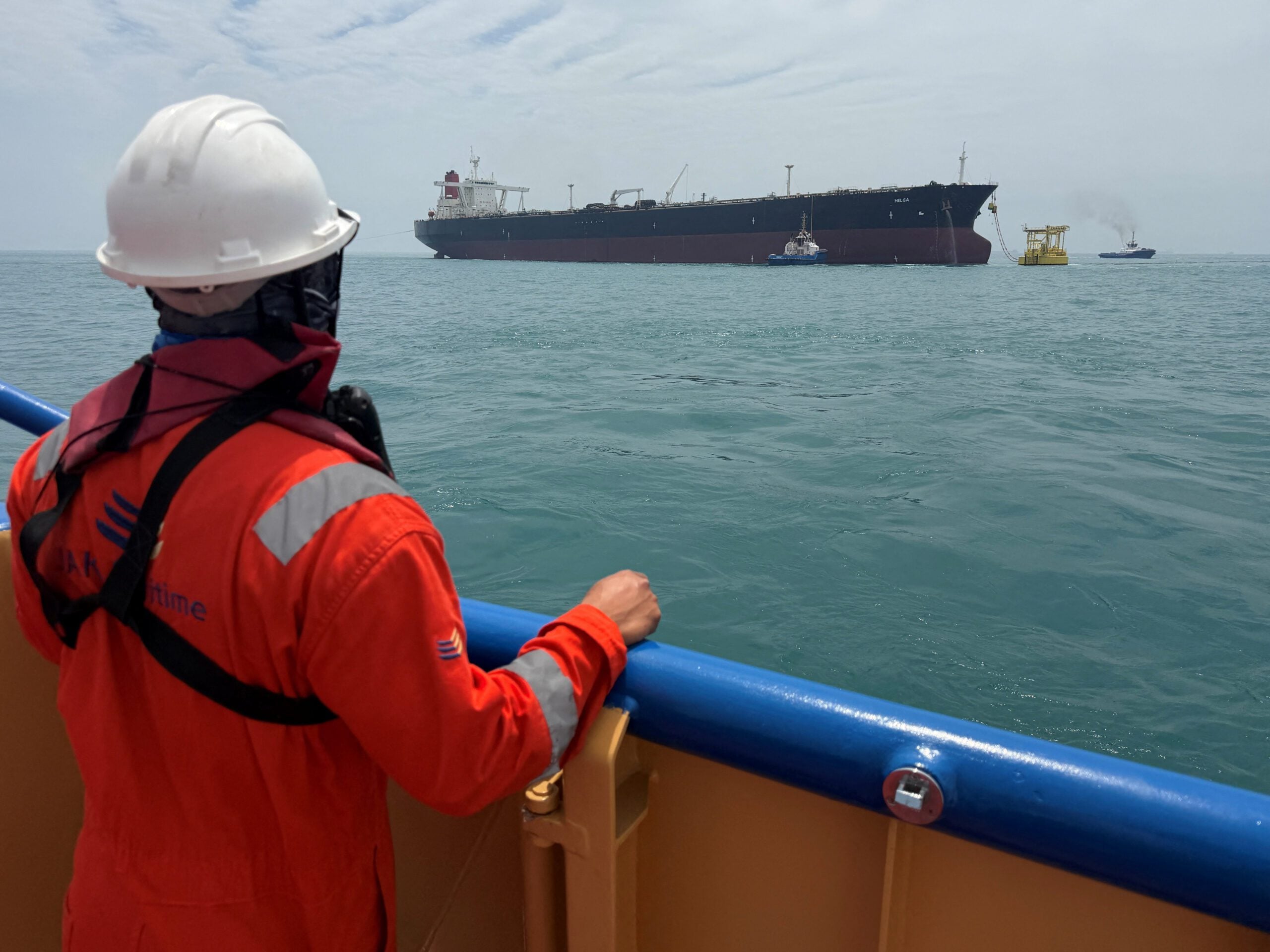
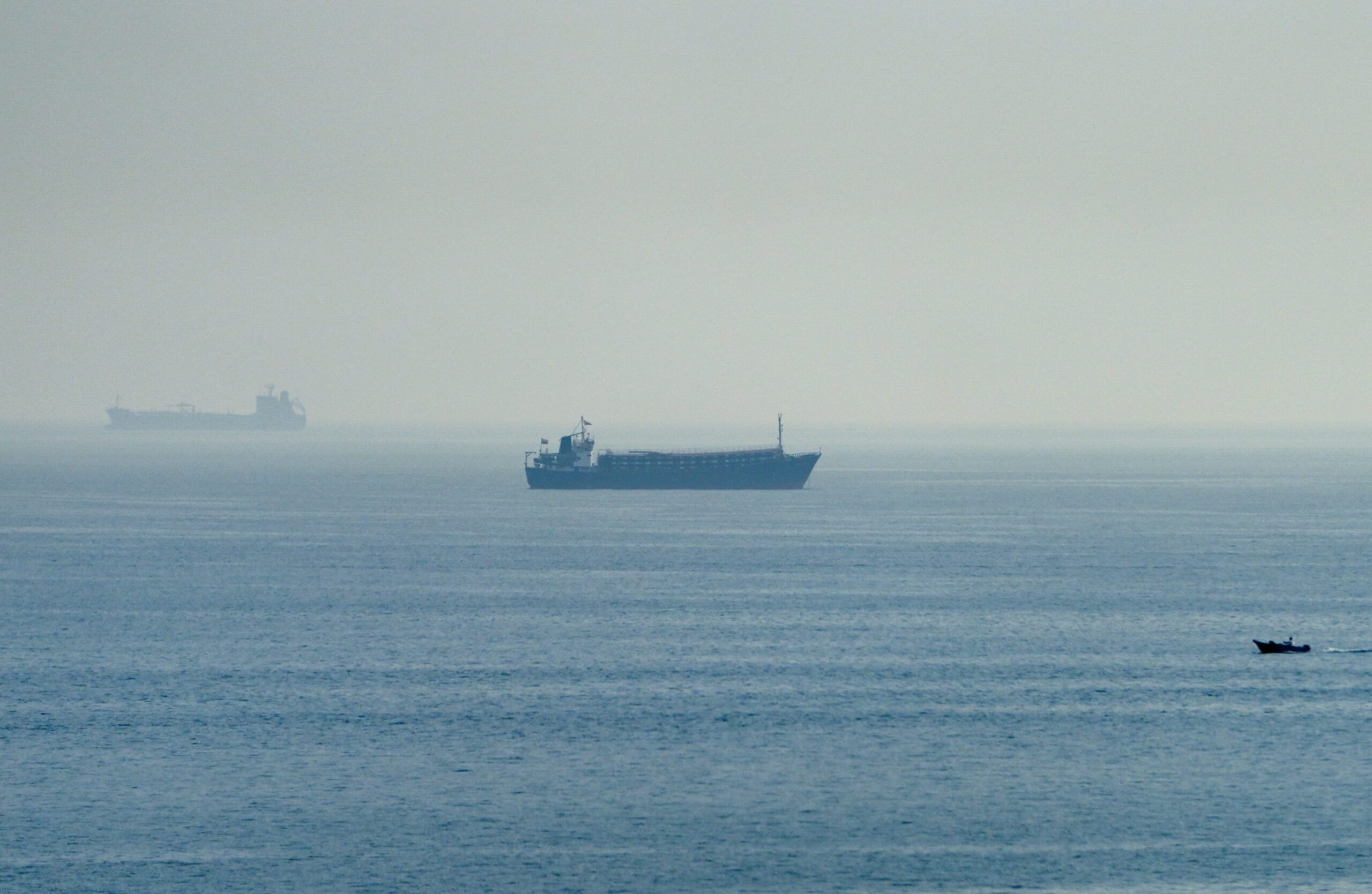
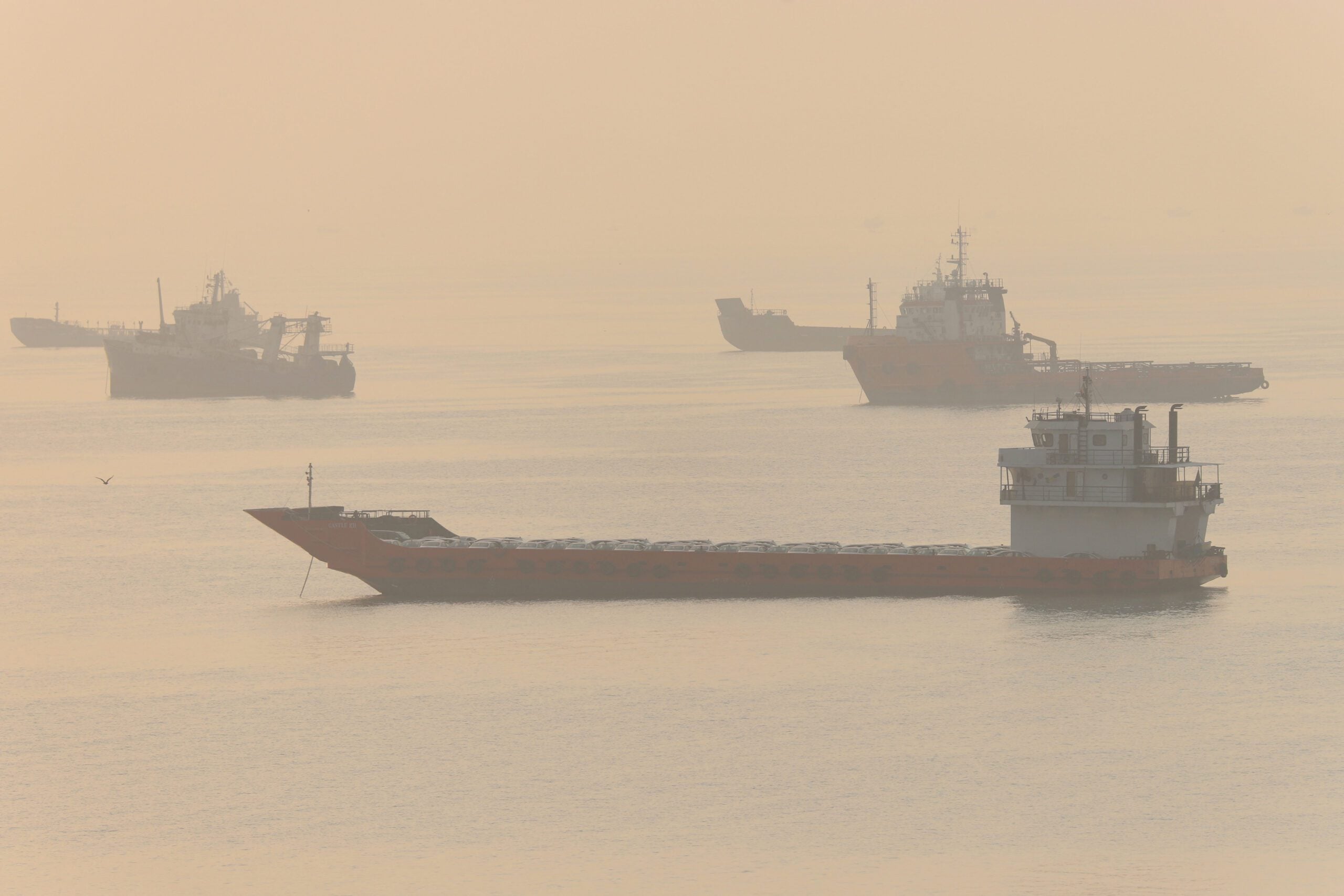
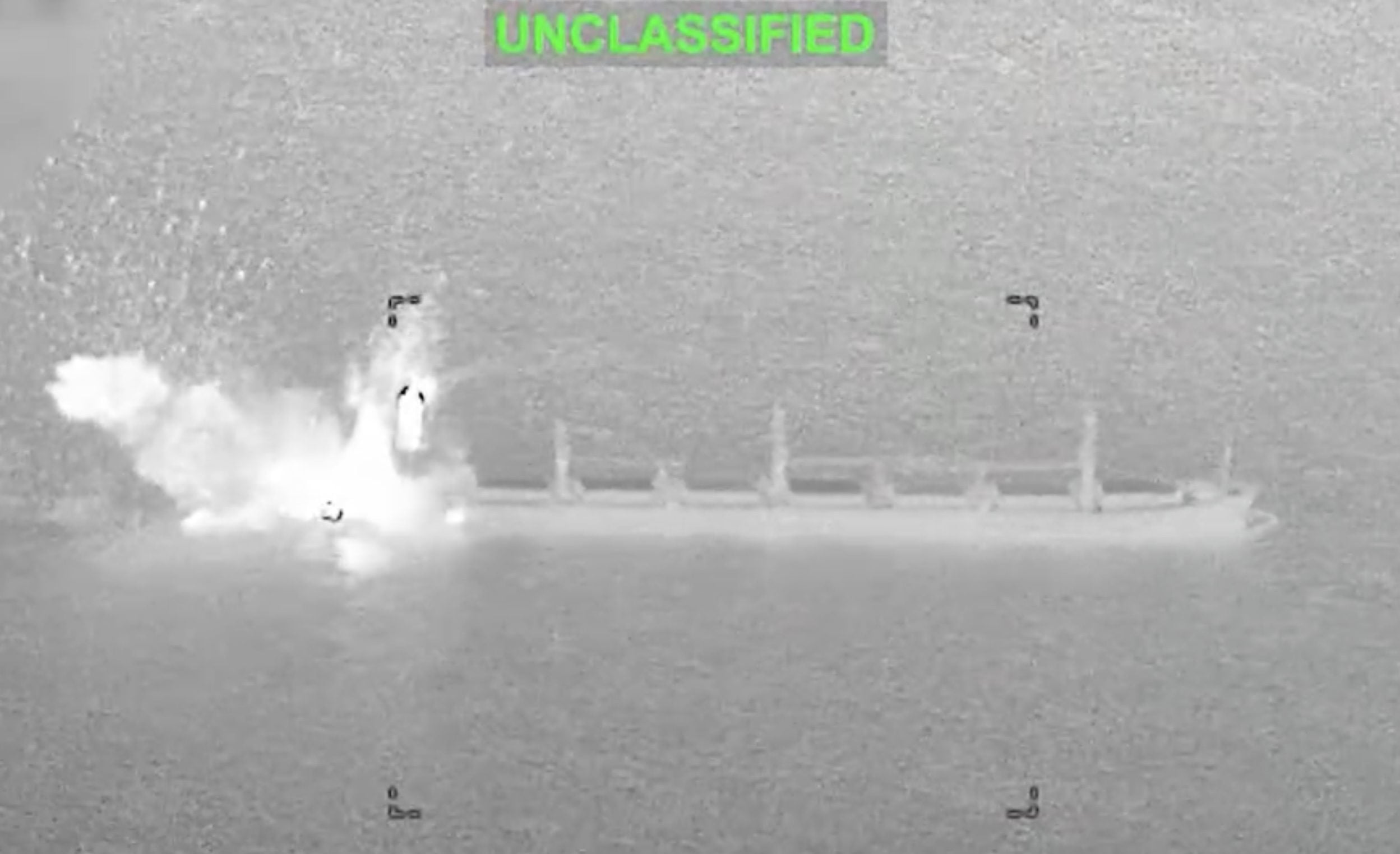
At the same time, global oil supply has collapsed as the conflict surrounding Iran and the Strait of Hormuz continues to choke off exports from the Gulf.
According to the report, global oil supply fell another 1.8 million barrels per day in April to 95.1 million barrels per day, bringing total losses since February to 12.8 million barrels per day. Output from Gulf producers affected by the Strait disruption was running 14.4 million barrels per day below pre-war levels.
The IEA said cumulative supply losses from Gulf producers now exceed 1 billion barrels, calling the situation an “unprecedented supply shock.”
“More than ten weeks after the war in the Middle East began, mounting supply losses from the Strait of Hormuz are depleting global oil inventories at a record pace,” the agency said.
Despite the scale of the disruption, the IEA noted the current market imbalance is smaller than it otherwise would have been because the market was already oversupplied before the conflict began and both producers and consumers are aggressively adapting.
Saudi Arabia and the UAE have rerouted some exports to terminals outside the Strait, while Atlantic Basin producers including the United States, Brazil, Canada, Kazakhstan and Venezuela have sharply increased exports to Asia and other affected markets.
The report also highlighted the role of emergency inventories and strategic reserves in stabilizing markets. Global observed oil inventories fell by 129 million barrels in March and another 117 million barrels in April, while OECD on-land stocks alone dropped by 146 million barrels in April.
Benchmark crude prices have swung violently as markets react to conflicting signals over potential negotiations between the United States and Iran.
North Sea Dated crude traded in a nearly $50-per-barrel range during April, averaging $120.36 per barrel for the month after jumping roughly $16.50 month-over-month.
The IEA said prices briefly surged as high as $144 per barrel before falling back below $100 and rebounding again as uncertainty persisted over whether a deal to reopen the Strait could be reached.
Refining markets are also under severe pressure. Global refinery throughput is forecast to plunge by 4.5 million barrels per day in the second quarter as operators contend with infrastructure damage, export restrictions and reduced feedstock availability.
The agency warned that while reduced refinery activity has temporarily eased crude market tensions, “tightness is quickly spreading to product markets,” particularly middle distillates and jet fuel.
China, Japan, South Korea and India have all sharply reduced seaborne crude imports since February as refiners scale back operations and governments attempt to manage supply disruptions.
The IEA’s base case still assumes flows through the Strait of Hormuz gradually resume later this year, allowing demand growth to recover toward the end of 2026. But the agency warned supply recovery is likely to lag, keeping global oil markets in deficit through at least the fourth quarter.
“With global oil inventories already drawing at a record clip, further price volatility appears likely ahead of the peak summer demand period,” the report concluded.

 Join The Club