(Bloomberg) — Landlocked and surrounded by richer, more powerful neighbors, Malawi has long been a victim of geography and economics. It now finds itself at the sharp end of a crisis being made more than 3,000 miles away.
As farmers struggle with rising fuel costs and an increasing scarcity of fertilizer, there are concerns worldwide about the impact on crops. But Africa, where more than half of the 1.3 billion population relies on agriculture, is the most vulnerable along with parts of Asia. Malawi is an extreme example of how severe the consequences could be for food security.
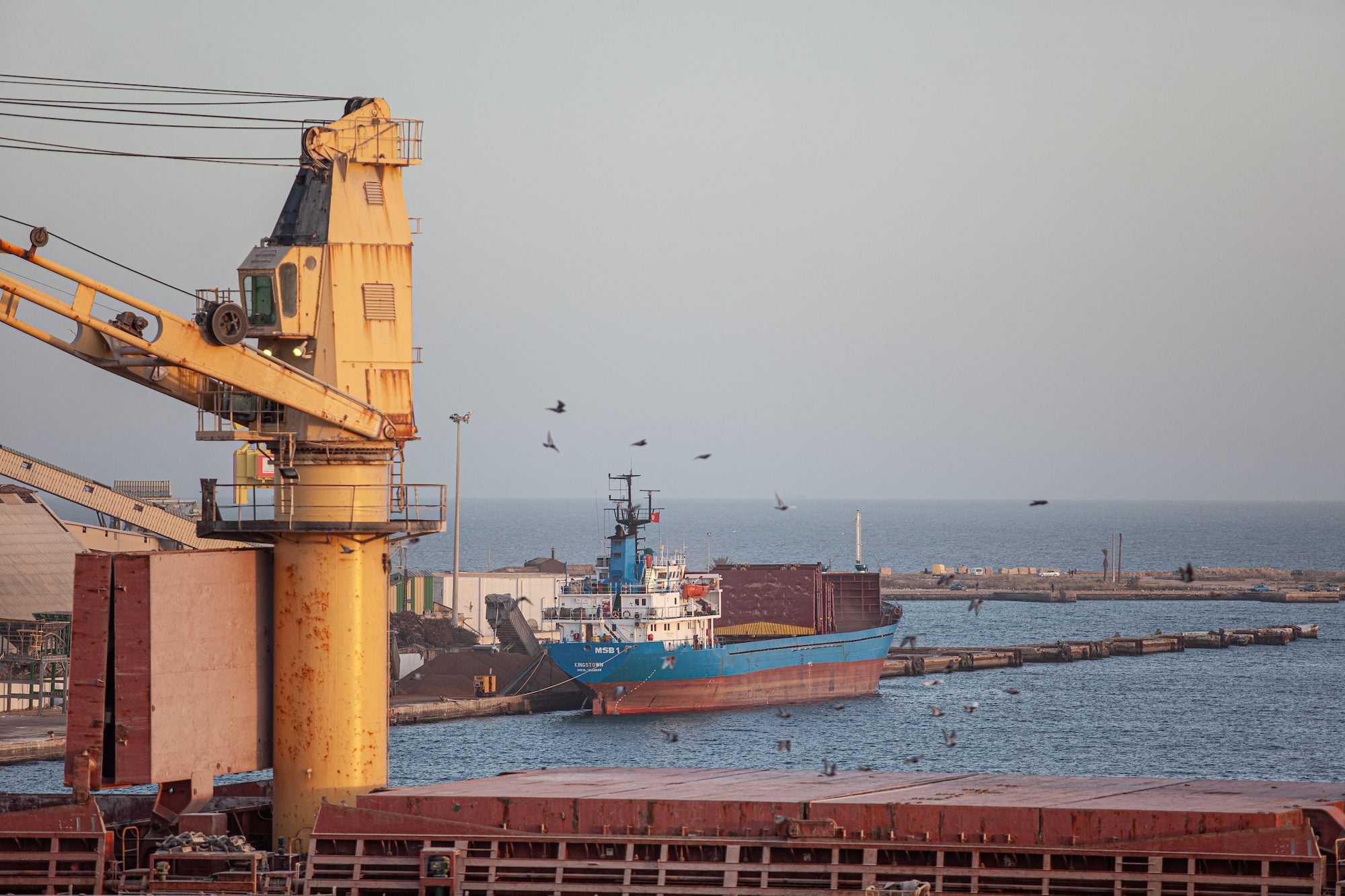
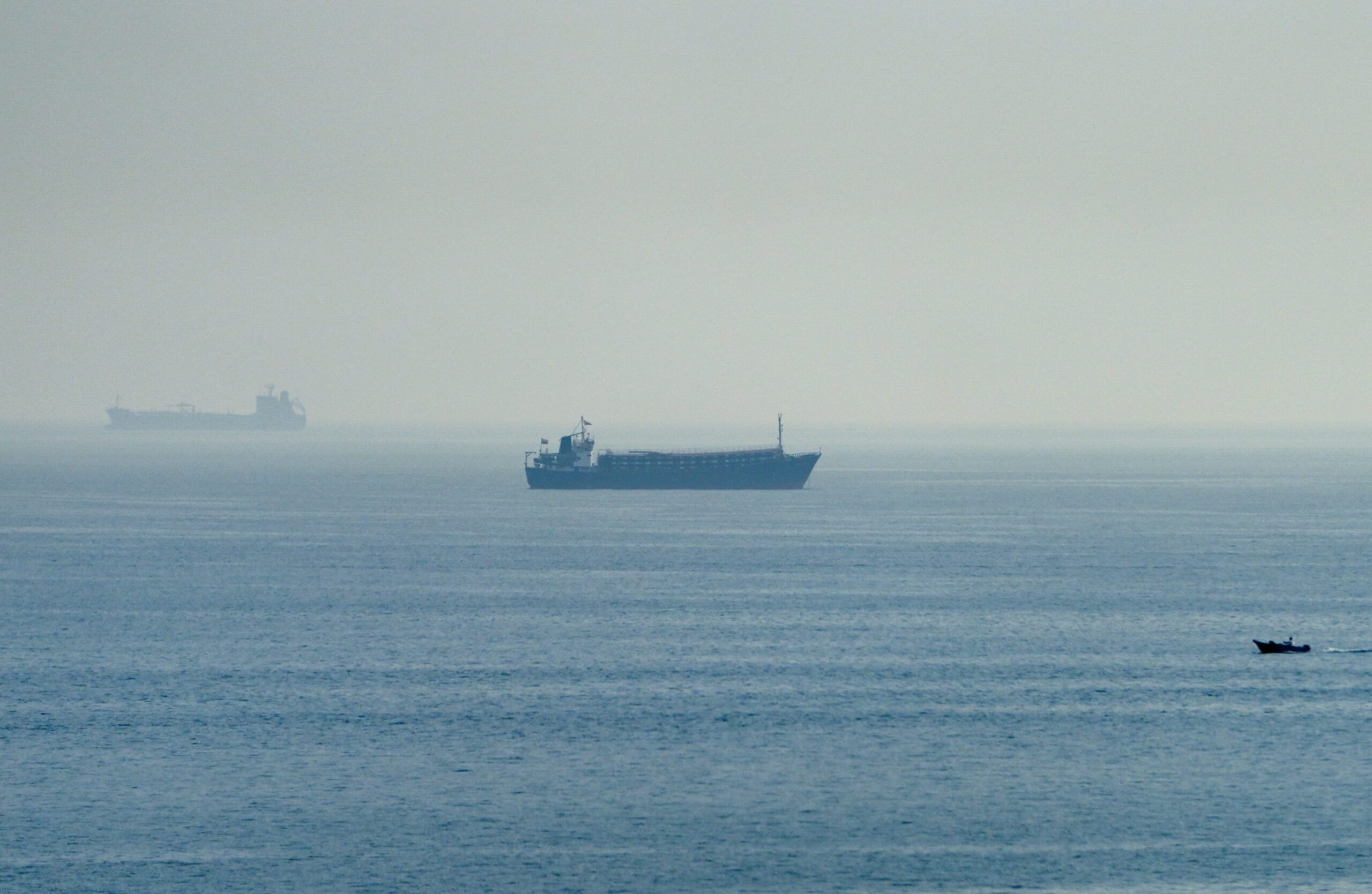
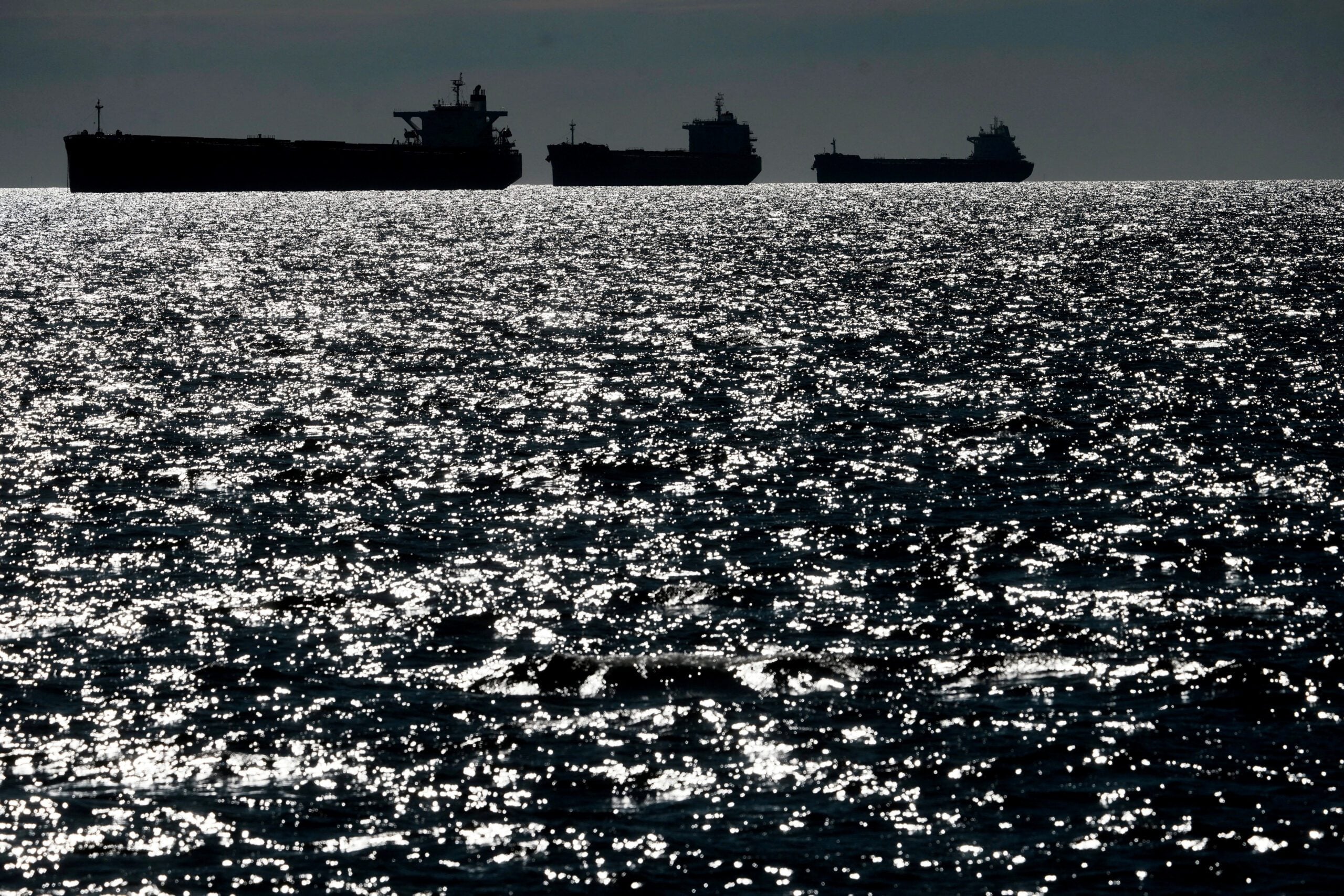
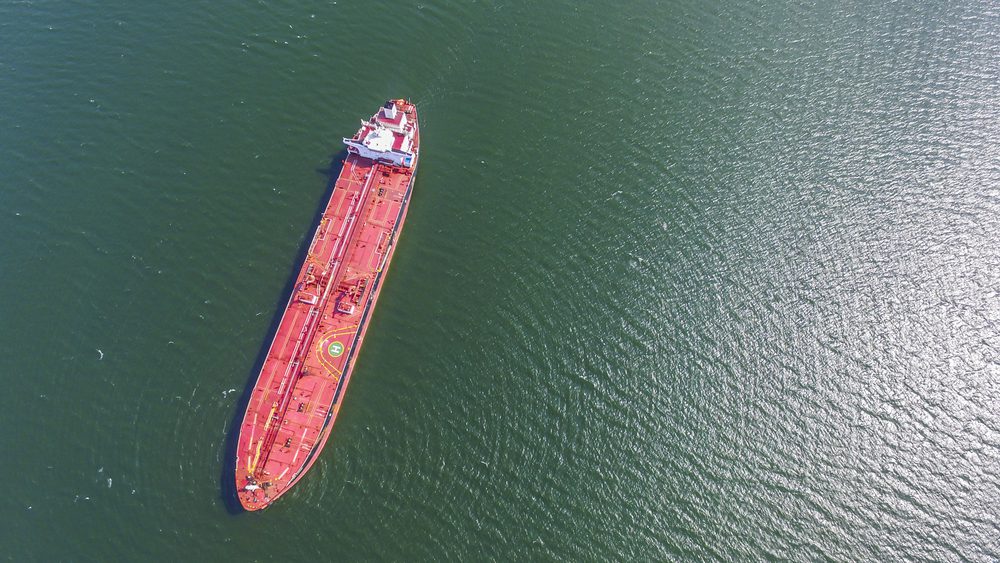
Small-scale farmers make up the bulk of the nation’s 22 million people. As they prepare for the planting season, it’s already getting too expensive to transport some fertilizer to rural regions, and that’s if it’s available at all. Global supplies of both fuel and plant nutrients are being choked off by the effective closure of the Strait of Hormuz as the US and Israel wage war on Iran.
“My biggest worry this year is not even just price, but availability,” said Yashodhan Gharat, Malawi country director at One Acre Fund, a nonprofit that supports farmers in 10 African countries. “Everybody is going to be looking for fertilizer and when that’s the case, will fertilizer come to a small market like Malawi? I have my doubts.”
The impact of the war led the United Nations to warn of spiking food costs for a continent where there were already alarm bells about potential famines and where governments also have limited ability to help. Africa also has on average lower use of fertilizers compared with, say, Europe and that means the soil is already at risk of undernourishment, according to producer Yara International ASA.
Farmers in places like Nigeria and Lesotho say they are skipping fertilizers or scaling back the area they plan to plant crops. South Africa is forecasting its lowest wheat harvest in 12 years as winter planting begins. In Senegal, some are using cheaper products.
“Across much of sub-Saharan Africa, where smallholder farmers use minimal fertilizer to begin with, any price spike can drastically reduce input usage and reduce yields that are already low,” the UN’s Food and Agriculture Organization said in a March document. This risks “lower harvests, impacting their own consumption, and increased food price inflation,” it said.
The price of the most widely used nitrogen fertilizer, urea, surged more than 90% as Hormuz remains effectively blocked. About a third of global exports of urea, 20% of ammonia and a fifth of phosphate fertilizer moves through the strait from Qatar, Saudi Arabia, Iran and the United Arab Emirates.
Malawi gets almost 60% of its nitrogen fertilizer imports from Gulf countries, according to the FAO, making it one of the most reliant countries in the world.
The US and Iran are still far apart on how to end the war and reopen sea passage. But even if the conflict comes to an end, recovery in fertilizer shipments is expected to be slow due to marine congestion and as plants take time to restart, according to Ashish Lakhotia, head of agricultural inputs at commodities trader ETG Group. Cargoes his company ordered have been canceled and others diverted, while China is curbing exports to ensure it has enough for itself, he said.
In West Africa, farmers are not only struggling to afford fertilizer as the planting season begins, some of them can’t even find it. For Gideon Idika, an agricultural support officer who assists palm oil, cocoa and cashew farmers in Nigeria’s southeastern Abia State that’s a worry.
“Farmers are skipping fertilizers because they can’t afford the rising cost, which also means the harvest will be poor,” said Idika, who also oversees a 200-acre palm oil plantation himself. “The high price has also created opportunity for emergency blenders, who mix whatever they can find and push to the market, most of them of low-quality fertilizer.”
To the west, in Senegal, farmers near the city of Thies bemoaned the rising prices and lack of availability. “I couldn’t get good-quality fertilizer so I’m working with what I can afford rather than what I would normally use,” said Ngoaye Diop, who grows vegetables.
Across Ghana, most suppliers are struggling to import fertilizer due to shortages or longer arrival times, said Nana-Aisha Mohammed, regional director for the African Fertilizer and Agribusiness Partnership, a nonprofit that works on broadening access to the nutrients. “We have a crisis on our hands,” she said.
The potential fallout is pronounced in Malawi, which has already suffered repeated food shortages due to weather shocks such as droughts, floods and cyclones in recent years. Squeezed between Zambia, Tanzania and Mozambique, the country ranks as the world’s poorest of any nation not in conflict.
Between October and March, 22% of Malawians experienced acute food insecurity, according to the Integrated Food Security Phase Classification, an international partnership that includes UN bodies and the World Bank.
A better harvest has helped ease the situation, but now fuel costs are some of the highest in the world and fertilizer is getting harder to come by.
Local farming organizations now expect to be at the end of the line for fertilizer supplies from ports in Mozambique and South Africa. If there are shortages, shipments are likely to go to wealthier buyers that are also easier to reach.
Fertilizer producers outside the Gulf “are adjusting export strategies, reallocating volumes, and prioritizing markets with stronger payment capacity,” according to a paper released by the Africa Network of Agricultural Policy Research Institutes this month.
For supplies that do make it, the higher prices are likely to make it difficult for Malawi to add to or maintain the subsidies the state provides for the country’s mainly subsistence farmers. The government has been locked in talks with creditors over $13 billion in debt since 2022.
Fuel queues are growing, even though the price is more than $3.50 a liter for both diesel and gasoline. The government is selling gold reserves to pay for fuel imports and it’s appealed to the World Bank for emergency funds.
“It’s crazy when you think about the fact that Malawi is one of the poorest countries in the world and heavily, heavily import dependent and most of those imports come by road,” said Grace Jackson, Malawi country director at GiveDirectly, a nonprofit that channels cash from donors to the poor. “The food security situation in Malawi next year is looking really quite scary. We could be looking at millions of people in very, very severe hunger levels.”
© 2026 Bloomberg L.P.

 Join The Club