BRUSSELS, June 1 (Reuters) – The European Commission may propose leaving the G7 price cap on Russian crude unchanged at its July review, in an effort to curb Moscow’s windfall from the Iran war and the ensuing oil price shock, EU diplomats said on Monday.
The Commission floated this idea in meetings with European Union envoys over the weekend as a possible element in its forthcoming 21st package of sanctions against Russia for its war in Ukraine.
The Group of Seven nations and allies, with the exception of the U.S., agreed to set a moving price cap last year to make it more effective. The countries cut the price from $60 per barrel to $47.60 to reflect lower average oil prices and in January, they revised the price down to $44.10.
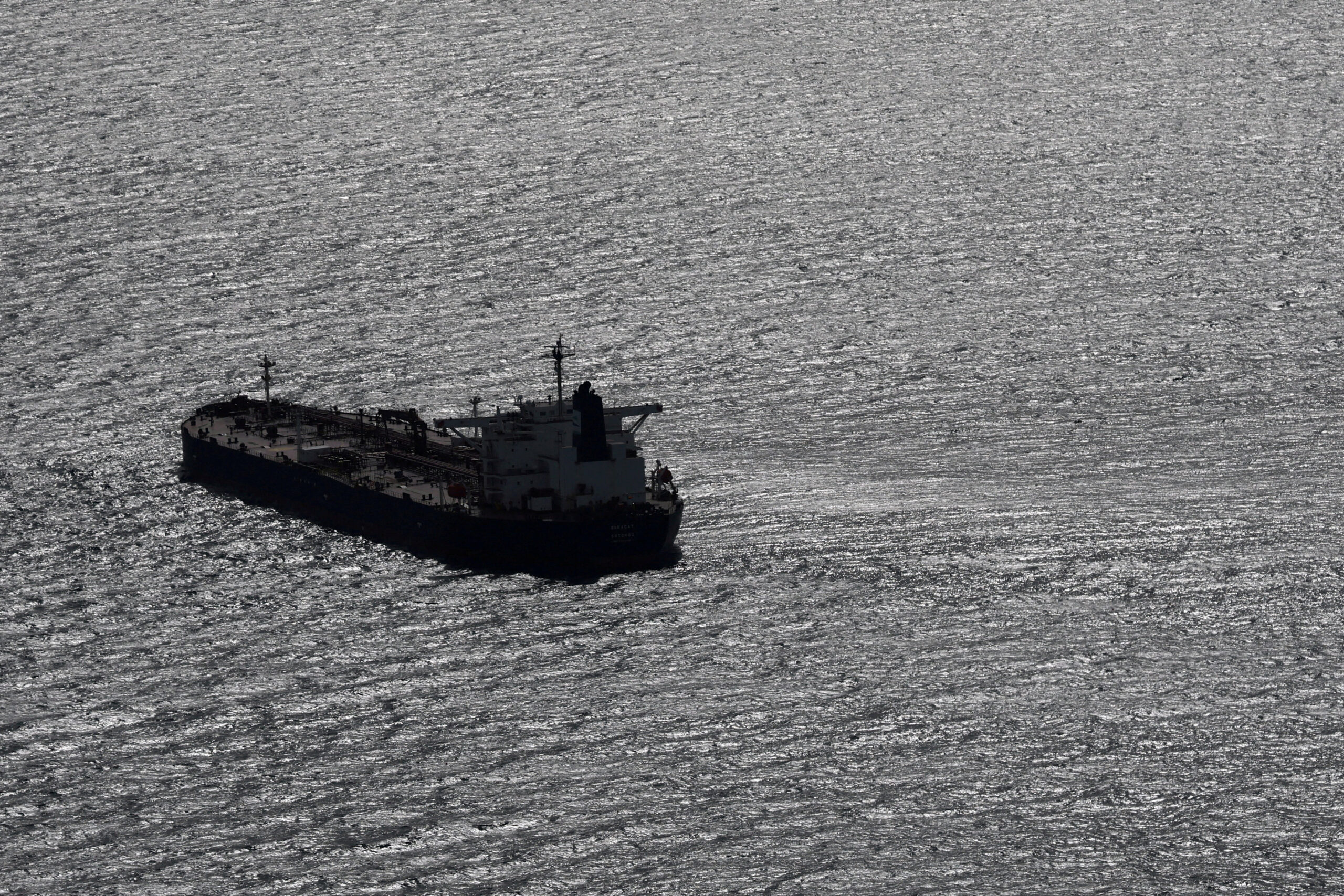
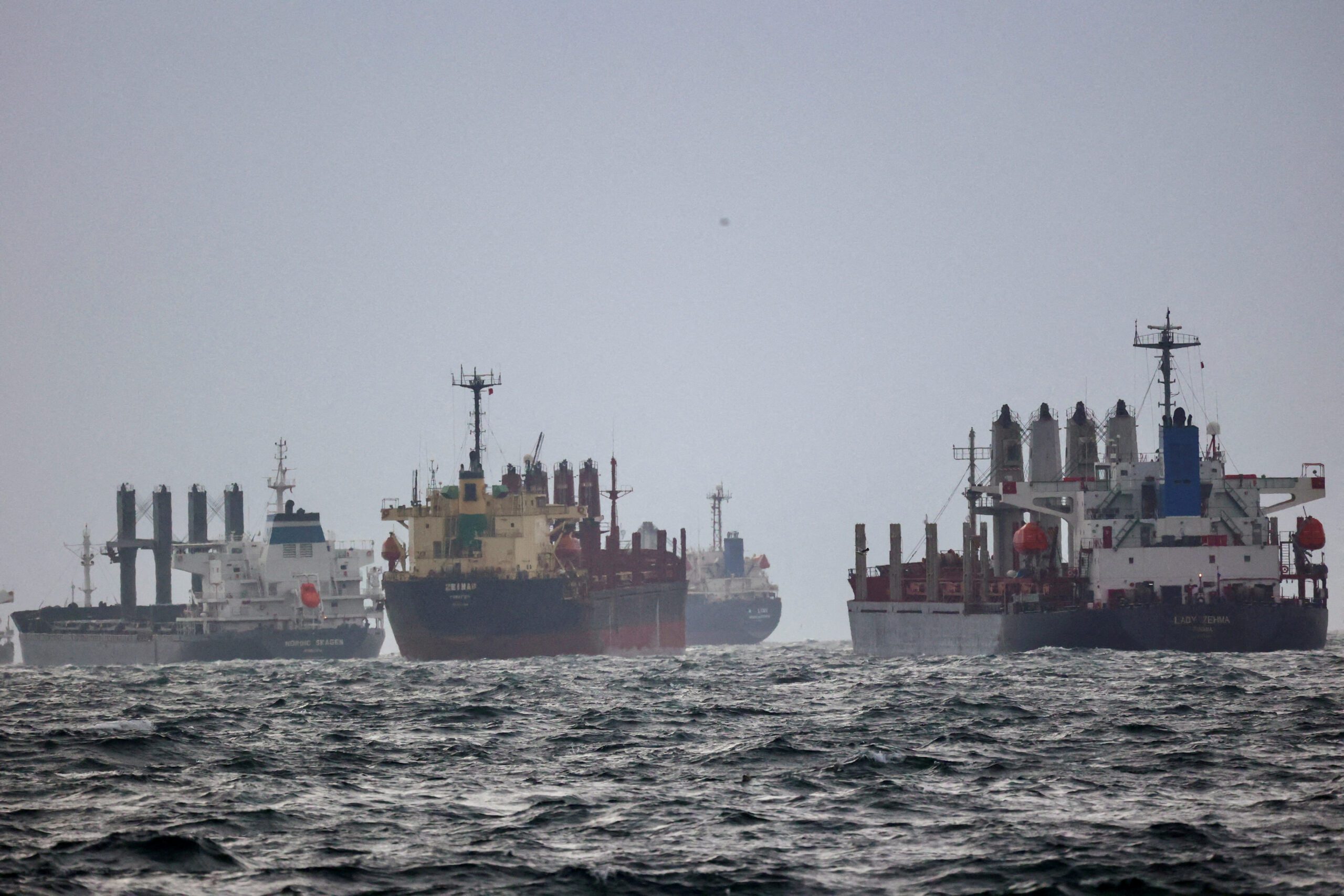
The aim of the price cap, set in late 2022, was to reduce Russia’s sources of revenue without creating an oil price shock. Under the mechanism, third countries can buy Russian oil up to that maximum price using Western shipping and insurance services. Up to 30% of seaborne Russian oil is still traded under the cap while the rest is moved by a shadow fleet.
Western powers want to keep up the pressure on Russia, but Moscow has enjoyed some budgetary respite since the closure of the Strait of Hormuz. The vital shipping lane in the Gulf accounted for one-fifth of the world’s oil and gas flows prior to the start of the war on February 28.
The Commission may also propose that any future price review cannot top $60 per barrel regardless of average prices at the time, the sources said, given the outlook of sustained high prices for the remainder of the year.
Brent oil futures were trading around $93 a barrel on Monday LCOc1 and analysts have raised their 2026 average oil price predictions by 40% to around $90 per barrel since February.
The measure could be a compromise to the stalled idea of a full maritime services ban on Russian oil, which would have ended the cap system. EU countries adopted the legal basis for the ban in the last sanctions package, but with the caveat that no decision will be made on the phase-in until after further coordination with the G7.
(Reporting by Julia Payne; Editing by Paul Simao)
(c) Copyright Thomson Reuters 2026.

 Join The Club