By Jorge Valero, John Ainger and Daniel Hornak (Bloomberg) —
European Union leaders are expected to greenlight a 19th Russia sanctions package at a summit on Thursday after Slovakia dropped its objections.
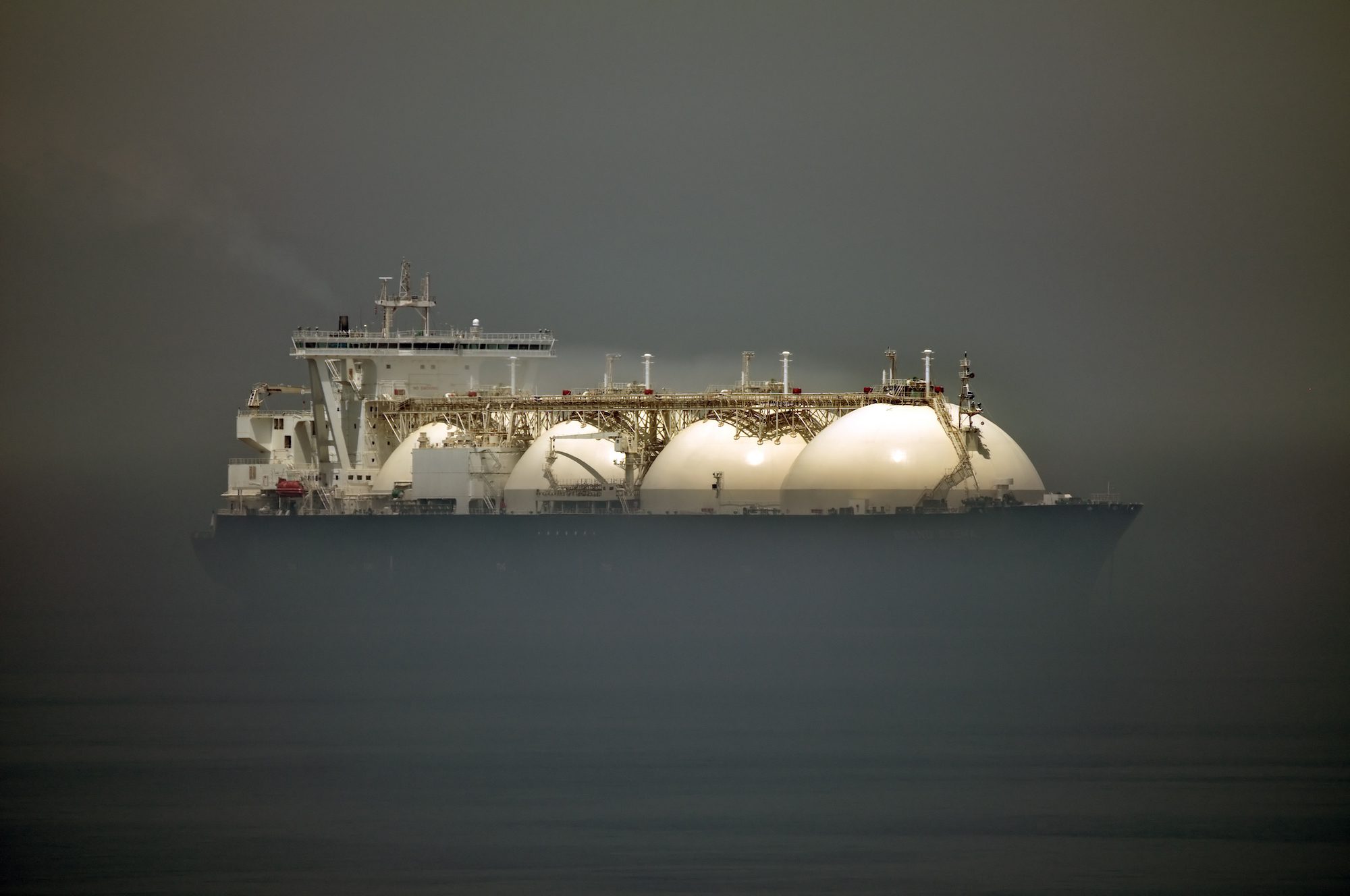
The package aims to further starve Moscow of energy revenue and pressure Vladimir Putin into negotiations. It bans liquefied natural gas imports from Russia in January 2027, a year earlier than initially planned, and targets Russian banks, lenders in Central Asia and several crypto exchanges.
“I think we will get there,” Irish European Affairs Minister Thomas Byrne told Bloomberg TV in an interview. “It’s really important the European Union continues to use its leverage against Russia — the power and strength that we have — in order to help the people of Ukraine.”
The penalties stalled for weeks as Austria, Hungary and Slovakia threw up roadblocks.
Austria wanted the package to unfreeze assets linked to Russian tycoon Oleg Deripaska to help compensate an Austrian bank, Raiffeisen Bank International AG, for penalties it paid in Russia.
The country ultimately gave up the request after it received little support.
“We’re showing solidarity,” Josef Schellhorn, a state secretary in the Federal Ministry of European and International Affairs, told reporters on Monday before a meeting in Brussels. “We need to speak with one voice. And that’s our objective.”
Hungary followed suit on Monday, saying it would also relent. Budapest has repeatedly delayed Russia sanctions.
“We don’t veto the package because we understand that our core national interests are not being violated,” Peter Szijjarto, Hungary’s foreign minister, told Bloomberg News. But, he added, “sanctions have not been successful.”
Finally, on Wednesday morning, Slovak Prime Minister Robert Fico said he would lift his veto if EU leaders inserted language into the summit conclusions about tackling the EU’s high energy prices — which Fico said he expected would happen.
The latest package also includes trade restrictions on Chinese and Indian entities that have helped Russia evade sanctions. In addition, it places export bans on more than €40 billion ($46.9 billion) in goods used by Moscow’s military industry, including minerals, ceramics and rubber.
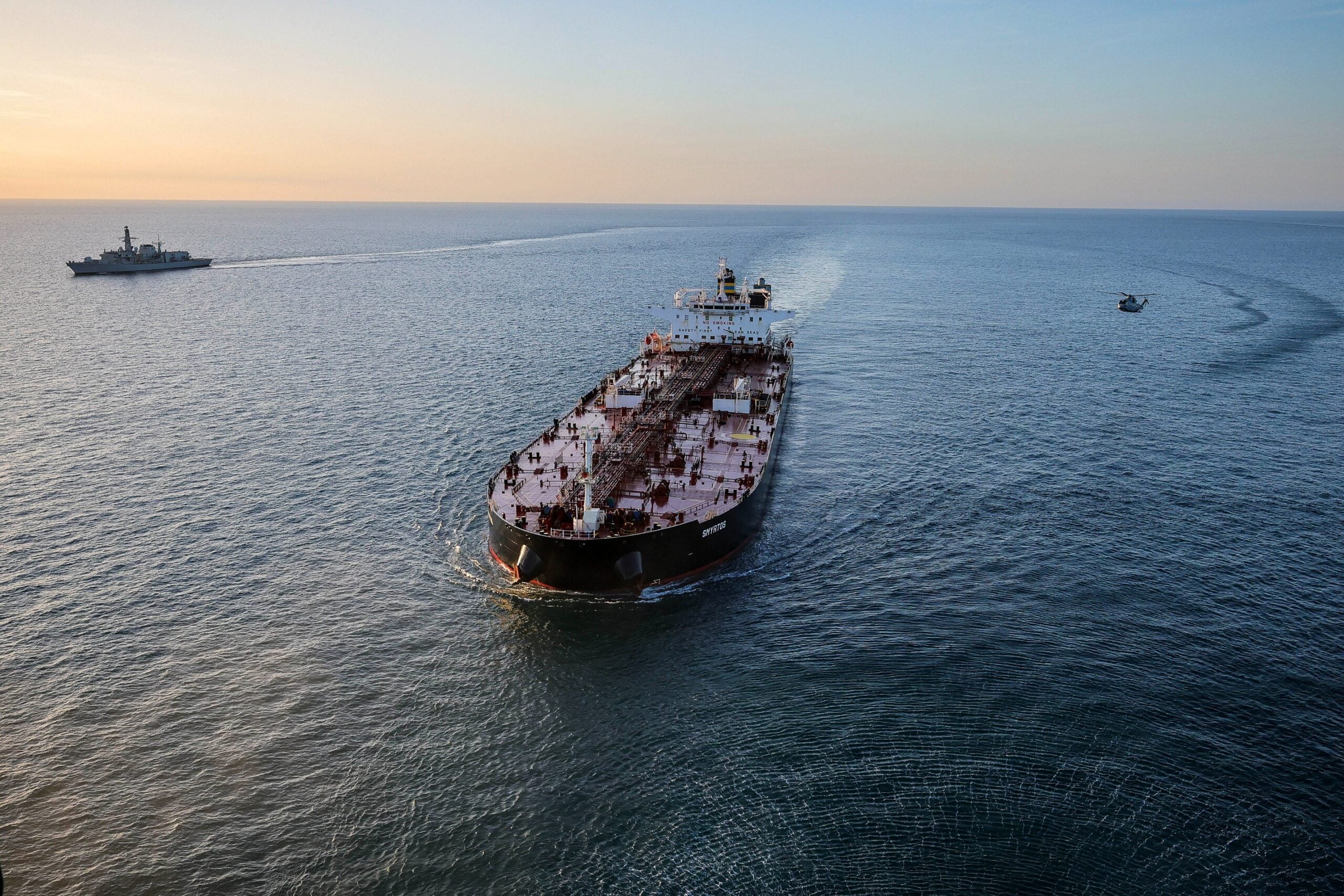
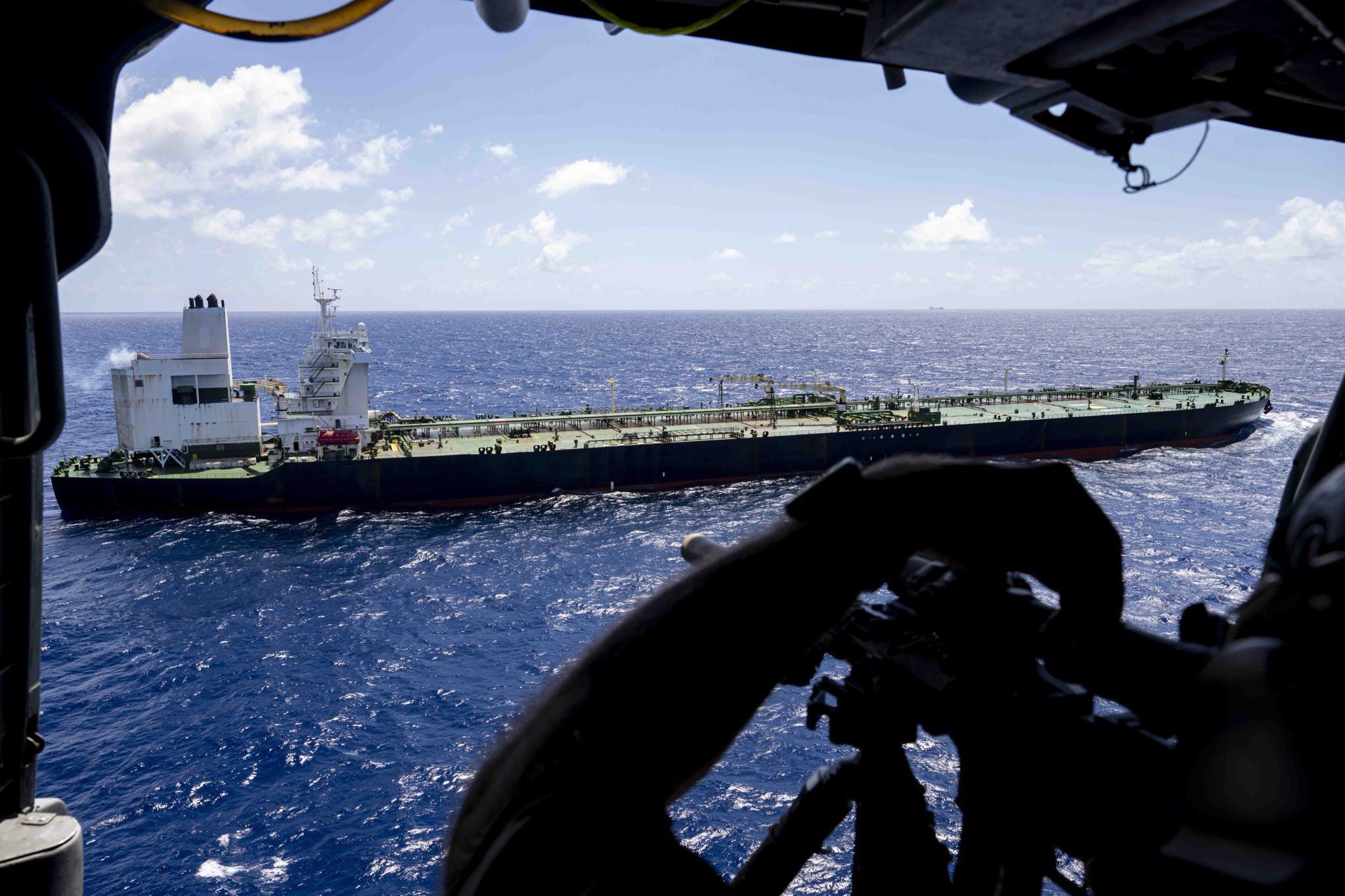
Finally, the EU package blacklists more than 100 additional oil tankers aiding Moscow’s illicit energy trade, increasing the list to roughly 550.
After EU leaders sign off on Thursday, government ministers will give countries’ formal approval at a future meeting.
© 2025 Bloomberg L.P.

 Join The Club