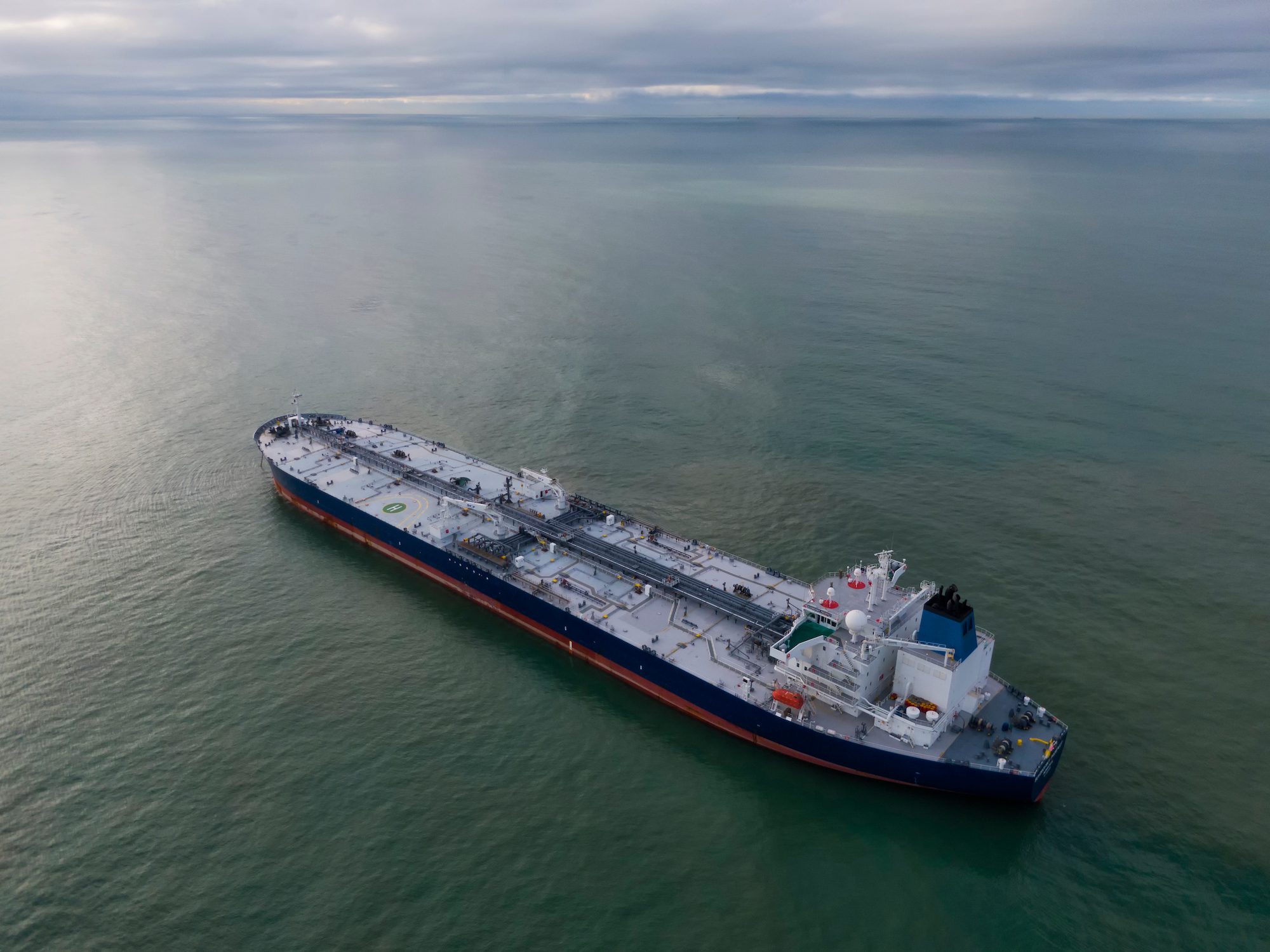
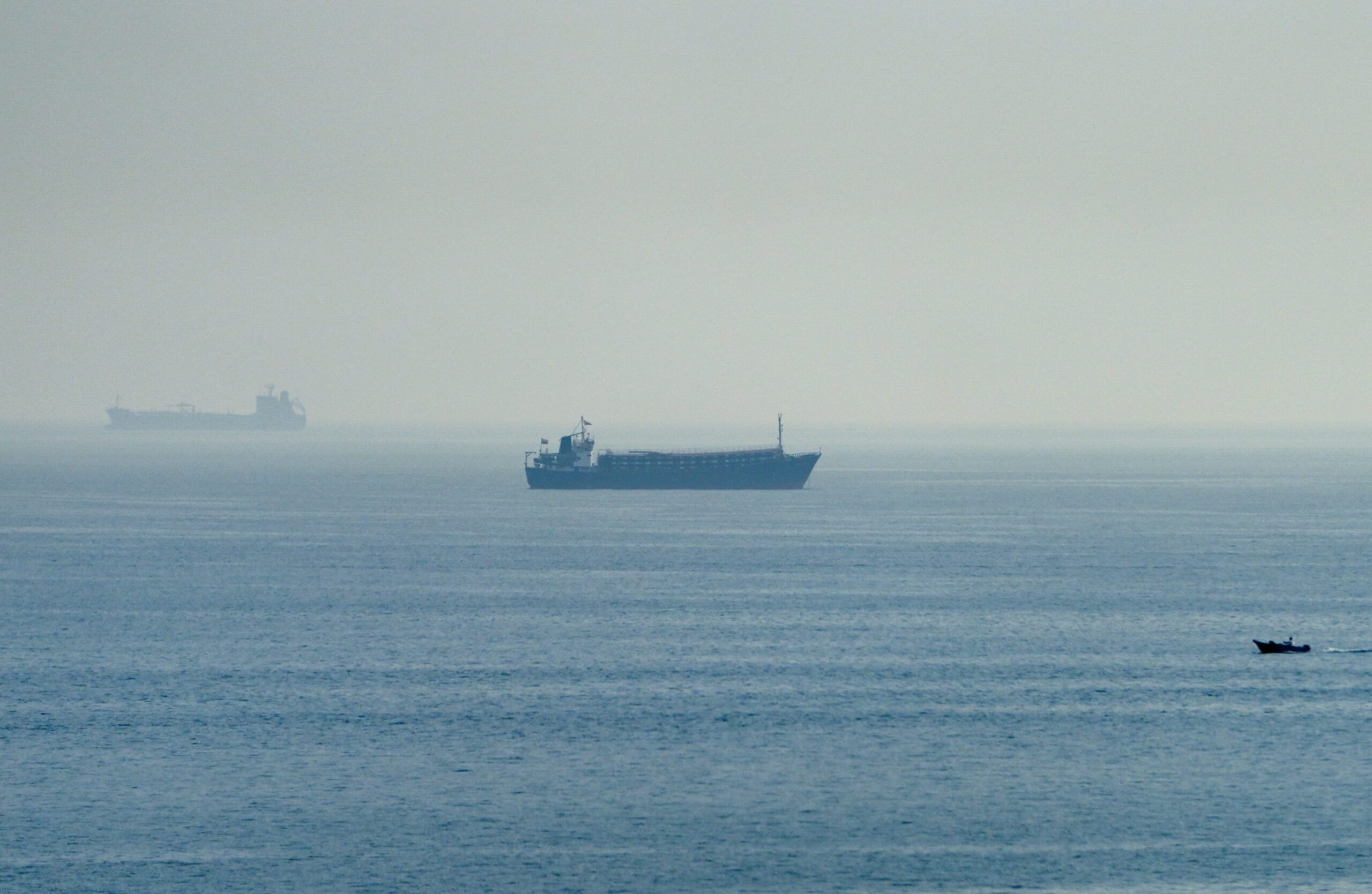
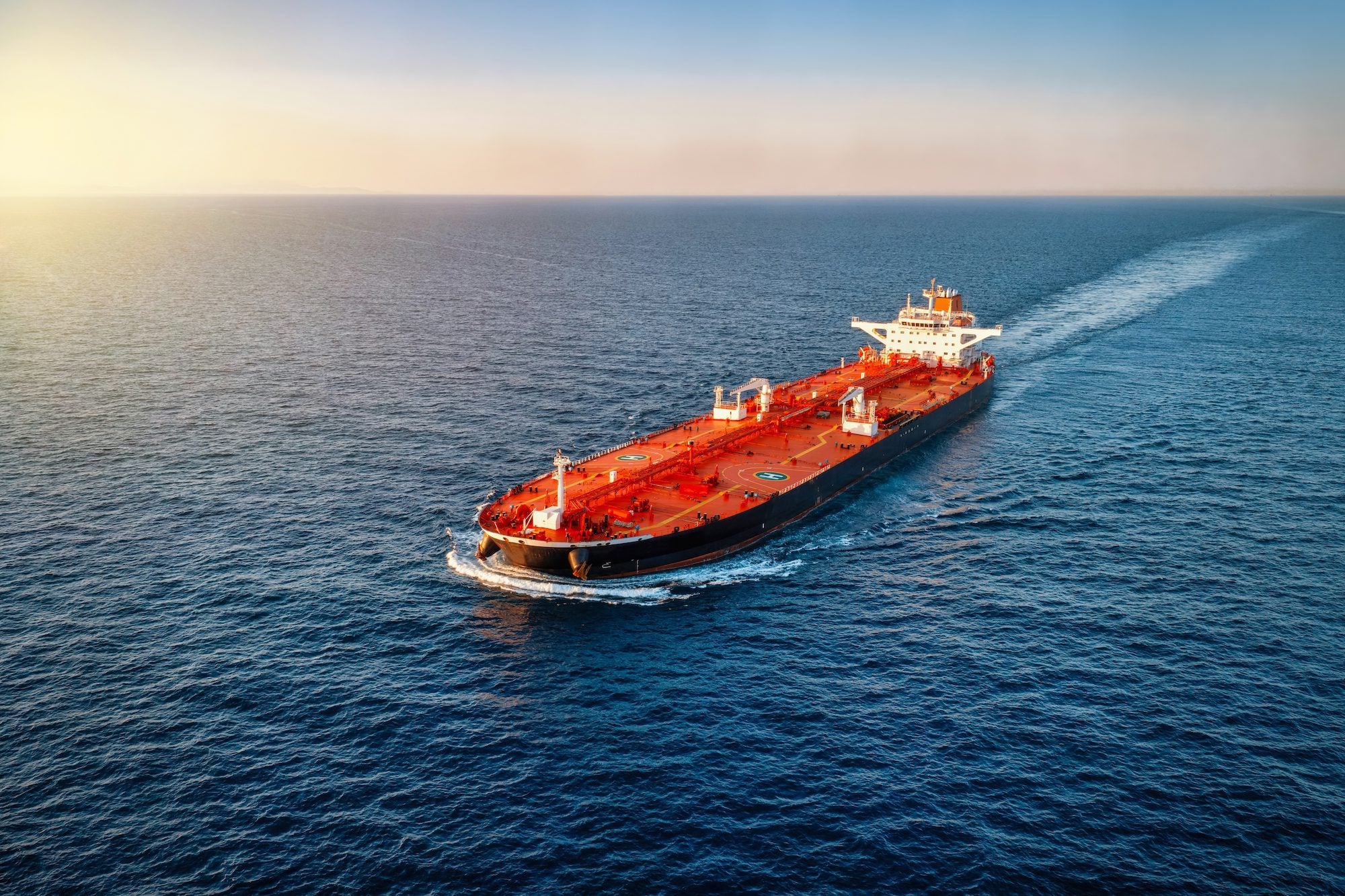
U.S. Treasury Secretary Scott Bessent announced Monday that the Treasury Department is issuing a temporary 30-day general license allowing “the most vulnerable nations” to access Russian oil cargoes currently stranded at sea, framing the move as an effort to stabilize global crude markets amid ongoing disruption tied to the Strait of Hormuz crisis.
The announcement appears to expand on earlier Russia-related sanctions relief measures issued by OFAC in March, which temporarily authorized certain deliveries of Russian-origin crude already loaded before sanctions deadlines. The new measure, according to Bessent, is intended to provide flexibility for energy-import dependent countries while also redirecting flows away from China’s discounted stockpiling activity.
“It will also help reroute existing supply to countries most in need by reducing China’s ability to stockpile discounted oil,” Bessent wrote on X.
The announcement came just two days after the administration had allowed the previous Russian oil wind-down waiver to lapse despite mounting pressure on global energy markets.
However, Bessent’s statement indicates the administration is continuing what has effectively become a rolling series of temporary authorizations first introduced in March as the Strait of Hormuz crisis intensified and millions of barrels of crude supply became disrupted or stranded.
Analysts have warned that prolonged Hormuz disruption could tighten physical crude availability and further increase freight and insurance costs for developing economies heavily reliant on imported fuel.
The Treasury Department initially issued the sanctions relief in March through OFAC General License 133, later followed by General License 134 and 134B, allowing transactions necessary for the delivery and sale of Russian-origin crude oil and petroleum products already loaded onto vessels before specified cutoff dates.
The licenses authorize transactions considered “ordinarily incident and necessary” to complete these voyages, including shipping, insurance, bunkering, and port services.
Importantly, the authorizations do not permit new Russian oil trade. Instead, they apply narrowly to cargoes already afloat and are structured as temporary “wind-down” measures rather than broad sanctions relief.
The repeated short-term extensions underscore the increasingly delicate balancing act facing Washington as the effective closure of the Strait of Hormuz continues disrupting global energy markets.

 Join The Club