The International Energy Agency says the ongoing Strait of Hormuz crisis is triggering one of the most severe oil market disruptions in modern history, with global oil demand now expected to contract in 2026 as supply losses mount and inventories collapse at a record pace.
In its latest monthly Oil Market Report released Thursday, the IEA said global oil demand is now forecast to decline by 420,000 barrels per day year-over-year in 2026 to 104 million barrels per day—roughly 1.3 million barrels per day lower than the agency’s pre-war forecast.
The sharpest declines are expected during the second quarter, with global demand projected to fall by 2.45 million barrels per day compared to last year as higher prices, economic weakness and fuel-saving measures ripple through the global economy. The petrochemical and aviation sectors have been hit hardest so far, according to the report.
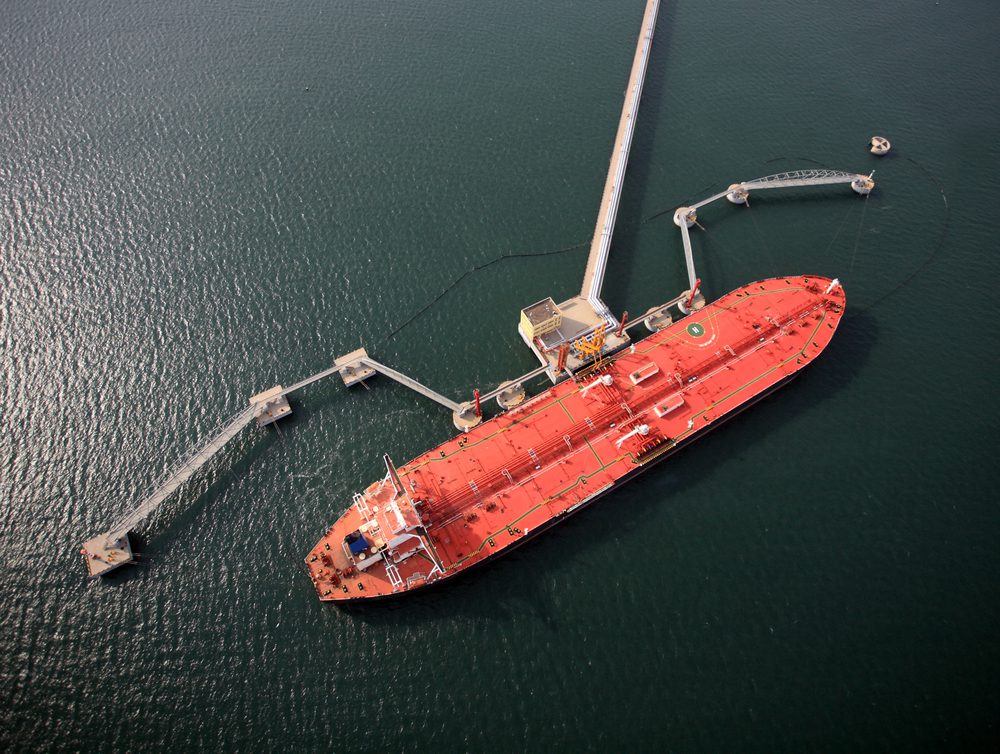
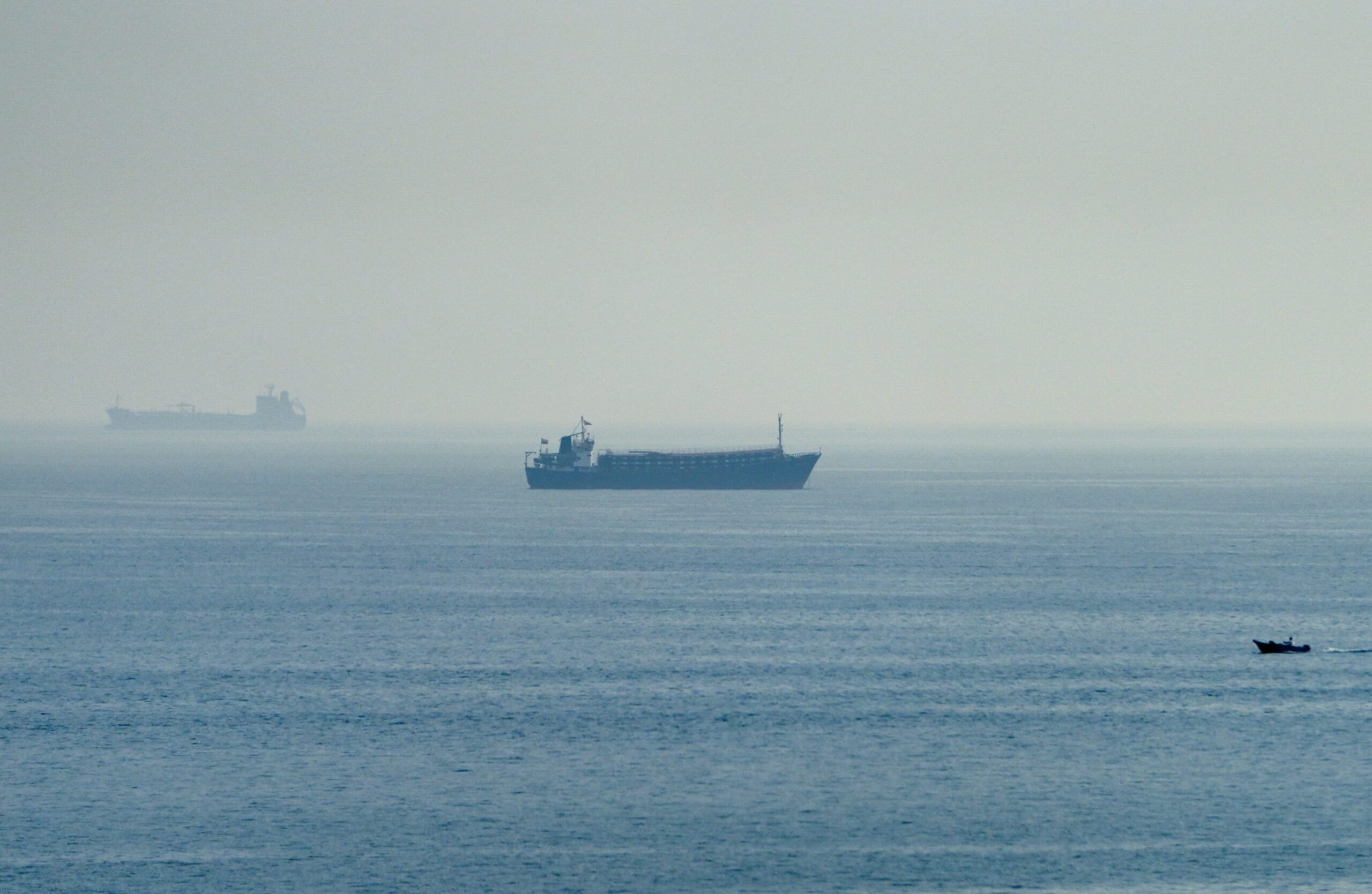
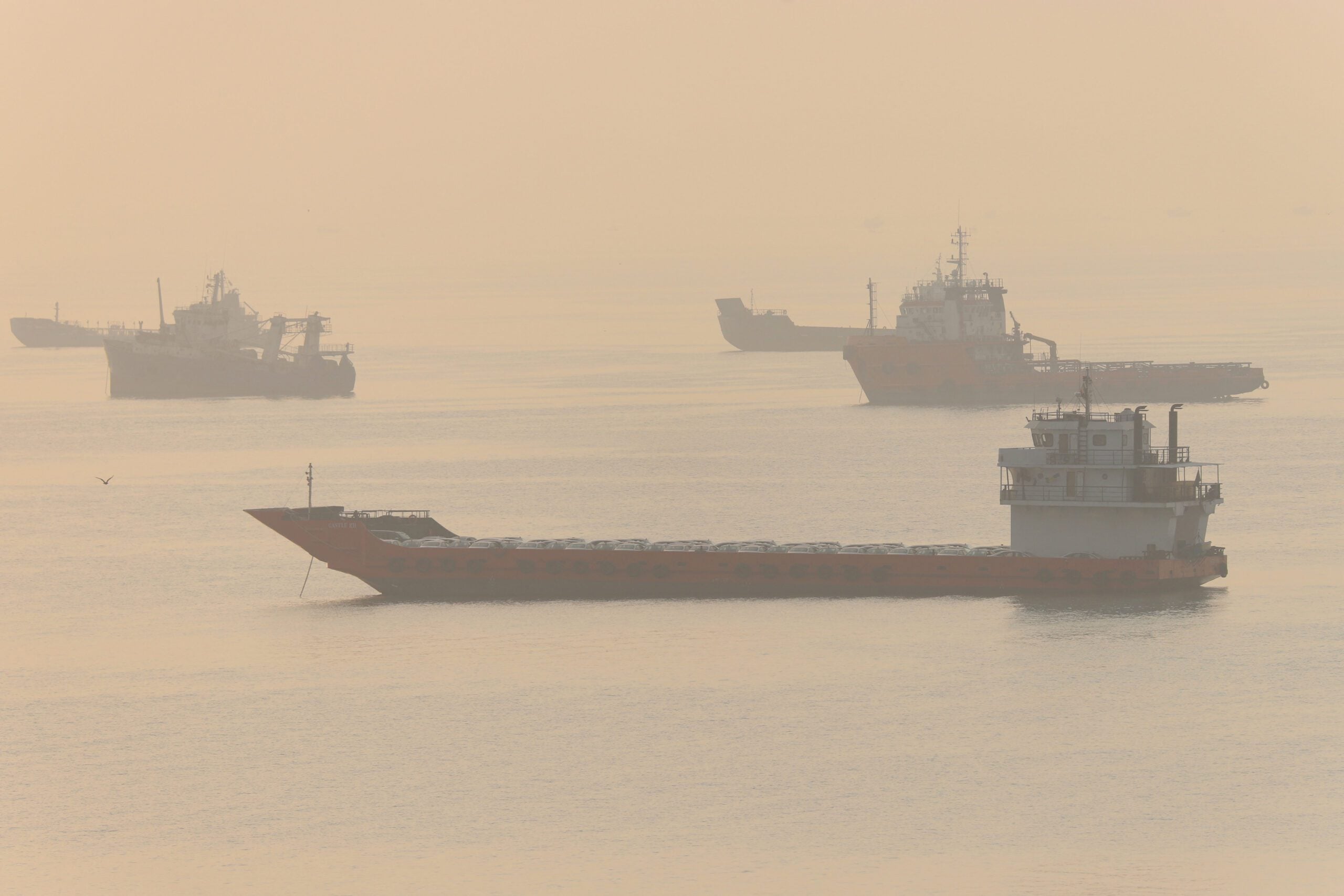
At the same time, the supply shock linked to the effective closure of the Strait of Hormuz continues to deepen.
The IEA said global oil supply fell another 1.8 million barrels per day in April to 95.1 million barrels per day, bringing cumulative losses since February to 12.8 million barrels per day. Production from Gulf countries affected by the disruption was running 14.4 million barrels per day below pre-war levels.
“With Hormuz tanker traffic still restricted, cumulative supply losses from Gulf producers already exceed 1 billion barrels with more than 14 mb/d of oil now shut in, an unprecedented supply shock,” the IEA said.
Benchmark crude prices have swung wildly during the crisis. North Sea Dated crude traded in a nearly $50-per-barrel range in April and averaged $120.36 per barrel for the month, up roughly $16.50 month-over-month. Prices briefly surged as high as $144 per barrel before falling below $100 amid conflicting signals over potential negotiations between the United States and Iran.
The disruption is also draining inventories at a historic rate.
The IEA said global observed oil inventories fell by 129 million barrels in March and another 117 million barrels in April. On-land inventories alone declined by 170 million barrels in April as consuming nations tapped commercial and strategic reserves to offset lost Middle Eastern supply.
Despite the scale of the disruption, the report noted that Atlantic Basin producers—including the United States, Brazil, Canada and Venezuela—have boosted exports sharply to partially offset lost Gulf shipments. Atlantic Basin crude exports have risen by 3.5 million barrels per day since February, while Saudi Arabia and the UAE have redirected some exports through terminals outside the Strait of Hormuz.
Refiners across Asia have also slashed imports and reduced throughput. Chinese seaborne crude imports dropped by 3.6 million barrels per day between February and April, while imports also fell sharply in Japan, South Korea and India.
The IEA warned that while weaker refinery activity has temporarily eased crude market tightness, stress is increasingly spreading into refined fuel markets, with middle distillate margins remaining at historically elevated levels.
The agency’s base-case outlook assumes flows through the Strait of Hormuz gradually resume beginning in June. Even under that scenario, the oil market is expected to remain in deficit until the fourth quarter of 2026, with volatility likely to persist heading into peak summer demand season.

 Join The Club