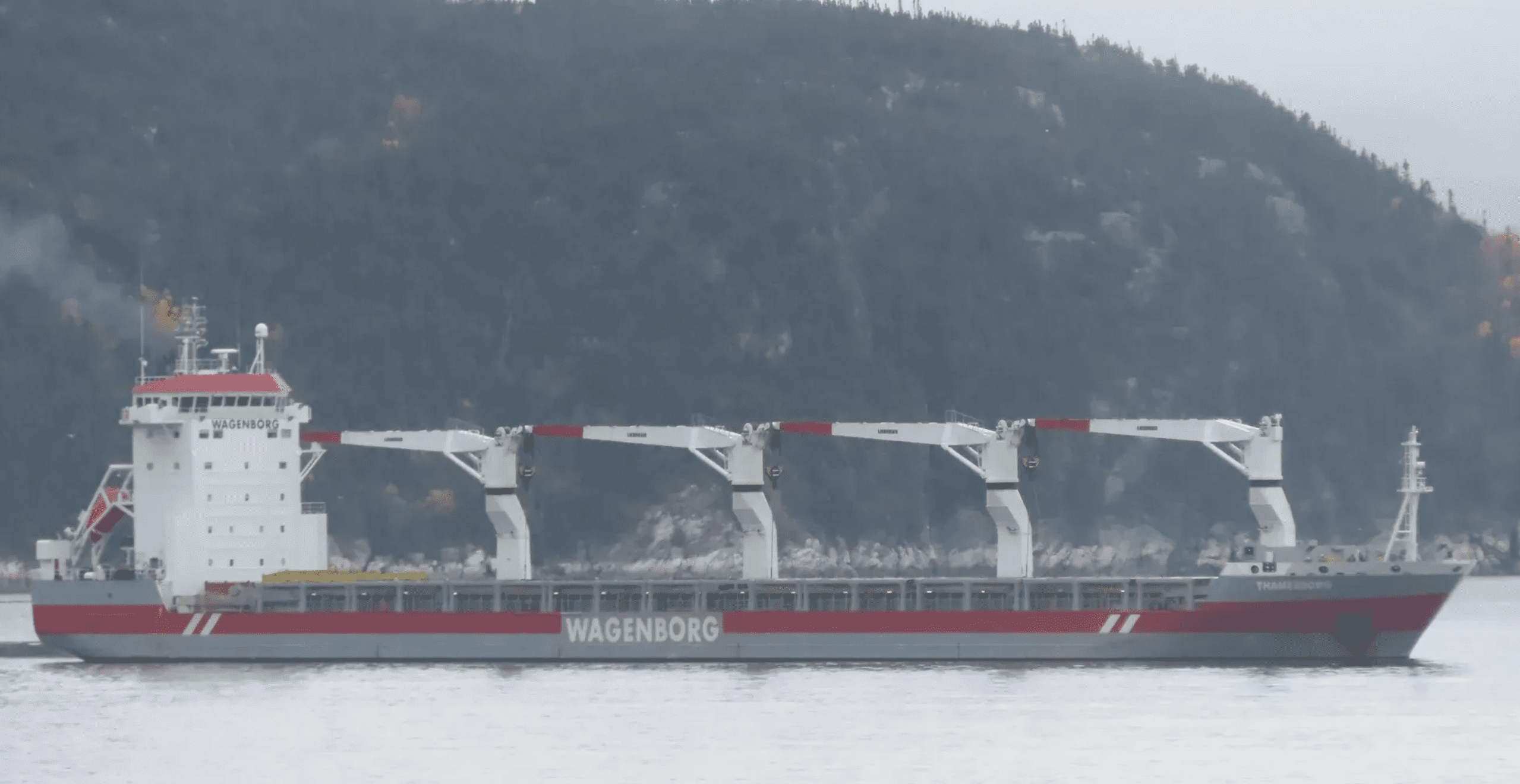
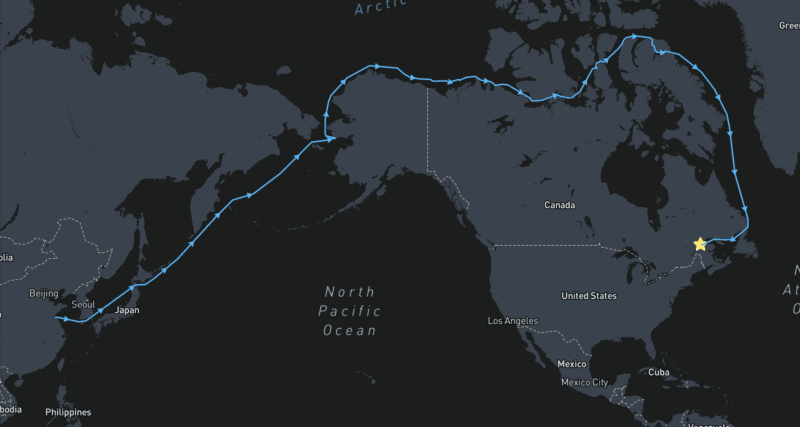
Thamesborg‘s journey from China to Canada was supposed to take just three to four weeks via an Arctic shortcut. It ended up lasting more than two months. Wagenborg’s general cargo shiphas reached its originally intended destination of Baie Comeau in eastern Canada.
“Wagenborg report that its general cargo vessel MV Thamesborg has safely arrived in the port of Baie Comeau, Canada where it will start unloading its remaining cargo. Following discharge operations the vessel will be undergoing repairs at a shipyard to be determined,” the company stated after the vessel arrived in port.
Based on AIS data Thamesborg remains at anchor close to shore awaiting offloading. Photos taken upon arrival show the vessel traveling under its own power.
Thamesborg’s voyage from Lianyungang, China to Baie Comeau, Canada. (Source: Shipatlas)
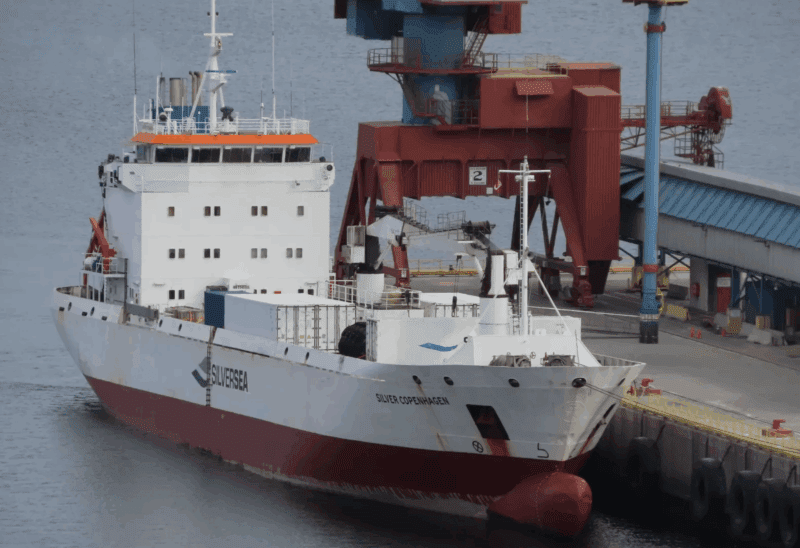
The complex salvage operation involved the transfer of parts of Thamesborg’s cargo to two assisting vessels, Nunalik and Silver Copenhagen. The latter arrived at Baie Comeau two days ahead of the rest of the convoy, with photos taken on October 25 showing it after offloading its cargo. The vessel has since departed the port.
Silver Copenhagen after offloading the cargo it had received from Thamesborg during the salvage operation. (Source: Courtesy of Richard Bélanger)
The grounding incident and refloating wrapped up without pollution or injuries, the Canadian Coast Guard confirmed in its final incident update.
“The exact cause of the grounding is subject of an investigation which is conducted in full cooperation with the Canadian authorities, including the Transportation Safety Board of Canada (TSB),” Wagenborg reiterated.
An interim report by the TSB is due within 12 months and should shed light on the cause of the grounding. Some Arctic shipping experts had suggested that Thamesborg took an unusual course through Franklin Strait to the east of the established corridor resulting in it making contact with an unmapped underwater shoal.
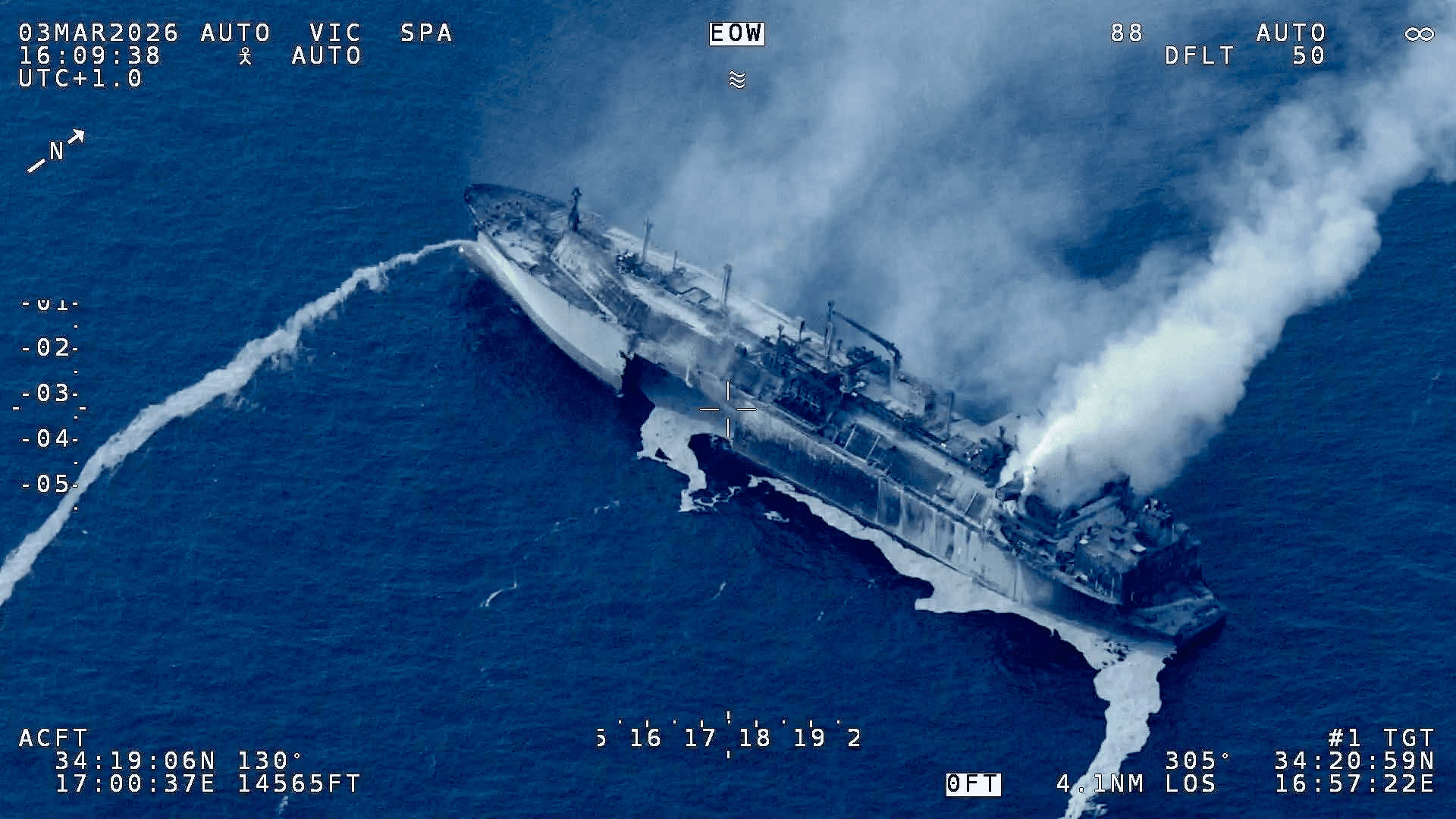
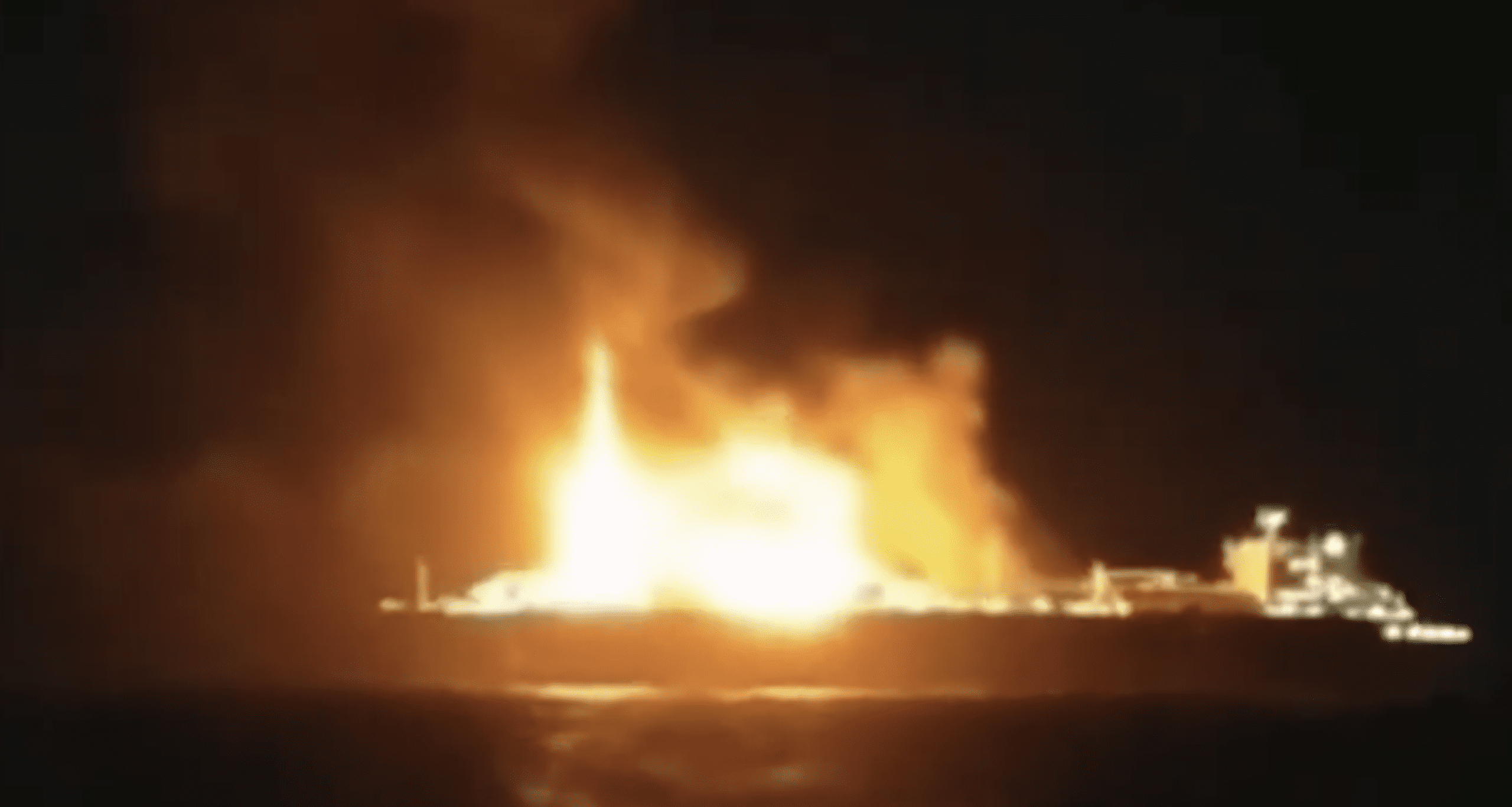
An LNG carrier central to Russia’s sanctioned Arctic gas trade was rocked by an explosion around 4 a.m. on March 3 roughly 150 nautical miles southeast of Malta, in an incident Moscow said was a Ukrainian attack and that could ripple through the Kremlin’s fragile LNG shadow fleet logistics network.
An LNG carrier identified as the Arctic Metagaz, part of Russia’s emerging shadow fleet transporting sanctioned liquefied natural gas, was reportedly on fire early Tuesday in the central Mediterranean off the coasts of Malta and Libya.
French naval forces intercepted and diverted the Russian-linked oil tanker Grinch on Thursday in the western Mediterranean between the southern coast of Spain and northern Morocco, in the first known case of a crude oil shipment loaded in Russia’s Arctic being seized under Western sanctions.
January 22, 2026
Total Views: 870
Get The Industry’s Go-To News
Subscribe to gCaptain Daily and stay informed with the latest global maritime and offshore news
— just like 107,340 professionals
Secure Your Spot
on the gCaptain Crew
Stay informed with the latest maritime and offshore news, delivered daily straight to your inbox
— trusted by our 107,340 members
Your Gateway to the Maritime World!
Essential news coupled with the finest maritime content sourced from across the globe.

 Join The Club