By Ari Natter
Mar 13, 2026 (Bloomberg) –The Trump administration approved BP Plc’s plan to pump billions of dollars worth of crude from what will be the company’s first virgin field development in the Gulf of Mexico since the deadly 2010 Deepwater Horizon disaster that triggered the worst oil spill in US history.
BP’s deepwater Kaskida project is scheduled to start crude production in 2029. In its initial phase, the development is expected to produce the equivalent of about 275 million barrels from a section of the seafloor estimated to hold as much as 10 billion barrels.
Read More: BP’s $5 Billion Tiber-Guadalupe Project Signals Major Expansion in US Gulf
The Department of Interior’s approval of Kaskida comes despite objections from environmental groups and Democratic lawmakers, who warn another Deepwater Horizon-like catastrophe could threaten Gulf Coast communities and ecosystems while encouraging more ultra-deep water drilling.
BP has said “the safety of our people and the environment will remain our highest priority.”
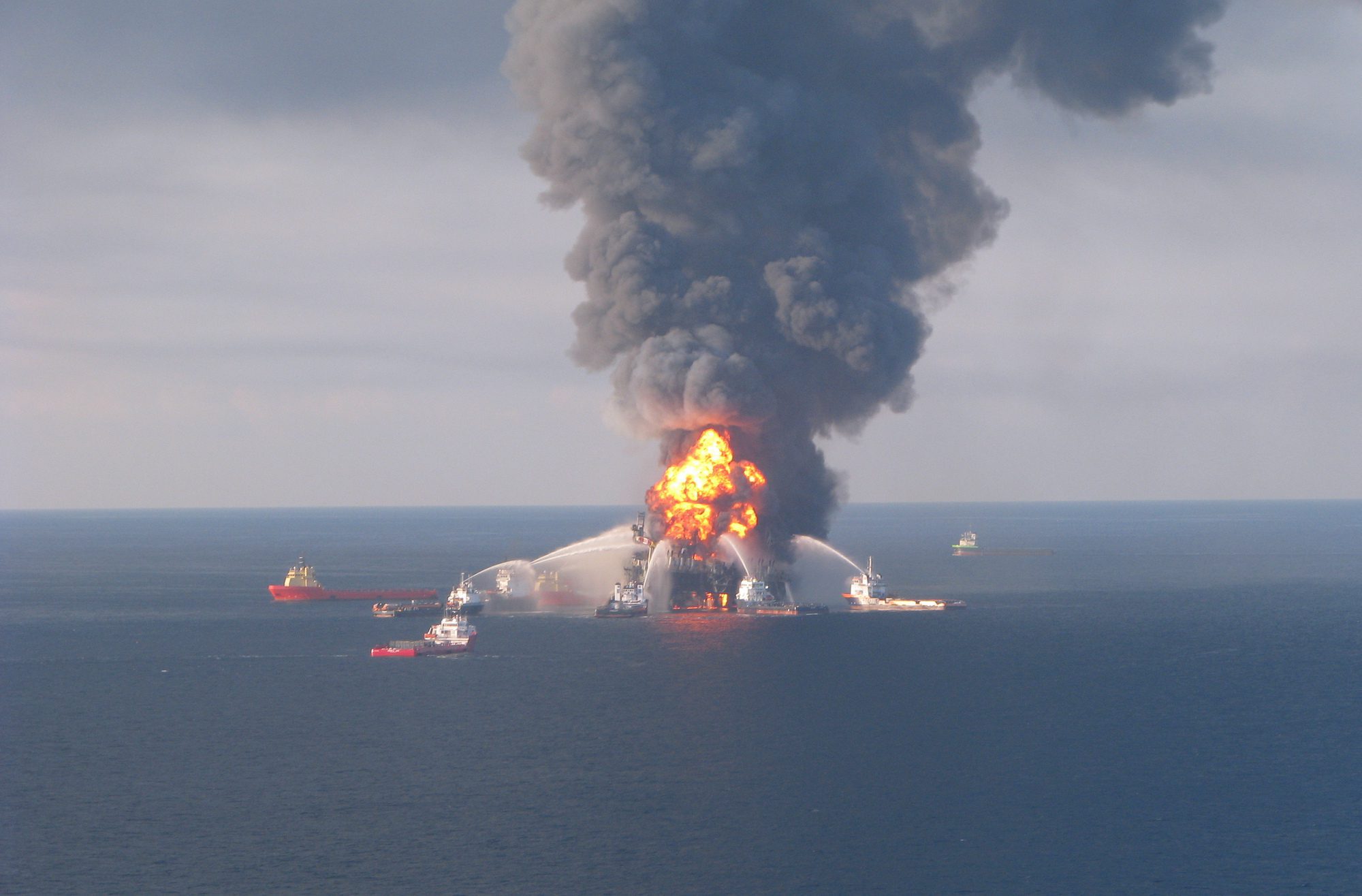
BP’s return to large-scale Gulf of Mexico development has been gradual since the April 2010 eruption of the Macondo well that killed 11 workers and destroyed Transocean Ltd.’s Deepwater Horizon floating rig.
Although the British oil major was cleared to resume bidding on federal offshore drilling leases in early 2014, Kaskida represents BP’s first full-blown new project development in the region in almost 16 years.
“Kaskida is a world-class project that reflects decades of technological innovation by BP and the offshore oil and gas industry,” a company spokesperson wrote in an email.
“This $5 billion investment will safely bring online more American energy by helping to unlock 10 billion barrels of discovered BP resources in the Gulf of America’s Paleogene fields.”
The Kaskida find has remained largely undeveloped since its discovery almost 20 years ago because the oil industry lacked technology capable of managing the field’s high pressure and forbidding geology.
The Deepwater Horizon, which still rests at the bottom of the Gulf, was under lease by BP at the time of the Macondo disaster.
© 2026 Bloomberg L.P.
Updated: March 30, 2026 (Originally published March 14, 2026)
Editorial Standards · Corrections · About gCaptain
This article contains reporting from Bloomberg, published under license.

 Join The Club