BP has reached a final investment decision on the Tiber-Guadalupe project in the Gulf of America (Gulf of Mexico), approving its second new production platform in less than two years in the region. The decision underscores the significance of the US Gulf in BP’s global strategy.
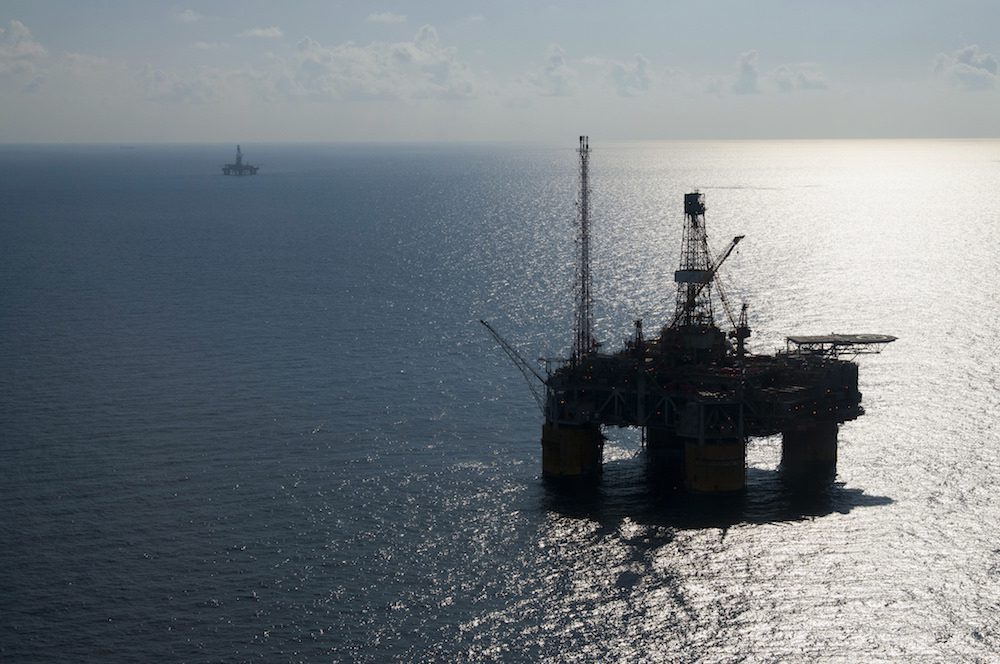
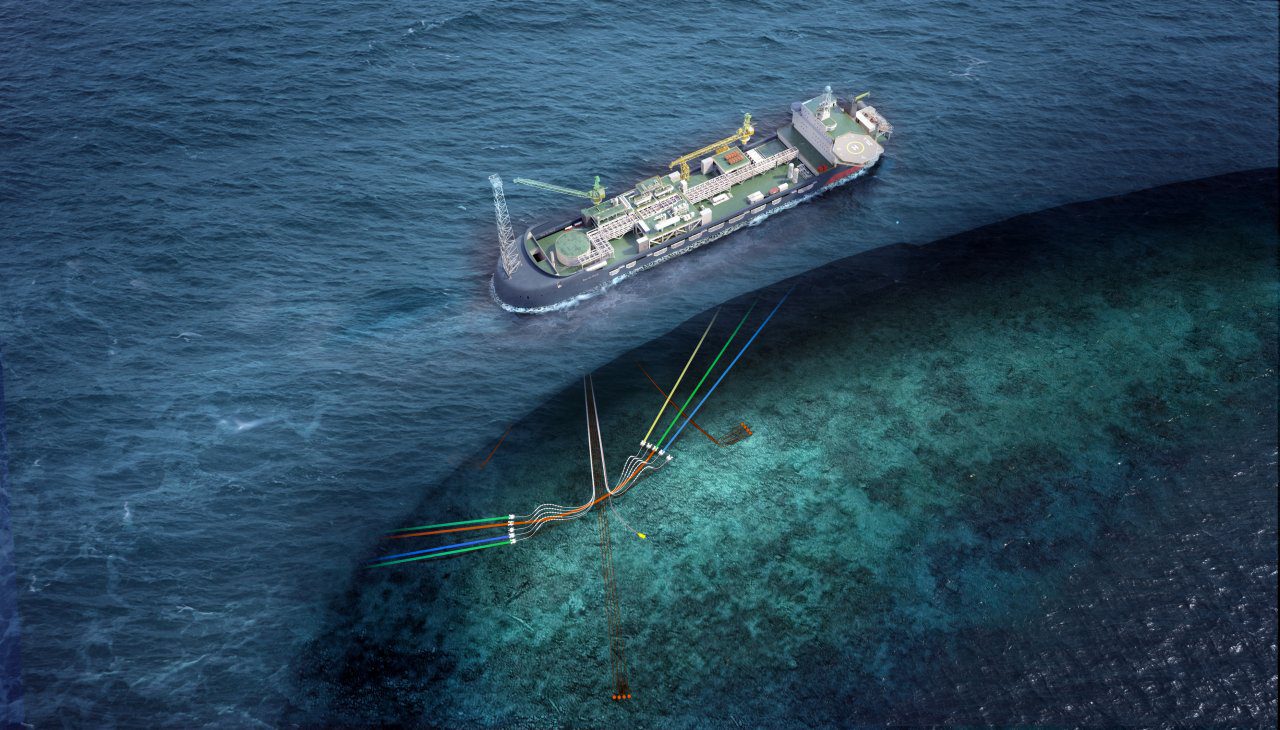
The 100% BP-owned Tiber-Guadalupe will be the company’s seventh operated oil and gas production hub in the Gulf, featuring a new floating production platform with capacity to produce 80,000 barrels of crude oil per day. The project includes six wells in the Tiber field and a two-well tieback from the Guadalupe field, with production expected to start in 2030.
“Our decision to move forward on the Tiber-Guadalupe project is a testament to our commitment to continue investing in the Gulf of America and expand our energy production from one of the premier basins in the world,” said Andy Krieger, BP’s senior vice president, Gulf of America and Canada.
The Tiber and Guadalupe fields are estimated to contain recoverable resources of approximately 350 million barrels of oil equivalent from the initial phase, with potential for additional wells in future phases pending further evaluation.
With an estimated cost of $5 billion, the project is fully accommodated within BP’s disciplined financial framework. It represents one of the 8-10 major projects the company expects to start up globally between 2028 and 2030, reflecting BP’s strategy to grow its upstream business and long-term shareholder value.
Together with the 100% BP-owned Kaskida project, the company plans to invest around $10 billion to deliver its Gulf of America Paleogene projects. These two developments, alongside five existing operating platforms in the Gulf, will help BP boost its production capacity to more than 400,000 barrels of oil equivalent per day from the US offshore region by 2030.
The Tiber floating production platform leverages existing designs, with more than 85% based on the Kaskida project, resulting in significant cost efficiencies. According to BP, Tiber project development costs are anticipated to be around $3 per barrel lower than the Kaskida project.
“Tiber-Guadalupe represents a significant step forward in our efforts to unlock the potential of the Paleogene in the Gulf of America, building on our decades of experience in the region,” said Gordon Birrell, BP’s executive vice president of production and operations.
BP discovered the Tiber field in 2009 and has since worked closely with the offshore industry to develop the 20K technology necessary to complete high-pressure wells. This 20K equipment – including larger drilling rigs, subsea equipment, and thicker metal casing – will be independently verified and approved to safely manage wells with pressures of up to 20,000 pounds per square inch.
Located in the Keathley Canyon area about 300 miles southwest of New Orleans, the Tiber-Guadalupe project is named after rivers in Italy and Texas. It will be BP’s second development in the Gulf to produce from reservoirs using technology that can safely manage these extreme pressures.
The company reported producing around 341,000 barrels of oil equivalent per day from the Gulf in 2024. Beyond its five operated platforms – Argos, Atlantis, Mad Dog, Na Kika and Thunder Horse – BP also holds interests in four non-operated hubs: Great White, Mars, Olympus and Ursa.
The Tiber-Guadalupe project further unlocks around 10 billion barrels of discovered resources in place across BP’s Gulf Paleogene assets, reinforcing the company’s ambition to increase its offshore and onshore production in the United States to more than 1 million barrels of oil equivalent per day by 2030.

 Join The Club