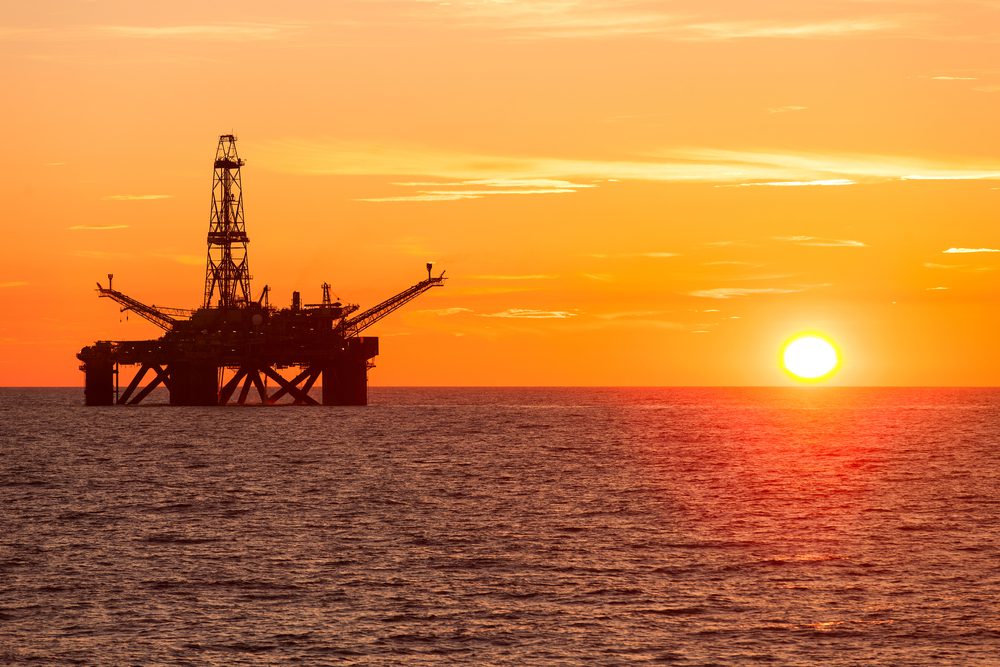
U.S. offshore oil production surged to a record 714 million barrels in 2025, marking a new high for output from the Outer Continental Shelf and underscoring the growing role of deepwater projects in the nation’s energy mix.
The milestone, highlighted this week by the Department of the Interior and its offshore regulators, reflects years of investment, planning, and project development—much of it concentrated in the U.S. Gulf, where large-scale deepwater fields continue to ramp up production.
Interior Secretary Doug Burgum credited the administration’s push for “energy dominance,” pointing to regulatory streamlining and policy certainty as key drivers behind increased offshore investment. “This record production reflects the strength of our offshore resources,” he said, adding that expanded output is supporting jobs, lowering energy costs, and strengthening U.S. energy security.
The Bureau of Ocean Energy Management (BOEM), which oversees offshore leasing and resource planning, said the current production surge stems from long-term decisions on lease sales, geological assessments, and environmental reviews. Acting BOEM Director Matt Giacona said offshore energy development is “built years in advance through deliberate planning,” noting that today’s output reflects projects approved and sanctioned long before first oil.
That upstream pipeline has been matched by continued regulatory oversight in the field. The Bureau of Safety and Environmental Enforcement (BSEE), responsible for offshore safety and compliance, said it is actively monitoring the growing level of activity as production expands.
“Record offshore production is helping strengthen American energy security while supporting thousands of jobs,” said BSEE Acting Director Kenny Stevens, adding that the agency is maintaining “strong oversight that protects workers and the environment.”
BSEE personnel are focused on inspections, well control systems, and equipment testing across offshore facilities, applying a risk-based approach to prioritize oversight in what has become an increasingly complex operating environment.
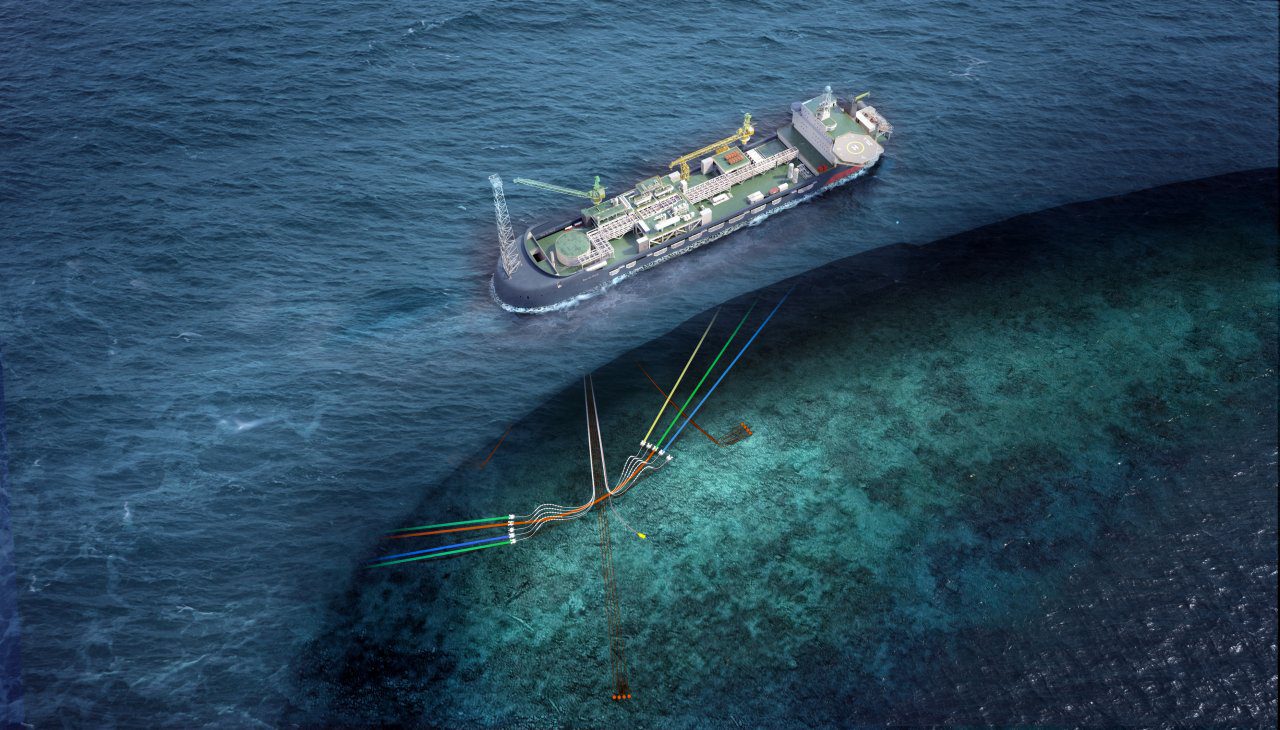
The Gulf of Mexico/America remains the center for U.S. offshore production, with new deepwater projects and existing infrastructure reaching peak output. Continued investment in subsea systems, floating production units, and advanced drilling technologies is expected to sustain elevated production levels in the years ahead.
The record output comes at a pivotal moment for global energy markets. Ongoing disruptions to maritime trade flows—particularly through the Strait of Hormuz—have heightened concerns over supply security and energy price volatility.
Officials across Interior’s offshore agencies framed the record as evidence of a system working end-to-end—from leasing and environmental review to production and safety enforcement—while emphasizing the need to balance energy development with environmental stewardship and operational safety.
As new projects continue to come online and existing fields mature, the trajectory suggests U.S. offshore oil is likely to remain a cornerstone of global supply, even as markets navigate one of the most volatile geopolitical environments in recent years.

 Join The Club