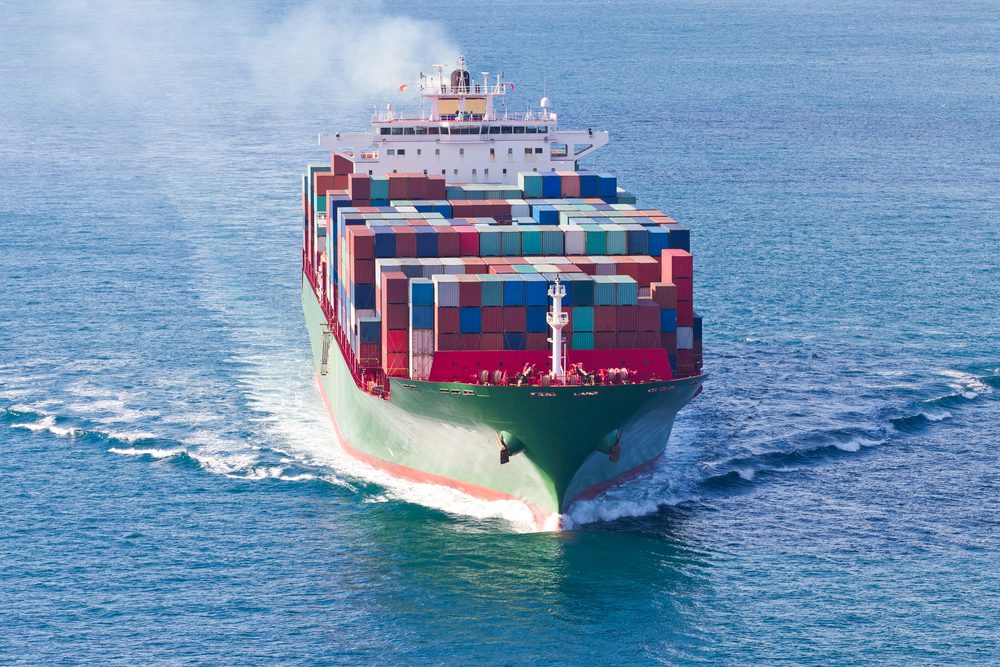
SHANGHAI, June 8 (Reuters) – China is considering regulating emissions from ships, the environment ministry said on Monday, as it tries to clamp down on pollution.
Facing mounting public pressure, leaders in Beijing have declared a war on pollution, vowing to abandon a decades-old growth-at-all-costs economic model that has spoiled much of China’s water, skies and soil.
The Ministry of Environmental Protection said it was seeking public feedback on whether to pass the regulation, which could include new standards on marine fuel quality and usage.
“Environmental pollution problems caused by shipping are becoming more evident,” Xiong Yuehui, an official with the ministry, said in a statement on the ministry’s website, adding that China had 172,600 vessels at the end of 2013.
He estimated that the shipping sector accounted for 8.4 percent of China’s sulphur dioxide emissions and 11.3 percent of nitrogen oxide emissions in 2013.
Environmental regulations for ships are overseen globally by the International Maritime Organization. But while the IMO has cut pollution with emissions controls in America and Europe, which use low-sulphur marine fuels as standard, Asia has been left untouched.
Last October, a U.S. environmental group said shipping was a significant source of air pollution in China and that one container ship along the country’s coast emitted as much diesel pollution as 500,000 Chinese trucks a day. (Reporting by Brenda Goh; Editing by Nick Macfie)
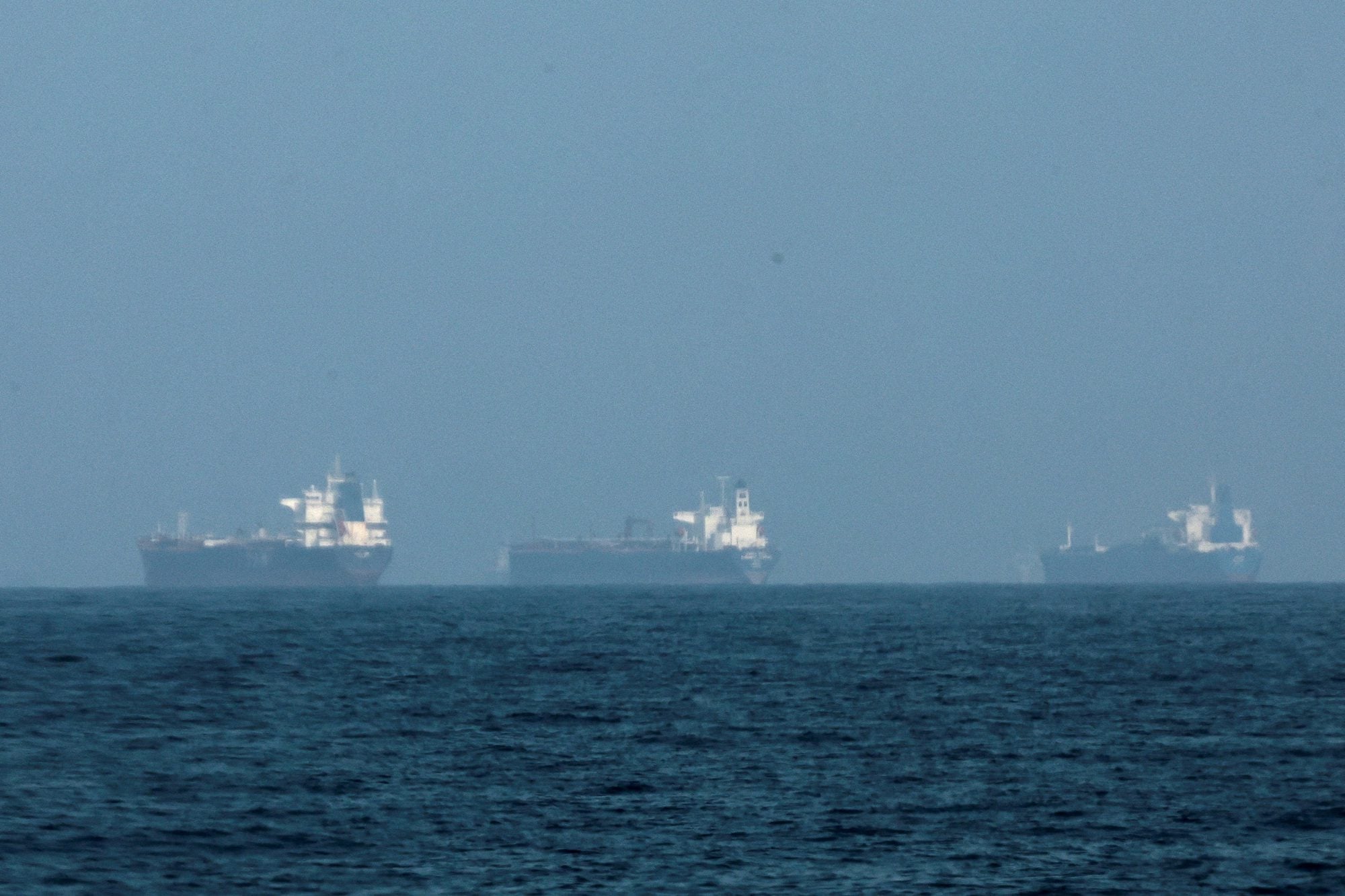
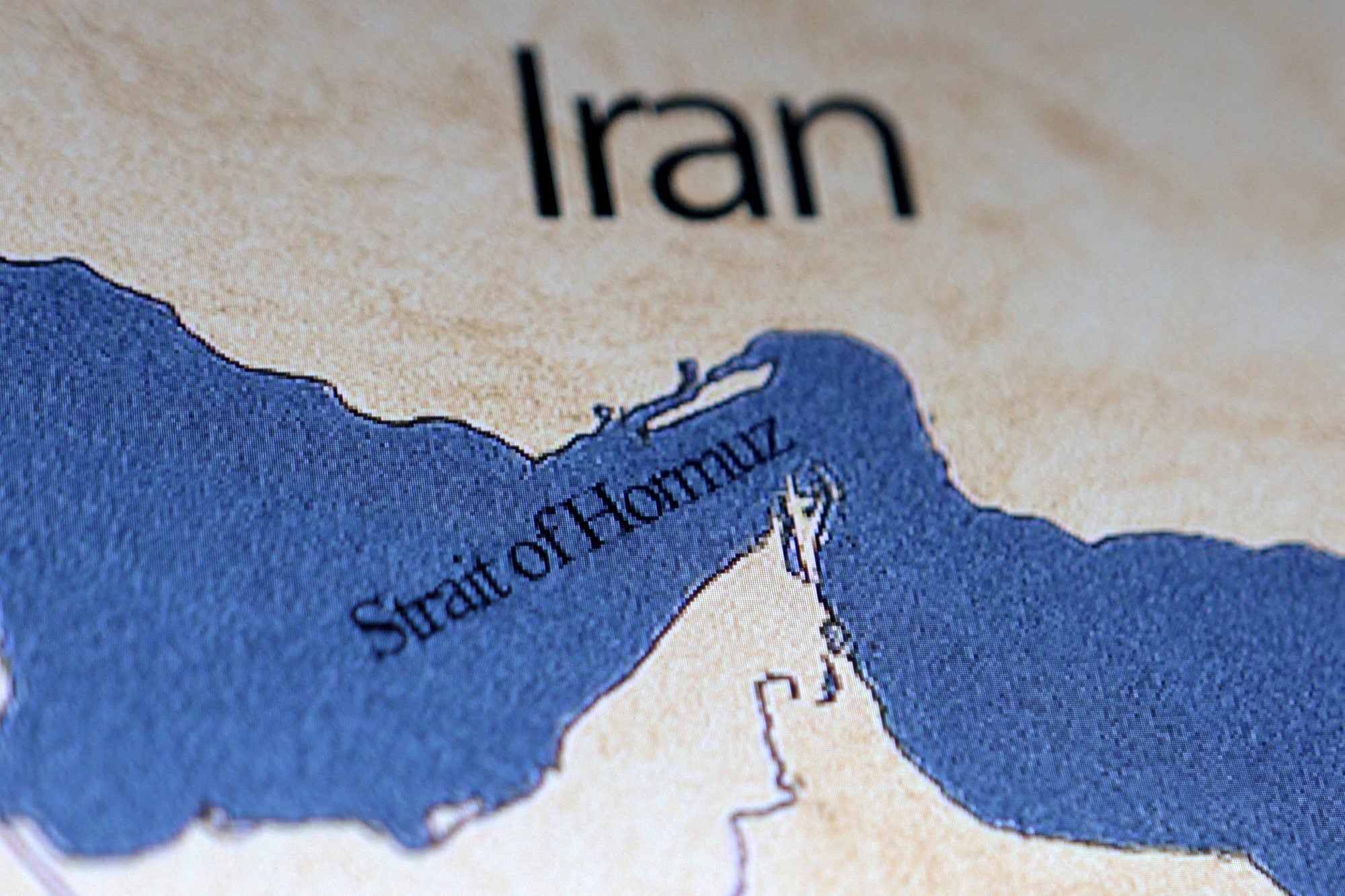
President Donald Trump urged commercial vessels to continue sailing through the Strait of Hormuz despite escalating attacks on merchant shipping, saying shipowners should not be deterred by security risks in the world’s most important...
At least four seafarers have reportedly been killed in an attack on a tug operating near the Strait of Hormuz, prompting a warning from the head of the International Maritime Organization that civilian...
The International Labour Organization (ILO), the International Chamber of Shipping (ICS), and the International Transport Workers’ Federation (ITF) marked the 20th anniversary of the Maritime Labour Convention (MLC) this week with a renewed push to strengthen...
February 23, 2026
Total Views: 617
Get The Industry’s Go-To News
Subscribe to gCaptain Daily and stay informed with the latest global maritime and offshore news
— just like 107,411 professionals
Secure Your Spot
on the gCaptain Crew
Stay informed with the latest maritime and offshore news, delivered daily straight to your inbox
— trusted by our 107,411 members
Your Gateway to the Maritime World!
Essential news coupled with the finest maritime content sourced from across the globe.

 Join The Club