President Donald Trump urged commercial vessels to continue sailing through the Strait of Hormuz despite escalating attacks on merchant shipping, saying shipowners should not be deterred by security risks in the world’s most important oil transit chokepoint.
“These ships should go through the Strait of Hormuz and show some guts,” Trump said in an interview with Fox News. “There’s nothing to be afraid of… they have no Navy, we sunk all their ships.”
The remarks come as the maritime industry confronts one of the most dangerous operating environments for civilian shipping in years, with missile strikes, drone attacks, and unexplained explosions reported across the Persian Gulf region since the conflict between the United States, Israel, and Iran escalated in late February.
Security data compiled by the United Kingdom Maritime Trade Operations (UKMTO) shows the scale of the deterioration. In its latest incident summary, the organization reported 13 incidents involving commercial vessels between February 28 and March 8, including 10 confirmed attacks and three reports of suspicious activity affecting ships operating in and around the Persian Gulf, the Strait of Hormuz, and the Gulf of Oman.
The attacks have transformed one of the world’s most critical maritime arteries into a volatile conflict zone.
The strait normally carries roughly 20 percent of global oil shipments and a significant share of LNG exports, making it one of the most strategically important waterways in global trade. Even short disruptions can ripple through energy markets and global supply chains.
Seafarers Caught in the Crossfire
The violence has already taken a deadly toll on civilian crews.
At least seven seafarers have been killed and several others seriously injured in attacks on commercial vessels during the crisis, according to Arsenio Dominguez. Speaking Monday at the opening of the Sub-Committee on Ship Systems and Equipment at the International Maritime Organization, Dominguez said the rising casualty toll highlights the human cost of the conflict for the maritime workforce.
“As I have said on numerous occasions, any attack on innocent seafarers or civilian shipping is unacceptable,” Dominguez told delegates. “These seafarers are simply carrying out their duties and performing an essential service to the global community, ensuring the continued flow of goods and energy.”
Dominguez reiterated that freedom of navigation is a fundamental principle of international maritime law and called on all parties to ensure that merchant vessels and their crews are protected.
The casualties include four seafarers killed when a tug assisting the damaged containership SAFEEN PRESTIGE was struck by projectiles about six nautical miles north of Oman earlier this month.
That attack followed an earlier incident in which the product tanker MKD VYOM was struck above the waterline roughly 44 nautical miles northwest of Muscat, triggering an explosion and engine-room fire that killed one crew member.
Other vessels struck in the opening wave of attacks include the tanker SKYLIGHT, whose crew members were injured when the ship was hit off Oman’s coast.
Shipping Traffic Collapses
The escalating violence has dramatically curtailed commercial traffic through the Strait of Hormuz.
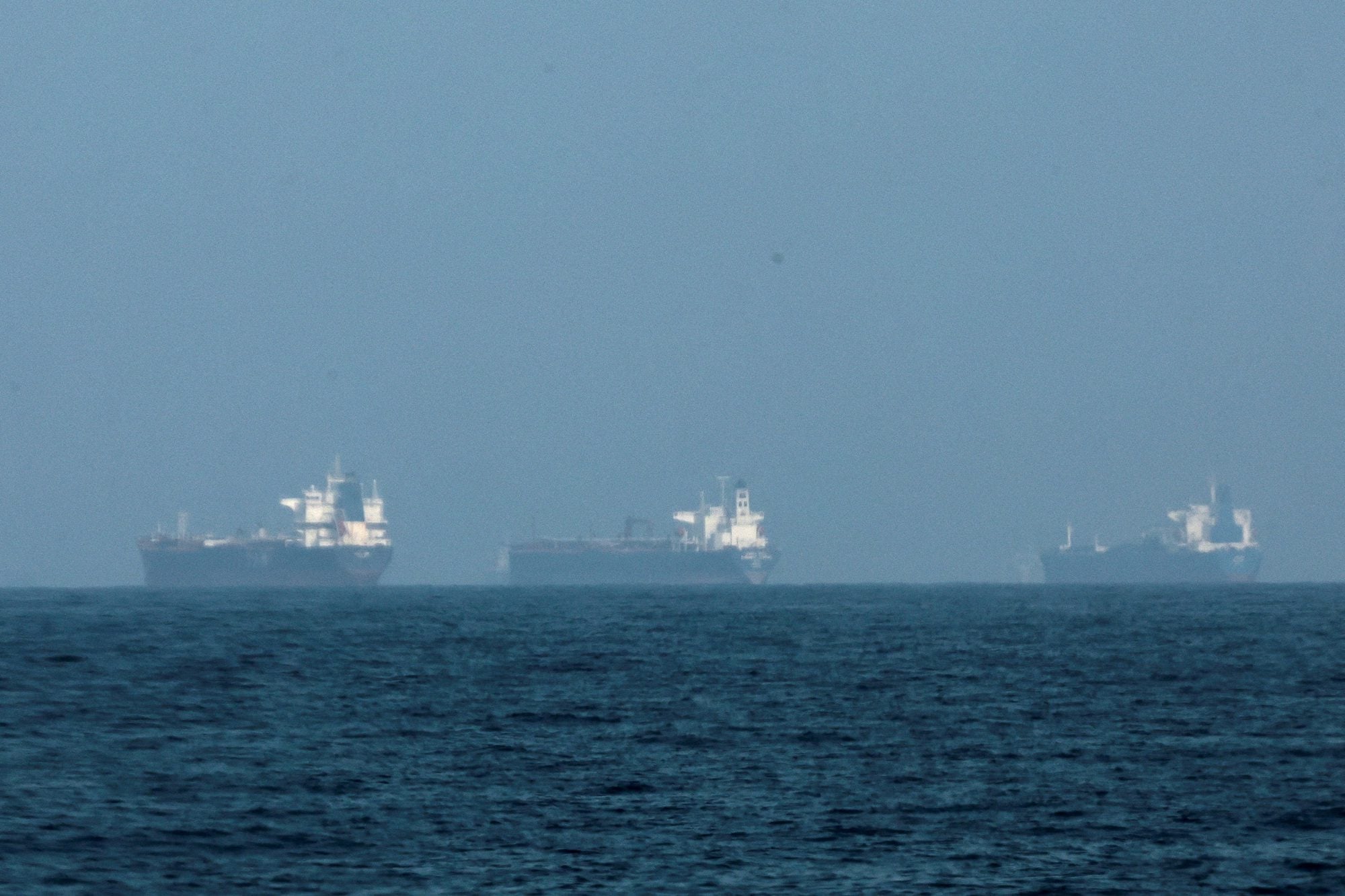
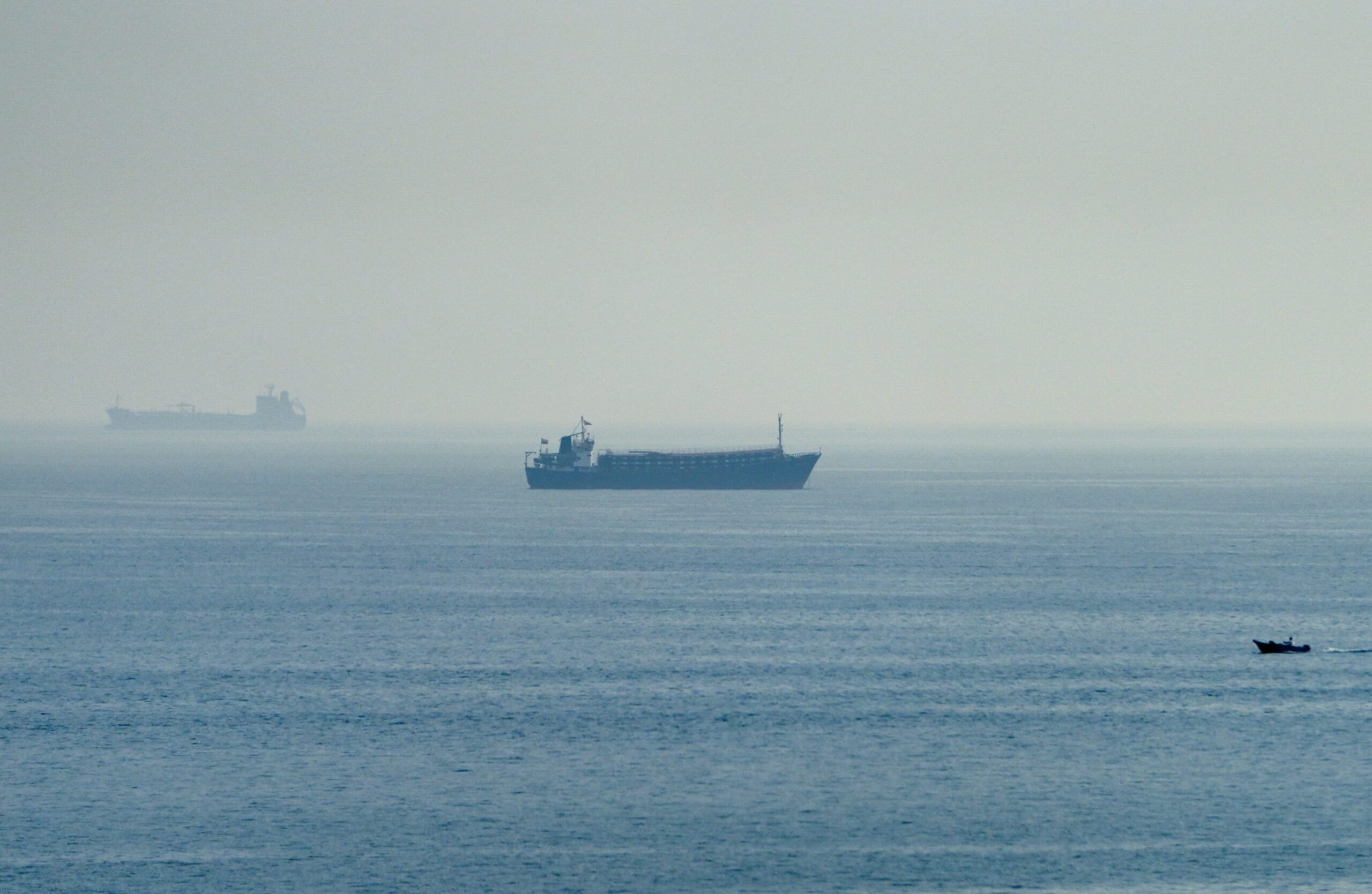
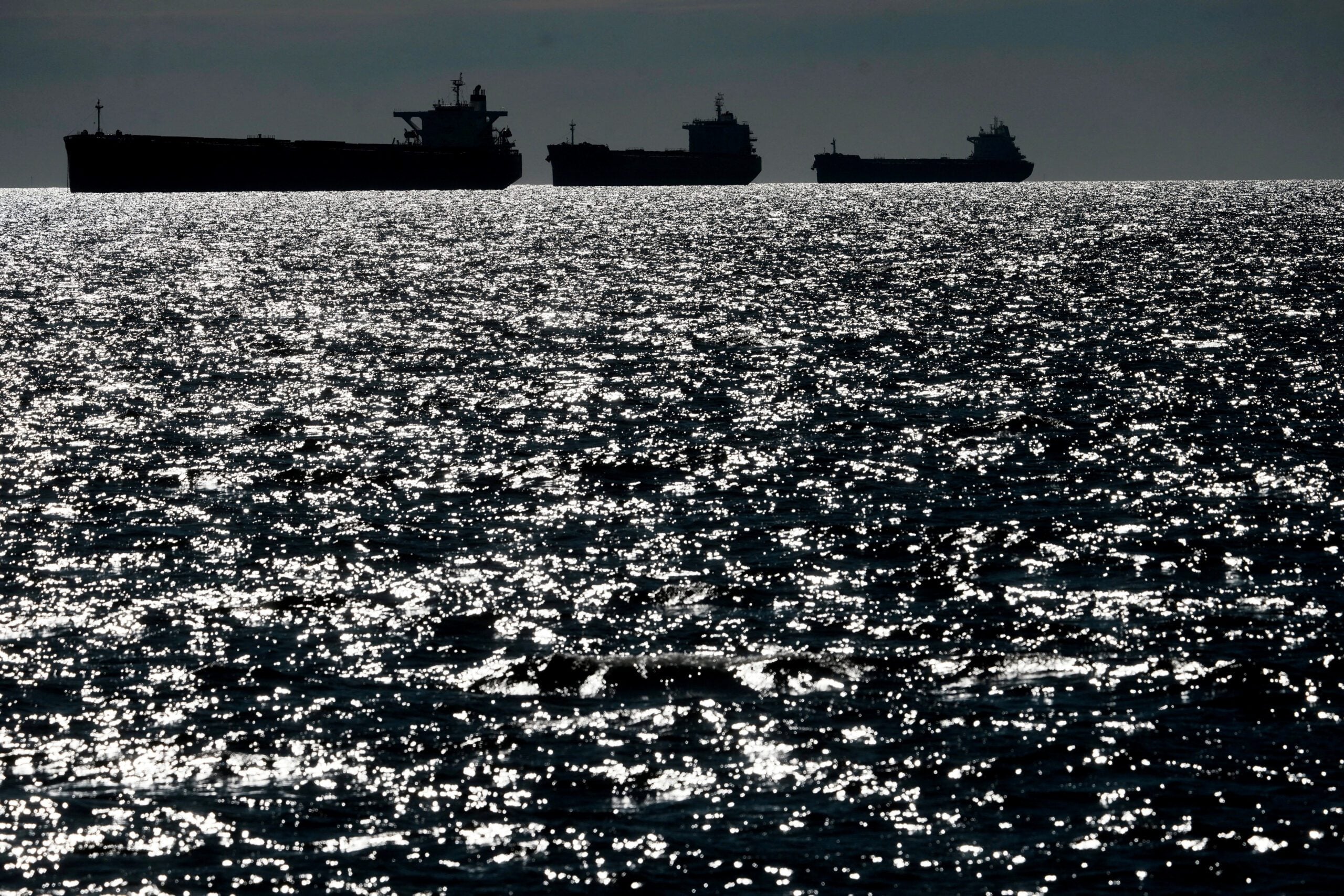
Vessel tracking data shows transits through the waterway falling sharply as shipowners pause voyages while assessing security risks. Hundreds of vessels remain anchored or waiting in Gulf waters as operators weigh whether to resume transits through the narrow chokepoint.
Industry organizations say the crisis has left thousands of mariners effectively stranded aboard ships across the region.
The International Chamber of Shipping warned that civilian crews are being placed in extreme danger while performing essential work that underpins global trade.
“I have been deeply concerned about the seafarers who are being put in extreme danger in the Strait of Hormuz and the surrounding region when they are simply trying to do their job,” ICS Chairman Emanuele Grimaldi said in a statement.
Labor groups have issued similar warnings. The International Transport Workers’ Federation said the crisis has triggered a surge of calls from seafarers seeking guidance about their rights and safety as the conflict intensifies.
War-Risk Measures Activated
In response to the deteriorating security environment, the International Bargaining Forum, a global agreement between maritime unions and shipowners, has formally designated the Strait of Hormuz, the Gulf of Oman, and the Persian Gulf as a Warlike Operations Area.
The designation activates a series of protections for crews working under IBF contracts, including 100 percent wage bonuses, enhanced death and disability compensation, and the right for seafarers to refuse assignments into the conflict zone.
Marine insurers are also reassessing risk exposure. The International Union of Marine Insurance has said war-risk coverage for voyages through the Persian Gulf remains available, but typically only on a single-voyage basis and subject to specific underwriting agreements as insurers evaluate the rapidly evolving threat environment.
Later on Monday, President Donald Trump said in a CBS News interview that the U.S. campaign against Iran is “very complete” and running “very far ahead” of his initial four-to-five-week timeline, claiming Tehran now has “no navy, no communications” and “no Air Force.” Trump also said ships are moving through the Strait of Hormuz again but added he is “thinking about taking it over.”
Naval Power and Political Signals
Trump’s remarks reflect the administration’s view that U.S. military operations have severely degraded Iran’s maritime capabilities during the opening stages of the conflict.
U.S. forces have conducted strikes against Iranian naval assets and maritime infrastructure as part of the broader campaign against Tehran, dramatically escalating tensions across the region.
While the White House has emphasized the need to maintain freedom of navigation, many shipowners remain cautious about resuming voyages through the strait.
Missile strikes, drone attacks, and sabotage incidents targeting merchant shipping have already demonstrated that commercial vessels can quickly become collateral damage in regional conflicts.
For the thousands of seafarers currently operating in Gulf waters, the crisis has turned routine voyages through one of the world’s busiest energy corridors into one of the most dangerous assignments in global shipping.
As the conflict continues to unfold, the maritime industry faces an increasingly difficult question: whether the strategic necessity of keeping global trade moving outweighs the growing risks to the crews who make it possible.

 Join The Club