The White House has confirmed that the United States will suspend for one year the implementation of responsive actions taken pursuant to the Section 301 investigation on China’s Targeting the Maritime, Logistics, and Shipbuilding Sectors for Dominance, effective November 10.
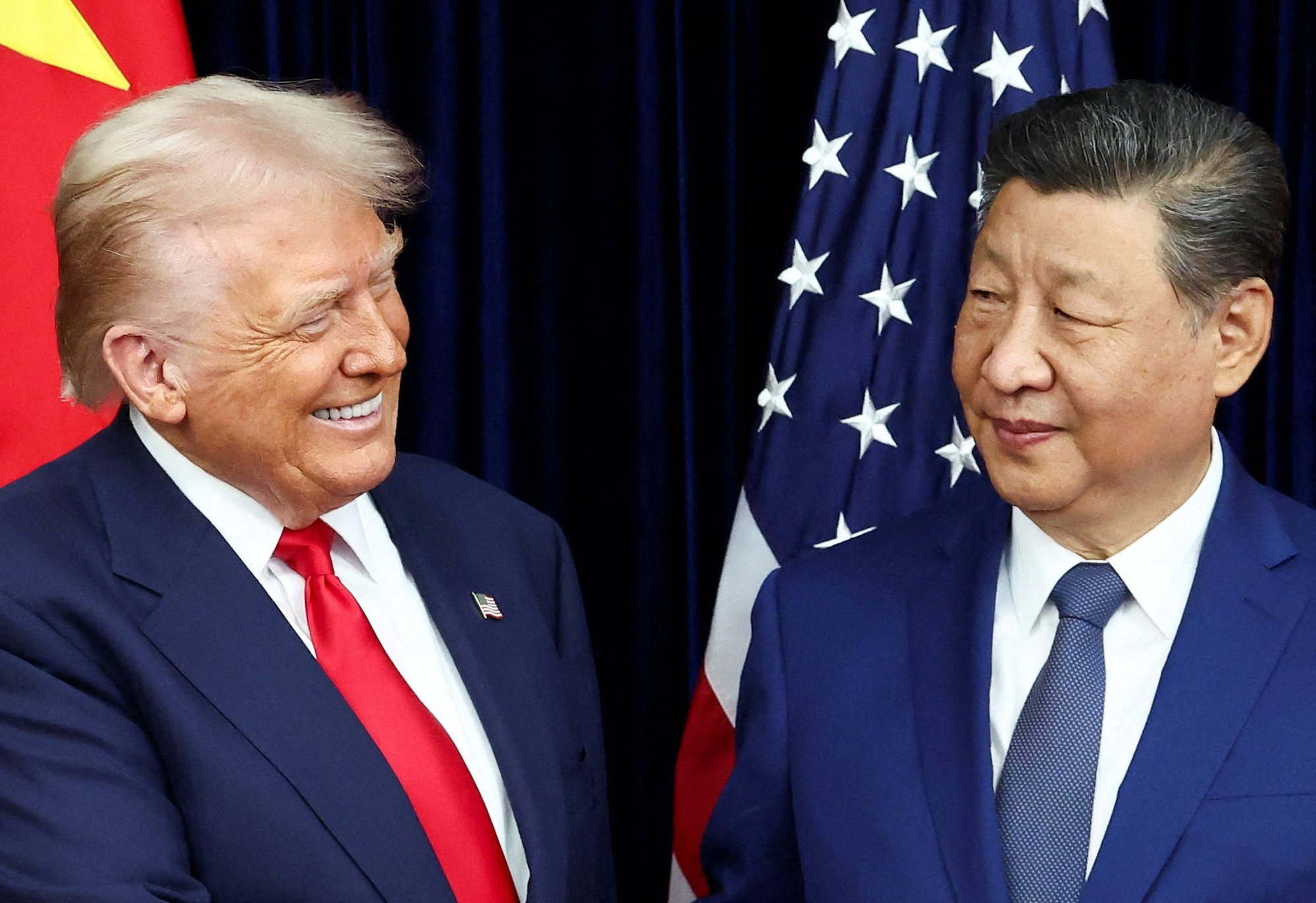
The announcement came as part of a broader trade agreement reached between President Donald Trump and Chinese President Xi Jinping last week in Korea. The deal addresses multiple trade and economic issues between the two nations, with the maritime sector suspension representing a significant deescalation in what had become a contentious dispute that has roiled global shipping markets in recent months.
“The United States will suspend for one year, starting on November 10, 2025, implementation of the responsive actions taken pursuant to the Section 301 investigation on China’s Targeting the Maritime, Logistics, and Shipbuilding Sectors for Dominance,” the White House stated in its fact sheet. “In the meantime, the United States will negotiate with China pursuant to Section 301 while continuing its historic cooperation with the Republic of Korea and Japan on revitalizing American shipbuilding”.
In reciprocal action, China committed to removing measures it took in retaliation for the U.S.’s actions related to the Section 301 investigation and removing sanctions imposed on various shipping entities, presumably referring to China sanctions on units of Korean shipbuilder Hanwha.
The port fees originated from a Section 301 petition filed in March 2024 by the United Steelworkers and a coalition of labor organizations, which accused China of using non-market industrial policies and massive state subsidies to dominate global shipbuilding. On January 17, 2025, the Office of the U.S. Trade Representative determined that China’s shipbuilding and maritime industrial policies constitute “unreasonable” practices under U.S. trade law.
“Today, the U.S. ranks 19th in the world in commercial shipbuilding, constructing fewer than five ships annually, while China builds more than 1,700 ships each year,” said Katherine Tai, former U.S. Trade Representative under President Biden. “Beijing’s targeted dominance of these sectors undermines fair, market-oriented competition and poses the greatest barrier to revitalizing U.S. industries.”
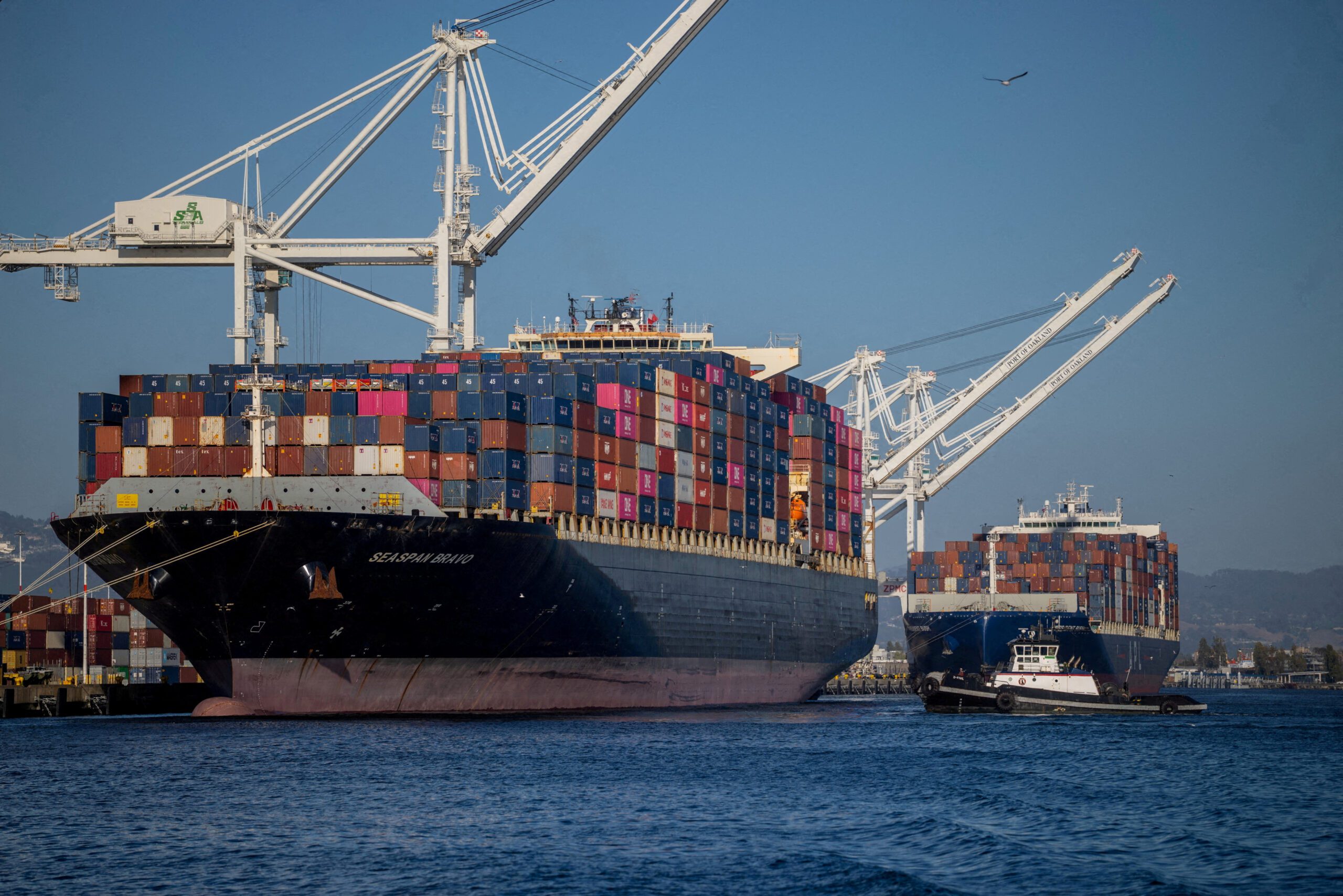
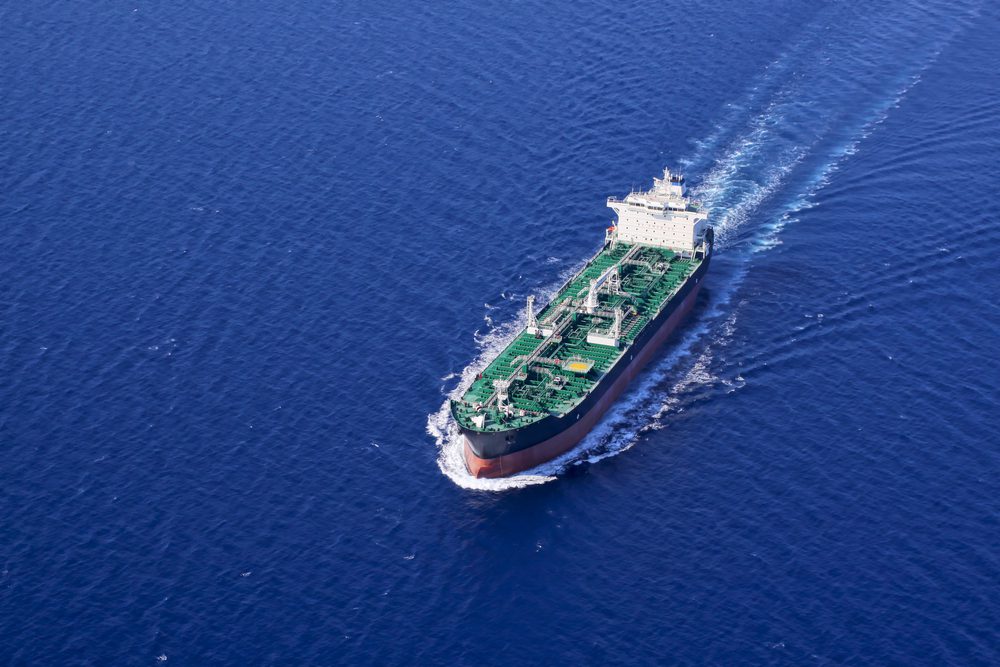
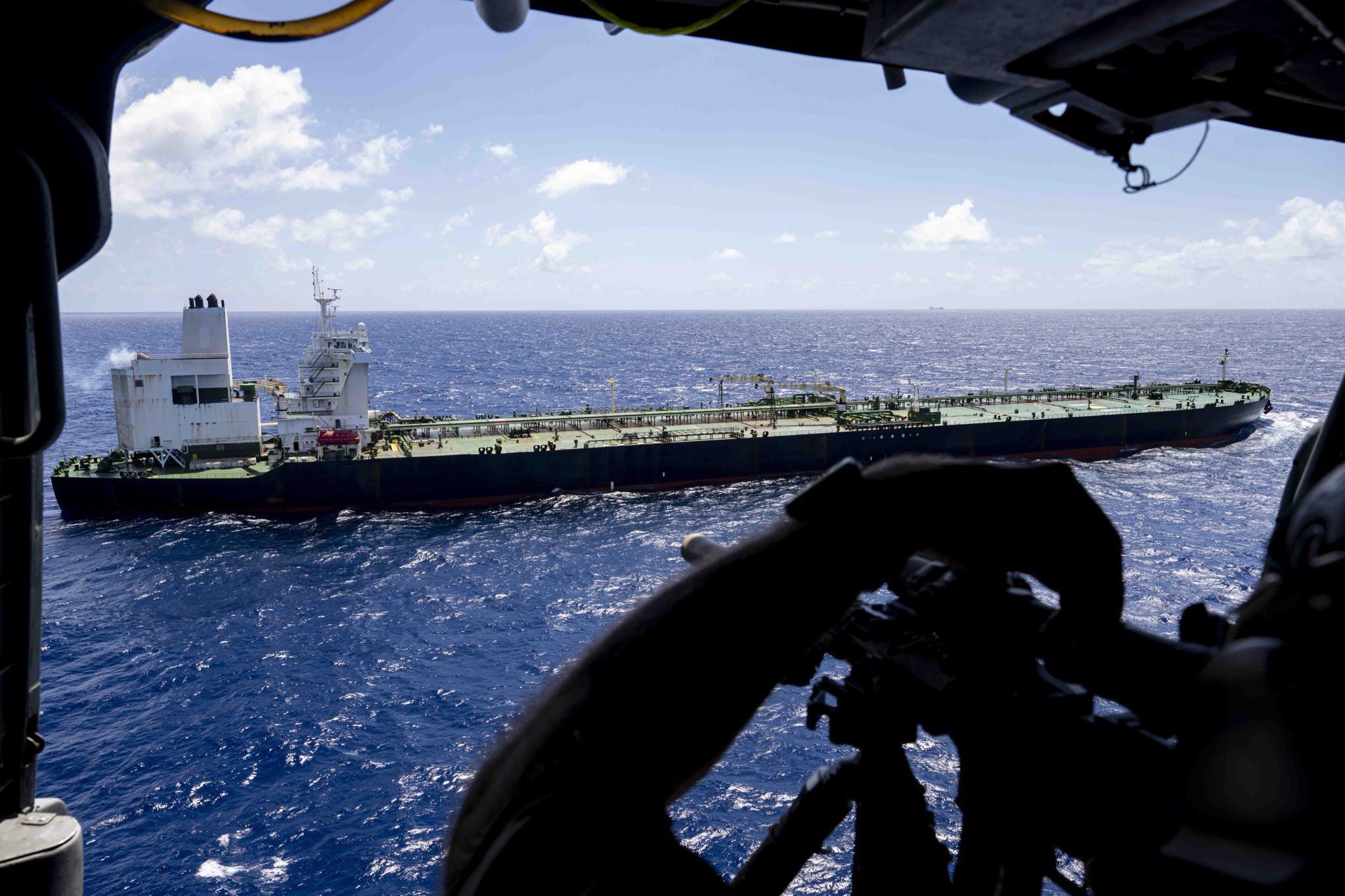
Washington began charging special fees on China-linked vessels calling at American ports on October 14, amid the wider probe. Under the suspension, China has also agreed to suspend its reciprocal countermeasures against the U.S. for one year.
The White House Fact Sheet indicates that the suspension applies to all responsive actions related to the Section 301 investigation, such as provisions for new tariffs on Chinese-made ship-to-shore cranes and cargo-handling equipment, fees on foreign-built vehicle carriers, and requirements tied to LNG shipping and U.S.-built vessel incentives.
Industry Reaction
The suspension has left questions about the future of U.S. shipbuilding policy. Roy Houseman, legislative Director for the United Steelworkers, noted that the “truce” leaves “a lot of unanswered questions on how the U.S. will address the need to reinvigorate its domestic commercial shipbuilding base”.
Houseman pointed out that “53% of all global ship orders by tonnage during the first eight months of 2025 are currently going to just one country, the People’s Republic of China. This level of market concentration is not healthy for an industry which has such a dramatic impact on global trade and shipbuilding unions will continue to press for policies which re-invigorate U.S. based commercial shipbuilding.”
Shipping industry groups welcomed the suspension. The International Chamber of Shipping called the suspension a “welcome and positive development.” The ICS’ statement noted that while it supports the ambition to increase U.S. shipbuilding capacity, “the port fees imposed by the USTR, and subsequently by China as countermeasures to U.S. linked ships, has already posed significant challenges and disruptions for the shipping industry and global trade.”
World Shipping Council President and CEO Joe Kramek commented: “Global trade flows best when it flows freely, and a suspension of ship fees by the United States and China is a win for farmers, exporters, and consumers. Avoiding additional costs helps keep trade competitive and maintains access to critical shipping lanes.”
However, there are still many questions that remain unanswered. “The fact sheet from the Administration clarifies when the suspension of fees will commence, but the formal regulatory language will govern the scope of that suspension, so the devil will still be in the details,” said Brian Maloney, partner in Seward & Kissel’s Maritime & Transportation Group. “There is also an active public comment period in the USTR’s Section 301 investigation, which concludes on November 10, so I would expect formal regulatory action to follow on from the White House fact sheet by on or about that time.”

 Join The Club