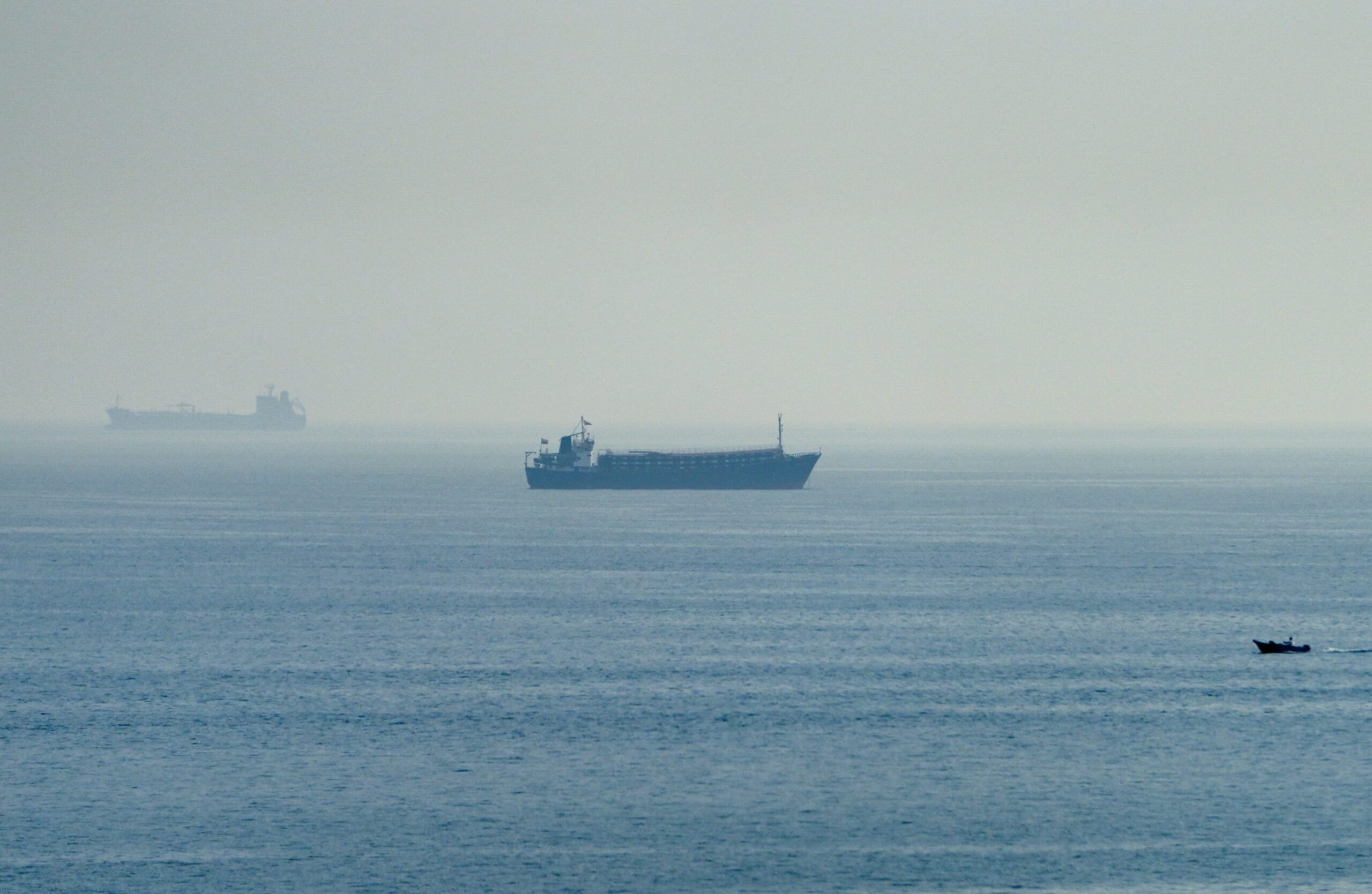
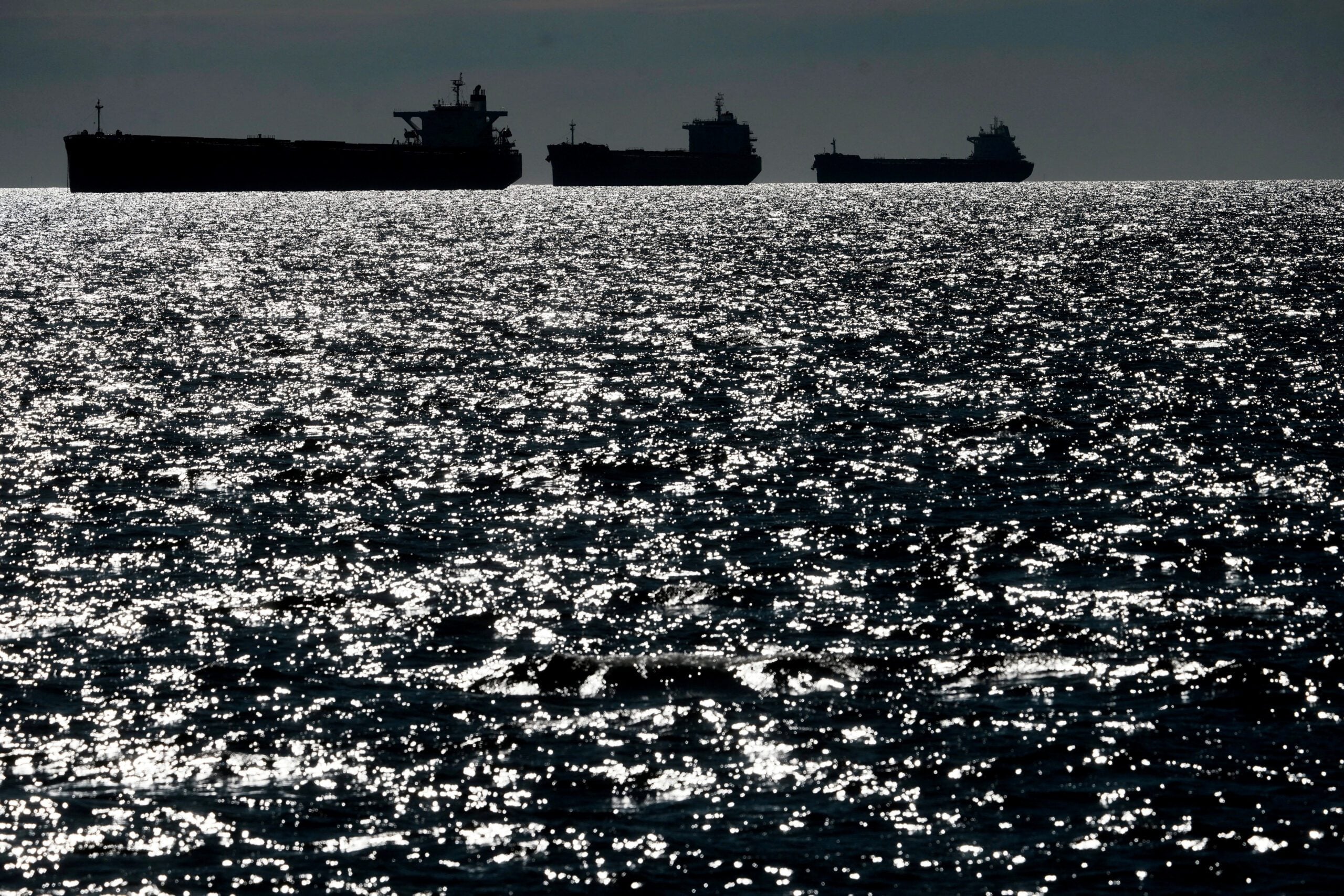
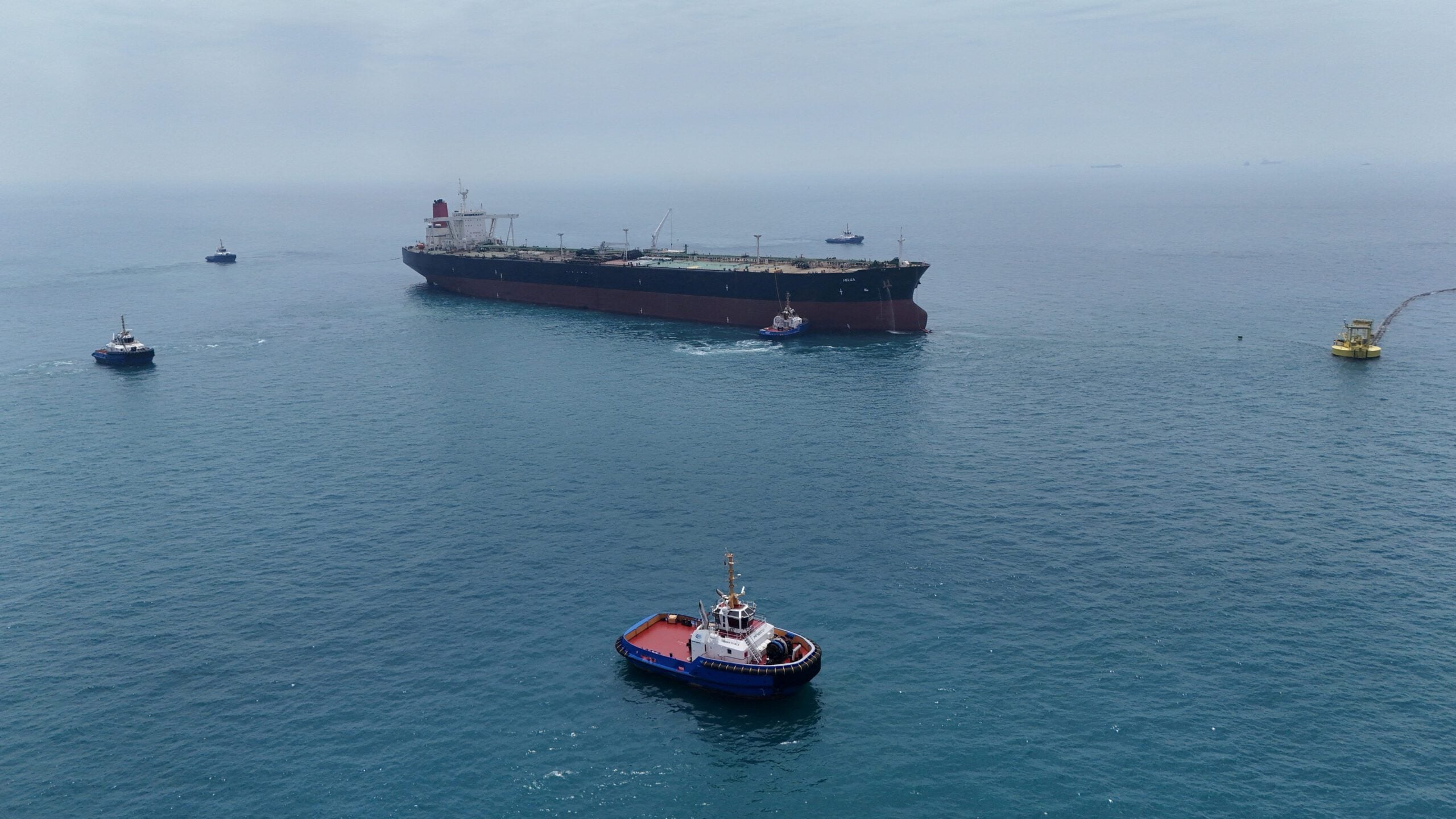
The United States has launched a major naval-backed operation in the Strait of Hormuz aimed at guiding stranded commercial vessels out of the conflict zone, with the first U.S.-flagged ships already completing guided transits, even as fresh attacks and industry warnings underscore the risk of renewed attacks.
President Donald Trump announced the initiative, dubbed Project Freedom, on Sunday, framing it as a humanitarian mission to assist “neutral and innocent” ships trapped in the strait amid months of escalating conflict.
“Countries from all over the world… have asked the United States if we could help free up their ships,” Trump said, adding that many vessels are running low on food and essential supplies.
The Ship movement is merely meant to free up people, companies, and Countries that have done absolutely nothing wrong,” Trump wrote on Truth Social.
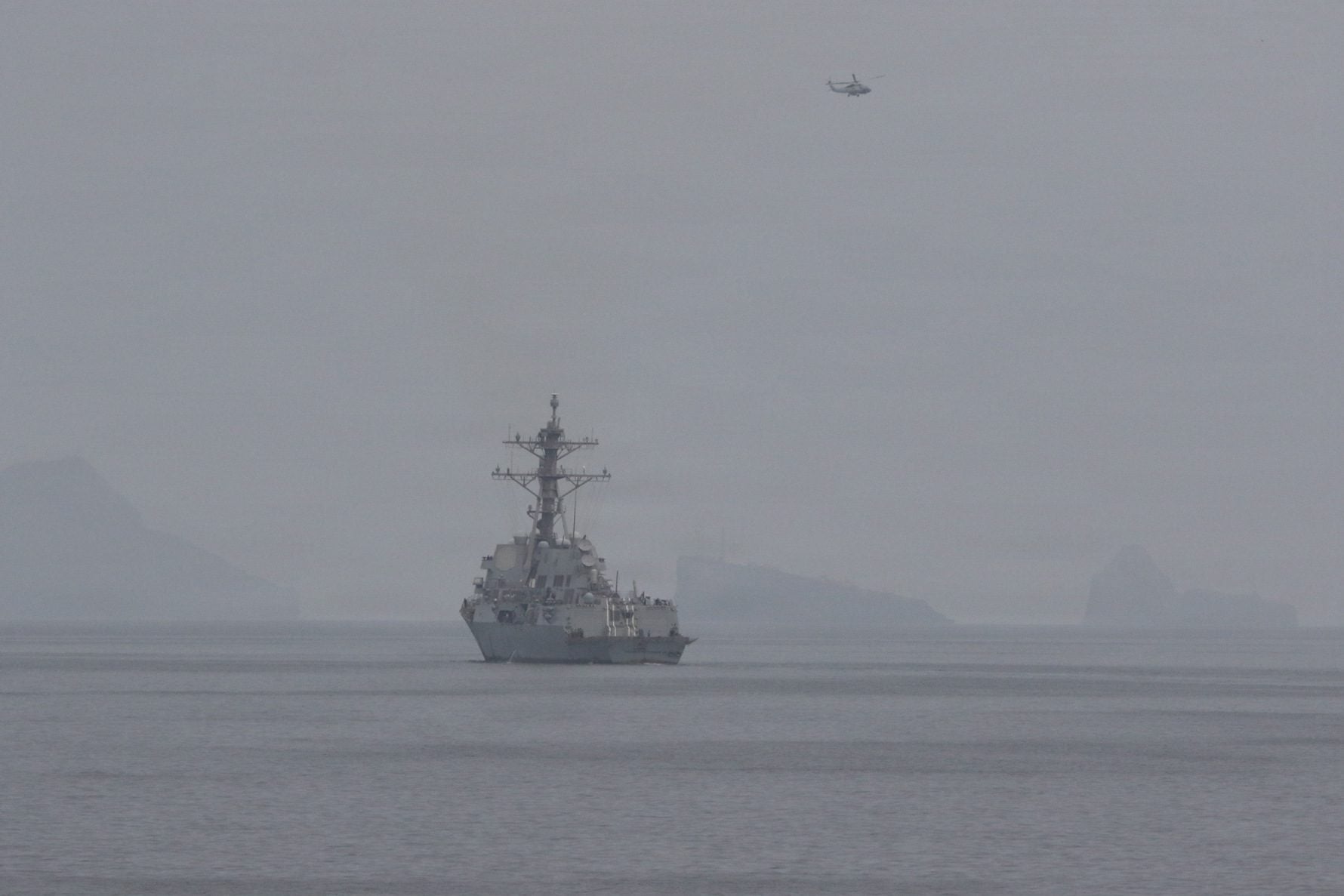
U.S. Central Command (CENTCOM) confirmed it will support Project Freedom with significant forces, including guided-missile destroyers, more than 100 aircraft, unmanned systems, and roughly 15,000 service members.
First Transits Completed Under Project Freedom
On Monday, CENTCOM said U.S. Navy destroyers are now operating inside the Arabian Gulf after transiting the Strait of Hormuz in support of the operation.
According to the command, two U.S.-flagged merchant vessels have already successfully transited the strait and are safely continuing their voyages. American forces are “actively assisting efforts to restore transit for commercial shipping.”
The initial movements appear to prioritize U.S.-flagged vessels, reflecting weeks of mounting concern in Washington over American crews stranded inside the Persian Gulf.
South Korean Ship Incident Adds Uncertainty
The latest developments come as a South Korean-operated cargo ship reported an explosion and fire while transiting the Strait, underscoring the continued risks facing commercial shipping.
South Korea’s government said it was investigating whether the incident, reported aboard the Panama-flagged vessel HMM Namu, was the result of an attack. No casualties were reported, and the cause of the engine room fire remains unconfirmed.
The incident is likely to reinforce industry concerns that conditions in the Strait remain too dangerous for a broader return of commercial traffic.
In a new post Monday, Trump said Iran had “taken some shots” at vessels involved in the operation, including a South Korean cargo ship, and claimed U.S. forces had already destroyed several Iranian “fast boats.”
He added that, aside from the South Korean vessel, there had been “no damage going through the Strait” and suggested allies such as South Korea should join the mission.
A Corridor—Not a Reopening
Despite the show of force, Project Freedom does not represent a reopening of the Strait of Hormuz to normal commercial traffic.
The successful transits suggest the operation may be focused initially on extracting stranded U.S.-linked vessels and crews before attempting wider movements.
New guidance from the Joint Maritime Information Center (JMIC) indicates the U.S. is already shaping a controlled transit concept, including routing vessels through Omani waters south of the Traffic Separation Scheme while avoiding main shipping lanes now described as “extremely hazardous” due to unresolved mine risks.
Mariners are being urged to maintain heightened vigilance, monitor communications channels, and report suspicious activity.
Iran Draws a Red Line
Tehran has warned that all vessels transiting the Strait must coordinate with its armed forces, raising the risk that U.S.-escorted movements could trigger confrontation.
Iranian officials have said any foreign military presence in the Strait without coordination would be treated as a violation, while Trump has warned that interference with the U.S. mission would be met “forcefully.”
The tension is already visible. Iranian officials said they fired warning shots at a U.S. warship approaching the Strait, while Washington denied any damage and said its forces remain fully operational.
The security backdrop remains unstable, with multiple incidents reported in the lead-up to the operation.
UK Maritime Trade Operations (UKMTO) said a tanker was struck by unknown projectiles north of Fujairah, while a bulk carrier reported being approached by multiple small craft near the Iranian coast.
Suspicious VHF broadcasts have also been reported, with vessels receiving unclear instructions to alter course.
Industry Still Holding Back
For now, shipping companies are not treating Project Freedom as a turning point.
BIMCO says the plan raises critical unanswered questions, particularly whether Iran will tolerate transits conducted under U.S. protection alone.
“Without consent from Iran… it is not clear whether the Iranian threat to ships can be degraded or suppressed,” said Jakob Larsen, warning the operation could trigger renewed hostilities if miscalculated.
Beyond the two vessels reported freed by the Trump Administration, there is little sign the world’s most important shipping corridor is reopening. Shipping executives say a full return to the Strait will require more than naval presence, pointing instead to the need for mine clearance, security guarantees, and a broader de-escalation of tensions.

 Join The Club