By Alex Longley and Jack Farchy
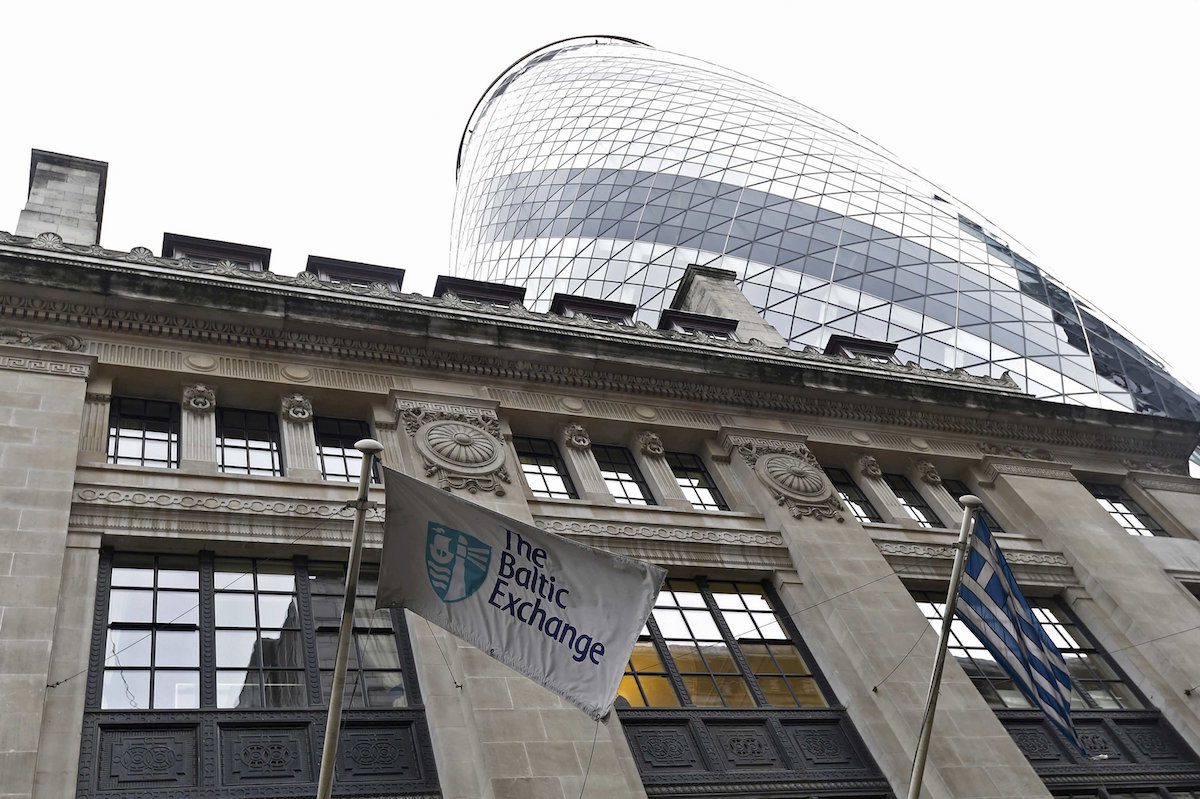
Oct 30, 2026 (Bloomberg) –The Baltic Exchange has received two whistleblowing claims of attempted manipulation of the world’s benchmark tanker rate since the beginning of the war in Iran, according to documents made public as part of a major legal battle with trading house Mercuria Energy Group.
The manipulation allegations are likely to heap further scrutiny on the rate, known as TD3C, which is the world’s most important benchmark for the cost of chartering oil tankers and on which billions of dollars of derivatives and other contracts depend.
In the legal case, hearings for which began in London this week, Mercuria is arguing that the Baltic should have suspended the TD3C rate from Saudi Arabia to China after the war in Iran broke out this year. So far, while Mercuria has argued that the TD3C index was not representative of reality, it hasn’t made any suggestion that it was being manipulated.
One of the claims of alleged manipulation was against Mercuria itself, alongside another company that was not identified. The Baltic’s investigation of that claim did not establish that the benchmark had been manipulated, according to the Baltic’s written opening arguments and a witness statement from its head of compliance. A second claim of manipulation, against another unnamed company, is still under investigation, the Baltic’s filings showed.
Mercuria’s lawyers said in written opening arguments that it “strongly and categorically rejects any allegation of wrongdoing.” They argued that the allegations were “irrelevant” to the trial.
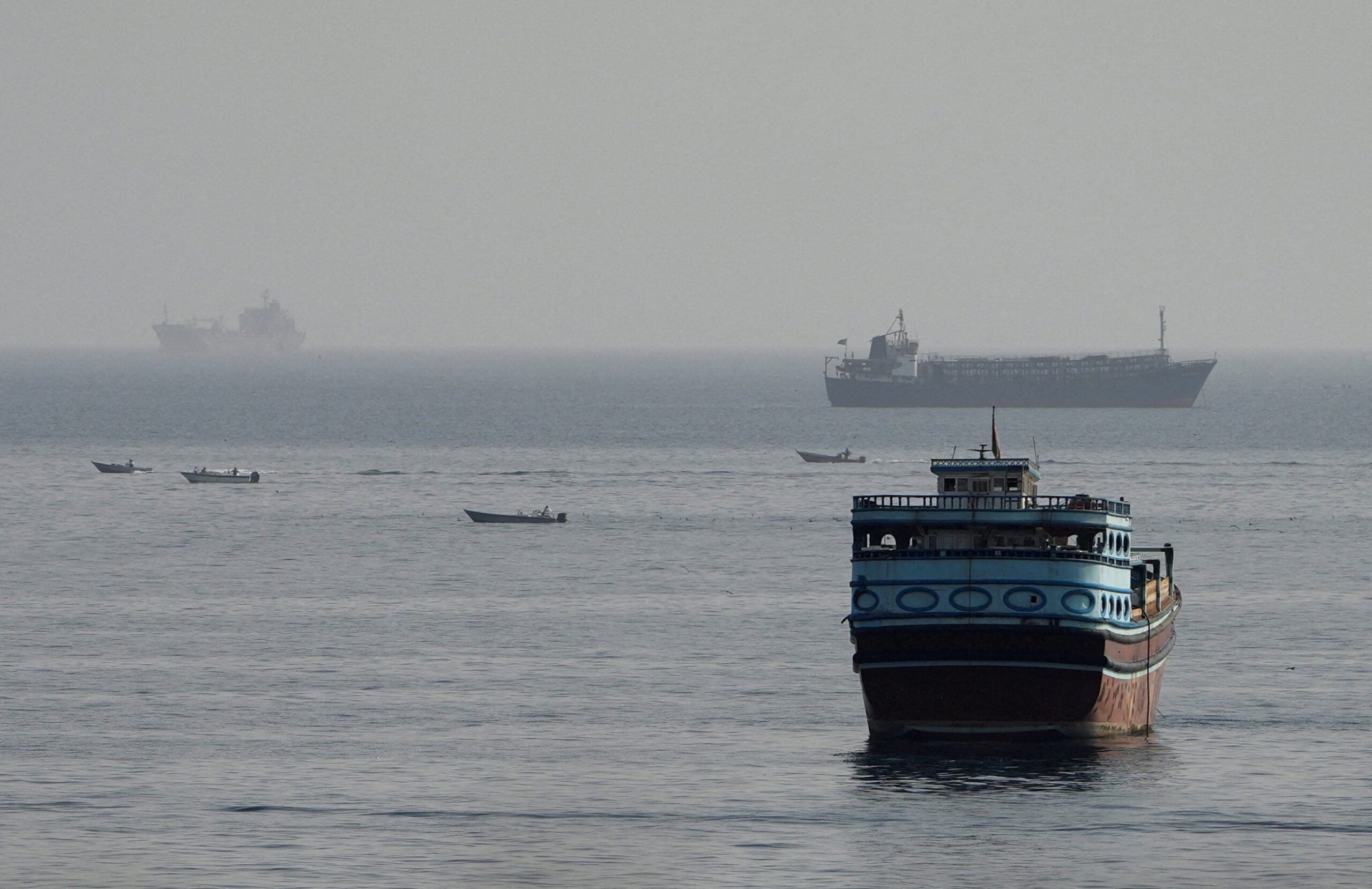
The prices published by the Baltic Exchange are set by assessments received from panels of shipbrokers, who sign up to a code of conduct based on the motto “our word our bond.” However, since the Iran war it has become significantly harder to establish the reality of which ships are being hired to transport oil through the Strait of Hormuz and at what price. The number of shipments plummeted in the months following the outbreak of the war, and those that did take place were mostly shrouded in secrecy.
Brokers have been left parsing extremely limited information to assess the benchmark rate. Bloomberg has reported that, in recent months, WhatsApp messages sent by shipping tycoon Ga-Hyun Chung’s Sinokor Group have become one of the main drivers of the price.
Middle East to China tanker earnings have surged from $218,000 a day before the war to $1.35 million on Thursday.
Read: The Tanker Tycoon’s WhatsApps Driving a Disputed Oil Benchmark
Going in to the war, Mercuria had large short positions in derivatives linked to TD3C, according to its filings in the case, which it used to hedge the earnings of its fleet of tankers. It accounted for between a quarter and a half of the open interest in TD3C derivatives, according to a witness statement from one of its freight traders.
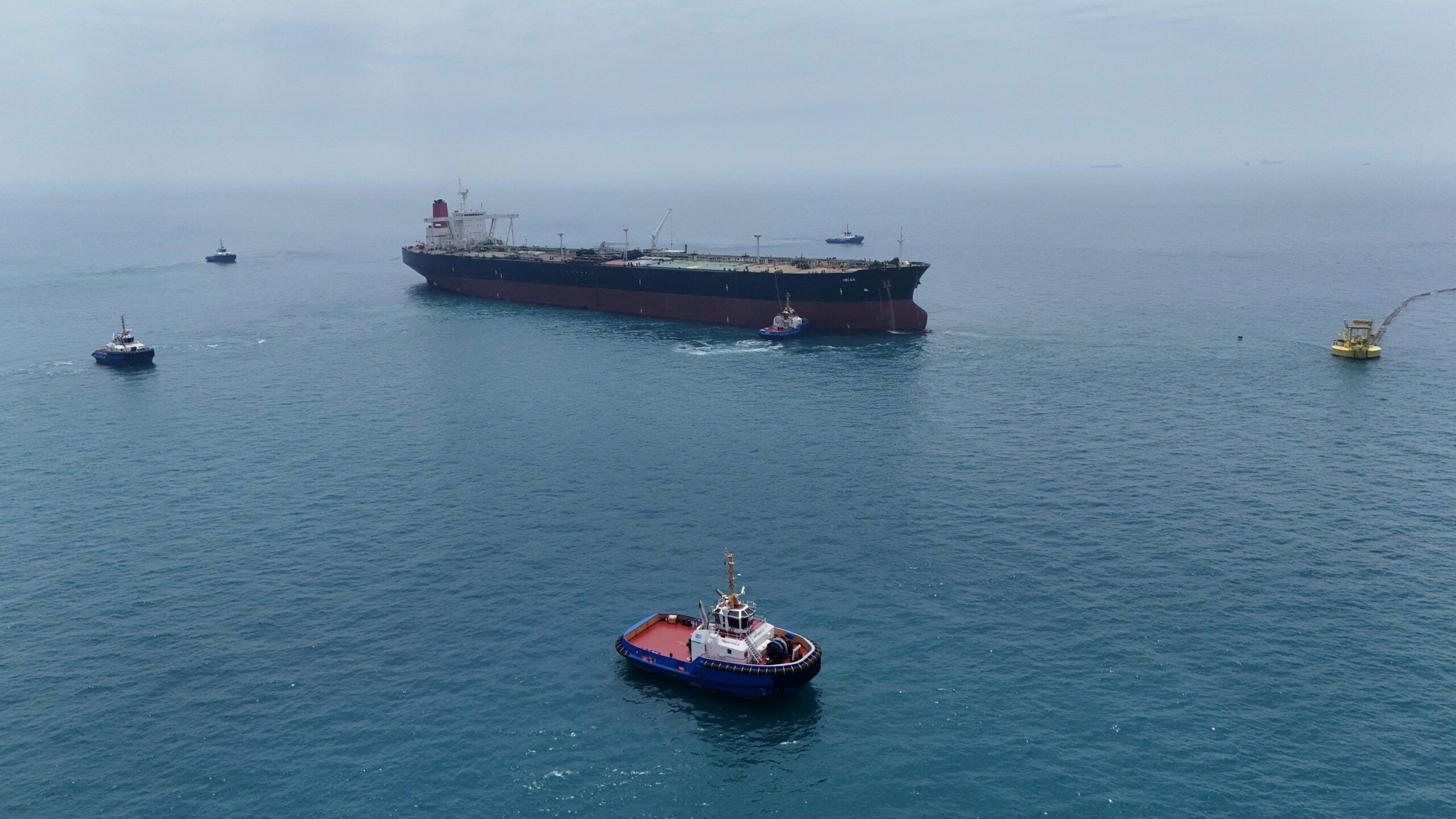
After the US and Israel attacked Iran on Feb. 28 and the transit of ships through the Strait of Hormuz became nearly impossible, Mercuria suffered because the price of TD3C soared, resulting in losses on its derivatives positions, while its tankers weren’t able to transit Hormuz and take advantage of soaring rates.
The complaint alleging manipulation by Mercuria was sent to the Baltic by a whistleblower by email on April 24, according to the witness statement of the group’s head of compliance, Abisade Aluko.
It concerned a reported agreement involving Mercuria that was circulated to brokers on March 17, for the charter of a tanker at 350 industry-standard Worldscale points, well below the published TD3C rate at the time, according to Aluko.
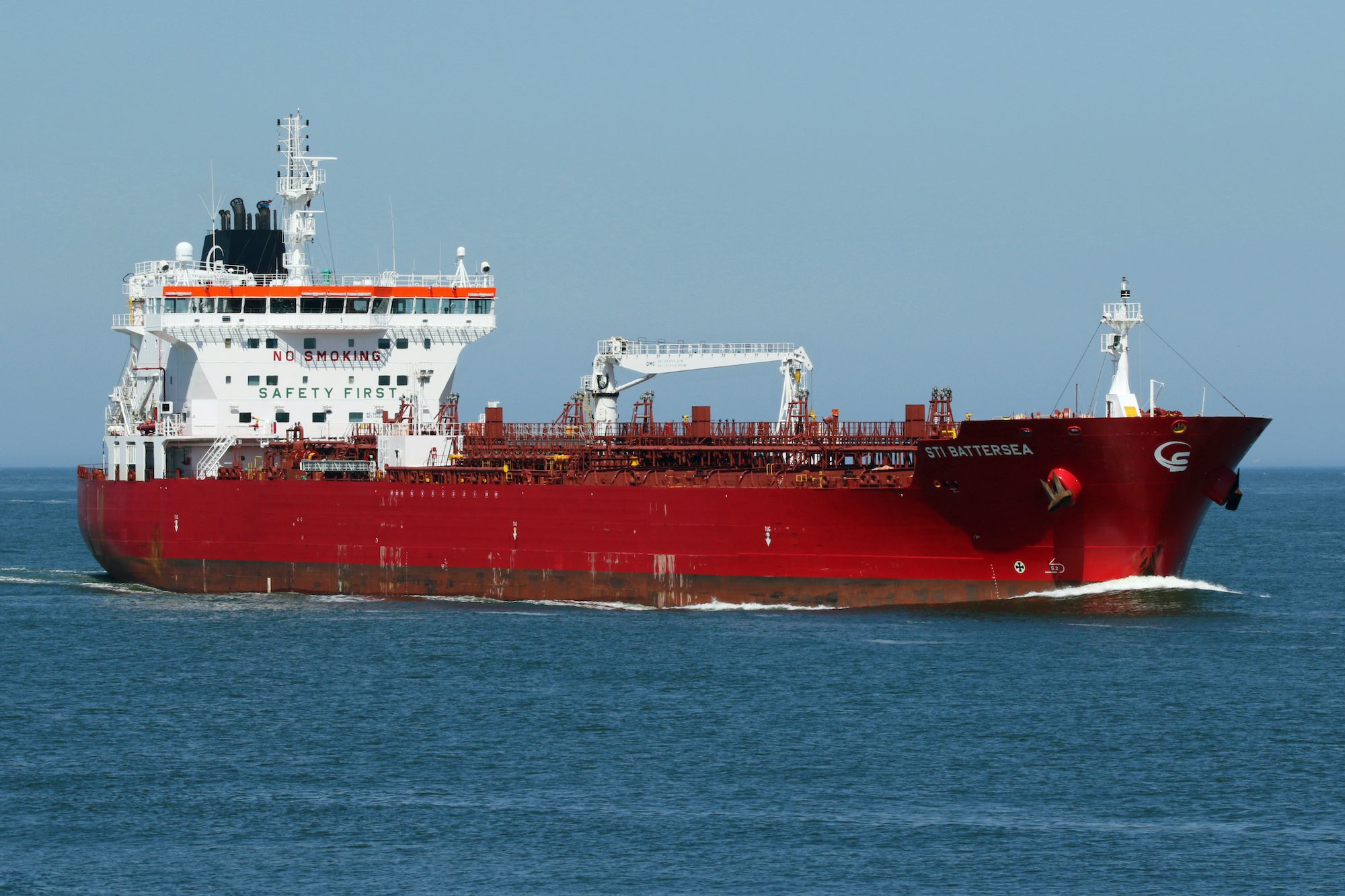
A separate witness statement from Mercuria freight trader Renaud Hauspy showed that the vessel, the Yasa Southern Cross, was hired from Mercuria by TotalEnergies SE, though he didn’t specify the rate.
The Baltic’s freight assessor on that day said the agreement “feels a bit ‘strange’” as it was privately negotiated and both companies involved had significant derivatives positions, according to the Baltic’s lawyers. Two of the Baltic’s assessors later told Aluko that they felt Mercuria and another unnamed company “were trying to manipulate the market,” according to Aluko’s witness statement.
A representative from Total declined to comment.
Hauspy offered a possible explanation of the relatively low rate, saying that the agreement contained an option for the ship to load either inside the Persian Gulf at the port of Ras Tanura or outside it at Fujairah, depending on the security situation. Ultimately it had loaded at Fujairah, he said.
Hauspy said that from the middle of March he began trying to hire out some of Mercuria’s vessels for journeys beginning inside the Persian Gulf, but that doing so was “impossible.”
He said that by the middle of April, the company was making almost daily unsolicited offers to each of its shipbroker contacts for vessels to load in the Persian Gulf and progressively lowered the rate for those ships over time in a bid to secure a booking. The rates, which ranged from 400 Worldscale points in mid-April to 300 Worldscale points by mid-June, were substantially below the Baltic’s published rates at the time of between 391 and 480 Worldscale points.
In court, James McClelland, a lawyer for the Baltic, argued that the string of April offers began just days before the company filed its claim against the pricing agency and that a lower rate would benefit positions Mercuria had that were tied to the world’s main tanker index.
He added that the company knew its ships wouldn’t be able to enter the Persian Gulf, as the owners wouldn’t give permission to enter Hormuz.
Hauspy said that the reasoning behind the company making the offers was purely commercial and that there was a very strong commercial incentive to hire out ships inside the Persian Gulf where possible as a result of the surge in tanker rates.
(Updates with tanker rates in eighth paragraph.)
© 2026 Bloomberg L.P.

 Join The Club