By Omar Tamo, Eltaf Najafizada and Fiona MacDonald
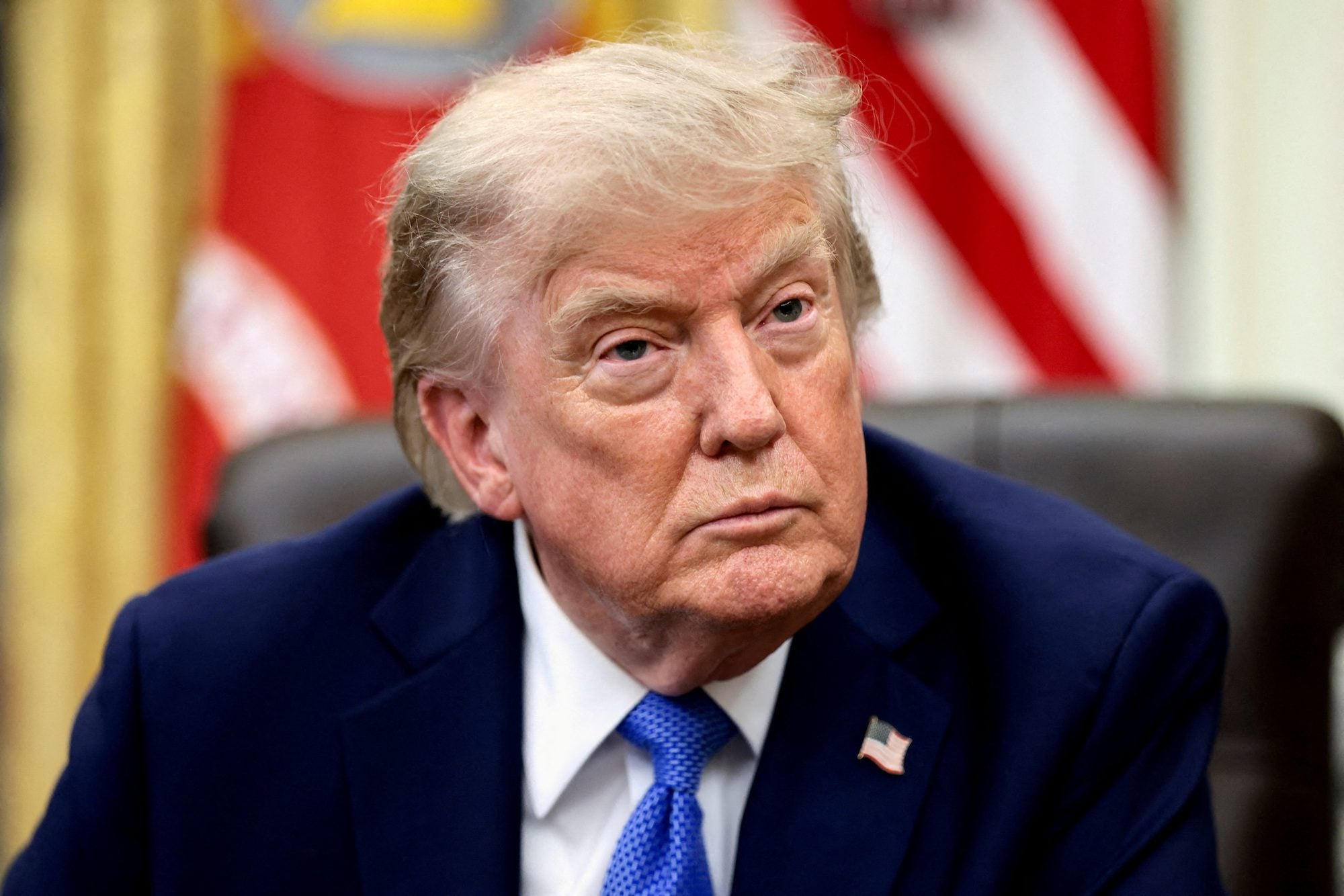
(Bloomberg) — US President Donald Trump said he has no immediate plans to launch strikes on Iran following midterm elections in which the Democrats took control of Congress in a landslide win over his Republican party.
Still, the next few weeks will be key, with Trump either being chastened by the election results — which laid bare the strong anti-Iran war sentiment among Americans — or thinking he needs to act before the new Congress members take office in early January.
“We seem to be getting everything we want,” Trump said in an interview with the Financial Times about the conflict, though he added the US is still prepared for an escalation with the Islamic Republic if necessary. “I’m ready, we’re ready. We’re locked and loaded if we need to go, but there may be no reason for it.”
Later, Trump said the war — now into its ninth month — wasn’t a primary reason for the Republicans being routed, despite Americans balking at the resulting surge in energy prices.
“People understood the importance of what I’ve done with Iran,” Trump said in an interview with Fox News. “You can’t let the number one state sponsor of terror have a nuclear weapon. It’s the most dangerous country in the world, and we wiped them out practically. Haven’t finished a job, and maybe I will, and maybe I won’t.”
Mohammad Bagher Ghalibaf, Iran’s parliament speaker and a senior negotiator with the US, said the midterms showed Americans have voted “NO TO WAR.”
He warned the US of a “nightmare” if it does opt to restart mass attacks on Iran.
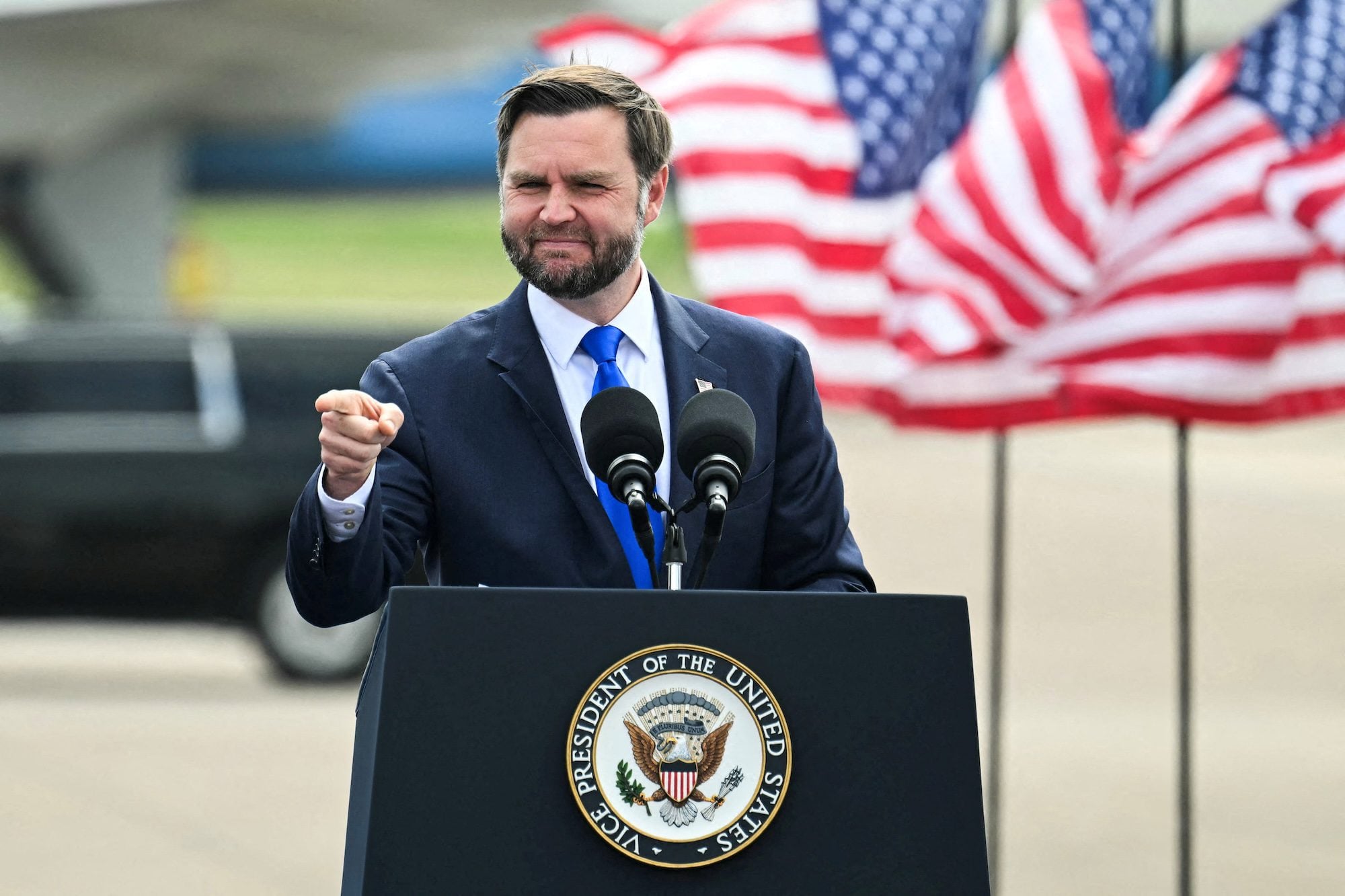
While Trump and officials such as Vice President JD Vance have sounded slightly more dovish about Iran this week, sending oil prices lower, tensions between the warring sides are still high. Tehran has said it’s prepared for strikes to start at any moment and that it will retaliate fiercely.
“The midterms just delivered a clear political signal against the war, but the next several weeks carry a high risk of military escalation before the new Congress is sworn in,” said Hamad Althunayyan, a political scientist at Kuwait University and research fellow at Harvard. “After January, blame-shifting between the president and Congress on the Iran war is the most predictable outcome.”
Gulf Arab states are nervous and appealing to Trump to give diplomacy more time. American allies such as the United Arab Emirates, Qatar and Saudi Arabia were attacked thousands of times by Iranian drones and missiles during the most intense phase of the war between late February and a truce in early April.Play Video
Talks between Iran and the US, mediated by Qatar and Pakistan, have made little progress in recent weeks. Still, Qatari officials expect feedback from both sides to new proposals over the next day or so, Bloomberg reported on Tuesday.
The two countries are divided on a number of issues, with Iran wanting the US to lift a naval blockade on its ports and Washington seeking concessions on Tehran’s nuclear activities.
Oil prices were down again on Wednesday, with Brent trading almost 2% lower to $101.70 a barrel. While it’s still up almost 70% this year, mostly because of the war and Iran’s attacks on ships in the Strait of Hormuz, some traders think the Democrats’ wins will put pressure on Trump to avoid escalation.
“The big question now is what lies ahead on the foreign policy front and specifically the Middle East crisis,” said Ole Sloth Hansen, head of commodity strategy at Saxo Bank AS. “The market seems to be betting Trump wants to put it behind him, raising the prospect for some sort of deal.”
This week, Iranian President Masoud Pezeshkian said his government has been granted more authority by Supreme Leader Mojtaba Khamenei to pursue peace talks. That could include issues previously considered “non-negotiable” by Tehran, Pezeshkian said.
The war began in late February when the US and Israel attacked Iranian targets and killed senior officials, including former Supreme Leader Ali Khamenei.
US officials initially talked of a war lasting no more than four to six weeks and Trump has grown frustrated with Iran’s resilience. Tehran has caused chaos across the Persian Gulf region and wider Middle East with its counterstrikes.
The rise in fuel costs, with diesel hitting a record in the US and gasoline surpassing $4 a gallon on average, contributed significantly to Americans turning against the conflict.
“The situation could go either way,” said Arman Mahmoudian, a research fellow at the University of South Florida. “Given that the scale of the Republicans’ electoral defeat appears to have exceeded expectations, Trump may either become more aggressive, believing he has little left to lose, or adopt a more cautious approach to avoid further weakening his political standing.”
© 2026 Bloomberg L.P.

 Join The Club