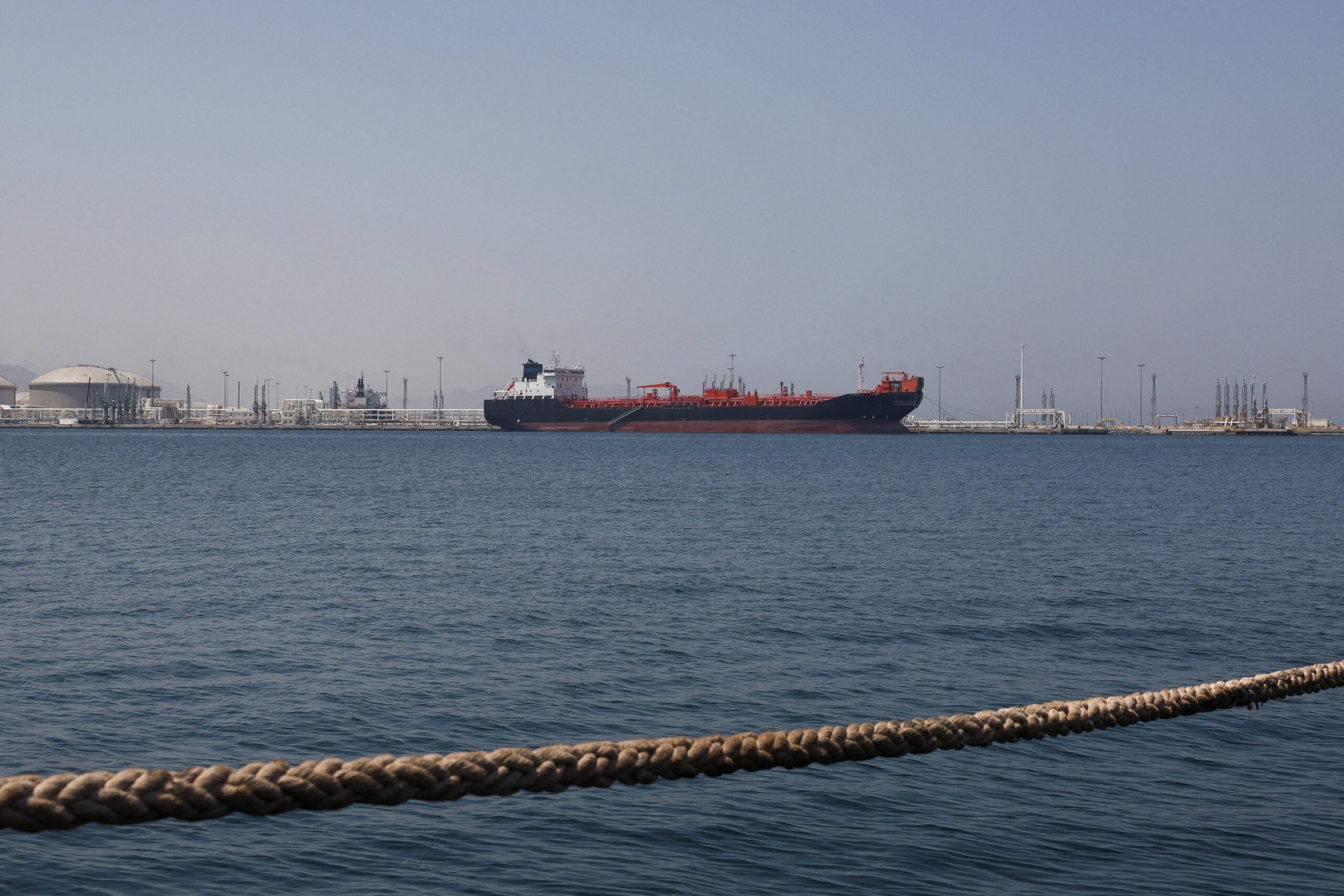
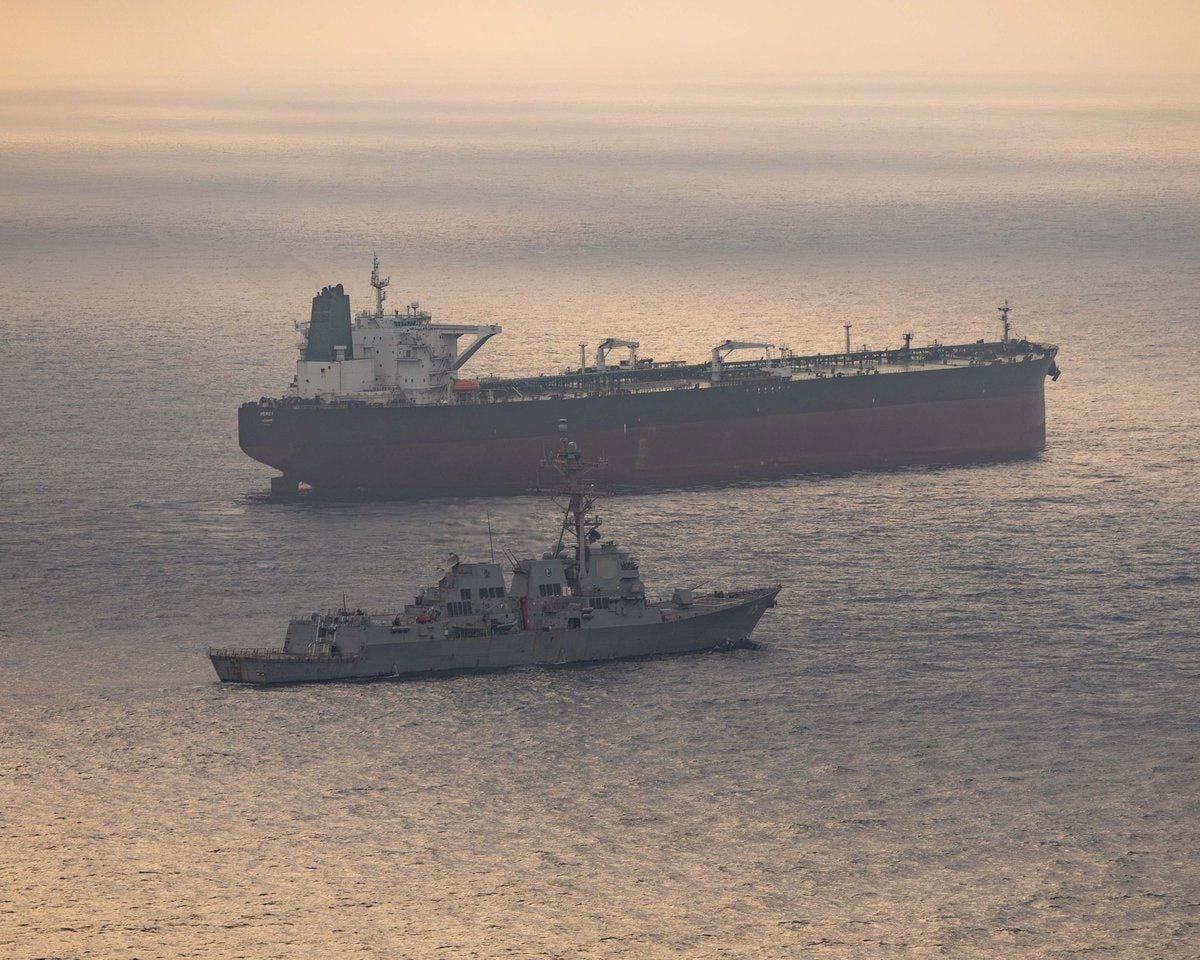
Marine insurer The Swedish Club is warning shipowners against non-essential transits of the Strait of Hormuz as escalating attacks on commercial shipping, mounting congestion and persistent navigational interference further deteriorate the security environment in the Middle East.
In an operational update issued Tuesday, the Gothenburg-based P&I club reaffirmed its recommendation that members avoid the strategic waterway unless passage is operationally essential.
The warning follows a fresh wave of attacks on merchant vessels, particularly tankers navigating waters off Oman’s Musandam Peninsula.
The warning comes as the International Maritime Organization (IMO) raised its tally of confirmed maritime incidents in the Strait of Hormuz and wider Middle East to 141 as of November 23, with 25 seafarers confirmed dead. The latest additions include three vessels damaged off Oman between November 17 and 20.
The actual scale of the crisis could be considerably greater. The Joint Maritime Information Center (JMIC) had already recorded 181 regional security incidents as of November 12, although the two organizations apply different reporting and verification criteria.
Despite ongoing U.S.-facilitated transits, commercial shipping activity through Hormuz remains well below prewar levels.
Independent monitoring cited by the Club recorded just 106 facilitated transits between November 15 and 18, averaging 26.5 vessels per day.
The insurer also warned that ships accumulating at anchorages east of the Strait face heightened exposure to potential attacks, particularly during prolonged periods at anchor.
The continuing U.S. naval blockade of Iranian ports and Tehran’s expanding blacklist of commercial vessels have introduced additional risks for shipowners. Iran’s Persian Gulf Strait Authority reportedly increased its list of non-compliant vessels to 240 earlier this month.
The Swedish Club urged operators to reassess their war-risk insurance arrangements, sanctions exposure, navigational capabilities and crew readiness before committing to voyages through the region.
Crucially, the insurer cautioned that neither the continued movement of commercial shipping nor previous successful passages should be interpreted as assurances of safe transit.
The advisory underscores the widening disconnect between efforts to restore commercial traffic through the Strait of Hormuz and the security risks that merchant ships and their crews continue to face on a daily basis.

 Join The Club