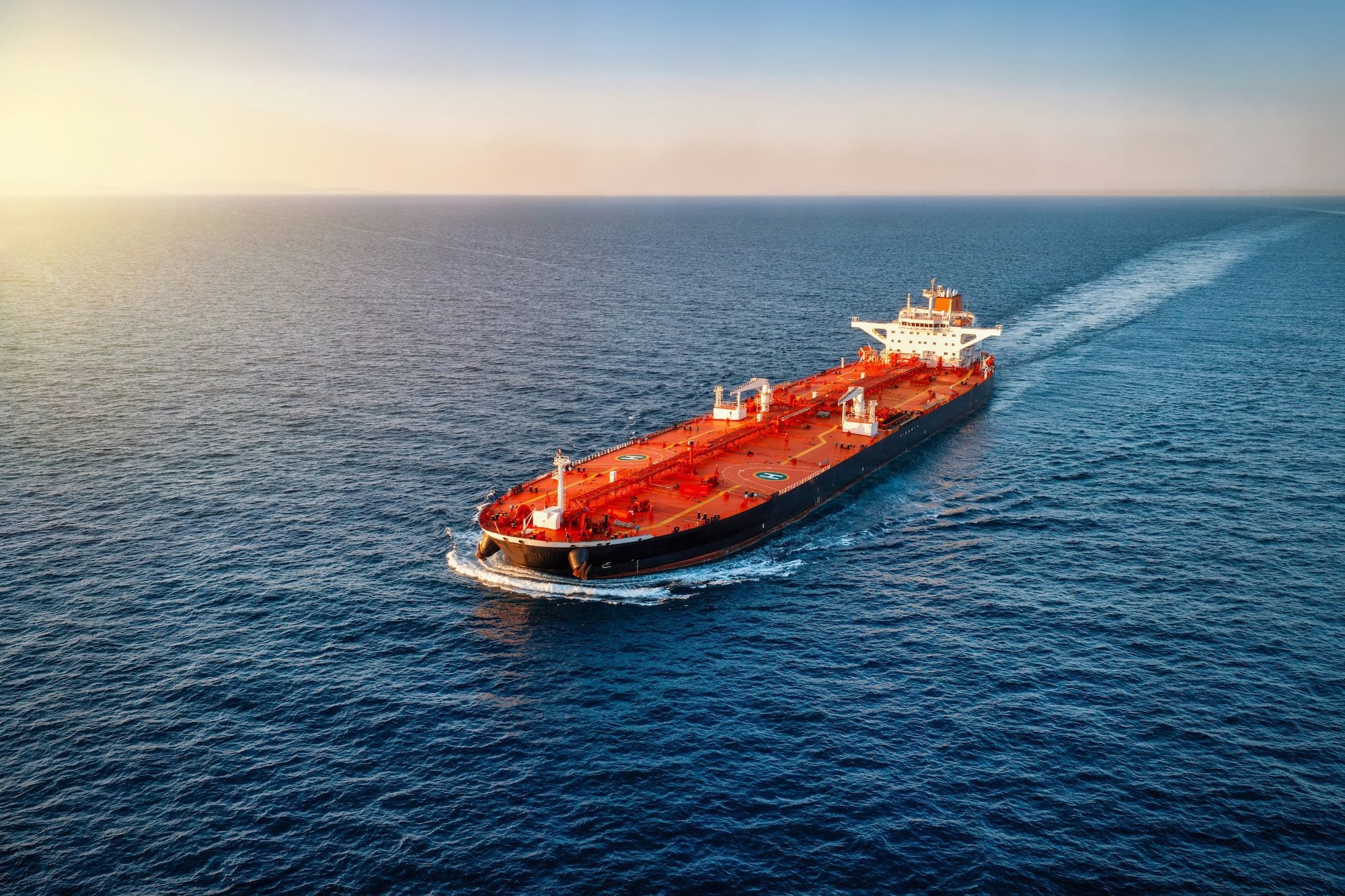
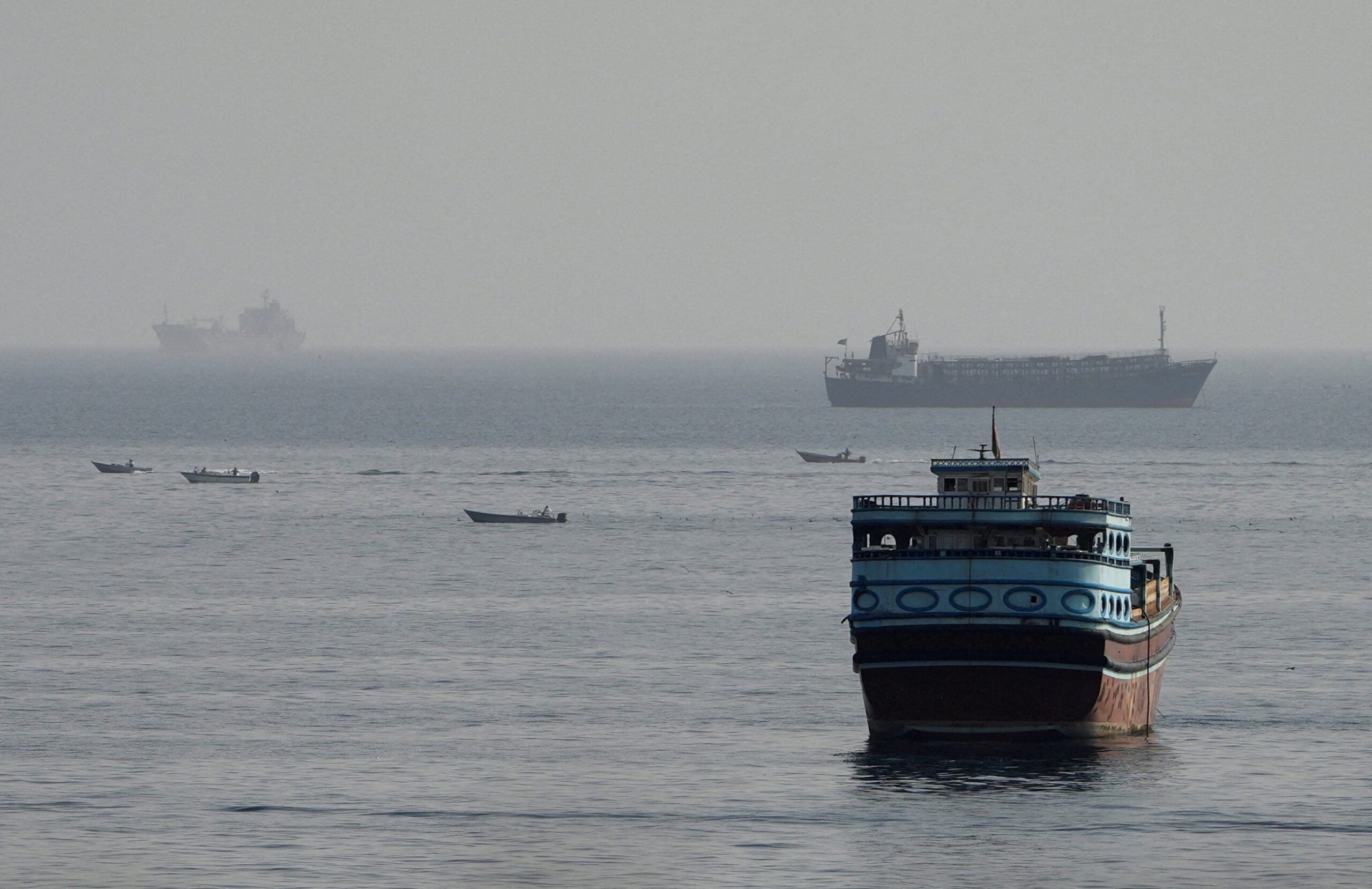
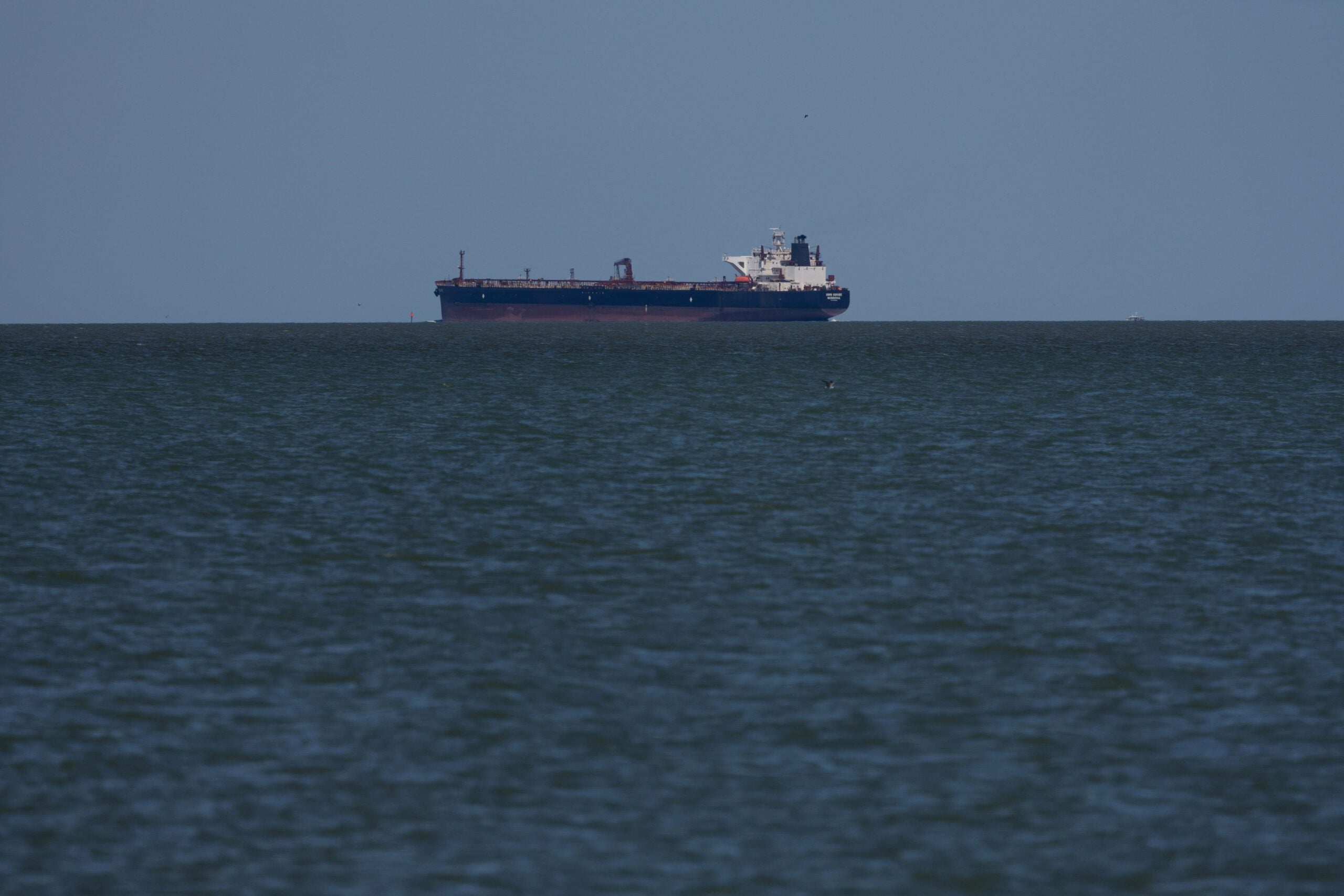
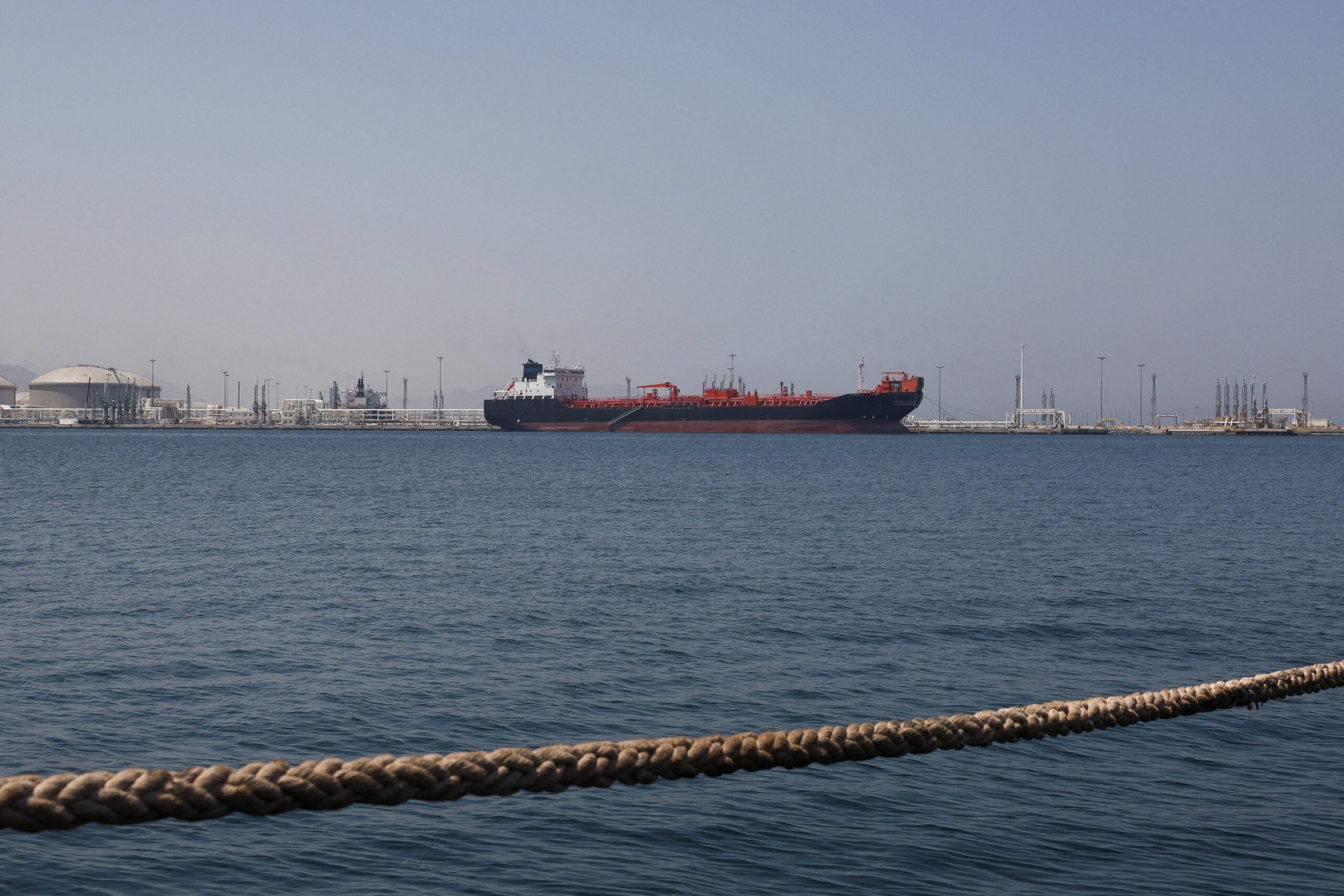
The war with Iran has so severely distorted the global oil tanker market that 15-year-old supertankers are now worth considerably more than brand-new vessels, highlighting the extraordinary premium placed on immediately available shipping capacity.
Belgian shipping group CMB.TECH revealed Tuesday in its third-quarter earnings report that the market value of a 15-year-old very large crude carrier (VLCC) has reached $165 million, some 25% above the $132 million price of ordering a new vessel, according to Clarksons data.
The valuation is more than three-and-a-half times the 10-year average of $46 million for a tanker of that age.
While newbuildings ordered today may take years to deliver, existing vessels can immediately capitalize on some of the highest tanker freight rates ever recorded.
The unusual price inversion underscores how the war has fundamentally altered the economics of moving oil out of the Middle East.
A Growing Capacity Crunch
Although Middle Eastern oil exports have recovered substantially since the early months of the conflict, the shipping industry is relying on increasingly inefficient arrangements to move crude through the Strait of Hormuz.
Combined oil exports from Saudi Arabia, Iraq, the United Arab Emirates, Kuwait and Qatar reached 10.9 million barrels per day in October, up from 6.7 million barrels per day in April.
However, much of that recovery has been facilitated by shuttle voyages and ship-to-ship transfers in the relatively safer waters of the Gulf of Oman.
CMB.TECH estimates that 141 tankers are now dedicated exclusively to shuttling crude and petroleum products, with VLCCs accounting for 72% of those vessels.
However, according to the CMB.TECH, the number of vessels deployed for shuttling only partly explains why tanker tonnage has become so tight. “A key additional factor is waiting time, with average round voyages extending to 23 days compared with an optimal 9 to 10 days,” the company said.
The arrangement effectively removes significant tanker capacity from the wider international market, even as the global fleet continues to grow.
The resulting shortage has spilled into other trading regions, driving up freight rates far beyond the Middle East as charterers compete for available tonnage.
Unprecedented Earnings
CMB.TECH’s Euronav tanker division reported average VLCC spot earnings of $149,945 per day in the third quarter, compared with $30,486 per day a year earlier.
So far in the fourth quarter, those earnings have climbed to an extraordinary $635,199 per day, with 59% of available vessel days booked.
The company’s Suezmax fleet is also benefiting, securing fourth-quarter spot earnings averaging $377,164 per day, with 68% of available days booked.
The booming market has prompted CMB.TECH to capitalize on soaring vessel valuations. The company reported third-quarter net profit of $373.9 million, compared with $17.3 million a year earlier, including $100.2 million in gains from the sale of two Suezmax tankers.
Three additional tanker sales are expected to generate approximately $190.8 million in gains during the fourth quarter.
A Growing Risk of Reversal
The extraordinary market conditions are also encouraging investment in new tanker capacity.
The global VLCC orderbook now stands at 33.1% of the existing fleet, while the Suezmax orderbook has reached 29.3%, according to Clarksons data presented by CMB.TECH.
An eventual normalization of shipping through the Strait of Hormuz could release significant tanker capacity back into the international market, potentially coinciding with a wave of newbuilding deliveries in the coming years.
Until then, however, CMB.TECH expects the availability of vessels, rather than underlying oil demand, to remain the primary driver of crude tanker earnings.
For now, the fact that a 15-year-old supertanker commands a $33 million premium over a new vessel illustrates just how valuable existing shipping capacity has become in a world at war.

 Join The Club