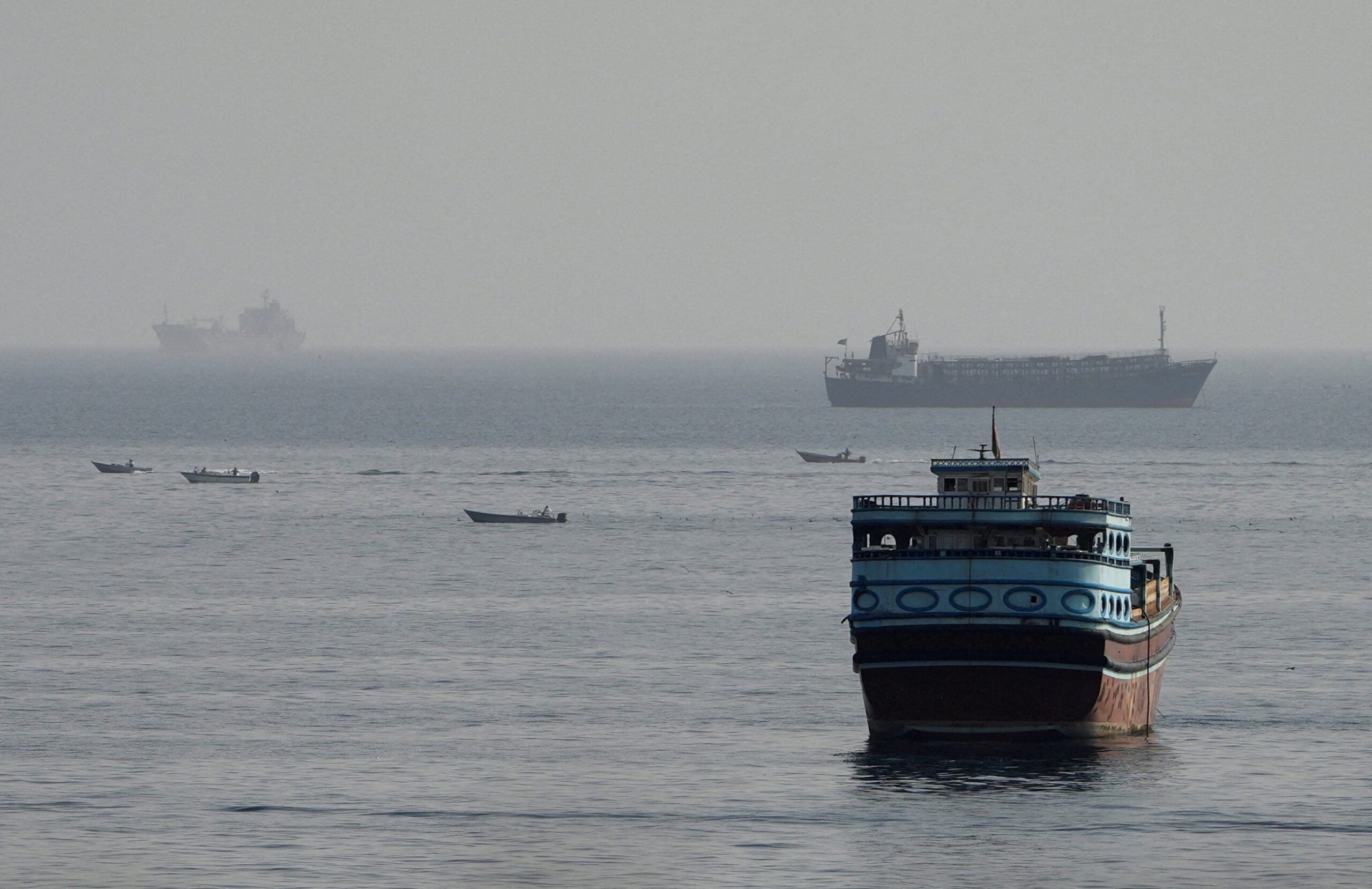
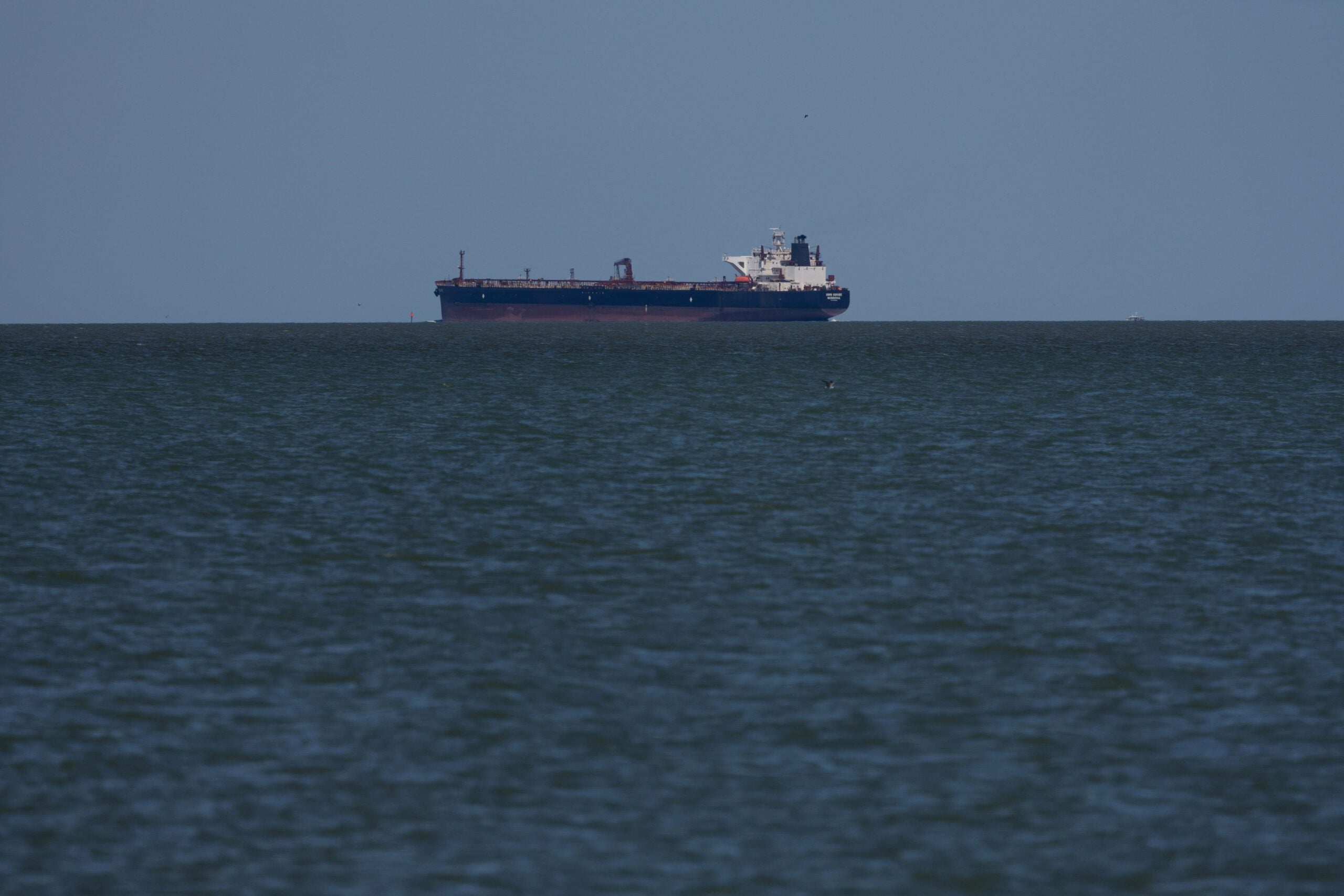
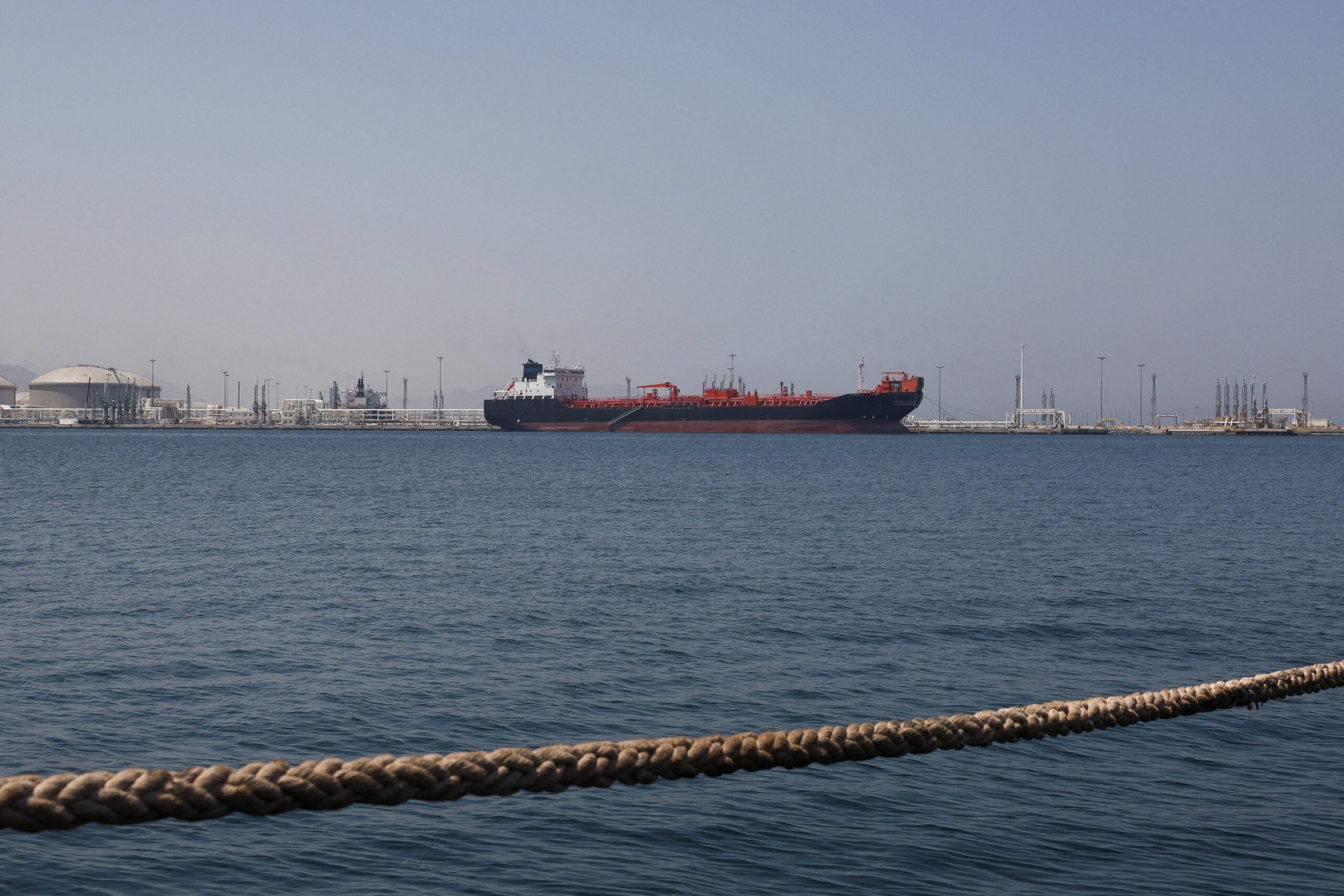
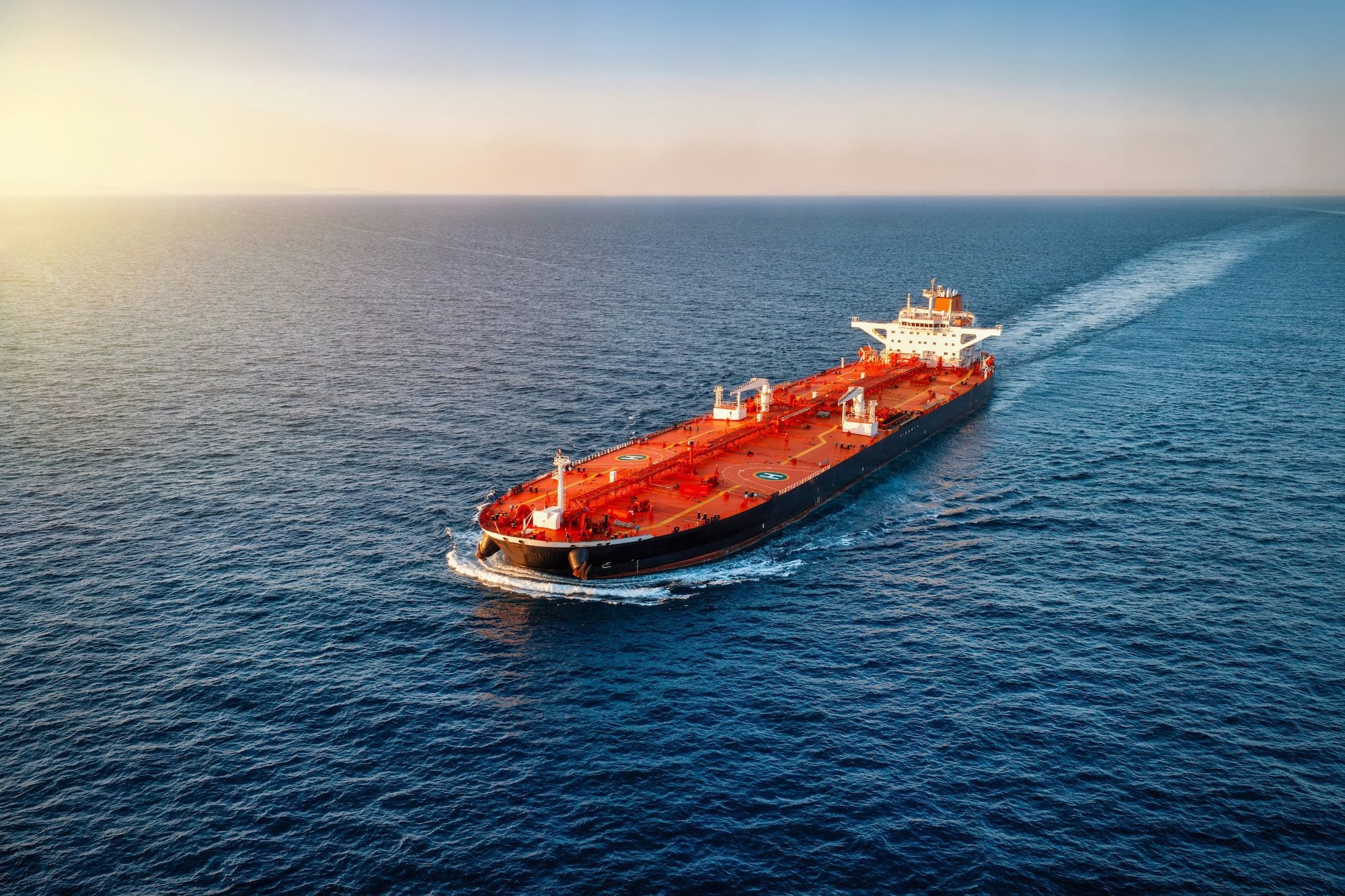
Four more commercial vessels have been attacked in and around the Strait of Hormuz, bringing the number of reported tanker strikes in the strategic waterway to 10 in a single week, as Iran expands its crackdown to maritime service providers assisting vessels it deems non-compliant.
The latest warnings from United Kingdom Maritime Trade Operations (UKMTO) detail attacks against three tankers and a bulk carrier on November 22, underscoring the persistent threat to commercial shipping nearly nine months into the Iran war.
The three tankers were struck by unidentified projectiles while transiting eastbound through the Strait of Hormuz. All three vessels continued their voyages, with all crew members accounted for. The extent of damage and any environmental impact remain unknown.
UKMTO initially reported the tanker strikes under a single warning before reclassifying them as three separate attacks.
In a separate incident, a bulk carrier at anchor off Khor Fakkan, United Arab Emirates, was struck by an unidentified projectile, triggering an onboard fire. No casualties were reported.
The identities of the four vessels have not been disclosed.
The latest attacks follow a sustained series of strikes against outbound tankers near Oman’s Musandam Peninsula.
The Joint Maritime Information Center (JMIC), in its November 22 advisory, reported that seven tankers had been struck in the Strait of Hormuz since November 16. The three subsequently reported tanker attacks bring that tally to 10.
Among the earlier incidents were attacks against the tankers Torkel and Arina on November 21.
JMIC continues to assess the maritime threat level in the Strait of Hormuz as severe, warning that further deliberate attacks are highly likely.
Iranian claims that tankers have been struck by mines have not been independently confirmed.
Iran Widens Shipping Blacklist to Tugs
Meanwhile, Iran’s Persian Gulf Strait Authority (PGSA) announced that it had added 26 tugboats to its list of non-compliant vessels, accusing them of providing services to ships operating in violation of its restrictions in the southern Strait of Hormuz.
The authority said the tugboats had been identified through intelligence monitoring and reports from citizens in Iran’s southern neighboring countries, reiterating that vessels and companies assisting ships deemed non-compliant would themselves face blacklisting.
According to maritime security analyst Martin Kelly of Orbital Risk Intelligence, Iran’s non-compliance list already contained 240 vessels as of November 19, potentially bringing the total to 266 with the latest additions.
The move signals a widening of Tehran’s efforts to exert control over commercial shipping, and raises particular concerns for towing and salvage operators at a time when repeated attacks have left a growing number of vessels damaged or disabled.
In its November 20 assessment, Orbital warned that further Iranian attacks on merchant vessels were highly likely over the following week, while prospects for a U.S.-Iran agreement that would end attacks on shipping remained slim. The firm also said it had seen no evidence to substantiate repeated Iranian claims that tankers had struck naval mines in the Strait.
IMO Confirms 141 Incidents, 25 Seafarer Deaths
The latest attacks come as the International Maritime Organization’s tally of confirmed maritime incidents in the Strait of Hormuz and wider Middle East reached 141 as of November 23, with 25 confirmed seafarer fatalities.
Among the latest vessels identified by the IMO are Captain Leon, Bahra and On Phoenix, all of which suffered damage in incidents near Oman in recent days.
The four vessels involved in Sunday’s attacks have yet to appear individually on the IMO’s published list, and it remains unclear whether the latest attacks are already reflected in the organization’s cumulative tally.
Hormuz Traffic Remains Depressed
Despite an increase in U.S.-facilitated transits in recent days, commercial shipping activity through the Strait of Hormuz remains well below pre-war levels. According to JMIC, 114 vessels completed U.S.-facilitated transits between November 19 and 21, averaging 38 per day, up from 27 per day during the preceding four days.
That compares with a historical average of approximately 138 daily vessel transits in 2025.
Separately, commercial vessel tracking recorded no AIS-visible transits by qualifying cargo-carrying vessels outside the U.S.-facilitated traffic figures during the three-day period, although the data excludes certain Iranian port traffic.
Approximately 218 commercial vessels remained stationary at major anchorages east of the Strait as of November 22, with JMIC expecting the backlog to persist.
The renewed attacks and Iran’s widening crackdown highlight the continuing challenges facing efforts to restore commercial navigation through the world’s most important oil shipping chokepoint, even as the United States continues to facilitate vessel passages and enforce its blockade of Iranian ports.

 Join The Club