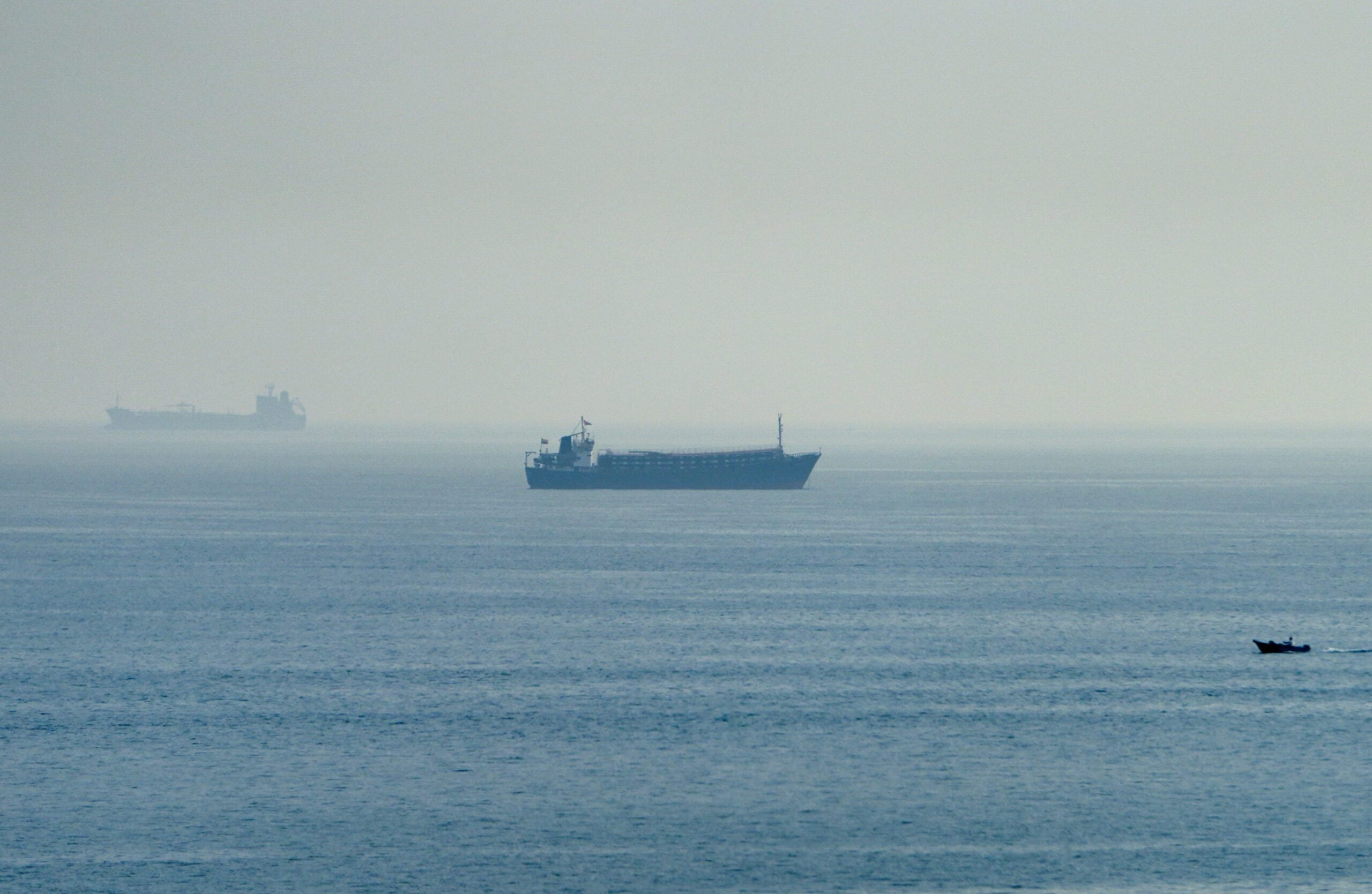
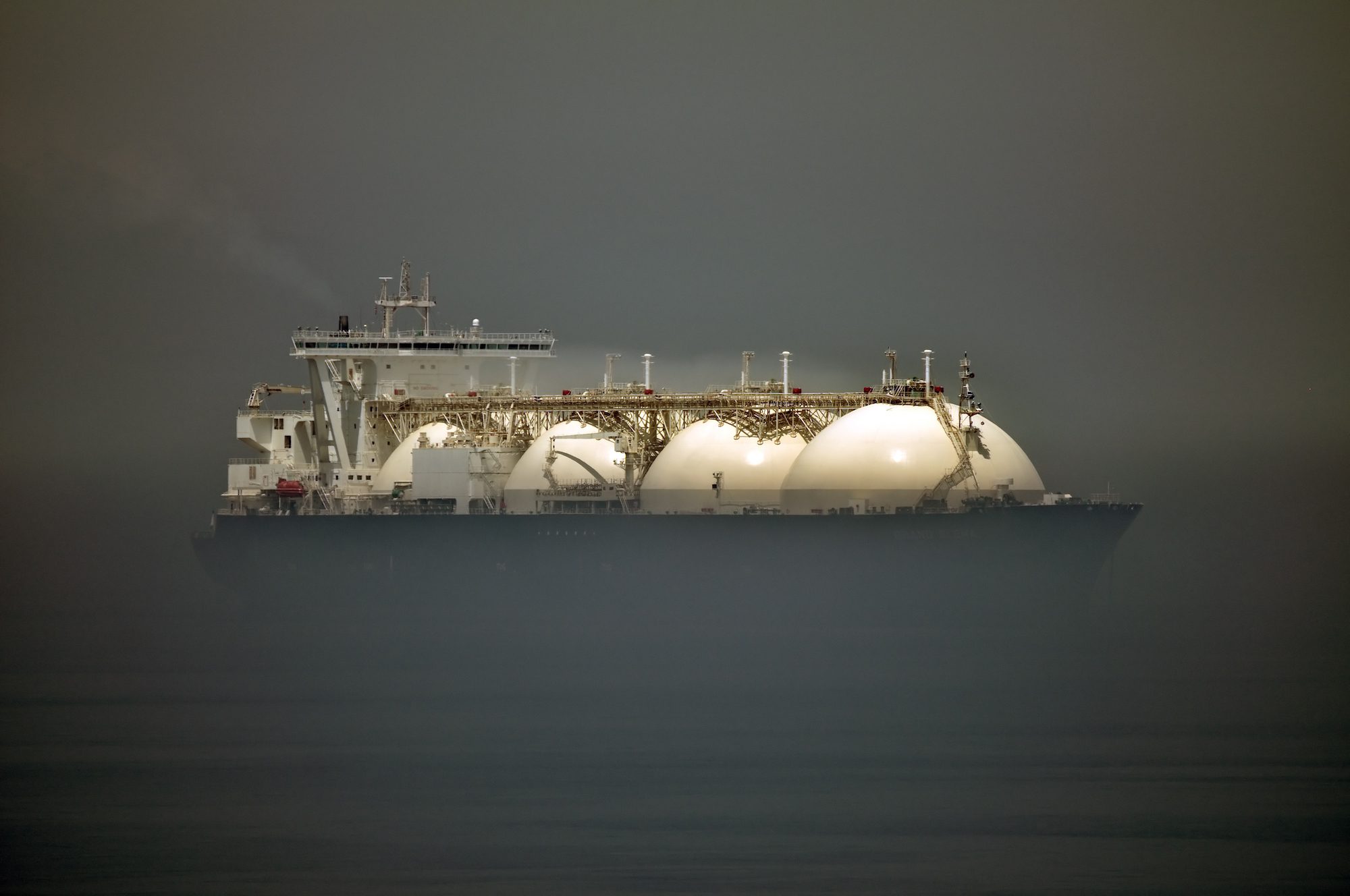
A tanker transiting the Strait of Hormuz was attacked by a small boat that attached two explosive devices to its hull, triggering an engine room fire and temporarily disabling the vessel, according to a verified report from the United Kingdom Maritime Trade Operations (UKMTO).
The October 29 attack marks a significant escalation in the conflict, introducing a new threat to commercial shipping already facing repeated missile and drone strikes in and around the strategic waterway.
According to UKMTO Warning 187-26, the incident occurred approximately 25 nautical miles northeast of Khasab, Oman, as the tanker was transiting outbound from the strait.
A small boat approached the tanker’s port side and attached two explosive devices above the waterline. The resulting explosions sparked a fire in the engine room and temporarily disabled the ship.
UKMTO confirmed Friday that the crew was safe, the fire had been extinguished and there was no environmental impact. The tanker has since resumed its voyage.
Maritime security sources identified the weapons as limpet mines, explosives attached directly to a vessel’s hull. The attack represents the first reported successful use of the tactic against merchant shipping in the waterway since the war began in February.
Martin Kelly, Head of Advisory at EOS Risk Group, identified the vessel as the LOUISE 1 and said the attack marked another step in Iran’s evolving campaign against commercial shipping.
He said the last time Iran used limpet mines against merchant shipping was in May 2019 when they attacked four vessels anchored off Fujairah and subsequent attacks on the tankers KOKUKA COURAGEOUS and FRONT ALTAIR in the Gulf of Oman the following month.
The return of limpet mines adds another layer to the threat facing ships navigating the strait.
Kelly warned that the implications could be particularly serious for vessels waiting at anchor, where explosives could potentially be placed below the waterline without being detected by the crew.
“A limpet mine below the waterline will cause significant damage and water ingress,” he said.
Multiple Attacks Reported as Iran Claims Three Tankers Hit
The limpet-mine attack was one of several maritime security incidents reported in the Strait of Hormuz on Thursday.
In a separate UKMTO warning, a company security officer reported that another tanker had been struck by an unidentified projectile while completing an outbound transit of the strait at approximately 1600 UTC. No crew injuries or environmental impact were reported.
Earlier Thursday, UKMTO also reported a vessel on fire approximately nine nautical miles north of Khasab. Regional authorities subsequently identified the vessel as a dhow that had been involved in a maritime security incident.
The dhow caught fire, listed and sank. Its crew was safely evacuated, according to UKMTO.
The incident follows an earlier U.S. military operation in which American forces reportedly destroyed a dhow suspected of providing intelligence to Iran. However, no connection between that operation and Thursday’s sinking has been established.
Meanwhile, Iran’s Islamic Revolutionary Guard Corps Navy claimed Friday that three oil tankers had caught fire and exploded while attempting to transit routes it described as unauthorized.
According to Iranian state media cited by Reuters, the IRGC claimed one tanker carrying approximately 2 million barrels of crude oil had struck a mine. Reuters said it could not independently verify the claims.
Iran has repeatedly described attacks against ships using routes outside its control as mine strikes, but independent evidence supporting its broader claims of sea mines has remained limited.
Attacks Concentrated Along Southern Transit Route
The latest incidents come as the United States continues coordinating commercial vessel movements through the Strait of Hormuz, including a southern route intended to keep shipping moving despite Iranian threats.
The route has increasingly become a focus of attacks. According to UKMTO’s October 30 weekly maritime security overview, 59 of 81 reported projectile strikes since July 6 occurred along the southern route.
The report also highlighted the difficulty of establishing a complete picture of attacks across the region.
“UKMTO reports only incidents verified through primary sources; additional incidents are known but cannot be independently verified,” the agency said.
Since the conflict began on February 28, UKMTO has recorded 145 Iran-U.S. conflict-related incidents across its reporting area, including 88 incidents involving vessels in the Strait of Hormuz through October 28.
Despite the continuing threat, commercial traffic has been recovering gradually. UKMTO reported 122 outbound and 155 inbound transits over its latest seven-day reporting period, up from 114 outbound and 127 inbound the previous week.
However, combined traffic remains approximately 70% below pre-conflict levels. UKMTO also noted that around 80% of transits reported by U.S. Naval Cooperation and Guidance for Shipping involve energy carriers.
The latest attacks underscore the challenges facing efforts to restore normal shipping through the waterway. While military operations have focused heavily on missiles, drones and the threat of naval mines, the use of explosives placed directly onto a merchant vessel’s hull introduces another risk for operators.

 Join The Club