(NOAA)–This summer, take the plunge and join NOAA Ocean Exploration and partners as we explore along the longest mountain range in the world: the mid-ocean ridge. The Mid-Atlantic Ridge portion of this range spans the north-south length of the Atlantic Ocean and stretches an impressive 16,000 kilometers (10,000 miles). This largely unexplored underwater mountain range has captivated the imagination of explorers for more than a century. It’s time to unlock some of its secrets – LIVE!
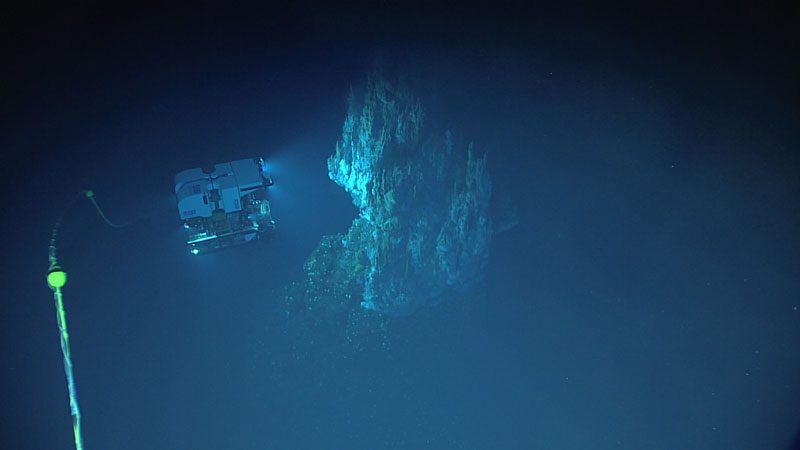
As one of the most prominent geological features on Earth, the Mid-Atlantic Ridge is a divergent plate boundary and the site of volcanic eruptions and frequent earthquakes. Spectacular hydrothermal vents may form where geologic processes create heat that rises from deep in the Earth to the seafloor along the ridge. These vents are known to support diverse chemosynthetic communities that include bacteria and other organisms that survive on inorganic chemical reactions. But what life is found at these sites once vents go extinct? What lives beyond the vents, further away from the rift zone? What about along the steep walls and topographic highs of the spreading center?
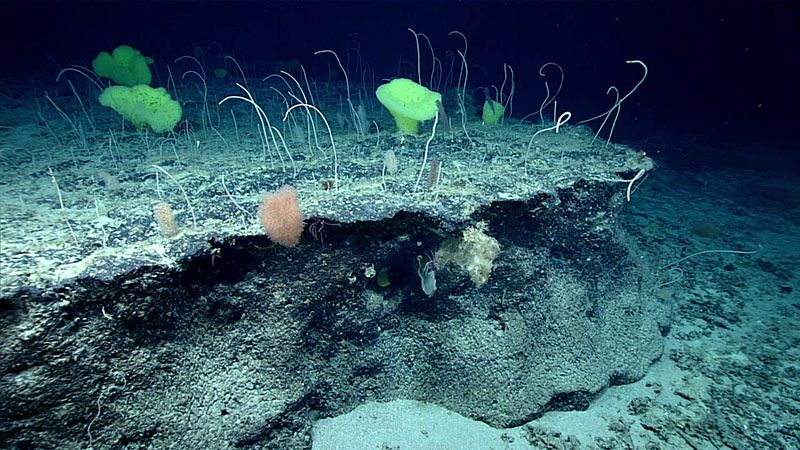
During Dive 11 of the 2021 North Atlantic Stepping Stones expedition, we discovered what is defined by the Oslo/Paris Convention (OSPAR) as a multispecies coral garden (100 – 700 coral colonies per every 100 square meter). The coral garden habitat was dominated by Calyptophora clinata whip corals and dotted with other coral species, including Bathypathes, Thouraella, Acanella, Chrysogorgia, and Parantipathes. This image shows part of the large area of coral garden habitat on top of a ledge outcrop.
During Voyage to the Ridge 2022, scientists hope to begin to reveal answers to some of these questions, collecting data along the Mid-Atlantic Ridge, Azores Plateau, and Charlie-Gibbs Fracture Zone to support decision-making about sensitive marine life and habitats, geological features, and potential resources. You are invited to tune in LIVE as we use a remotely operated vehicle to dive from NOAA Ship Okeanos Explorer and explore deep-sea coral and sponge habitats, potential hydrothermal vent and extinct polymetallic sulfide systems, fracture and rift zones, and the diverse life in the ocean’s water column from surface to seafloor.
Watch: Remotely operated vehicle dives livestreamed from approximately 6:45 a.m. to 5 p.m. ET (all things permitting), spanning depths of 250 to 6,000 meters (820 to 19,685 feet)
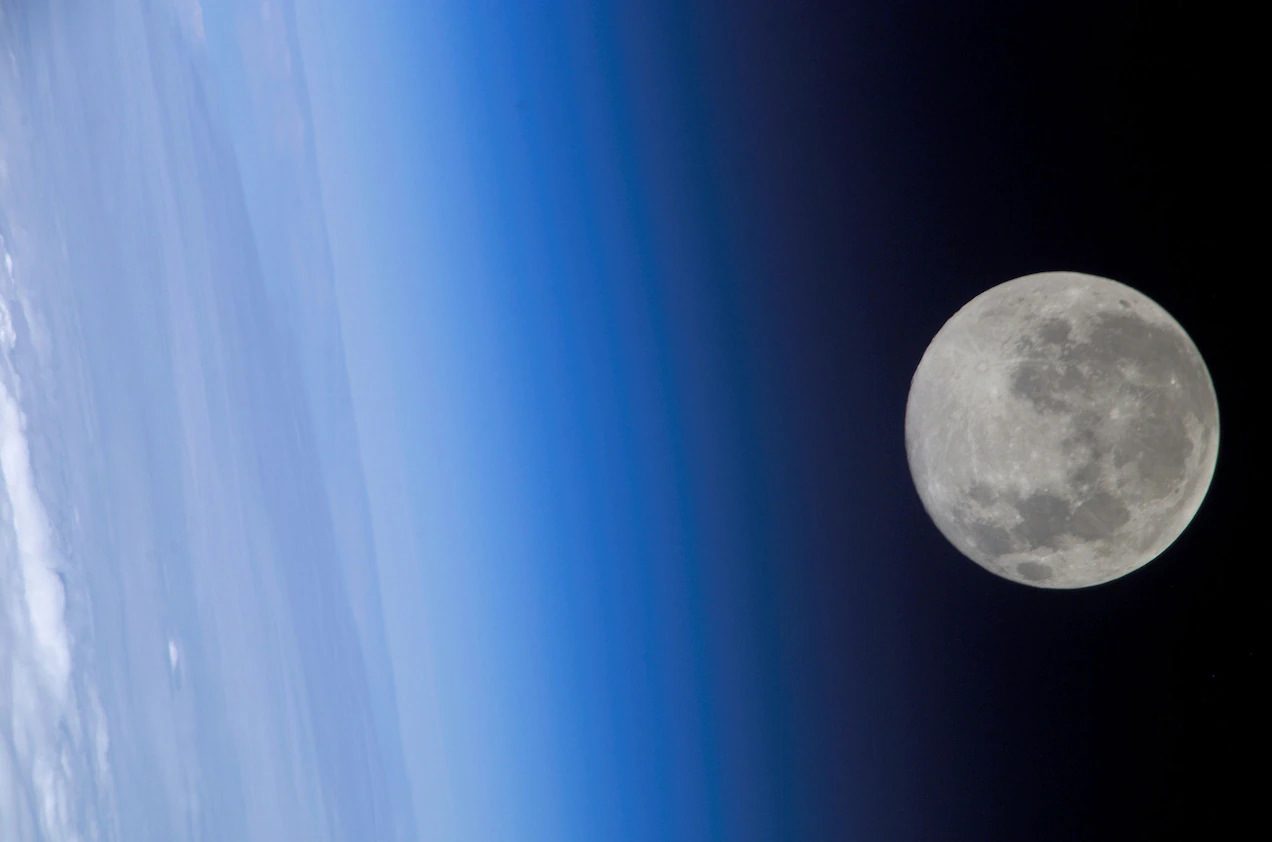
by Prema Arasu (University of Western Australia) We know more about the Moon than the deep sea. This idea has been repeated for decades by scientists and science communicators, including...
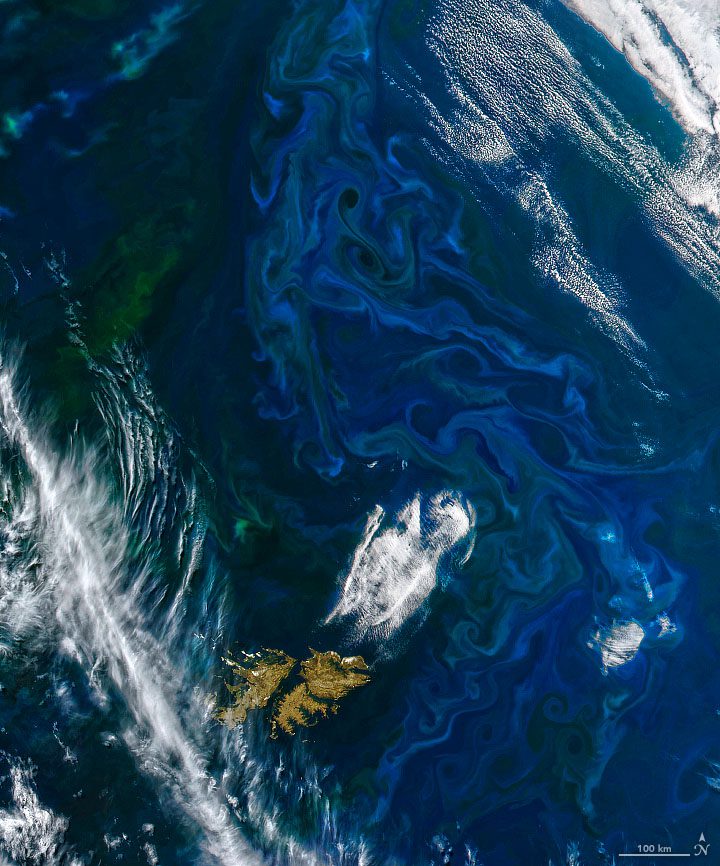
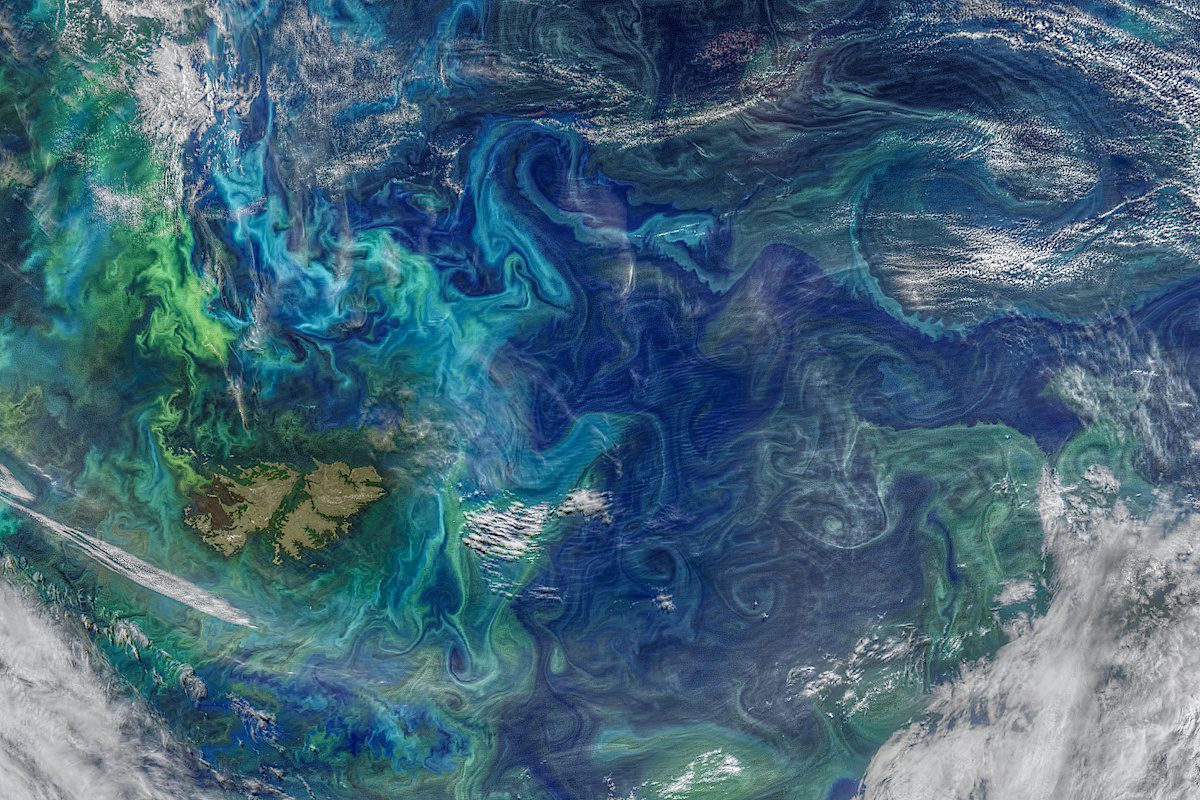
By Emily Cassidy NASA Earth Observatory–From global to regional scales, images from satellites portray the dynamic beauty of the world’s oceans. Each view reveals something unique, from the seasonal pulses...
Sara Blumberg (NASA)–Experience the swirls off the coast of Río de la Plata to the upwellings in the Indian Ocean put to musical notes of imagery from our own Earth-observing...
June 12, 2022
Total Views: 2766
Get The Industry’s Go-To News
Subscribe to gCaptain Daily and stay informed with the latest global maritime and offshore news
— just like 106,597 professionals
Secure Your Spot
on the gCaptain Crew
Stay informed with the latest maritime and offshore news, delivered daily straight to your inbox
— trusted by our 106,597 members
Your Gateway to the Maritime World!
Essential news coupled with the finest maritime content sourced from across the globe.

 Join The Club