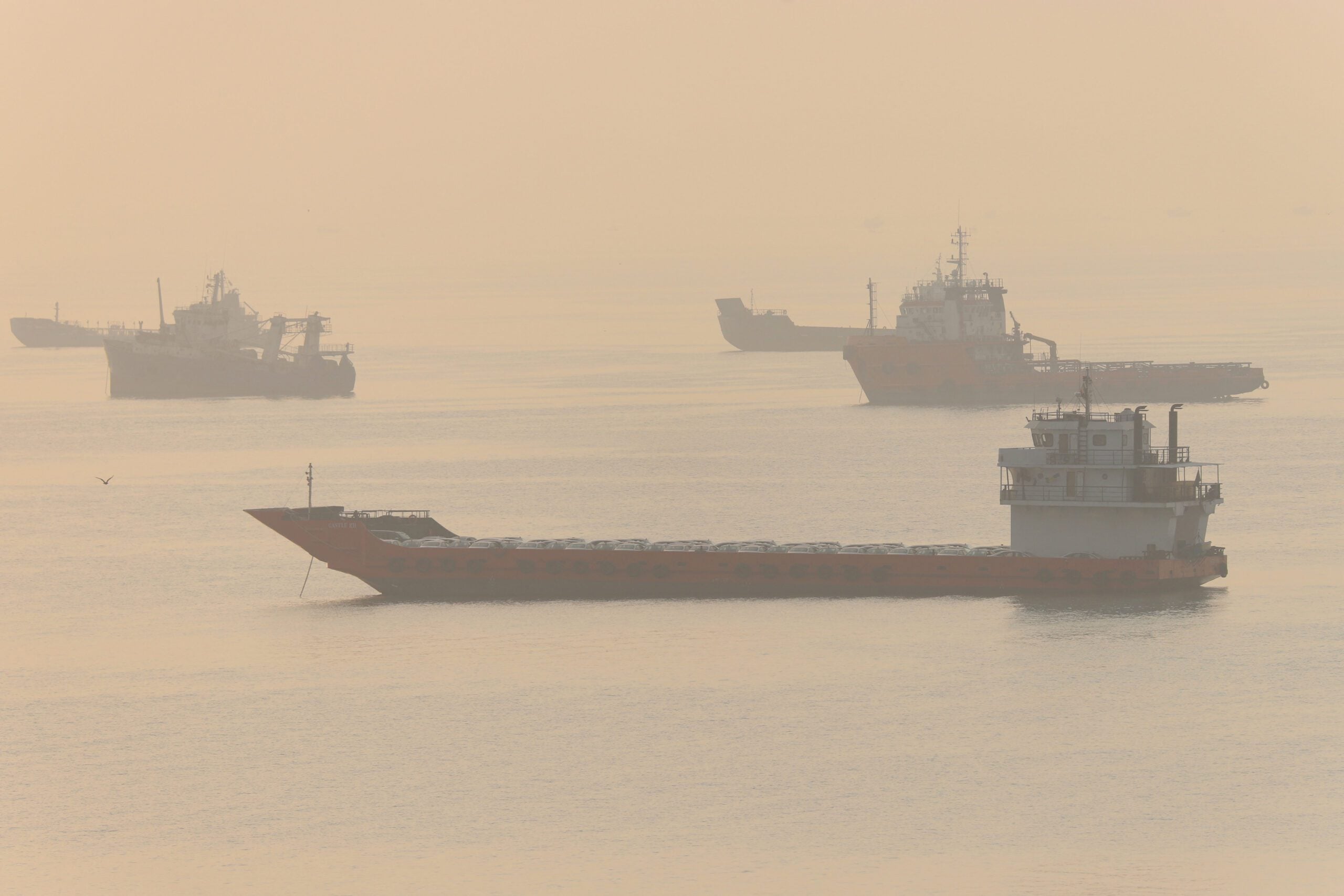
By Rakesh Sharma (Bloomberg) — India’s state-run refiners, eager for prompt crude supplies, are holding off purchases of US-approved Iranian oil and products as payment, shipping and insurance hurdles complicate potential transactions, according to people familiar with the matter.
The US issued its third waiver for restricted oil on Friday, allowing purchases of Iranian oil already on the water in the Trump administration’s latest effort to cool rising prices with additional supply. Washington had earlier issued two such measures, covering seaborne Russian oil.
The one-month grace period for Iran’s crude has encouraged representatives of National Iranian Oil Co. and intermediaries to sound out large Asian buyers, but they have been met with hesitation. India’s refiners echo concerns in China, where state-owned China Petroleum & Chemical Corp., more commonly known as Sinopec, said on Monday that it would try to avoid Iranian shipments, in part because the Trump administration’s one-month waiver leaves too narrow a window for delivery.
Refiners in India, the world’s third-largest oil importer, have been pitched Iranian cargoes of crude oil and liquefied petroleum gas, a fuel widely used for cooking and in short supply across the country, the people said, asking not to be identified as the negotiations are not public.
Iran was once a key supplier to India — at the peak, it accounted for 11.5% of total imports, according to data intelligence firm Kpler — but purchases stopped in 2019 due to US-imposed sanctions, and refiners have been risk-averse since.
That long gap has slowed due diligence and delayed progress on potential purchases, the people said. Issues like shipping and insurance are unclear, and refiners are uncertain about payment mechanisms, currency, insurance and even whether Iran-linked vessels would ultimately be accepted at Indian ports, they added. As a result, there has been little progress even in advancing conversations on price and delivery time line, the people said.
By contrast, India has moved more swiftly to snap up Russian barrels, covered by earlier waivers, thanks to logistics and trade lines already in place. The country was a major buyer of Moscow’s crude until US pressure increased last year, forcing it to turn elsewhere.
Refining executives have argued that Iranian purchases would be more viable under a formal government framework, the people said, but New Delhi has provided no guidance, allowing refiners to do their own due diligence.
A spokesperson for India’s oil ministry did not immediately respond to an email seeking comment.
© 2026 Bloomberg L.P.

 Join The Club