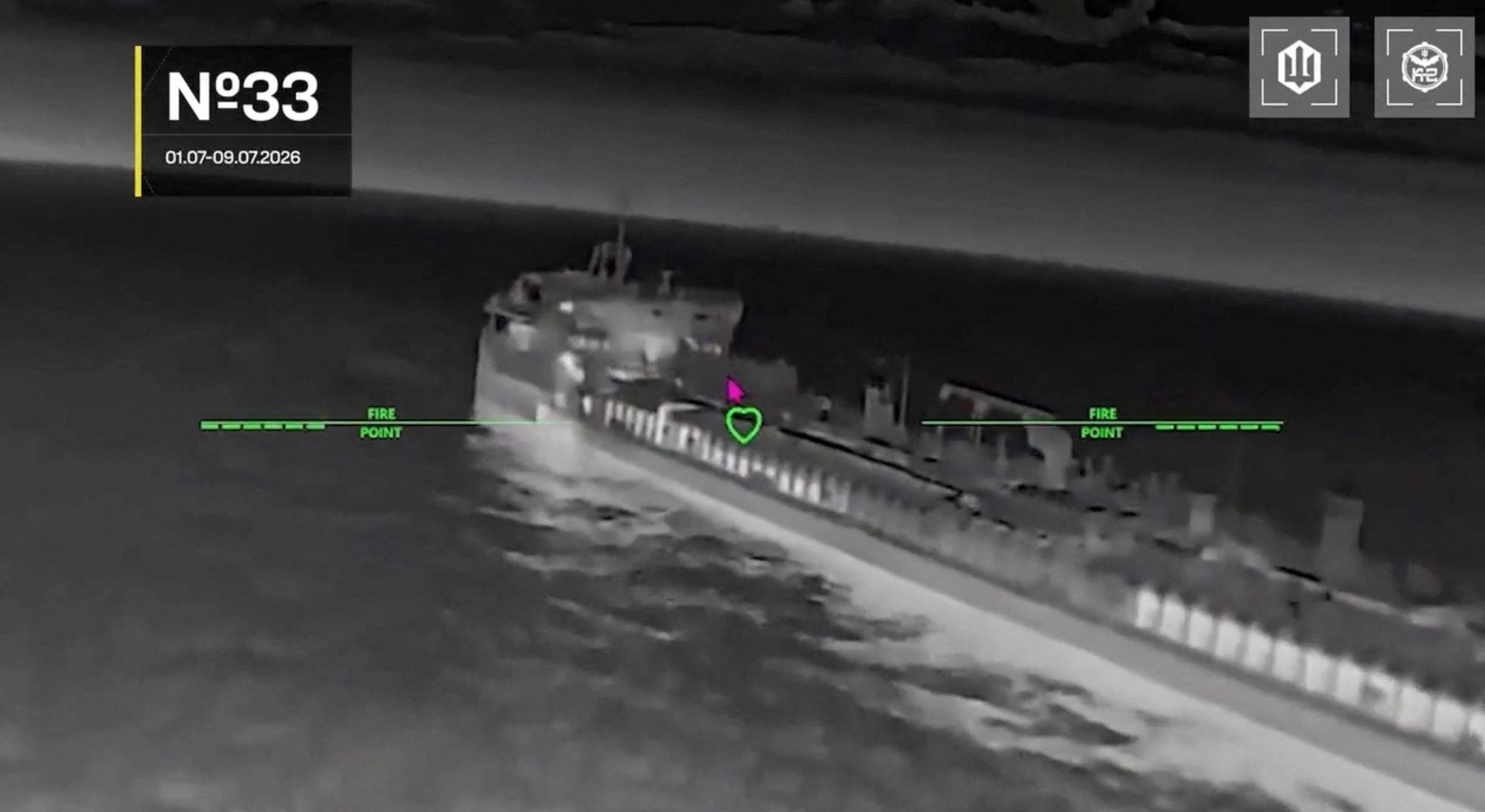
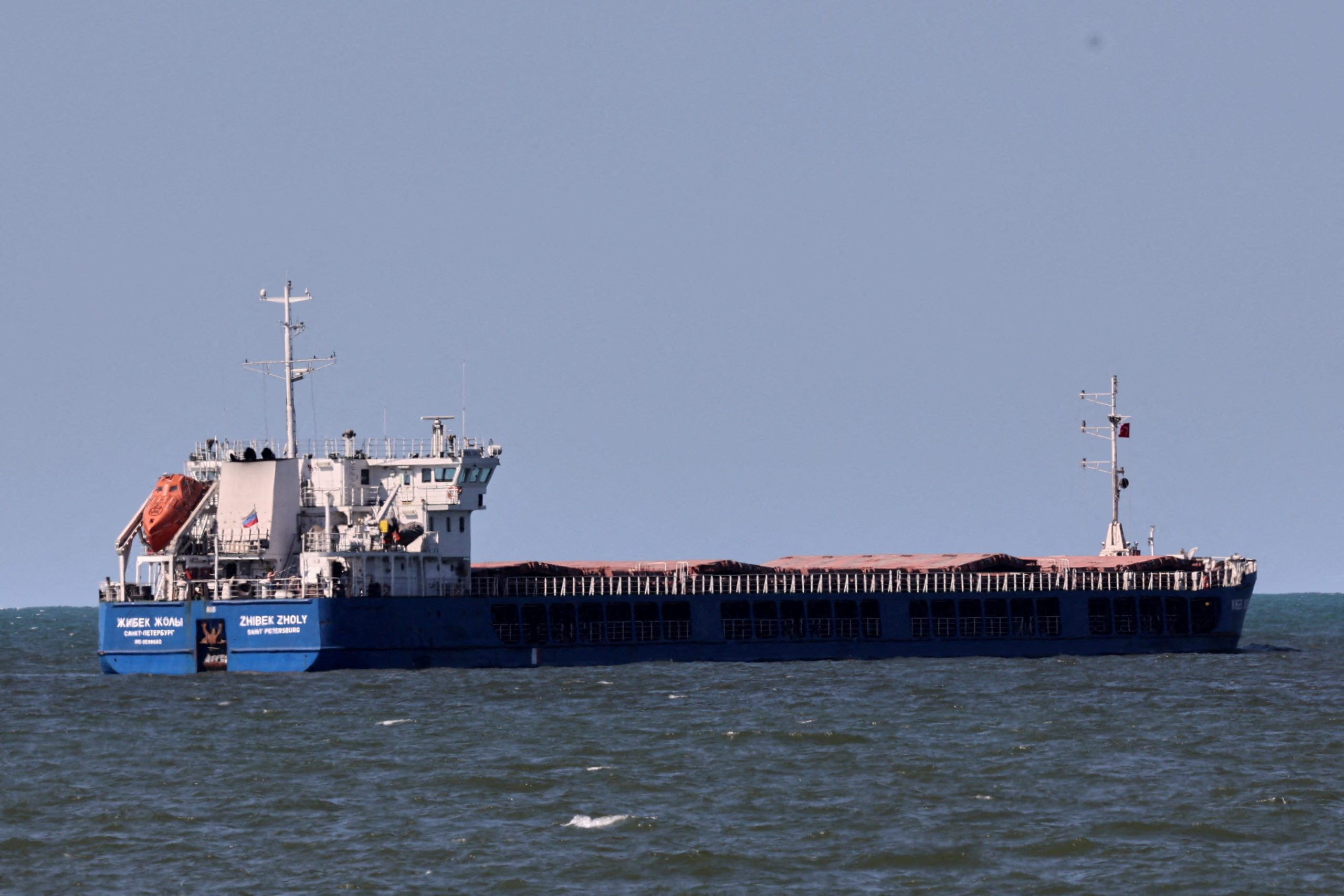
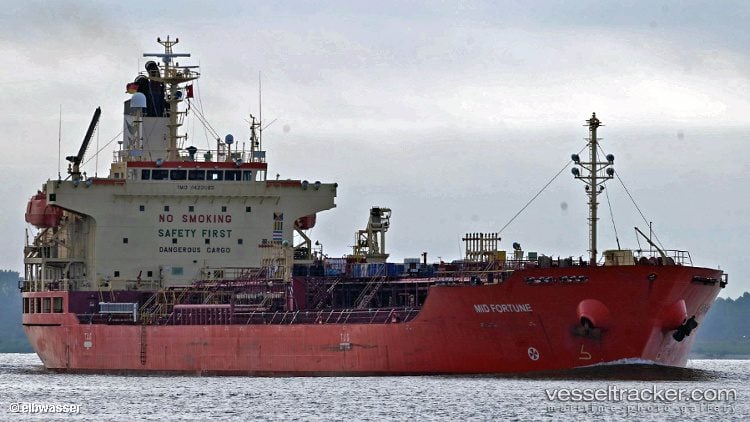
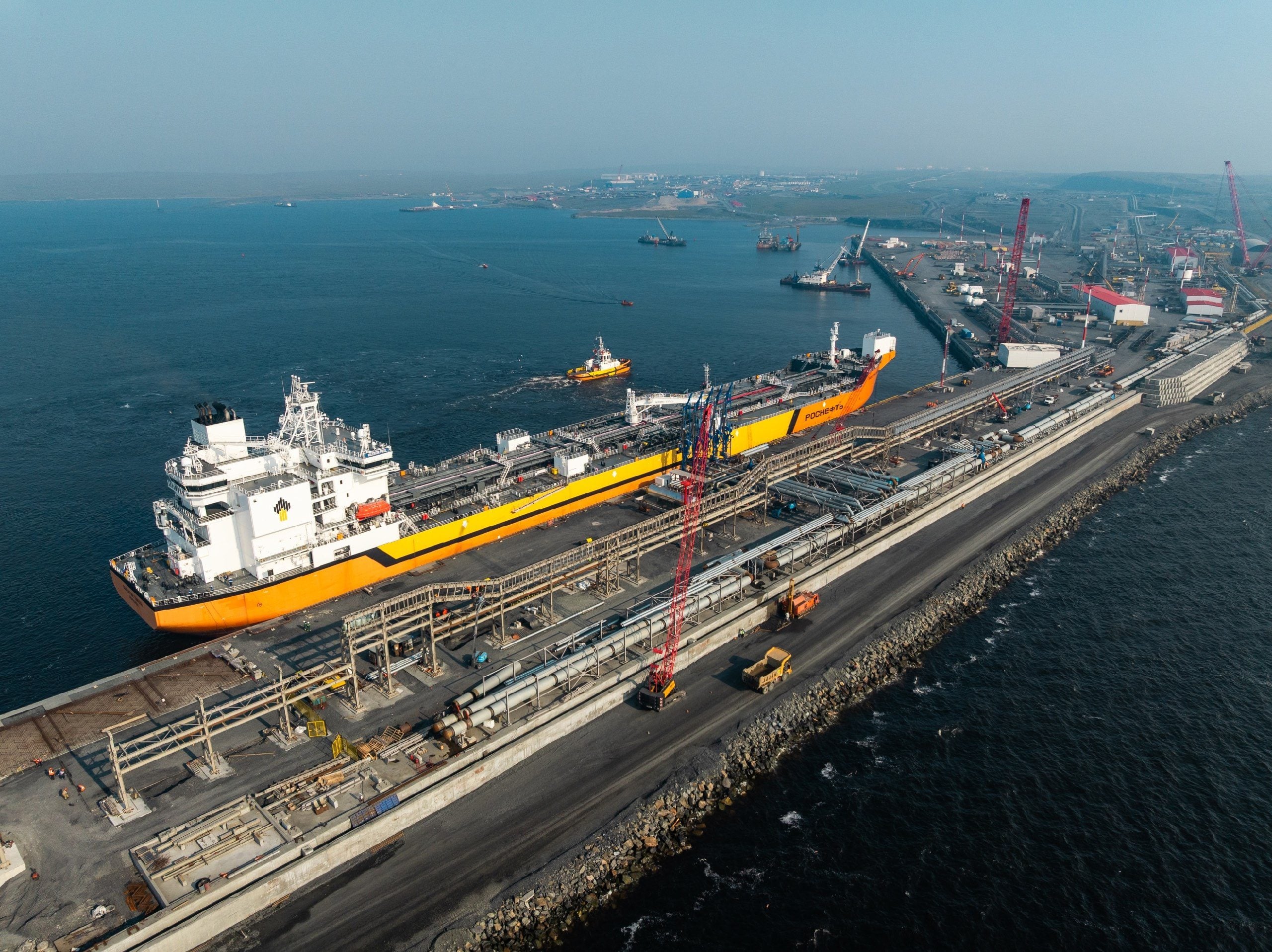
Ukraine says it has struck another 11 Russian-linked vessels in the Sea of Azov, bringing the total number of ships damaged during a nine-day campaign to 116, in what appears to be the most sustained effort yet to disrupt Russia’s maritime logistics and export trade.
The Unmanned Systems Forces (USF) of the Armed Forces of Ukraine said operators overnight struck five tankers, five cargo ships and one tugboat in coordinated operations involving multiple Ukrainian drone units.
According to the military, the campaign is aimed at undermining Russia’s ability to finance and sustain its war by targeting vessels supporting fuel and cargo transport.
“Despite international sanctions, Russia continues to export oil through its shadow fleet, using the revenues to finance its war against Ukraine,” the USF said in a statement posted on social media.
“The goal of the operation is to systematically disrupt the enemy’s logistics chain. Disabling tankers, cargo ships and auxiliary vessels complicates the export of oil and petroleum products, limits maritime transport capabilities, and reduces the enemy’s ability to supply fuel to its forces and occupation grouping in temporarily occupied Crimea.”
The Ukrainian military said the latest attacks were carried out by operators from the 1st Separate Unmanned Systems Corps, Raid 413, and the K-2 unit.
If confirmed, the latest strikes would bring the total number of vessels hit since the operation began nine days ago to 116.
Shipping Disrupted
The campaign has already disrupted maritime traffic. Reuters reported Monday that commercial vessels were unable to enter or leave the Sea of Azov through the Kerch Strait or the Azov-Don shipping channel. While Russian authorities have not officially confirmed restrictions, the Agriculture Ministry acknowledged exports could be diverted through Black Sea and Baltic ports if necessary.
Russia’s Foreign Minister Sergei Lavrov condemned the attacks, accusing Ukraine of targeting civilian shipping.
“What the Ukrainian regime is doing goes beyond even piracy,” Lavrov said Tuesday.
“Pirates, at least, plunder and keep the spoils for themselves. But here, it benefits neither them nor anyone else—the goal is simply to cause damage and intimidate. It is terrorism, pure and simple.”
Ukraine rejected the accusation. A Ukrainian military source told Reuters that its forces strike only military targets or assets that support Russia’s war effort.
“Civilian cargoes are not among them,” the source said. “By talking about attacks on civilian vessels, Russia is looking for a pretext to justify its cynical strikes on Ukrainian civilian infrastructure.”
IMO Condemns the Attacks
The escalation prompted renewed concern from the International Maritime Organization.
IMO Secretary-General Arsenio Dominguez on Tuesday condemned the recent attacks against merchant shipping in the Sea of Azov and Black Sea, warning that the focus on the Strait of Hormuz should not overshadow continuing threats elsewhere.
“I deplore the series of attacks over the past week against civilian merchant ships operating in the Sea of Azov and the Black Sea,” Dominguez said.
“I condemn all unwarranted attacks on civilian merchant vessels arising from geopolitical conflicts, wherever they occur. Such acts endanger seafarers, threaten the safety of navigation, disrupt global supply chains and undermine the principles upon which international shipping depends.”
He called on all parties to respect international law and protect seafarers, adding that “seafarers should never become casualties of conflicts to which they are not a party.”
The Sea of Azov handles roughly one-quarter of Russia’s grain exports and serves as an important outlet for agricultural products from southern Russia. Ukrainian attacks have increasingly expanded beyond naval and military targets to include energy infrastructure, ports and shipping that Kyiv says directly support Russia’s war effort.
Russia has responded with intensified missile and drone strikes on Ukrainian Black Sea ports in recent months. Ukrainian officials have warned those attacks could reduce grain export capacity from the Odesa region by as much as one-third.
The claims by both sides could not be independently verified. Ukraine has not identified the individual vessels struck, and Russian authorities have not released details on the reported damage.

 Join The Club