The United States on Wednesday sanctioned a network of individuals and companies accused of operating fraudulent ship registries that helped Iran’s shadow fleet evade sanctions, while issuing a new warning to maritime companies about the risks of dealing with falsely flagged vessels.
The U.S. Treasury Department announced the sanctions on Wednesday as part of Operation Economic Outcast, targeting an India-based network led by Suniel Kumar Sharma and his wife, Jaspreet Preeti Shahid.
According to Treasury, the couple operated a network of fraudulent flag registries and maritime certification services that allowed sanctioned tankers carrying Iranian petroleum to continue operating under flags they were not legally authorized to fly.
Some of those vessels were transporting oil on behalf of Iran’s military and its proxies, Treasury said.
The network allegedly impersonated maritime authorities in countries including Guyana, Eswatini, Laos, Aruba, Nicaragua, and Sint Maarten, issuing registration documents and certifications without authorization from the governments involved.
In many cases, the operation relied on websites designed to look like legitimate national ship registries, offering everything from vessel registration to seafarer certification and classification services.
Treasury said the scheme dates back to at least 2014, when Sharma and Shahid sought to impersonate the flag administration of Dominica.
In 2023, Sharma established Singapore-based Eswatini Maritime Affairs and International Ship Registry PTE Ltd., which continued providing registration services for vessels transporting Iranian oil even after authorities in Eswatini publicly disavowed the operation.
Among the vessels identified by Treasury was the sanctioned tanker PING SHUN (IMO 9231901), which had previously transported multiple shipments of Iranian oil.
The network also allegedly provided false flags to sanctioned tankers LATTAFA (IMO 9245794), BINARY STAR (IMO 9380570), and VERA (IMO 9304655).
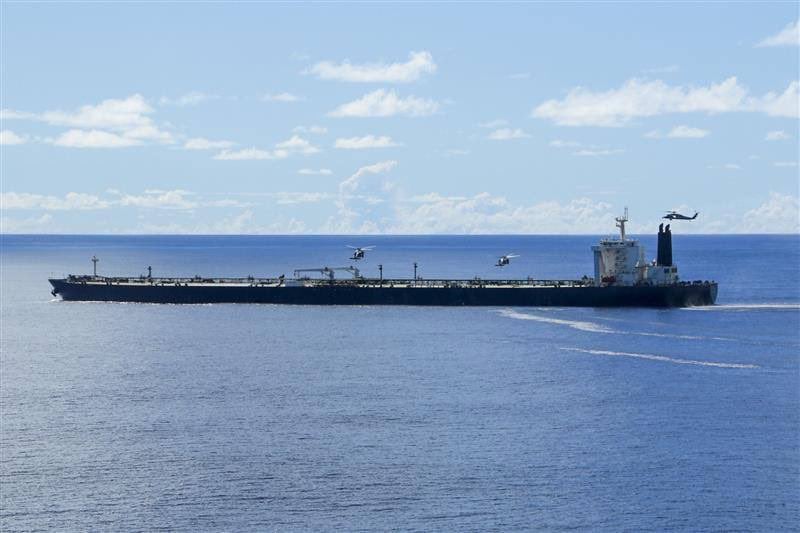
Treasury cited the case of the MAJESTIC X, formerly PHONIX (IMO 9198317), which was seized by U.S. military forces on April 22 while carrying Iranian oil. The tanker had been operating under a fraudulent Guyana flag.
The sanctions target Sharma, Shahid, two associates, and nine companies and organizations linked to the network, including Oceaniek Technologies India, Aryavart Ship Management Private Limited, and Eswatini Maritime Affairs and International Ship Registry.
OFAC Warns Maritime Industry Over False Flags
Alongside the designations, the Treasury’s Office of Foreign Assets Control (OFAC) issued a new industry alert warning that companies providing services to vessels operating under fraudulent flags could face sanctions or penalties.
The warning reflects a growing problem in the shadow fleet trade, where vessels increasingly rely on questionable or outright fraudulent registrations after being removed from legitimate flag registries.
OFAC said that while shadow fleet operators have long used frequent flag changes to obscure their activities, fraudulent registries have become an increasingly common way to keep sanctioned vessels operating.
These registries can create the appearance of legitimate registration even when the country whose flag is being used has never authorized the vessel to fly it.
OFAC urged insurers, financial institutions, and other maritime service providers to conduct additional due diligence when dealing with vessels showing signs of false registration.
Among the warning signs identified by OFAC are vessels with unknown flags, registration documents that cannot be verified, and discrepancies between a ship’s reported flag and the country code associated with its Maritime Mobile Service Identity (MMSI) number.
The agency also warned about vessels claiming flags from countries without recognized ship registries.
The implications extend beyond sanctions compliance.
Flag states are responsible for overseeing vessel safety, certification, and compliance with international maritime regulations. Vessels operating under fraudulent registrations may lack legitimate regulatory oversight and valid insurance coverage.
Treasury warned that falsely flagged vessels could expose coastal nations to billions of dollars in potential environmental and economic damages in the event of a major maritime casualty.
OFAC also encouraged governments to investigate fraudulent registries operating in their names and report suspected cases to the International Maritime Organization so that maritime databases accurately reflect vessels with invalid registrations.
Broader Pressure on Iran
The measures are part of Operation Economic Outcast, a sanctions campaign launched in August aimed at cutting off the financial networks supporting Iran’s oil exports and other economic activities.
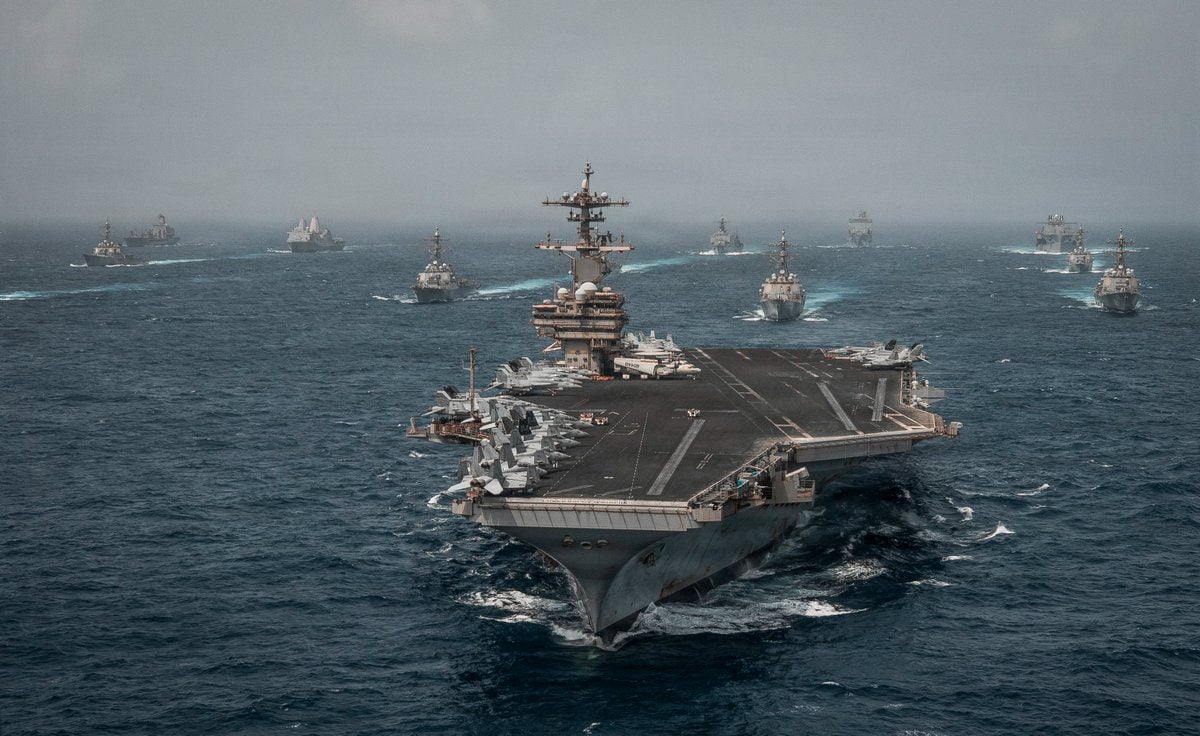
The latest action comes as the United States continues its maritime blockade of Iran amid the ongoing war, with Washington seeking to disrupt the networks that allow Iranian oil to reach international markets.
Treasury Secretary Scott Bessent warned that companies and individuals continuing to support the Iranian government would face consequences.
“We know where you are, and we will sanction those who continue supporting the Iranian regime, whether by land, sea, or air,” Bessent said.
The sanctions package also included Türkiye-based Fugo Ground Services Inc., which Treasury said continued providing ground handling services to several sanctioned Iranian airlines.
The maritime designations and new OFAC advisory highlight Washington’s growing focus on the service providers and intermediaries that keep Iran’s shadow fleet operating, rather than the tankers themselves.

 Join The Club