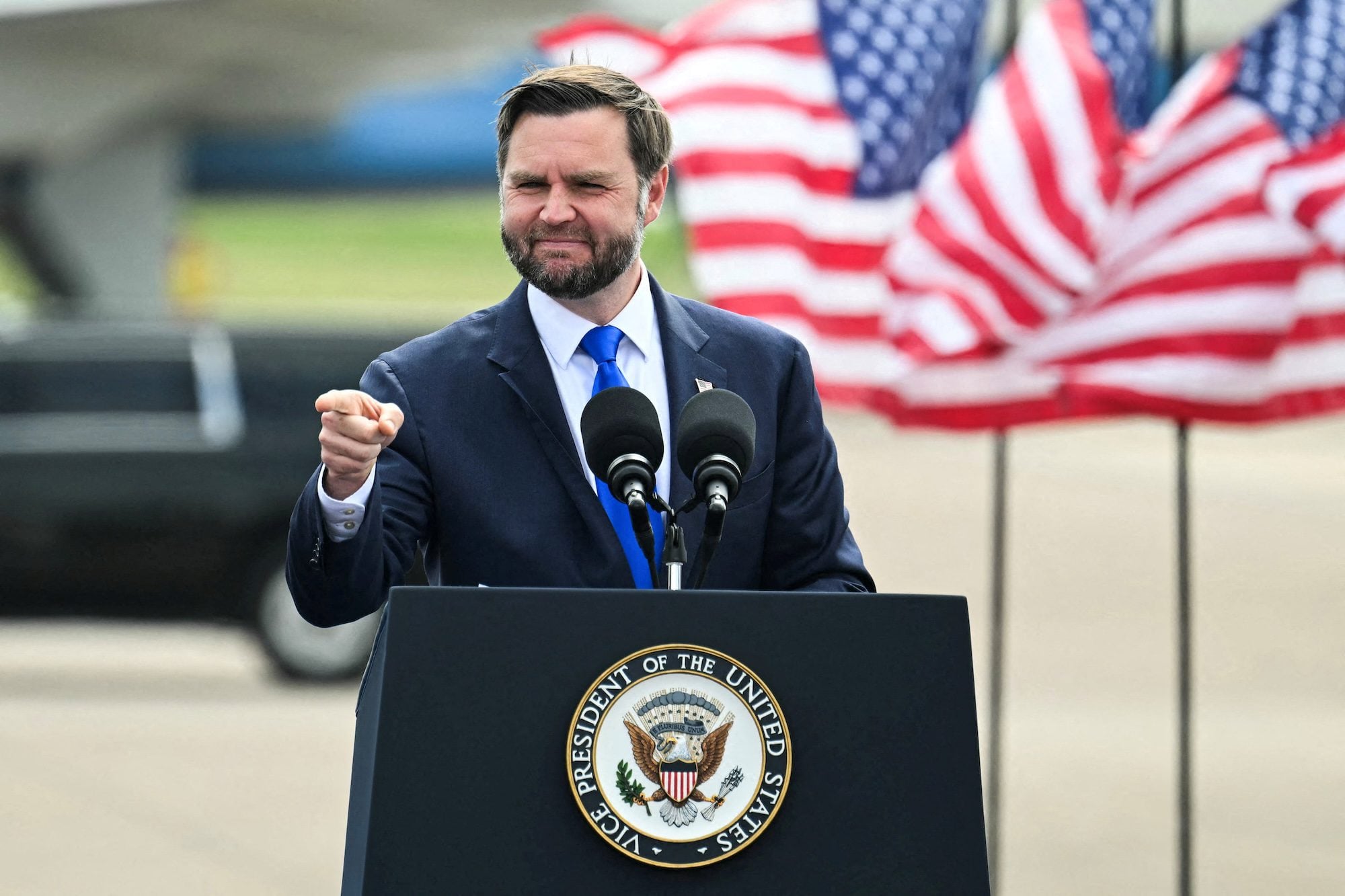
Vice President JD Vance on Wednesday blamed Republicans’ midterm election losses on the Trump administration’s eight-month war with Iran, which has driven up global energy prices and left commercial shipping under continued threat in the Strait of Hormuz.
“The reason we lost is the war. The president himself said so last night,” Vance wrote on X, a day after Democrats won control of both the House and Senate.
Vance argued that the results reflected growing frustration with the war, rather than simply a failure by Republicans to turn out their voters.
He cited internal polling showing four major concerns among voters: ending the Iran war, inflation and the cost of living, putting America first, and the United States’ relationship with Israel.
The remarks are notable coming from the vice president of an administration that launched the war in February and has spent much of the year defending its military campaign.
As recently as September, Vance resisted calling the conflict a war, telling reporters at a White House briefing that major combat operations had already ended.
“I wouldn’t call it a war,” he said at the time.
Vance also said Washington would not return to negotiations with Tehran until Iran stopped attacking commercial shipping through the Strait of Hormuz.
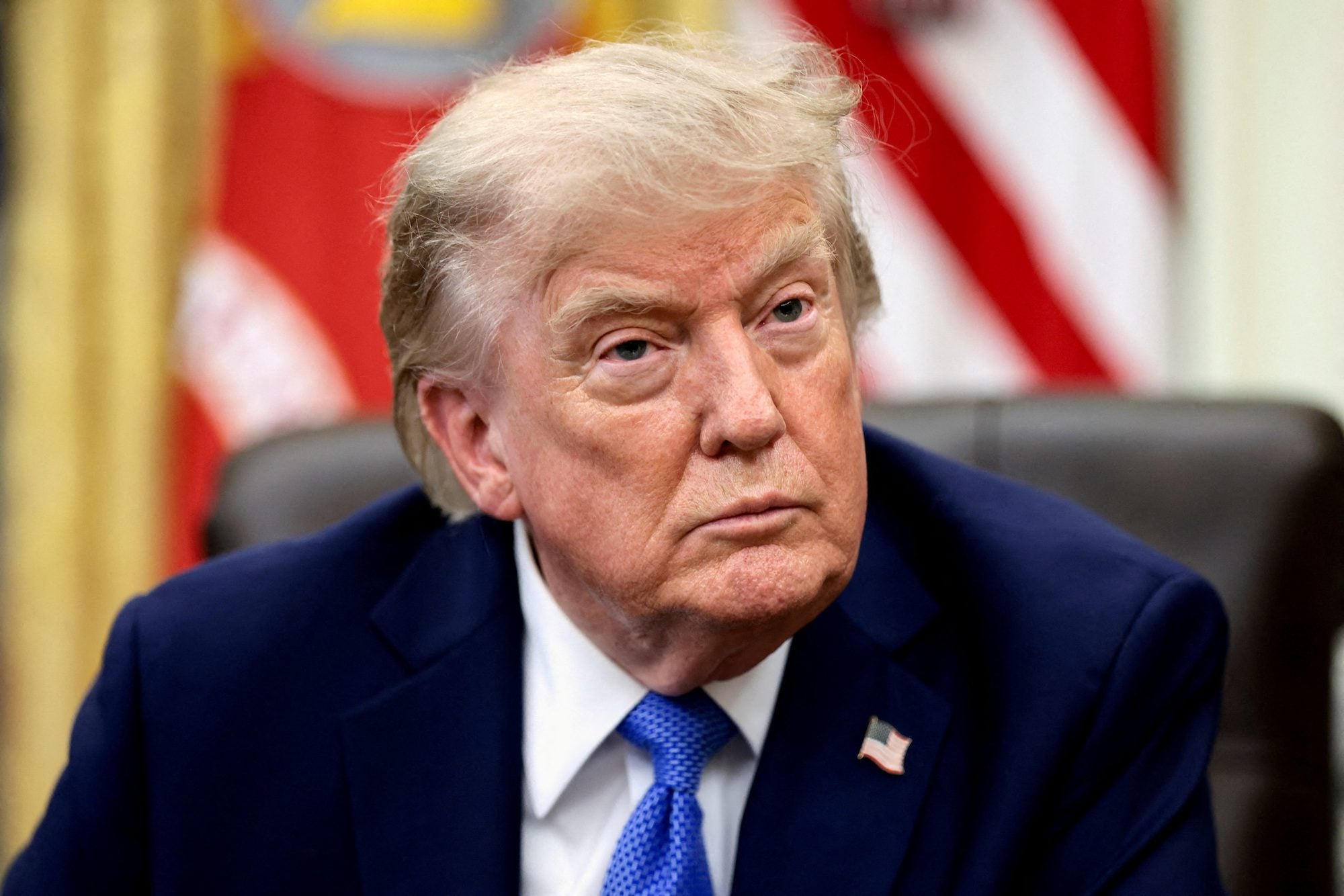
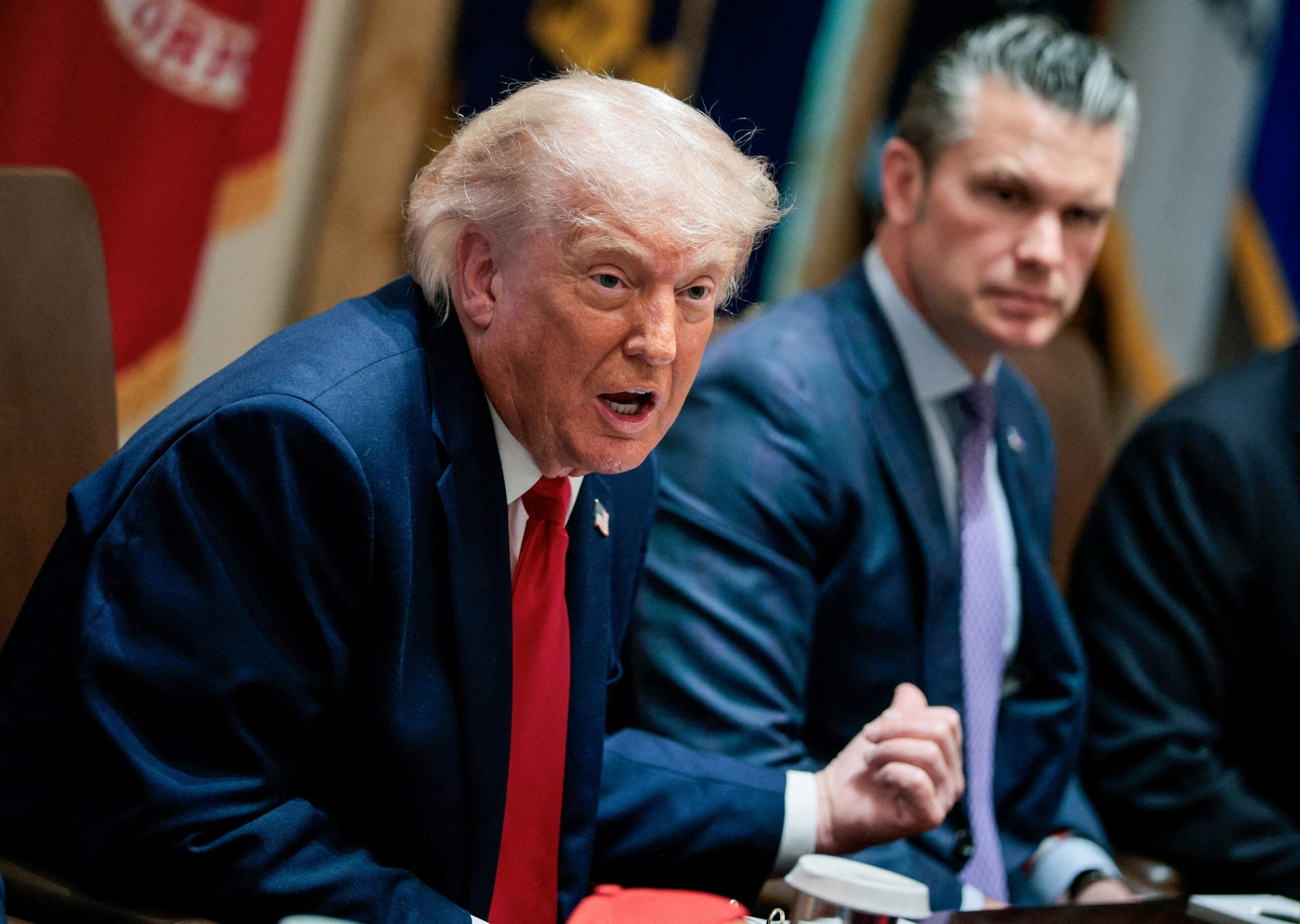
President Donald Trump has also acknowledged that the war contributed to Republicans’ election losses, although he defended his decision to launch the military campaign.
“I did the right thing. I would have done it again,” Trump told The Wall Street Journal.
The comments come as the administration faces growing pressure over the war’s economic consequences, including higher fuel prices and continued disruptions to global shipping.
Shipping Still Under Threat in Hormuz
The war, launched by the United States and Israel on February 28, has left the Strait of Hormuz at the center of a prolonged military and economic standoff.
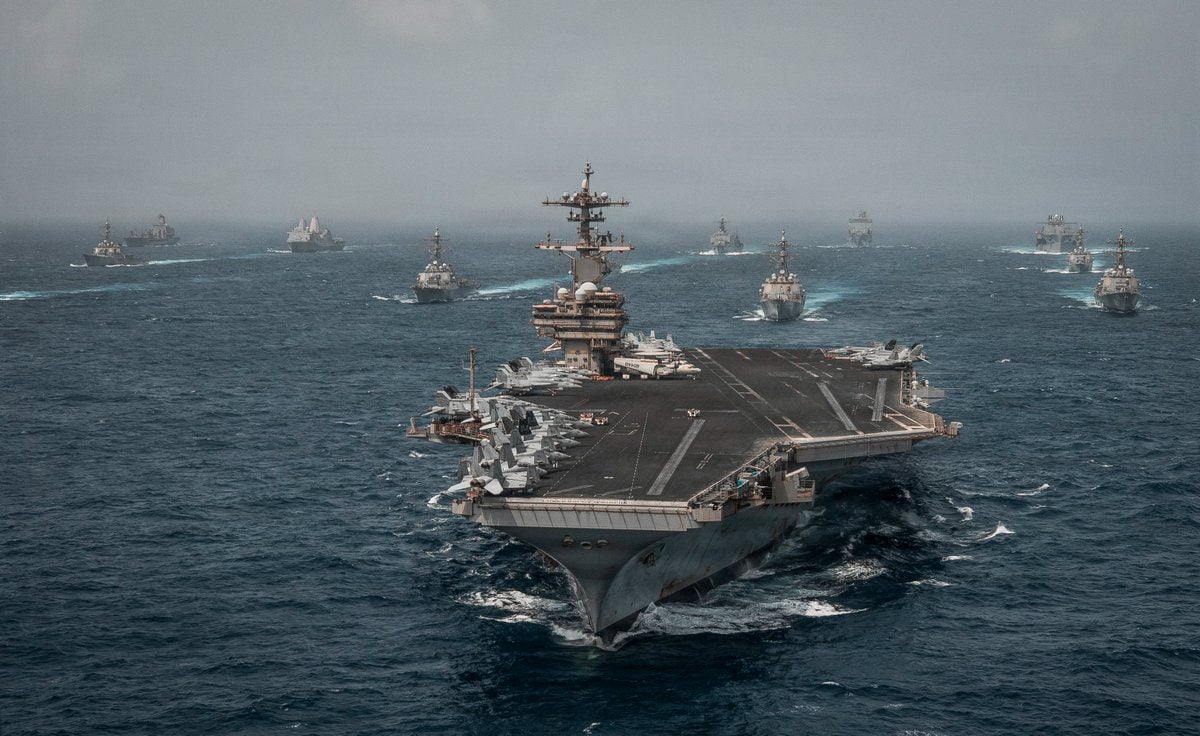
The United States has maintained a blockade targeting Iranian maritime commerce, while Iran has continued attacking merchant ships in the Strait of Hormuz and Persian Gulf.
Although tanker traffic has recovered considerably from the early months of the conflict, the security situation remains volatile.
Several new maritime incidents were reported over the weekend, including attacks on tankers and other commercial vessels. The United Kingdom Maritime Trade Operations (UKMTO) issued additional warnings this week, highlighting the continued danger to merchant shipping despite U.S. efforts to secure the waterway.
The disruption has driven up tanker rates, war-risk insurance costs, and global energy prices. Brent crude has remained above $100 a barrel, while higher gasoline and diesel prices have added to concerns about the cost of living in the United States.
The election results now add another layer of uncertainty over the future of the conflict.
With Democrats set to take control of Congress in January, the administration could face greater scrutiny of its military strategy, the continued blockade of Iranian shipping, and the economic costs of the war.
Congress controls defense spending and could pursue legislation seeking to limit military operations, although Trump would retain substantial executive authority and the ability to veto legislation.
For the shipping industry, the immediate questions remain whether Washington will continue its current approach, resume major combat operations, or reach an agreement with Tehran that could reduce threats to commercial vessels.
Vance’s remarks come as the White House weighs those options, with the vice president now publicly blaming the administration’s own war for Republicans’ loss of Congress.

 Join The Club