The U.S. Coast Guard is exploring the use of commercial icebreaking vessels to help keep Northeast ports and waterways open this winter, as the service prepares for another season of potentially disruptive ice conditions.
In an October 21 Request for Information (RFI) posted on SAM.gov, the Coast Guard is seeking U.S.-flag, Jones Act-qualified vessels capable of supporting emergency icebreaking operations across New England and southern Connecticut.
The goal is to maintain commercial shipping channels, ensure deliveries of critical cargo, and reduce navigational risks during periods of heavy ice.
The Coast Guard is looking for vessels capable of operating in ice ranging from 4 to 18 inches thick, with the ability to mobilize to the Northeast by January 2, 2027.
Potential operating areas include Boston Harbor, the Cape Cod Canal, Buzzards Bay, Nantucket, Martha’s Vineyard, Narragansett Bay, and Connecticut ports including Bridgeport, Stamford, and New Haven.
Under the proposed arrangement, commercial operators would provide the vessels, crews, equipment, and supervision, while the Coast Guard would direct operational priorities.
The service anticipates providing 72 hours’ notice before operations, with a minimum seven-day operating window for continuous support. Vessels would be expected to work up to 12 hours per day during daylight hours, with longer operations requiring approval.
The Coast Guard is also asking operators to describe their ability to clear shipping channels, maintain navigable tracks, escort vessels carrying critical cargo, and assist communities affected by ice jams or flooding.
Only U.S.-flag, coastwise-qualified vessels will be considered.
The request follows a difficult 2025–2026 winter that saw severe ice conditions across the Northeast and Great Lakes, forcing the Coast Guard to deploy icebreaking assets to maintain commercial navigation.
In January, the Coast Guard launched Operation Reliable Energy for Northeast Winters (RENEW), emphasizing the importance of keeping heating oil and other essential supplies moving through the region’s waterways.
At the time, the service acknowledged that some icebreaking assets were undergoing maintenance and upgrades, requiring operational adjustments to concentrate resources where they were most needed.
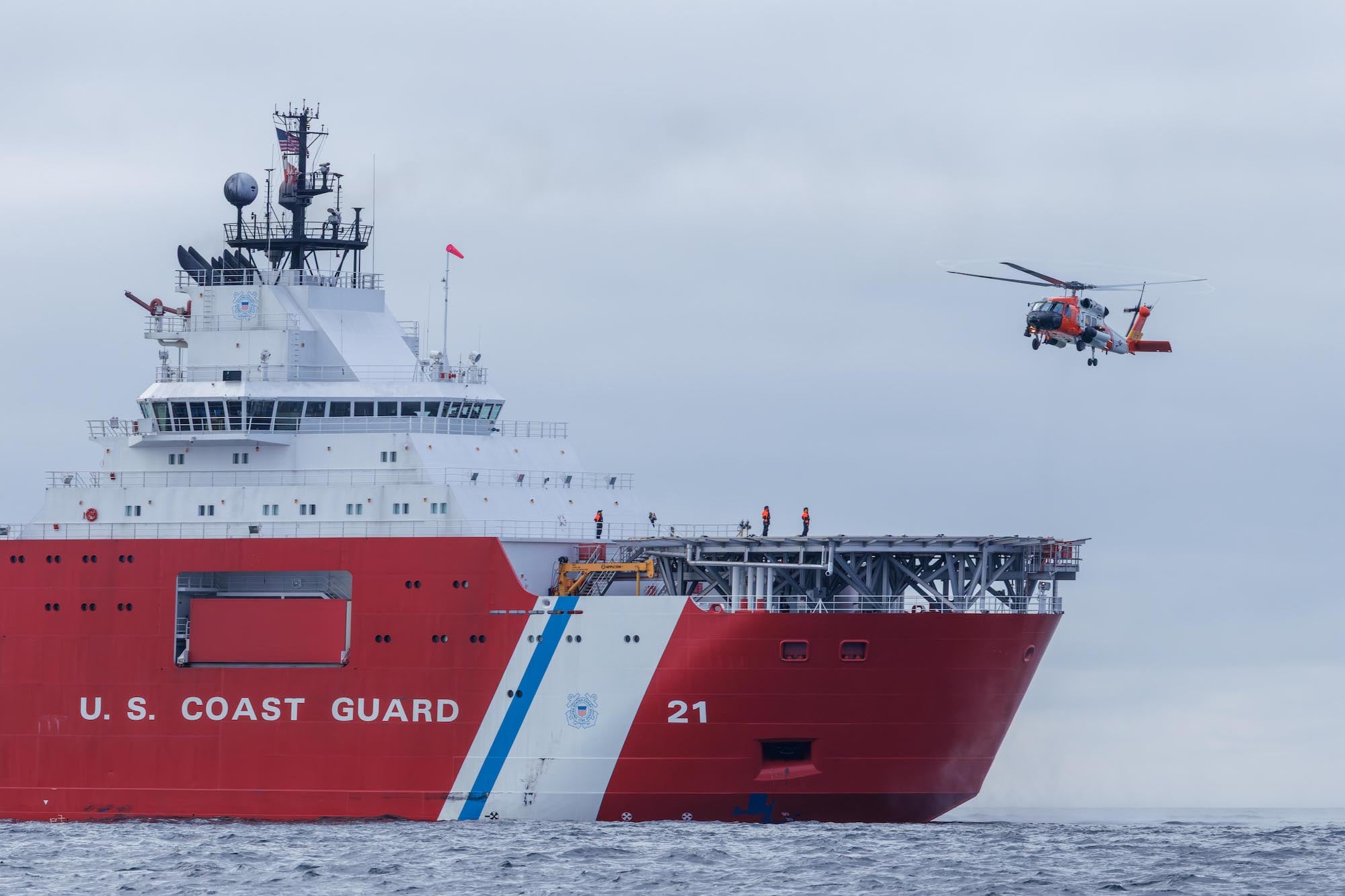
The new commercial vessel initiative also comes as the Coast Guard moves forward with plans to modernize its aging domestic icebreaking fleet.
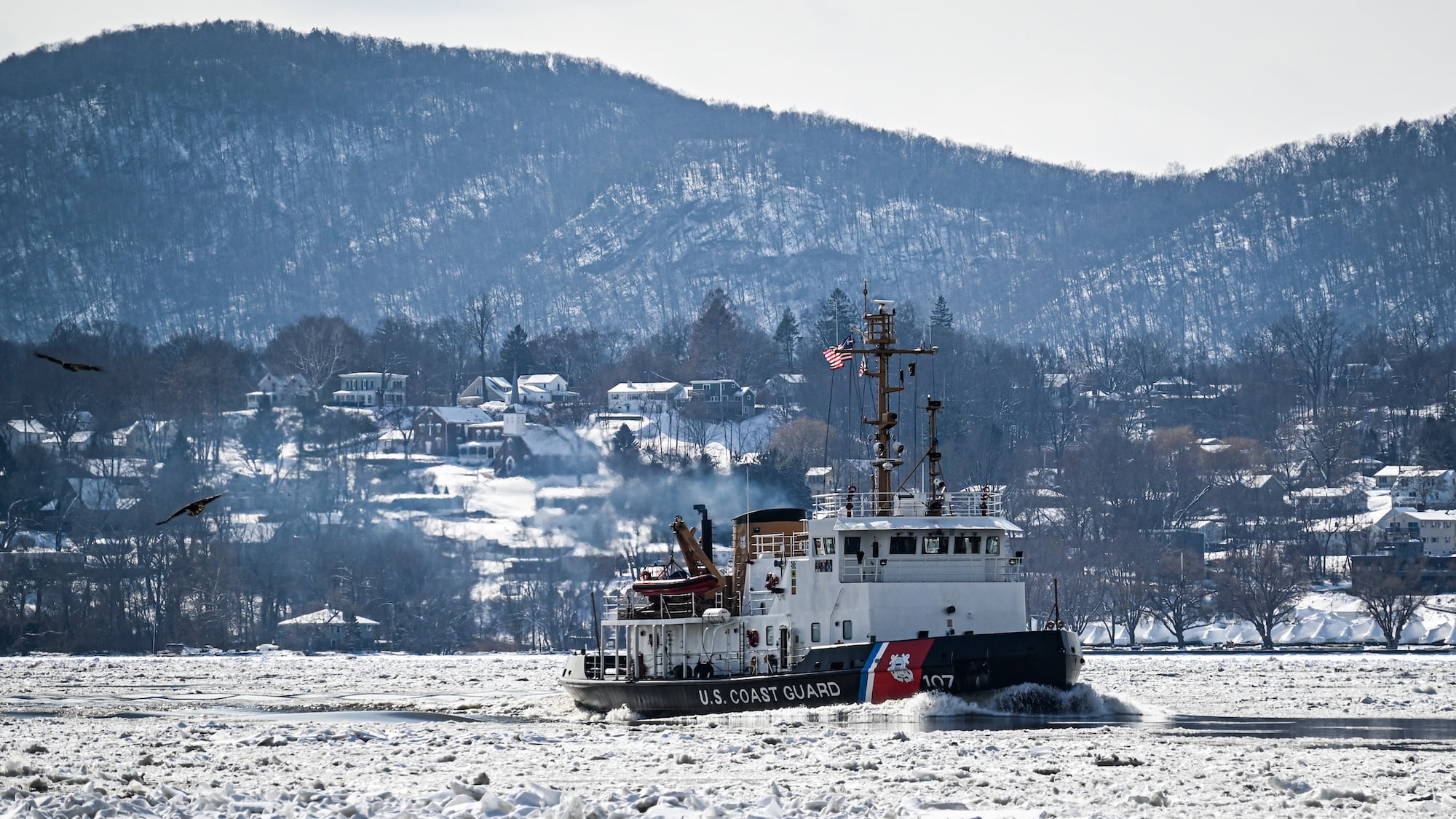
The service is pursuing the acquisition of up to seven Homeland Security Cutter–Light Icebreakers to replace its aging 65-foot icebreaking tugs, which perform critical winter missions throughout the Northeast. The Coast Guard issued a formal solicitation for the new vessels earlier this year, with final proposals due in October.
The commercial icebreaking request could provide another option for meeting near-term winter demands while that modernization effort moves forward.
For now, the Coast Guard is conducting market research rather than soliciting binding bids. The agency is requesting information on vessel capabilities, previous icebreaking experience, mobilization timelines, operating limitations, and potential contract structures.
Operators may also submit preliminary pricing information, including daily rates and mobilization costs.
The RFI does not specify how many commercial vessels may ultimately be needed or the potential value of a future contract.
Responses are due November 13, 2026, at 5 p.m. Eastern.
The Coast Guard emphasized that the notice is for planning purposes only and does not guarantee a future solicitation or contract award.

 Join The Club