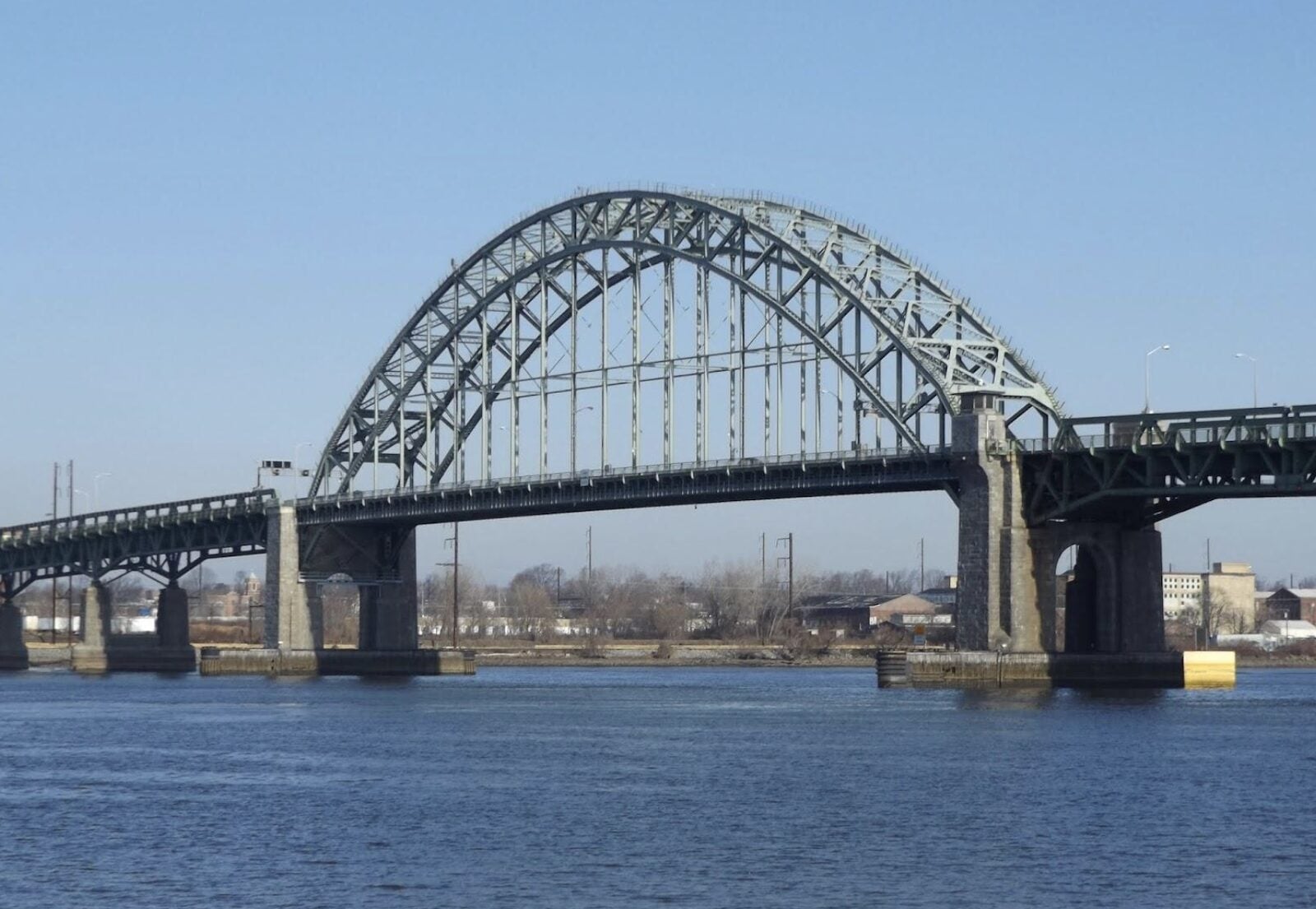
A Singapore-flagged bulk carrier struck the Tacony-Palmyra Bridge on the Delaware River Thursday afternoon, leaving the movable span temporarily unable to close and prompting a U.S. Coast Guard inspection of the vessel.
The incident occurred around 1:15 p.m. as the 591-foot (180-meter) Strategic Alliance was transiting the river with the bridge’s draw span open for marine traffic, according to the Coast Guard.
The vessel, identified in shipping databases as a roughly 40,000-dwt bulk carrier (IMO 9648075), was subsequently moored at a Kinder Morgan facility in Bristol, Pennsylvania, where Coast Guard inspectors were dispatched to assess its condition.
No injuries were reported.
The circumstances of the collision remain unclear, including which part of the bridge the vessel struck and whether the ship sustained any damage. Authorities have not disclosed what cargo the vessel was carrying or identified a cause for the incident.
The bridge, which connects Philadelphia with Palmyra, New Jersey, initially remained in the raised position following the strike. Pennsylvania state Rep. Ed Neilson reported that the bridge was unable to close, triggering major traffic disruptions on both sides of the Delaware River.
According to the Associated Press, the Coast Guard said the bridge also remained open to allow another vessel to pass through before the span was eventually lowered.
The Burlington County Bridge Commission, which operates the crossing, began inspecting the structure and assessing the extent of the damage.
The Tacony-Palmyra Bridge, opened in 1929, spans a navigable section of the Delaware River used by commercial vessels serving terminals upriver from Philadelphia. Its movable span allows larger ships to pass through the crossing.
The incident comes amid heightened scrutiny of vessel collision risks at U.S. bridges following the March 2024 collapse of Baltimore’s Francis Scott Key Bridge, which killed six workers after being struck by the containership Dali.
In March 2025, the National Transportation Safety Board identified 68 bridges across 19 states requiring vulnerability assessments, warning that the Baltimore bridge’s risk of collapse from a vessel strike had been nearly 30 times the acceptable threshold for critical bridges. The findings raised broader concerns about whether aging bridge infrastructure is adequately protected against collisions with large commercial vessels.
The cause of the incident remains under investigation. Authorities have not reported whether the collision resulted in any restrictions on commercial vessel movements along the Delaware River.

 Join The Club