U.S. Central Command on Tuesday publicly denied reports that the U.S. Navy has resumed escorting commercial ships through the Strait of Hormuz under the previously suspended “Project Freedom” operation, directly contradicting reporting earlier in the day by The Wall Street Journal.
“CLAIM: Recent media reporting claims that the U.S. Navy has restarted escorting or assisting commercial vessels during transits through the Strait of Hormuz. FALSE,” CENTCOM said in a post on X.
“TRUTH: Project Freedom has not resumed, and U.S. forces are not currently escorting commercial vessels through the Strait of Hormuz.”
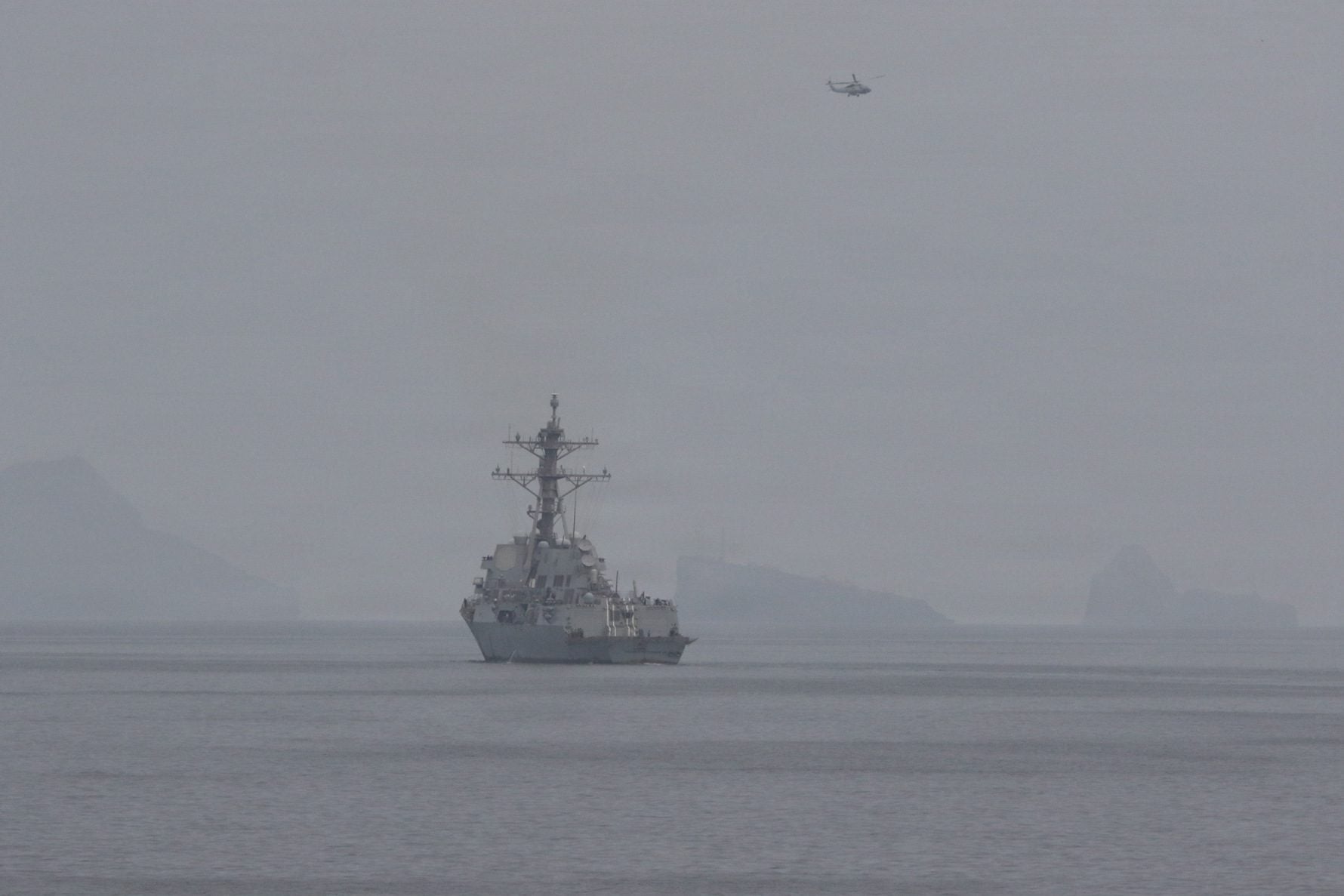
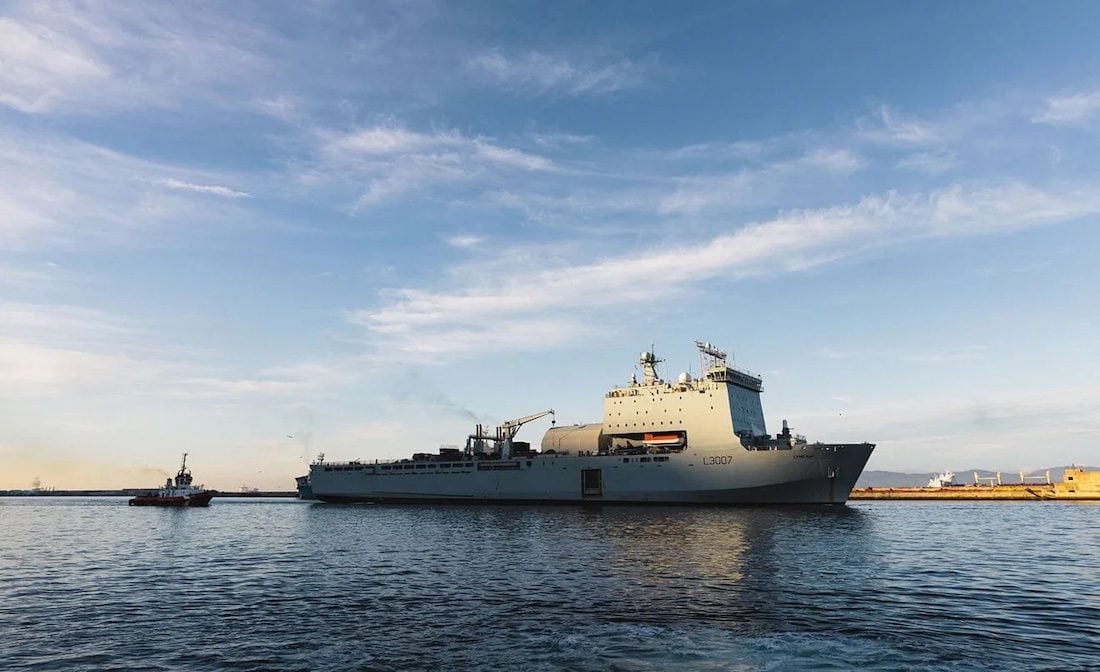
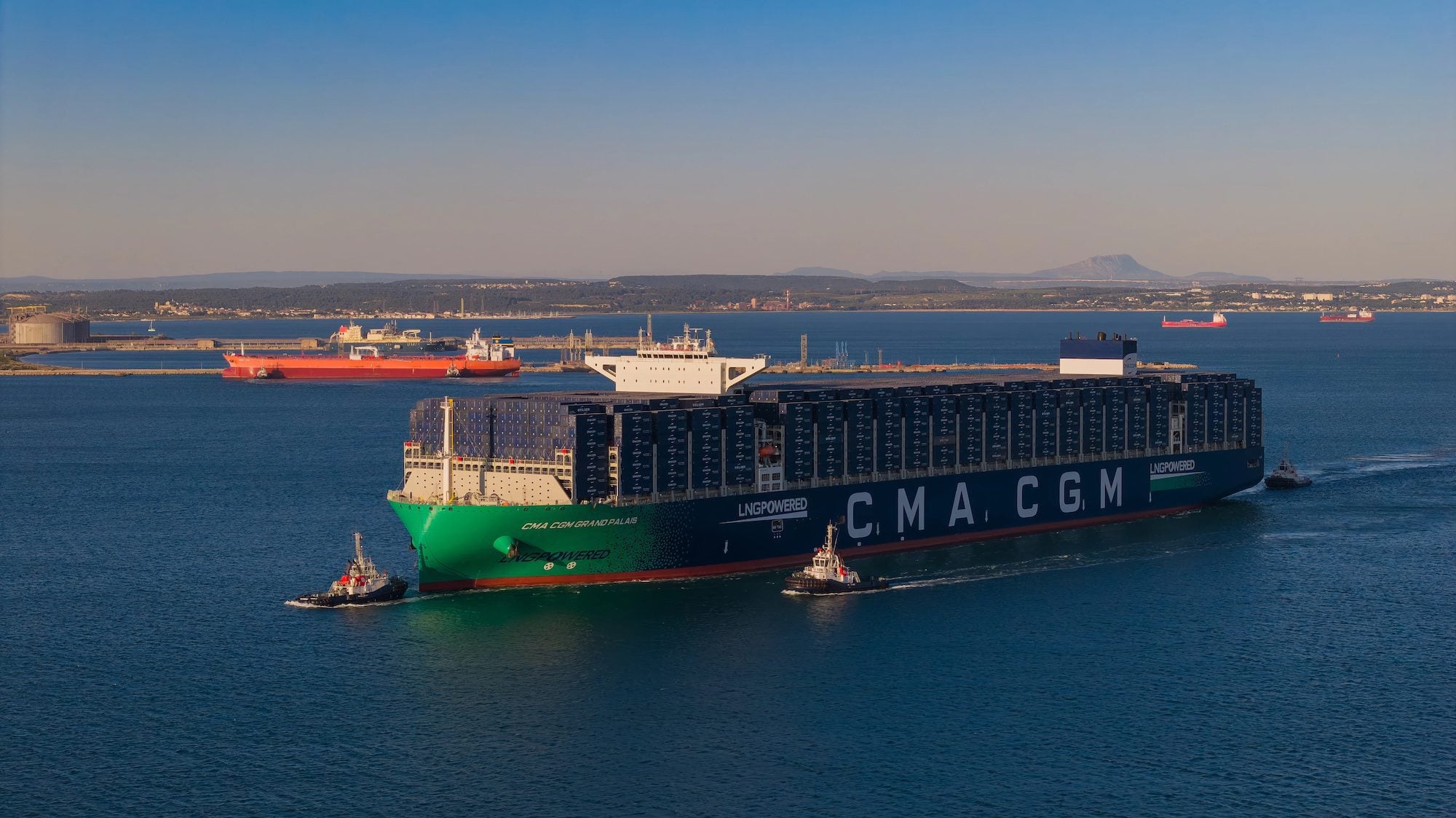
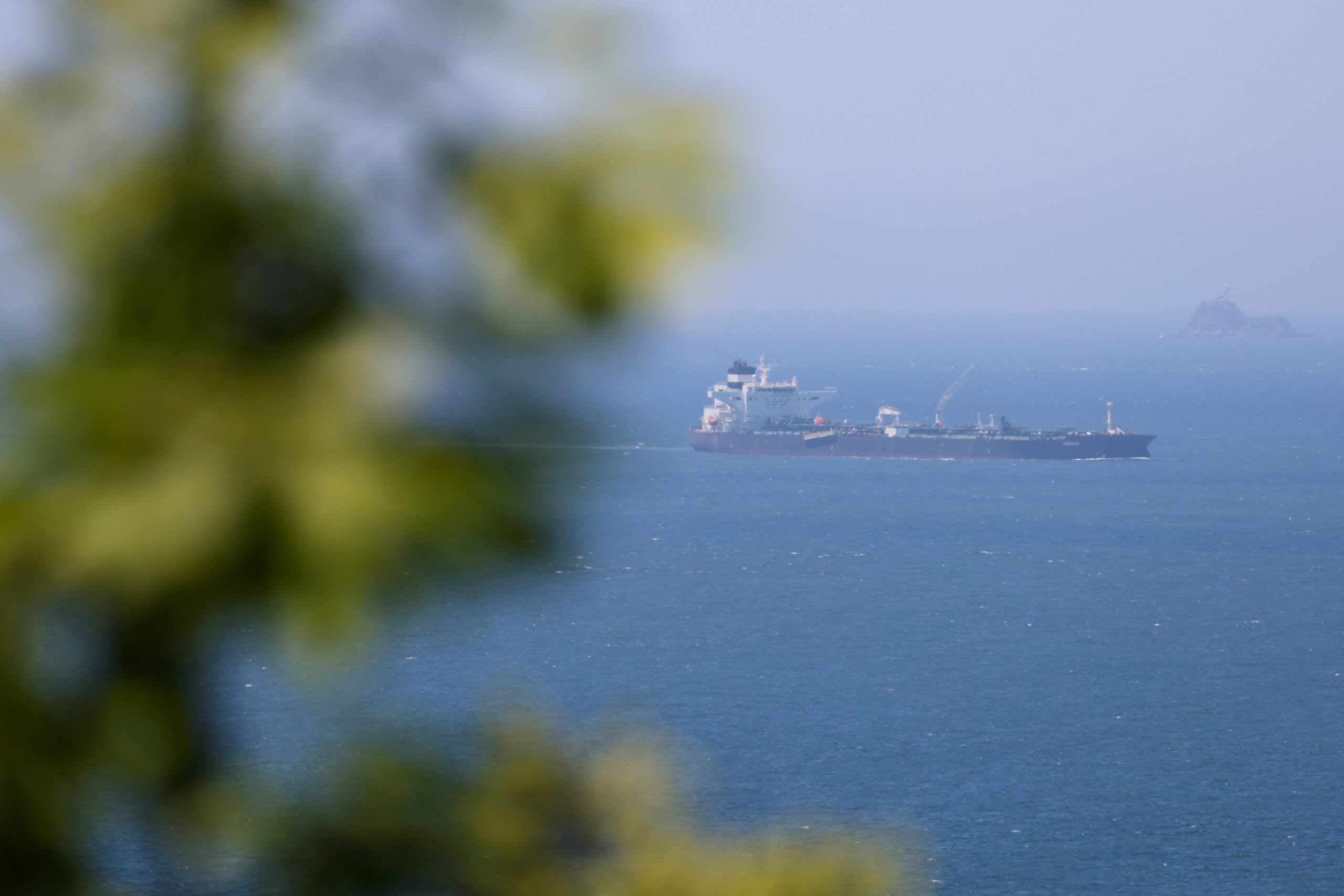
The statement appeared aimed at tamping down growing speculation that Washington had quietly restarted the controversial operation after reports emerged that a Greek supertanker carrying roughly two million barrels of crude oil had recently been guided out of the Persian Gulf by U.S. naval forces.
According to The Wall Street Journal, U.S. military officials said the tanker transit was part of a renewed effort to assist stranded commercial shipping through the strategically vital waterway. Officials reportedly claimed the Navy planned to help roughly a dozen additional vessels transit the Strait over the coming days.
CENTCOM’s denial now throws those reports into question and highlights the continuing confusion surrounding the status of U.S. maritime operations in the Gulf.
Project Freedom was first announced in early May as a tightly controlled operation designed to guide select commercial vessels through an “enhanced security corridor” along Oman’s territorial waters south of the Strait’s traditional Traffic Separation Scheme.
The initiative came after more than two months of severe disruption in the region following the U.S.-Iran conflict and Iran’s effective assertion of control over commercial traffic through Hormuz.
At the time, U.S. officials framed the operation as a humanitarian and defensive mission intended to help stranded vessels safely exit the Gulf rather than a full restoration of freedom of navigation.
Only two confirmed transits occurred before President Donald Trump abruptly paused the initiative on May 5, citing ongoing negotiations with Iran.
“We have mutually agreed that, while the Blockade will remain in full force and effect, Project Freedom (The Movement of Ships through the Strait of Hormuz) will be paused for a short period of time to see whether or not the Agreement can be finalized and signed,” Trump wrote at the time.
The suspension came despite senior U.S. officials earlier that same day publicly touting the operation as the first meaningful effort to restart limited commercial traffic through the Strait.
Since then, commercial shipping activity through Hormuz has remained severely depressed compared to pre-conflict levels, with shipowners, insurers, and maritime security advisers continuing to warn that the region remains highly unstable.
Industry concerns have focused not only on missile and drone attacks, but also unresolved mine threats, war-risk insurance withdrawals, electronic interference, and the absence of any broadly recognized security guarantees for commercial shipping.
The conflicting narratives surrounding Project Freedom are likely to further complicate decision-making for shipowners already weighing whether conditions in the Strait are safe enough to resume normal operations.
As of Tuesday, CENTCOM’s position appears unequivocal: the operation remains paused, and the U.S. military is not currently escorting commercial vessels through the Strait of Hormuz.
Editorial Standards · Corrections · About gCaptain

 Join The Club