Don’t Miss Your Daily Briefing for the Maritime Industry
Join the leading maritime news network
— trusted by our 107,252 members
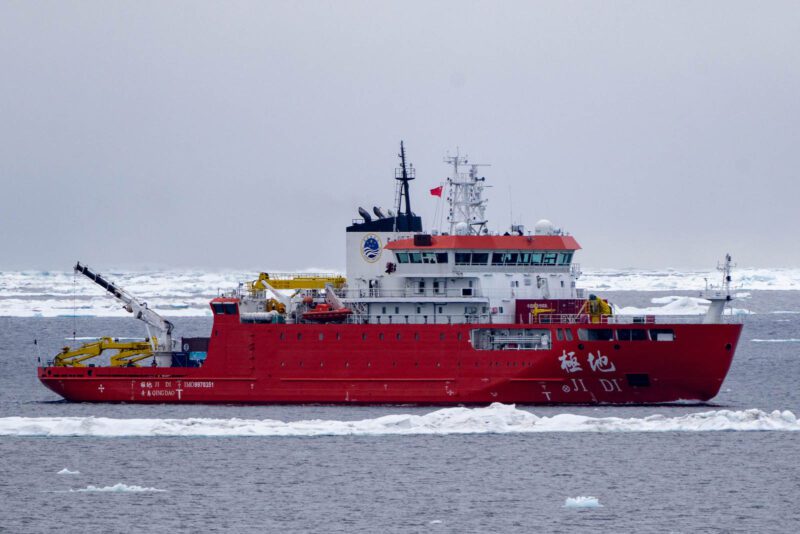
The Liberia-flagged Chinese research ship, Zhong Shan Da Xue Ji Di, operating over the delineated U.S. Extended Continental Shelf, approximately 230 miles north of Utqiagvik, Alaska, Aug. 31, 2025. U.S. Coast Guard Photo
U.S. Coast Guard Sends Icebreaker ‘Healy’ to Monitor Chinese Research Vessels Off Alaska
The U.S. Coast Guard has responded to two Chinese research vessels operating in waters off Alaska’s northern coast, highlighting growing strategic competition in the rapidly changing Arctic region.
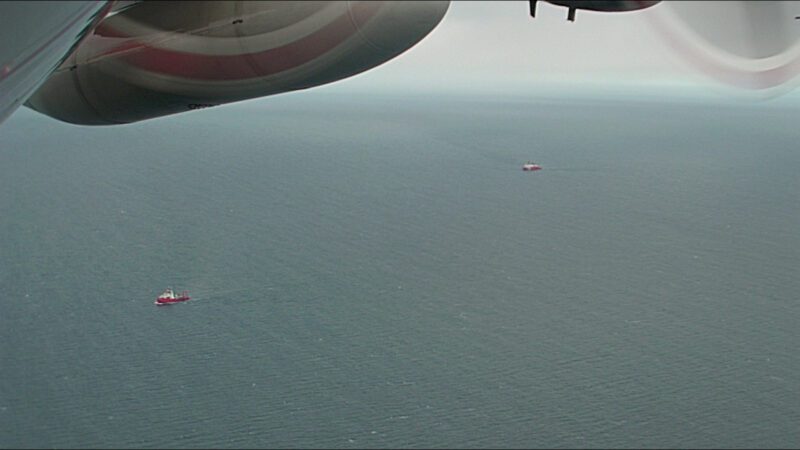
Between August 31 and September 2, Coast Guard assets were deployed to monitor the Chinese-flagged research vessel JIDI, found approximately 265 miles northwest of Utqiagvik, and the Liberia-flagged Chinese research ship Zhong Shan Da Xue Ji Di, located about 230 miles north of Utqiagvik.
Both vessels were operating over the U.S. Extended Continental Shelf and are part of a group of five Chinese vessels recently active in Arctic waters.
The Coast Guard Arctic District deployed the USCGC Healy (WAGB-20) to monitor and query both vessels, with additional aerial support from an HC-130J Hercules aircraft from Air Station Kodiak.
“This operation highlights the value of our ice-capable fleet,” said Rear Adm. Bob Little, commander of the U.S. Coast Guard Arctic District. “The U.S. Coast Guard is controlling, securing, and defending the northern U.S. border and maritime approaches in the Arctic to protect U.S. sovereignty, and Healy’s operations demonstrate the critical need for more Coast Guard icebreakers to achieve that.”
The response operations were conducted under Coast Guard Arctic District’s Operation Frontier Sentinel, designed to counter adversary activity in U.S. waters.
The China-flagged research vessel JIDI operates approximately 265 miles northwest of Utqiagvik, Alaska, September 2, 2025. U.S. Coast Guard Photo
Prior to responding to the Chinese vessels, Coast Guard Cutters Waesche (WMSL 751) and Healy conducted a joint patrol in the Arctic Ocean, part of the service’s commitment to maintaining a presence in the region.
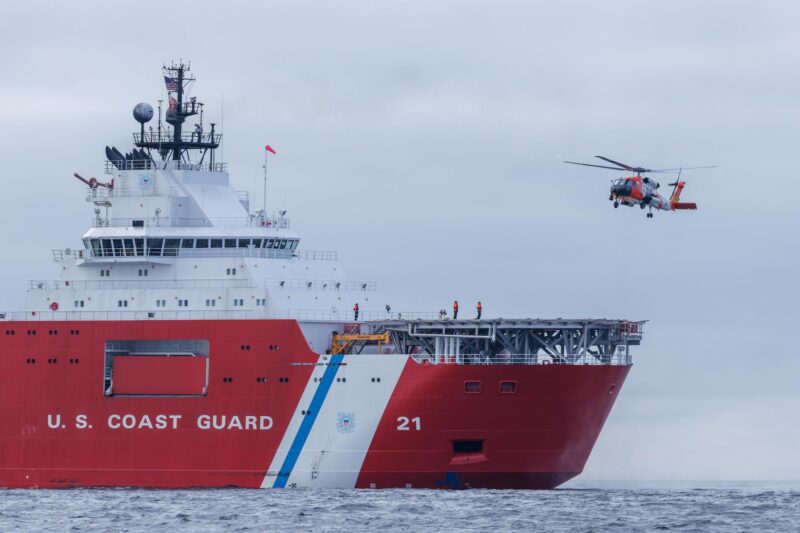
In August, the Coast Guard bolstered its Arctic capabilities by commissioning the Cutter Storis (WAGB 21) in Juneau. The Storis is currently operating in the Bering Sea and Arctic to secure U.S. national security interests.
The five Chinese research vessels operating in the region have been identified as: Xue Long 2 (China flagged), Shen Hai Yi Hao (China flagged), Zhong Shan Da Xue Ji Di (Liberia flagged), Ji Di (China flagged), and Tan Suo San Hao (China flagged).
According to Rear Adm. Little, “Commissioning the Storis and Earl Cunningham increases our ability to control, secure, and defend Alaska’s U.S. border and maritime approaches. As we continue to grow our surface fleet, we utilize our aviation resources which play a vital role in countering foreign malign influence.”
The Coast Guard continues to monitor ongoing Chinese activity in the region.
Coast Guard Cutter Healy (WAGB 20) responding to the Liberia-flagged Chinese research ship, Zhong Shan Da Xue Ji Di, over the delineated U.S. Extended Continental Shelf, approximately 230 miles north of Utqiagvik, Alaska, Aug. 31, 2025. U.S. Coast Guard PhotoCrewmembers from the Coast Guard Cutter Storis (WAGB 21) conduct helicopter operations with an MH60-Jayhawk helicopter air crew from Coast Guard Air Station Kodiak, Alaska, while underway in the Gulf of Alaska, Aug. 20, 2025. U.S. Coast Guard Photo
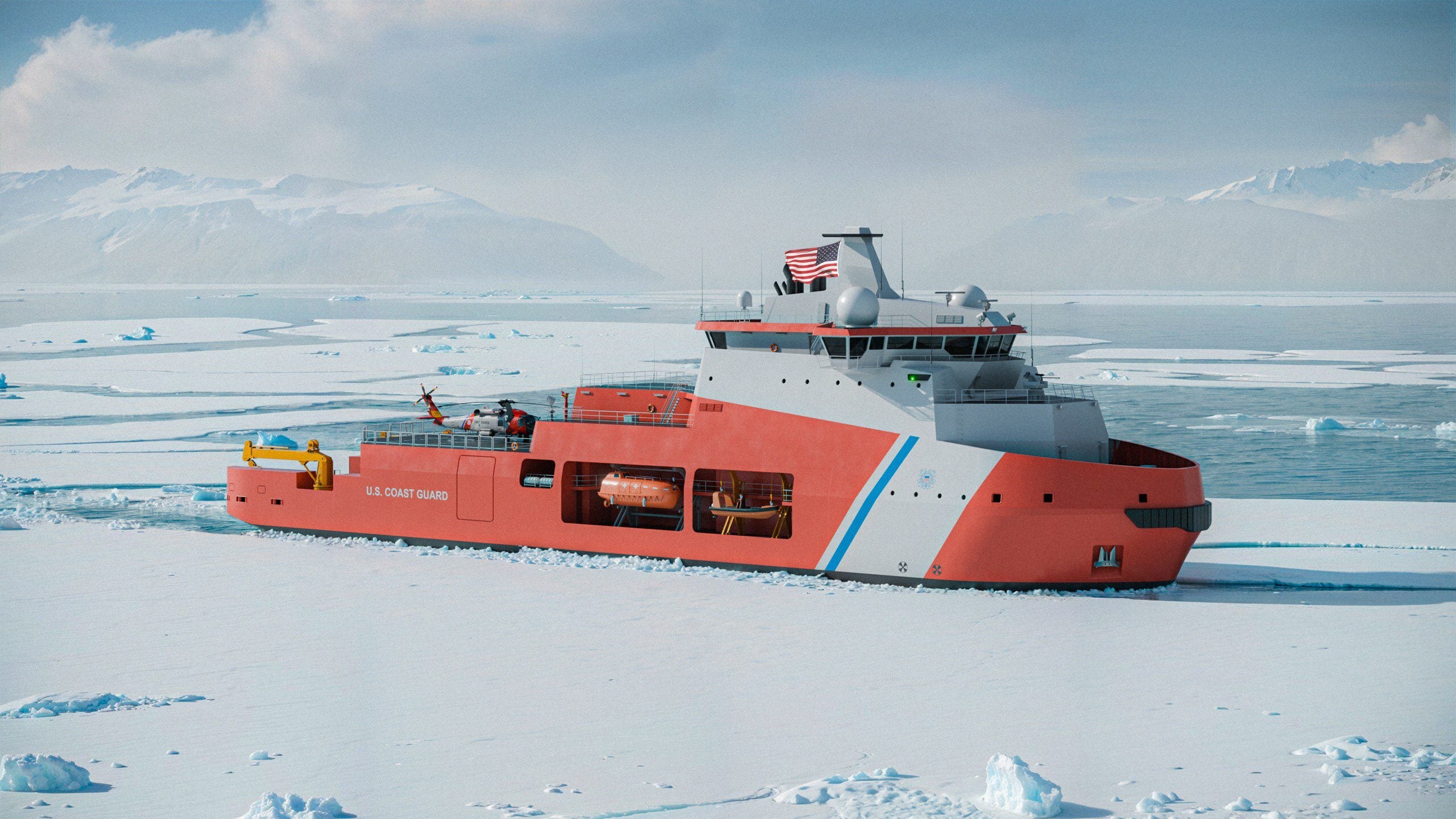
The U.S. Coast Guard has completed contract awards for all 11 Arctic Security Cutters, closing out a major icebreaker expansion aimed at strengthening U.S. presence and operational capability in the Arctic amid rising competition in the High North.
The U.S. Coast Guard has seized more than 200,000 pounds of cocaine in the Eastern Pacific since launching Operation Pacific Viper in August, marking one of the largest maritime counter-drug efforts in recent years as U.S. forces also intensify operations against trafficking routes at sea.
Despite receiving nearly $25 billion in supplemental funding—the largest investment in its history—the U.S. Coast Guard continues to face critical workforce shortages and equipment readiness gaps, according to a new Government Accountability Office report that warns money alone will not fix the service’s deep-rooted operational challenges.
February 5, 2026
Total Views: 3140
Get The Industry’s Go-To News
Subscribe to gCaptain Daily and stay informed with the latest global maritime and offshore news
— just like 107,252 professionals
Secure Your Spot
on the gCaptain Crew
Stay informed with the latest maritime and offshore news, delivered daily straight to your inbox
— trusted by our 107,252 members
Your Gateway to the Maritime World!
Essential news coupled with the finest maritime content sourced from across the globe.

 Join The Club