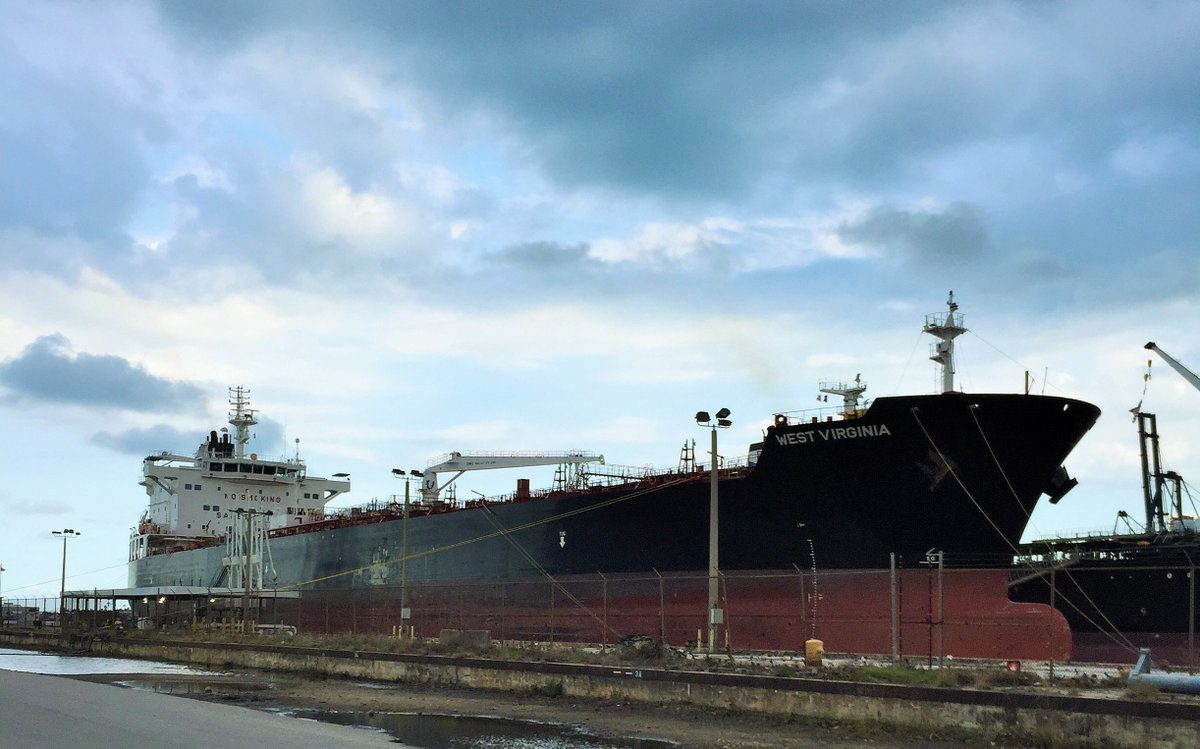
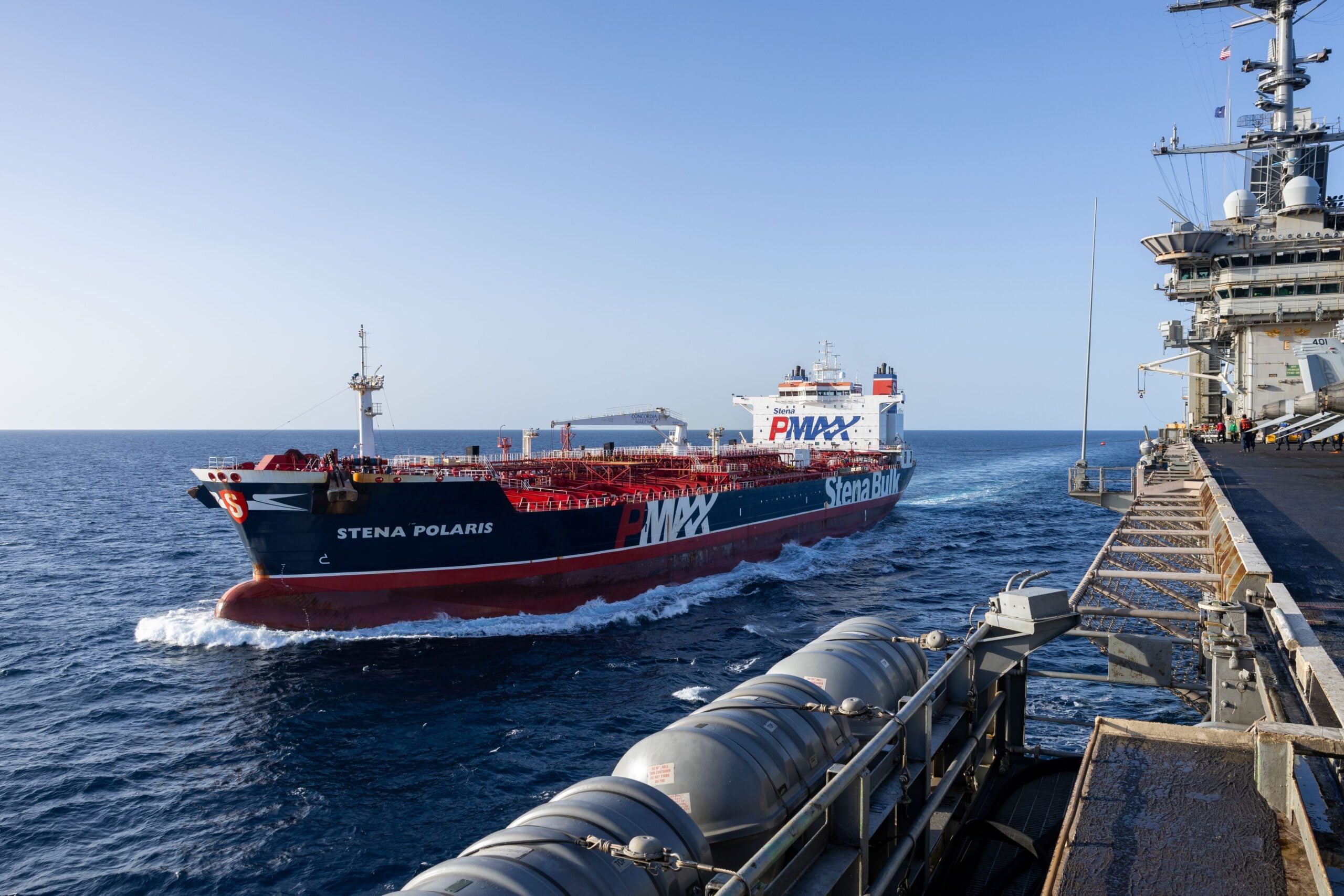
The U.S. Coast Guard is quashing the latest rumor on tankers looking to reposition to the Atlantic and Pacific trades instead of staying in the Middle East.
Early on Thursday, in some tanker circles, there was chatter of tanker owners looking to register with the Coast Guard to be eligible to trade in the U.S.
“The Coast Guard is aware of this public reporting,” said a Coast Guard spokesperson. “However, we cannot verify this is happening.”
No registrations have been filed.
In order for foreign tankers to have the ability to transfer cargo in the U.S. they are subject to U.S. jurisdiction and have to meet administrative U.S. requirements.
“Tankers must hold a valid tank vessel response plan and certificate of financial responsibility; and a physical Certificate of Compliance exam to verify compliance with relevant U.S and international safety and security standards,” added the Coast Guard spokesperson. “Timelines to complete these requirements vary on a case-by-case basis.”
Energy bottlenecks are tightening fast on a global scale. In the United States, jet fuel on the west coast has seen a drop in South Korean exports. The country recently pulled back on exports as a result of energy self-preservation.
The United States may be energy efficient, but foreign tankers are not allowed to go port to port in the country. Only Jones-Act tankers can.
Press secretary Karoline Leavitt said in a statement on Thursday, the Trump administration is considering waiving the Jones Act for a limited period to ensure energy and agricultural shipments can move between U.S. ports.
“In the interest of national defense, the White House is considering waiving the Jones Act for a limited period of time to ensure vital energy products and agricultural necessities are flowing freely to U.S. ports,” said Leavitt.
The last time the Jones Act was waived was during Hurricane Harvey and Hurricane Maria in 2017.
Editorial Standards · Corrections · About gCaptain

 Join The Club