The White House has approved a 60-day Jones Act waiver, moving forward with a controversial policy that U.S. shipping interests warned just days ago would do little to lower fuel prices—and is now drawing fresh backlash from maritime labor groups.
Press Secretary Karoline Leavitt confirmed the decision Tuesday, saying the waiver is intended to mitigate short-term disruptions to the oil market as U.S. forces continue operations tied to Operation Epic Fury against Iran.
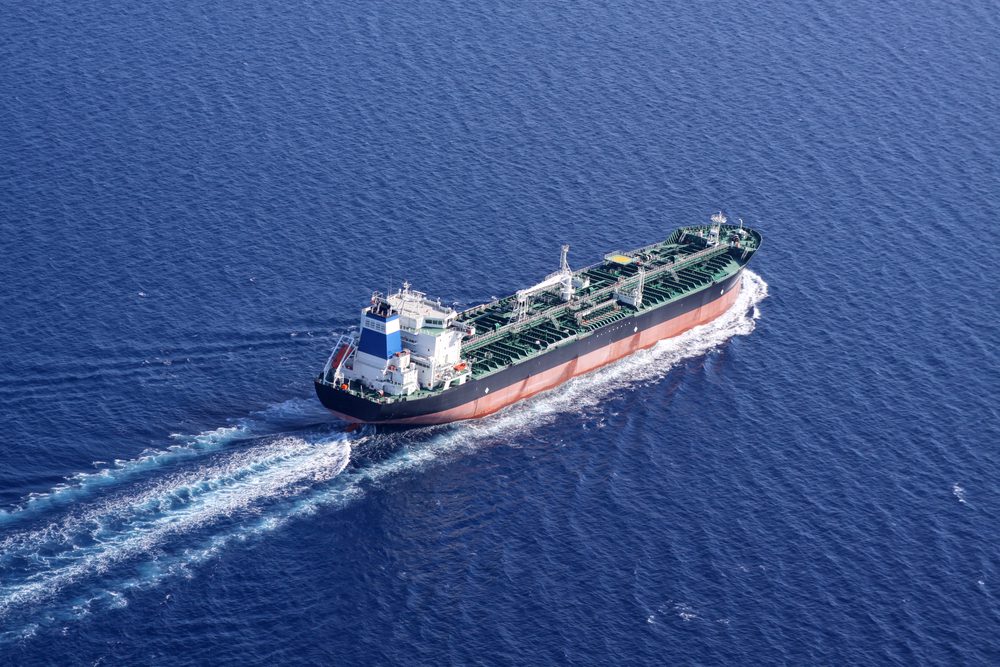
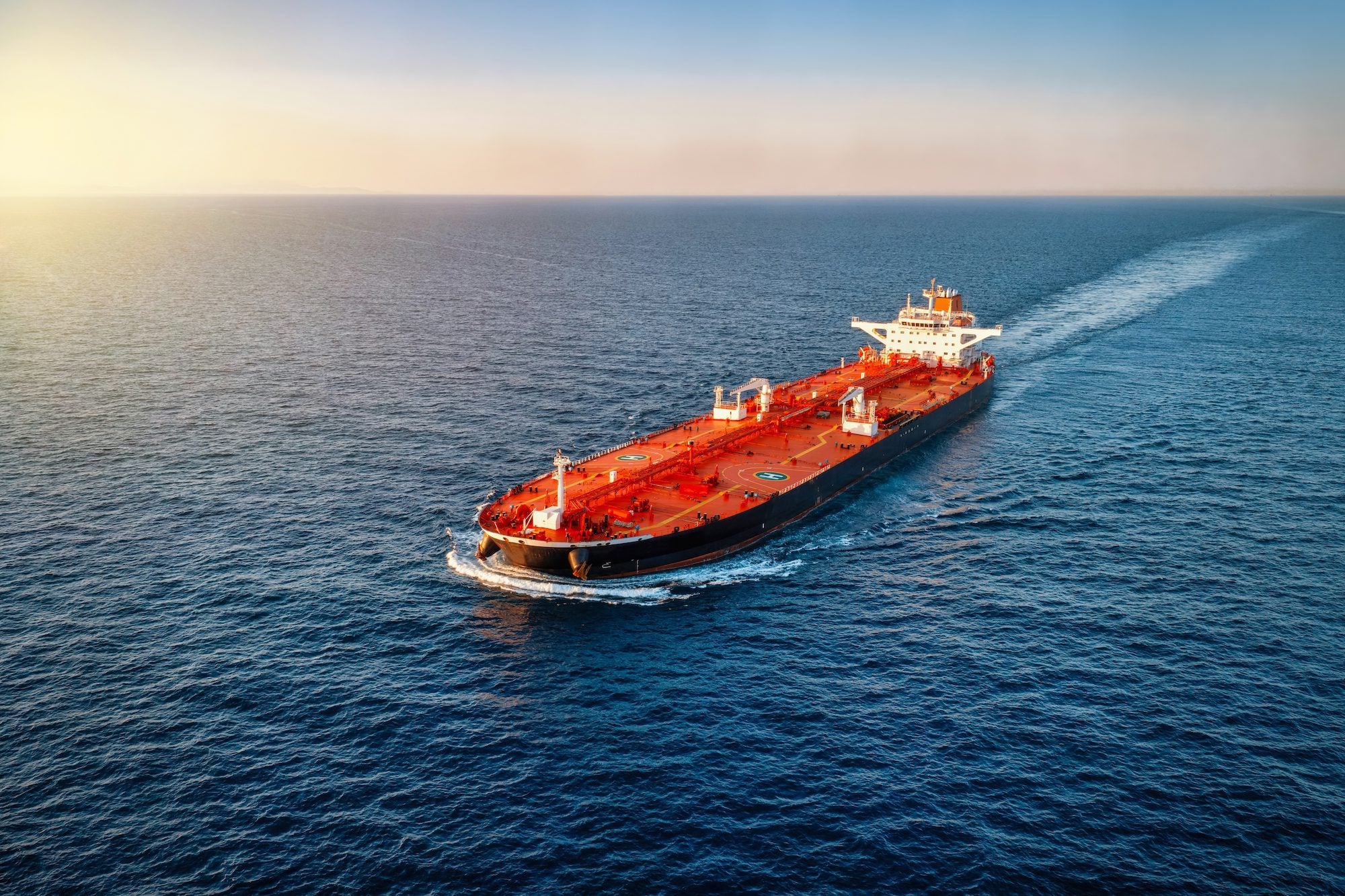
The temporary exemption allows foreign-flagged vessels to transport oil, liquefied natural gas, fertilizer, coal, and other critical commodities between U.S. ports, effectively opening domestic coastwise trade to international shipping for the next two months.
The move expands on an earlier proposal last week for a 30-day waiver and represents one of the most significant emergency waivers of the Merchant Marine Act of 1920 in recent years. The exemption was expected to be issued under Section 501(a) of the law, which permits the government to allow foreign vessels to carry domestic cargo when it is deemed “necessary in the interest of national defense to address an immediate adverse effect on military operations.”
U.S. Secretary of Energy Chris Wright said waiving the Jones Act is “ensuring that oil and other energy resources flow to Americans across the country even during times of disruption.”
“This will help ease short-term price impacts in the oil market as we work every day to lower prices and raise wages for Americans,” he added.
Industry Pushback
Industry opposition has been swift—and is now broadening.
In a joint statement, nine maritime labor organizations, including the Marine Engineers’ Beneficial Association (MEBA), Sailors’ Union of the Pacific (SUP), and AFL-CIO Transportation Trades Department (TTD), pushed back forcefully against the decision.
“When it has been justified and in the national interest, maritime labor has previously supported narrowly tailored waivers of the Jones Act but this sweeping action does not meet that standard,” the groups said. “Instead, this sweeping waiver will undermine national security and hurt the American maritime workforce during a volatile time for our country. We know that this decision will not lower gas prices or benefit consumers, and will instead benefit foreign-flagged carriers.”
The statement also raised security concerns tied to the ongoing Middle East conflict.
“At a time of heightened global instability where American sailors are being targeted in the Persian Gulf and surrounding areas, opening U.S. waterways to foreign adversaries, a blanket Jones Act waiver further jeopardizes the risk of America’s safety and security in open waters,” the groups said. “Furthermore, such action would only permit further abuse of our nation’s cabotage laws and sends a damaging signal about the nation’s commitment to sustain a strong U.S. maritime industry and workforce.”
The labor response follows similar warnings from industry groups. “We are deeply concerned about this 60-day, broad waiver being abused and unnecessarily displacing American workers and American companies,” said the American Maritime Partnership, a coalition representing the U.S. domestic maritime industry. “The law sets a high bar: this waiver exists solely to address an immediate threat to military operations, not to displace American workers or reward foreign operators.”
The group also reiterated that the policy would have minimal impact on fuel prices.
“The maximum potential impact of domestic shipping on the cost of gasoline nationwide is less than one penny per gallon,” AMP said.
The decision to waive the shipping law comes less than a week after U.S. maritime unions and tanker operators urged the administration not to proceed on a waiver, arguing the policy would have minimal impact on gasoline prices while undermining domestic shipping. The groups warned that any marginal savings from a waiver would be unlikely to reach consumers and instead create opportunities for foreign-flag operators that avoid U.S. taxes and rely on lower-cost labor.
The Offshore Marine Service Association also warned the move could backfire economically. “Waiving the Jones Act in an attempt to address rising fuel prices won’t work and it will jeopardize American jobs, U.S. tax revenue, and the future of the American maritime industry,” said OMSA President Aaron Smith. He added that relying on foreign vessels to move domestic energy supplies “is not a solution—it is a vulnerability.”
Restoring Maritime Dominance
The Jones Act waiver comes as President Trump has pushed to restore America’s maritime dominance—a policy direction that some say is now being undercut by the administration’s own actions.
“Anytime the Jones Act is waived, it sends a signal to companies considering investments in U.S. vessels, shipyards, and the American workforce,” said Smith. “If the goal is to strengthen America’s maritime capability and supply chain resilience, policymakers should be reinforcing that foundation—not weakening confidence in it.”
Tanker operators echoed those concerns, pointing to current freight market conditions.
In a recent analysis, Overseas Shipholding Group CEO Sam Norton said replacing Jones Act tankers with foreign-flag vessels could actually increase transportation costs. “Substituting a foreign flag tanker on a domestic route currently served by a Jones Act tanker would more than likely result in an increase in the delivered cost of fuel,” Norton wrote, citing higher international tanker rates.
Early Fixtures
Early signs suggest the waiver is already reshaping U.S. coastal shipping, with charterers quickly turning to foreign-flagged MR tankers for domestic voyages, including some at higher freight costs, according to energy and commodity intelligence firm Argus.
One reported fixture saw the PIS Kalimantan placed on subjects for a U.S. Gulf Coast-to-Jacksonville run at about $6.74 per barrel—well above typical Jones Act rates earlier this month. Another deal for a New York-to-Hawaii voyage was reported near $22 per barrel, reflecting elevated global freight markets.
“The availability of prompt vessels for quick Jones Act-style shipments—a market dominated by long-term time charters and restricted vessel supply—following the launch of the waivers has likely created strong arbitrage opportunities for charterers,” Argus’s analysis said. “This comes despite higher freight costs, at least initially, on some routes, as international demand remains elevated with buyers scrambling to secure shipments after Mideast Gulf flows largely ceased.”
The American Waterways Operators association said the breadth of the waiver is particularly concerning. “Allowing foreign vessels to transport cargo on U.S. waterways will introduce the price volatility of today’s international market into our domestic commerce, creating instability in our thriving domestic supply chain and undermining American jobs while having no appreciable effect on the price of gasoline,” it said.
Energy Prices on the Rise
The waiver comes as WTI crude flirts with $100 per barrel, up from roughly $70 at the start of the month, following U.S. and Israeli strikes on Iran and escalating geopolitical tensions in the Middle East continue to disrupt global energy markets. The more than 40 percent spike in early March marks the highest price levels since 2022.
At the same time, shipping through the Strait of Hormuz remains severely constrained, with traffic effectively frozen following weeks of missile and drone attacks on commercial vessels. The disruption has driven tanker rates and war-risk premiums sharply higher, adding further pressure to global energy supply chains.
Officials argue the waiver could help alleviate regional supply bottlenecks, particularly along the U.S. East Coast, by allowing a broader pool of vessels to move fuel from Gulf Coast refineries.
However, multiple analyses suggest the impact on consumer fuel prices is likely to be negligible.
A study by Navigistics Consulting estimated that even in a best-case scenario, the policy would reduce gasoline prices by less than a penny per gallon—roughly $0.0027—if all savings were passed through to consumers.
The limited impact reflects the relatively small share of U.S. gasoline transported by oceangoing tankers. According to the analysis, only about 6.5 percent of supply moves via Jones Act vessels, with most fuel delivered through pipelines, trucks, and other infrastructure.
Supporters of the waiver, including Senator Ted Cruz, argue the move is necessary to ensure the free flow of energy and critical goods during a national security crisis triggered by disruptions in the Strait of Hormuz.
Critics, however, say the decision underscores a recurring mismatch between policy expectations and market realities.
“Policy decisions based on assumptions rather than market realities risk doing more harm than good,” Norton wrote.
As the waiver takes effect, the administration is betting that increased flexibility in domestic shipping logistics can help stabilize markets—even as industry data suggests the primary drivers of fuel prices remain global.

 Join The Club