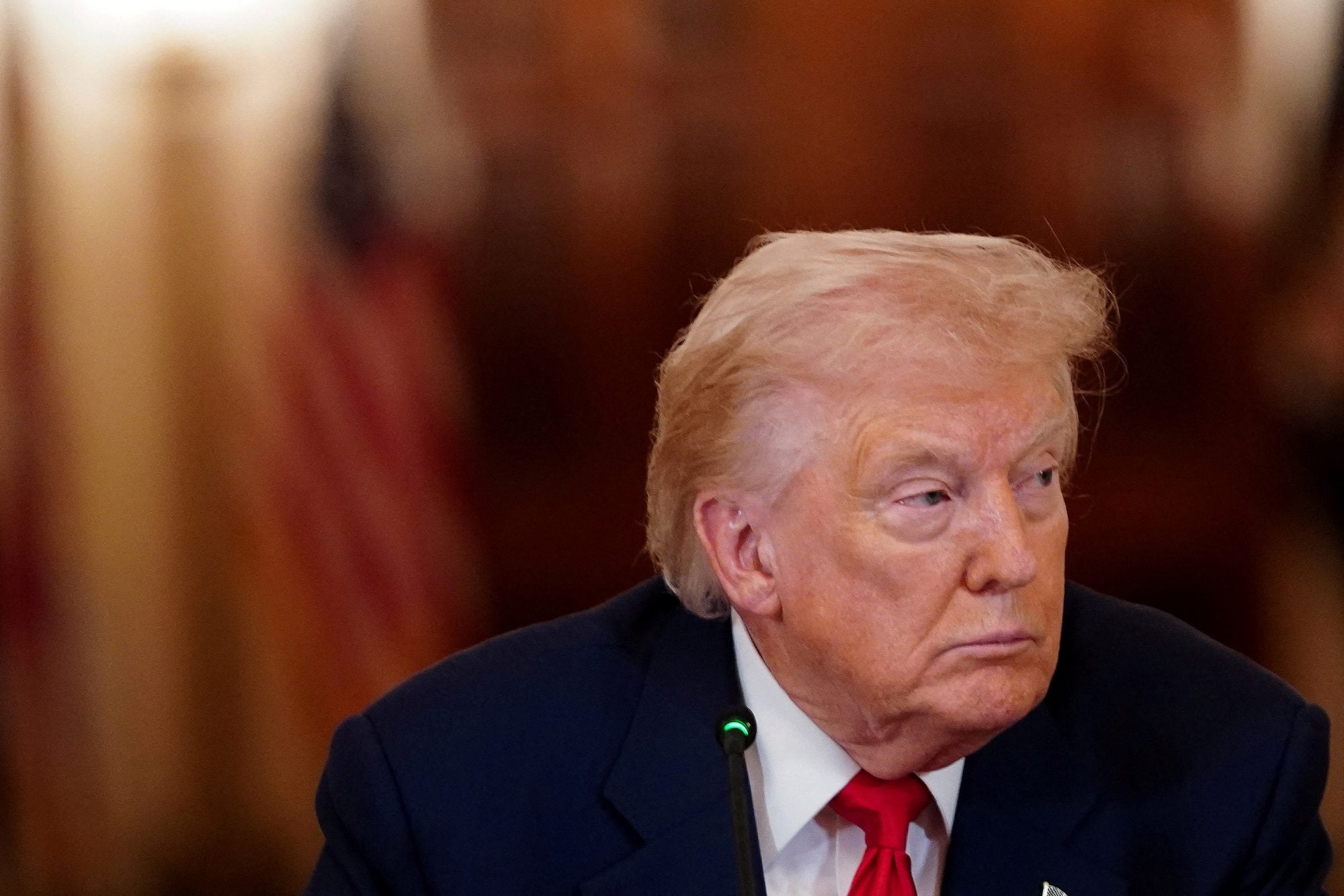
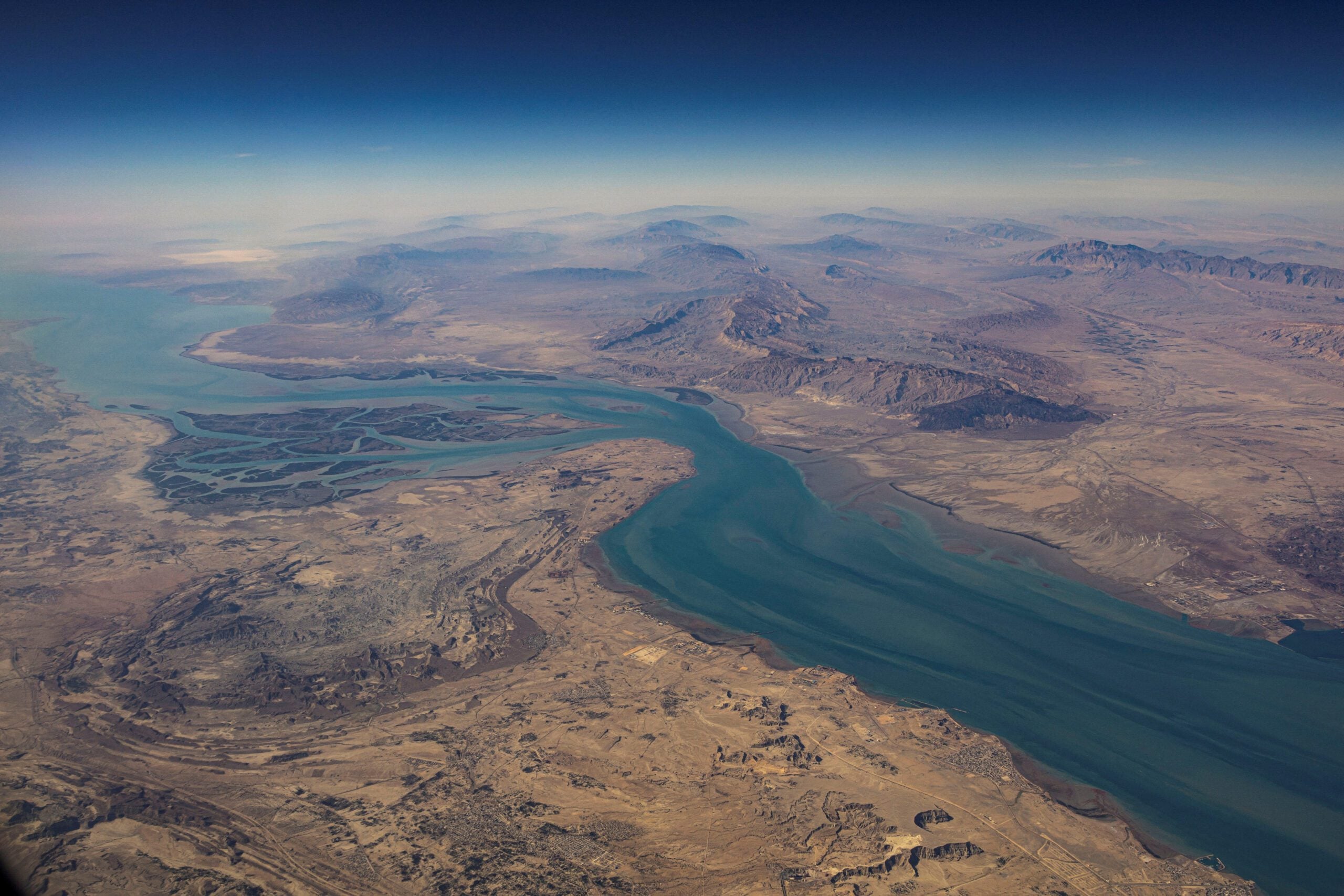
U.S. President Donald J. Trump on Tuesday suggested the United States could step back from securing the Strait of Hormuz, floating the idea of forcing allied nations to take greater responsibility for protecting one of the world’s most critical shipping lanes.
In a post on Truth Social early Wednesday, Trump wrote: “I wonder what would happen if we ‘finished off’ what’s left of the Iranian Terror State, and let the Countries that use it, we don’t, be responsible for the so called ‘Straight?’ That would get some of our non-responsive ‘Allies’ in gear, and fast!!!”
The post was later updated to correct “Strait.”
The comments mark a sharp escalation in rhetoric as commercial shipping through the Strait of Hormuz remains severely disrupted amid the ongoing U.S.–Iran conflict.
Trump Declares U.S. ‘Doesn’t Need Anyone’ After Allies Balk at Hormuz Mission
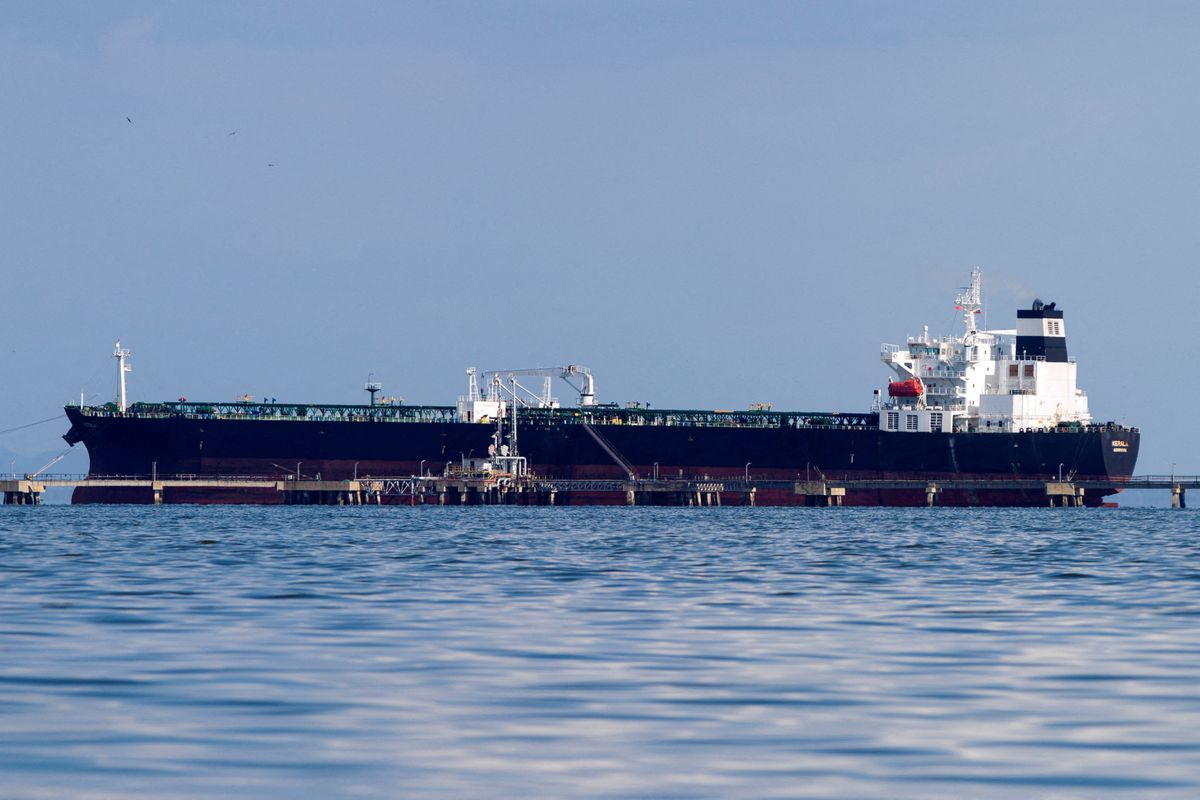
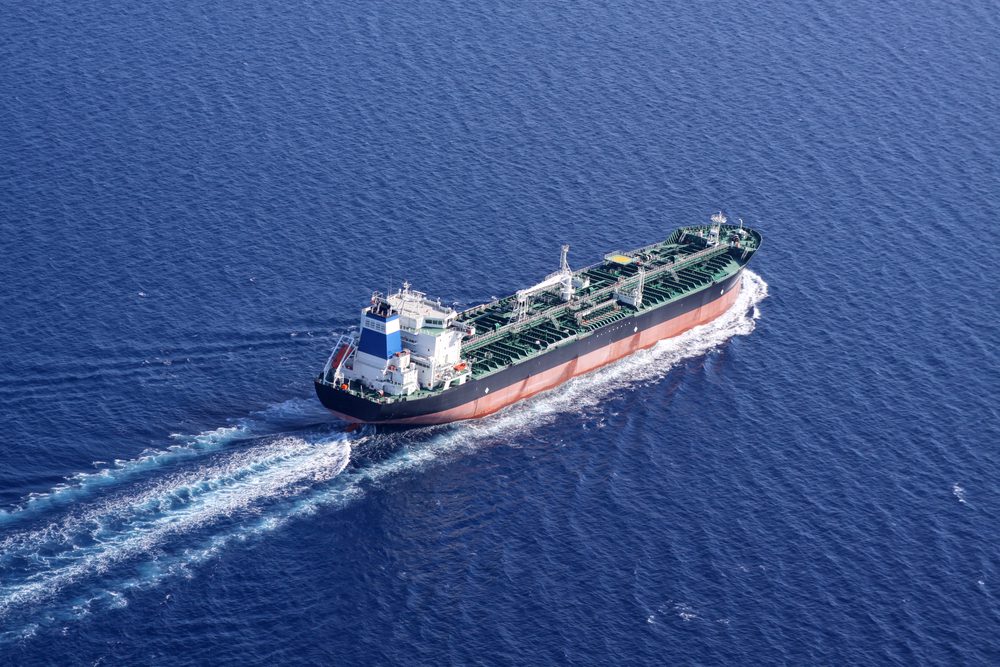
Despite a recent lull in confirmed attacks, industry confidence remains near zero. Shipping companies, insurers, and charterers continue to treat the region as a high-risk or no-go zone, with many vessels idling or rerouting where possible.
Trump’s comments appear aimed at longstanding frustrations with U.S. allies—particularly in Europe and Asia—who rely heavily on Middle Eastern energy flows but have been hesitant to commit naval assets to escort operations.
U.S. Hits Iranian Coastal Missile Sites With Bunker-Buster Bombs
Several U.S. partners have already rejected calls for a coalition escort mission, citing both operational risks and concerns over being drawn deeper into the conflict. Gulf states, while directly impacted, have also taken a cautious approach.
It remains unclear whether Trump’s statement reflects a formal policy direction or a negotiating tactic aimed at pressuring allies into action. However, the timing—amid near-total paralysis in one of the world’s most important maritime corridors—underscores the growing geopolitical stakes for global shipping.
For now, the message from Washington adds another layer of uncertainty to a crisis already reshaping energy flows, freight markets, and maritime security calculations worldwide.
Editorial Standards · Corrections · About gCaptain

 Join The Club