Bunker-buster munitions target coastal threats to commercial shipping
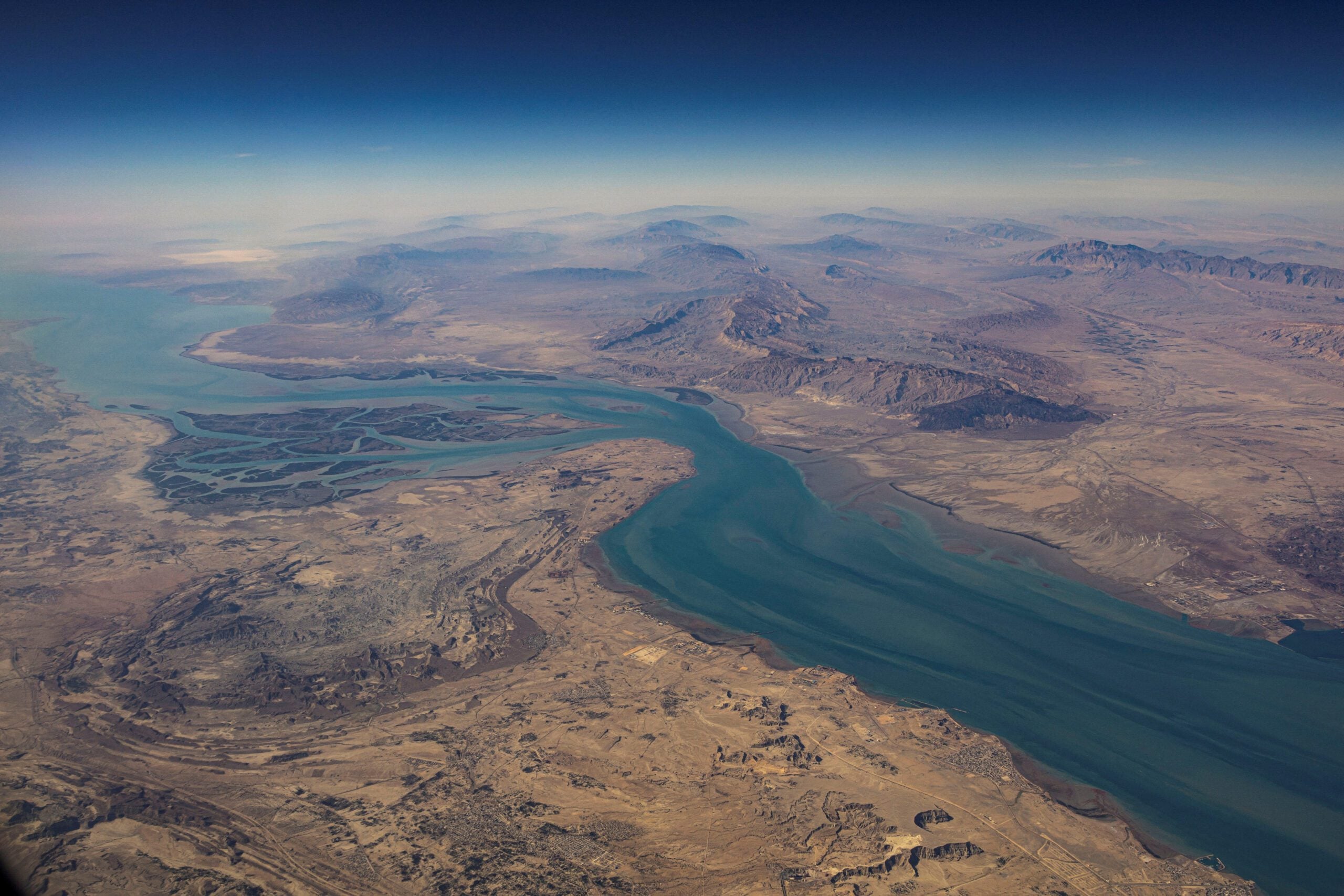
U.S. forces have struck Iranian coastal missile sites near the Strait of Hormuz, targeting systems assessed to pose a direct threat to international shipping as traffic through the vital waterway remains severely disrupted.
In a statement Tuesday, U.S. Central Command (CENTCOM) said it “successfully employed multiple 5,000-pound deep penetrator munitions” against hardened Iranian missile sites along Iran’s coastline.
The use of bunker-buster munitions indicates the strikes were aimed at fortified or underground launch and storage sites, part of Iran’s broader coastal defense network that underpins its ability to threaten vessels transiting the chokepoint.
The 5,000-pound “deep penetrator” munitions referenced by CENTCOM are bunker-buster weapons designed to destroy hardened or underground targets. Unlike the much larger 30,000-pound Massive Ordnance Penetrator, which is limited to B-2 stealth bombers, these smaller weapons can be deployed by a wider range of aircraft.
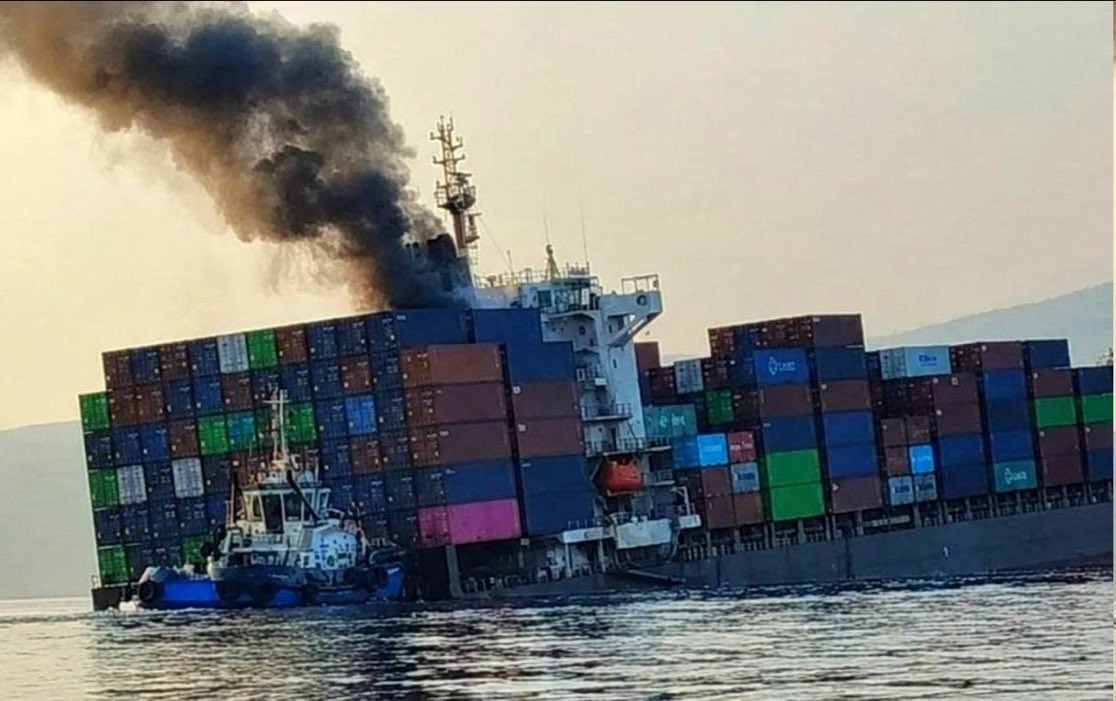
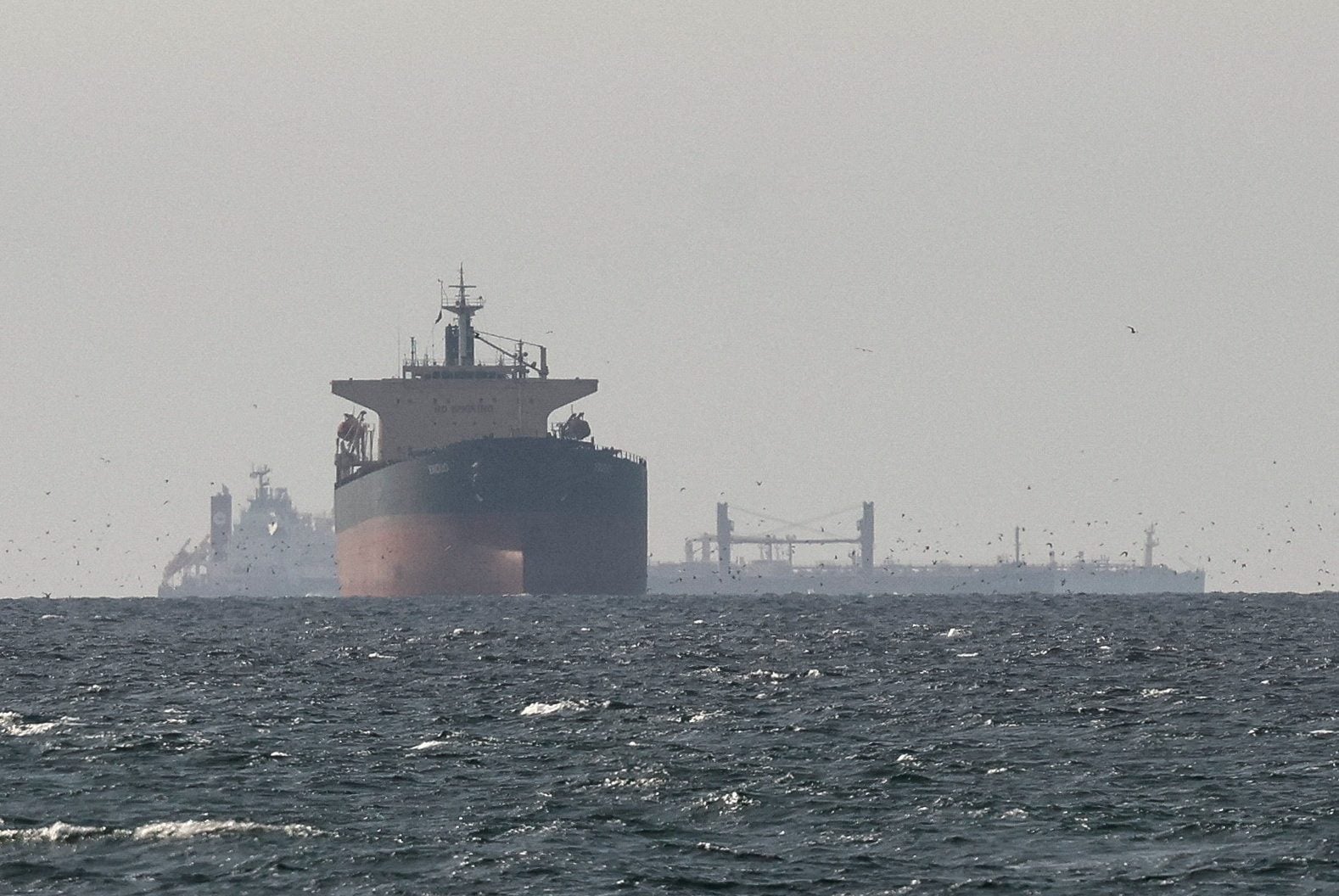
The operation marks a clear shift toward targeting maritime threats directly, as commercial shipping through Hormuz remains near a standstill despite a recent lull in attacks. Vessel transits have fallen from roughly 130–140 per day to just a handful, with war-risk insurance costs and security concerns continuing to deter operators.
The strikes may signal an effort to degrade Iran’s ability to target ships and set conditions for a potential reopening of the world’s most critical energy corridor.

 Join The Club