The U.S. Bureau of Ocean Energy Management has advanced the next phase of potential offshore mineral leasing near the Commonwealth of the Northern Mariana Islands, expanding the area under consideration and moving the process into environmental review as Washington pushes to secure domestic supplies of critical minerals.
The agency announced last week it has completed the “Area Identification” step for potential Outer Continental Shelf mineral leasing offshore CNMI—an early but consequential milestone that determines which tracts will move forward for environmental analysis under the National Environmental Policy Act.
While BOEM emphasized that the move does not authorize mining or commit the government to a lease sale, it effectively locks in the geographic footprint for further review.
That footprint appears to have grown.
The agency’s latest action includes areas both east and west of the Northern Mariana Islands, expanding beyond the original zones outlined in a 2025 Request for Information. More than 65,000 public submissions were received during that earlier comment period, reflecting strong and often polarized views on the future of deep-sea mining in U.S. waters.
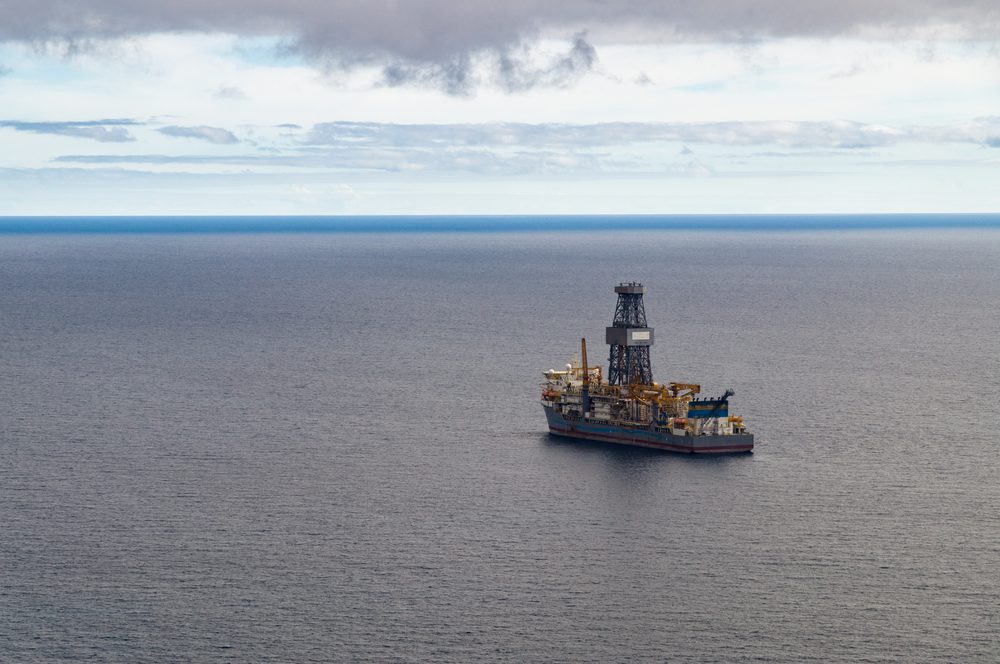
BOEM said it will now prepare an Environmental Assessment examining the potential impacts of leasing and limited preliminary activities, including high-resolution geophysical surveys, seabed sampling, and oceanographic measurements. Any future mining proposal would require additional environmental review, regulatory approvals, and public input.
The move comes amid a broader federal push to accelerate development of domestic mineral resources.
In April 2025, Donald Trump signed an executive order directing agencies to fast-track offshore critical minerals development, framing seabed resources as essential to national security and economic competitiveness.
U.S. officials estimate that domestic waters may contain vast deposits of polymetallic nodules rich in manganese, nickel, and copper—materials critical to defense systems, battery manufacturing, and advanced electronics.
“The Pacific Outer Continental Shelf holds vast potential for critical minerals that power American manufacturing and defense technology,” Acting BOEM Director Matt Giacona said in a statement.
The CNMI process follows similar progress offshore American Samoa, where BOEM has also completed Area Identification tied to a potential commercial lease request submitted in 2025—the first such request in more than 30 years.
Interior Department policy changes announced last year have further accelerated the timeline, extending prospecting permits and removing certain procedural steps that previously slowed the identification of leasing areas.
Supporters argue offshore mining could help reduce reliance on foreign suppliers—particularly China—while avoiding some of the environmental and geopolitical risks associated with land-based mining.
But the expansion of the CNMI review area is already drawing criticism.
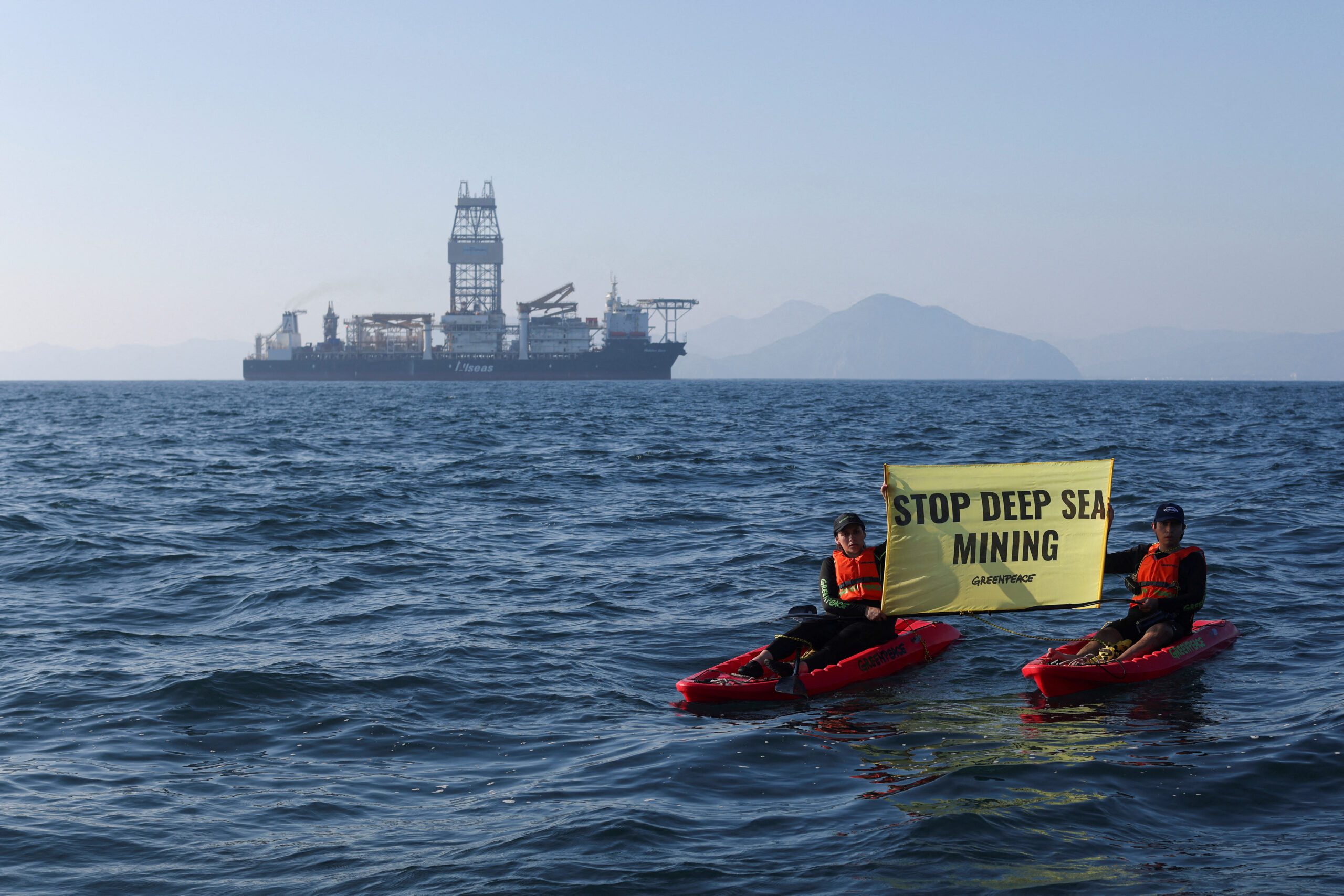
Oceana accused the administration of broadening the scope of potential mining without reopening public input.
“This push to recklessly expand ocean mining puts corporate profits over the health of our oceans,” said Julia Singer, the group’s Defense Campaign Director. “The administration increased the size of the area proposed for destructive deep-sea mining after the public comment period closed, effectively shutting out the American people from weighing in on these new areas.”
Environmental groups warn that seabed mining could cause irreversible damage to fragile deep-sea ecosystems, while legal and jurisdictional questions remain unresolved—particularly beyond U.S. waters, where oversight falls to the International Seabed Authority.
For now, BOEM is stressing that the process remains in its early stages.
But with the U.S. government accelerating its push into seabed resources—and the footprint under review growing—the Pacific is quickly emerging as the next frontier in the global race for critical minerals.
Editorial Standards · Corrections · About gCaptain

 Join The Club