By Jennifer A. Dlouhy (Bloomberg) — President Donald Trump said the US would postpone strikes against Iran’s energy infrastructure after what he called “productive conversations” with the country, in comments that spurred confusion over the participants in the talks and parameters of a deal.
Trump told reporters on Monday that he was holding off on striking Iranian energy infrastructure for five days, citing “major points of agreement” with Iran. Trump said special envoys Steve Witkoff and Jared Kushner had discussions Sunday into the evening with a “top person” on the Iranian side, claiming both parties were keen to “make a deal” and would talk again Monday by phone.
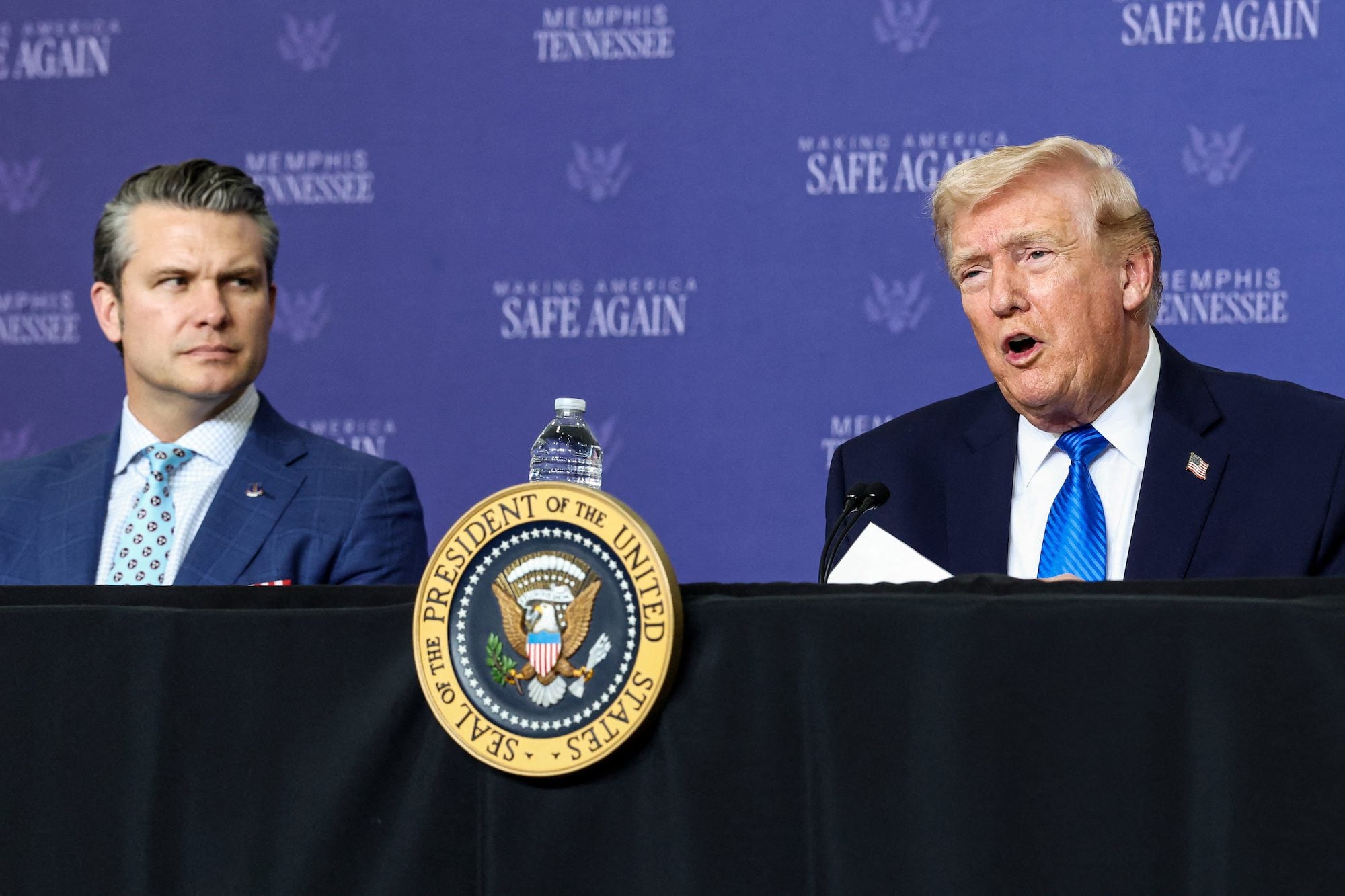
“Iran has one more opportunity to end its threats to America and their allies, and we hope they take it,” Trump said later Monday in Memphis. “It could very well end up being a very good deal for everybody,” he added, repeating that Iran cannot be allowed to secure a nuclear weapon.
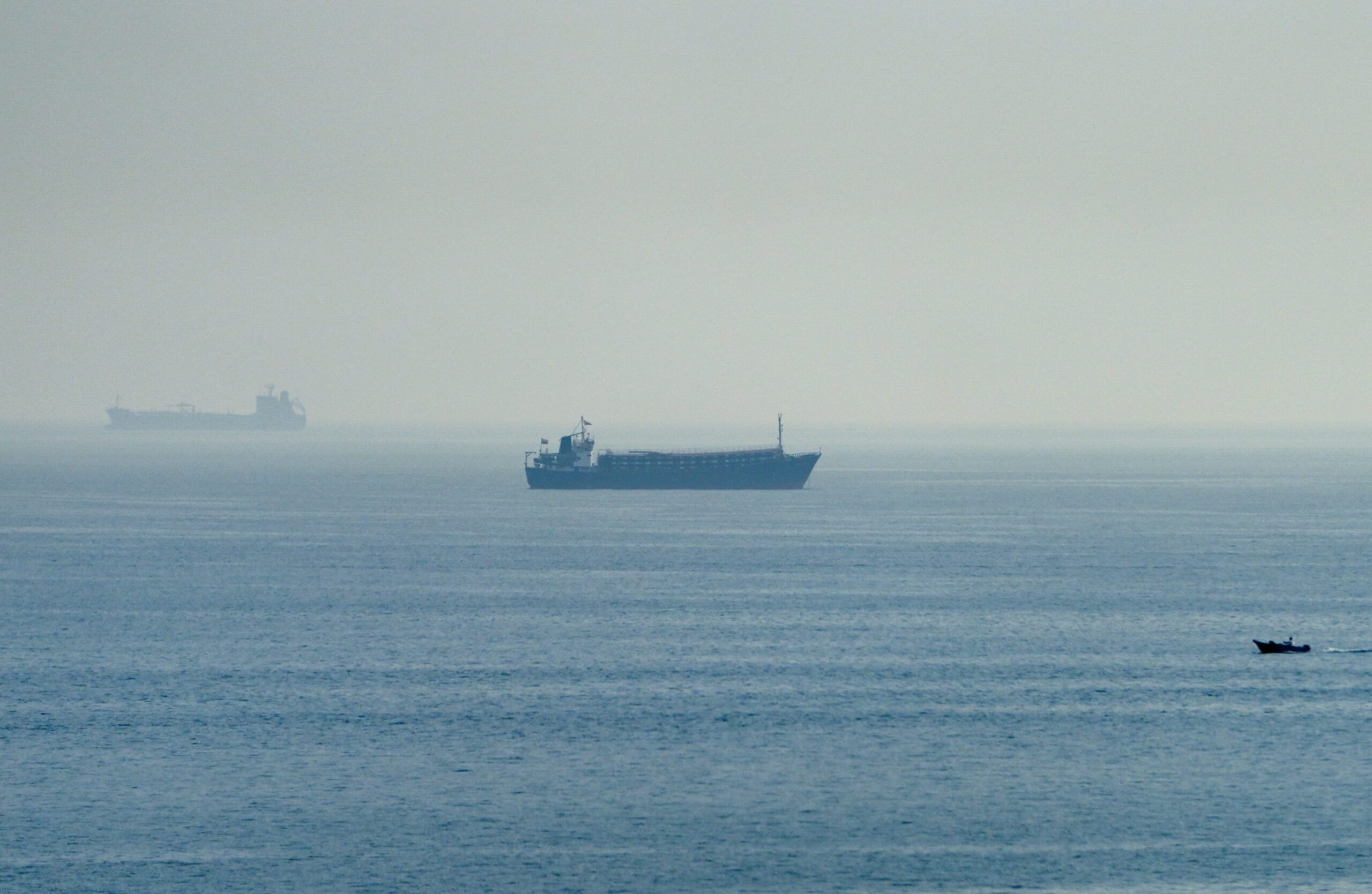
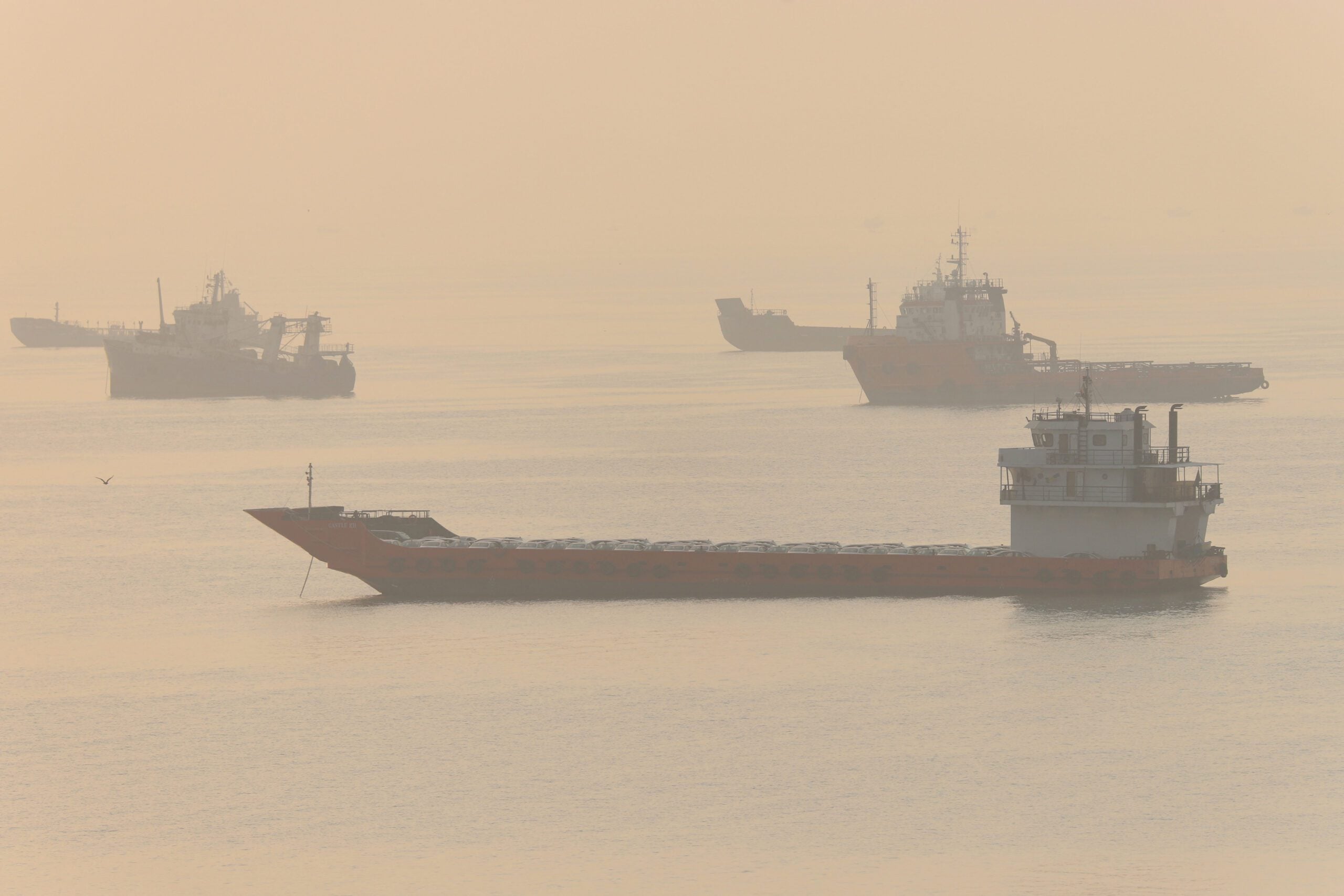
Trump suggested the US and Iran could jointly control the Strait of Hormuz, the vital waterway that’s been essentially closed since the start of hostilities, roiling global energy markets. Trump said the strait could be open very soon “if it works.”
Brent crude plunged from $112 a barrel to as low as about $96 after Trump signaled negotiations were underway even as Iran denied the talks. Prices were trading below $102 a barrel by 12:44 p.m. in New York as the Trump administration races to kick-start regular shipping flows through the Strait of Hormuz.
Trump said a “top person” is representing Iran in the discussions but that the individual was not Supreme Leader Mojtaba Khamenei.
Axios reported Monday that Witkoff was negotiating with Mohammad-Bagher Ghalibaf, the Iranian Parliament’s speaker. Ghalibaf in a post on X, however, said no negotiations have been held with the US. Iranian state TV said the US had tried to negotiate with Iran through intermediaries in recent days, but said the country had not responded to those requests.
Trump said the US would give negotiations “a five-day period” and refrain from attacks on energy infrastructure.
“We’ll see how that goes, and if it goes well, we’re going to end up with settling this,” he said. “Otherwise we just keep bombing our little hearts out.”
After Trump’s latest comments on Monday, Iran said it was firing fresh missiles and drones at Israel and US targets — challenging hopes for immediate de-escalation.
Trump previously ordered Marines to head to the region, including the 31st Marine Expeditionary Unit from Japan with more than 2,000 troops.
The talk of a deal “could be a head fake by the president,” said Fred Fleitz, who served on the White House National Security Council during Trump’s first administration. Still, Fleitz, who now serves as a vice chairman at the America First Policy Institute, said he was “hopeful this will be the beginning of the end of major military operations.”
The chief goal remains stopping Iran from having a nuclear weapon, and under a deal the US would retain the country’s uranium stockpile, Trump said on Monday. Trump said Iran and the US were already in agreement on the matter — including a prohibition on enriching uranium for medical and other civilian purposes.
Various Middle Eastern countries, including Turkey, Saudi Arabia and Oman, have been involved in back-channel talks with Iran in the past two weeks to try to contain the war and, ideally, to find a way for the Islamic Republic and the US-Israeli coalition to agree to a ceasefire.
Trump had given Iran until Monday evening in Washington to reopen the Strait of Hormuz or the US and Israel would start bombing the country’s power plants. Iran had vowed to hit energy, information technology and water facilities across the Middle East in response.
Iran also said it would lay mines across the “entire Persian Gulf” in the event of further attacks on its coastline, the country’s National Defense Council said on Monday.
“Weaponizing the Strait of Hormuz is not an act of aggression against one nation. It’s economic terrorism against every nation,” Sultan Al Jaber, chief executive officer of Abu Dhabi National Oil Co., said in an address to the CERAWeek by S&P Global conference in Houston.
Iran effectively closed the Strait of Hormuz at the start of the conflict, which the US and Israel began with a wave of airstrikes on Feb. 28 that killed former Supreme Leader Ali Khamenei. The blockage to the waterway, a conduit for about a fifth of global oil and liquefied natural gas exports, has seen oil and gas prices surge, with fears growing of an inflation and food crisis.
Iran has retaliated to the ongoing bombardment with strikes on Israel and around the Persian Gulf. At least 4,200 people have been killed in the war to date, more than three quarters of them in the Islamic Republic.
Israel plans to continue operations while avoiding energy assets, according to an Israeli official, who asked not to be identified discussing private matters. Israel was told about Trump’s social media post ahead of time, two officials said.
Asked if Israel would abide by any deal with Tehran, Trump said Monday that “I think Israel will be very happy with what we have,” and indicated that the US had spoken with the country earlier.
The Israeli military said Monday it’s targeting Iranian infrastructure and conducting strikes in the heart of Tehran. Iran continued to respond, with Israel, the United Arab Emirates and Saudi Arabia reporting drone and missile attacks, though there were no reports of major strikes.
Israel is also preparing to expand ground operations in Lebanon, where it’s fighting a parallel war against Iran-aligned Hezbollah.
Trump has given numerous reasons for starting the war, including the need to eliminate Iran’s ability to build nuclear weapons. Iran has long denied pursuing atomic arms, though hasn’t allowed United Nations inspectors into the country since before an earlier round of Israel and US strikes in June last year.
While it’s not clear what the war has achieved so far, Trump has been under increasing pressure domestically to wrap up the conflict. US gas-pump costs have risen every day of the conflict, according to American Automobile Association data. Midterm elections are scheduled for November.
Israeli airstrikes on a key Iranian gas field last week triggered a wave of reprisals, damaging some of the region’s main energy-producing assets, including Qatar’s giant LNG plant in Ras Laffan.
International Energy Agency Executive Director Fatih Birol said more than 40 energy sites across nine countries in the Middle East have been “severely or very severely” damaged, potentially prolonging disruptions to global supply chains once the conflict ends.
The damage means it will take some time for oil fields, refineries and pipelines to be brought back online, Birol said. That’s on top of the blockage to the Strait of Hormuz, which Iran has kept closed to all but a selected few ships. Two Indian-flagged vessels carrying liquefied petroleum gas are making their way through the waterway on Monday, ship-tracking data show.
The US-based Human Rights Activists News Agency said at least 3,231 people have died in Iran. In Lebanon, where Israel has intensified its offensive against Hezbollah militants, the death toll exceeds 1,000. Dozens have been killed in Israel and Arab states.
© 2026 Bloomberg L.P.

 Join The Club