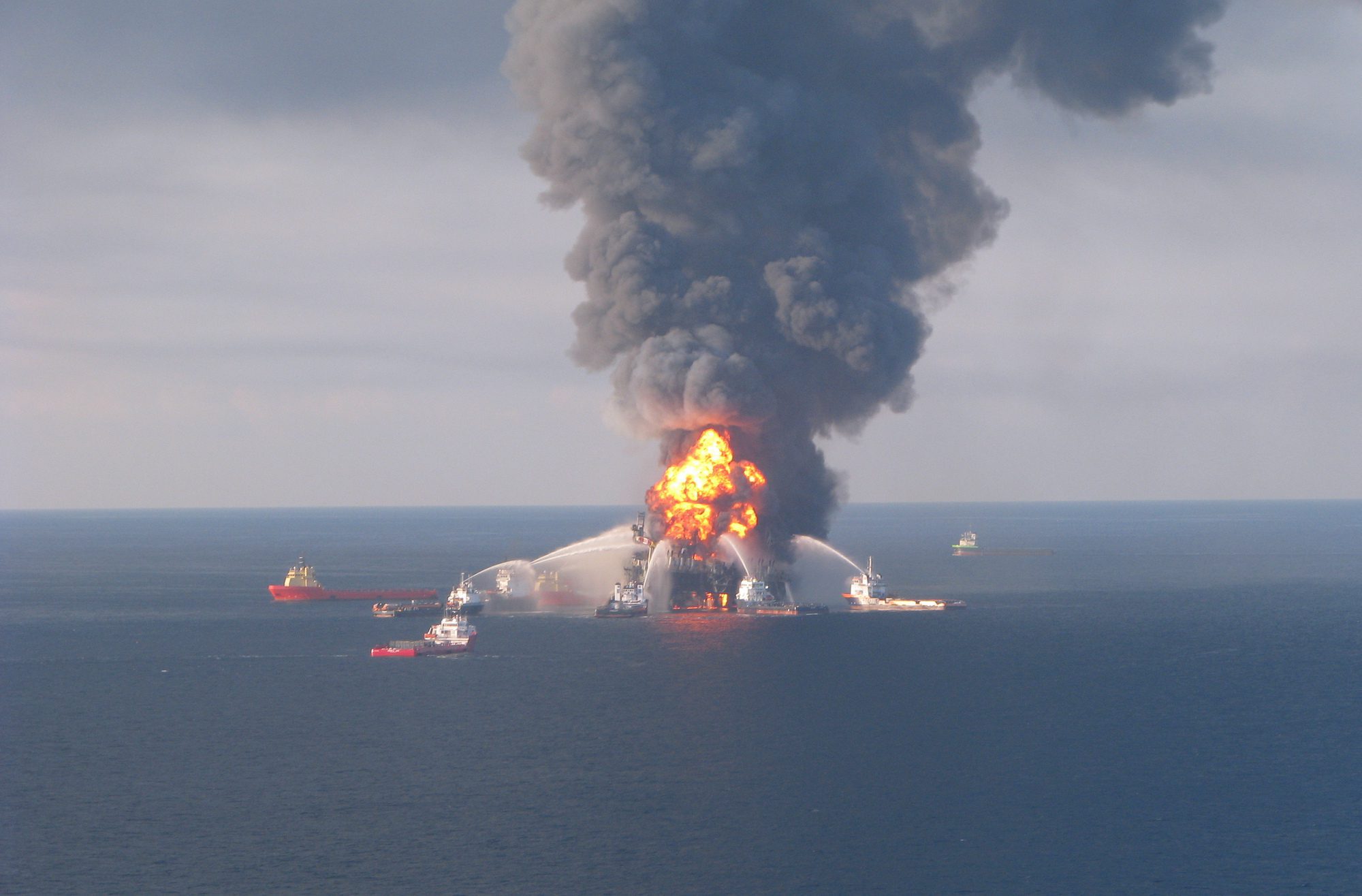
Reunification marks major shift in offshore oversight model built after Deepwater Horizon
The U.S. Department of the Interior has begun a phased effort to consolidate offshore energy oversight under a newly created Marine Minerals Administration, signaling a significant structural shift in how the United States regulates offshore oil, gas, and emerging mineral development.
The plan will merge the functions of the Bureau of Ocean Energy Management and the Bureau of Safety and Environmental Enforcement, bringing leasing, permitting, inspections, and environmental oversight under a single organizational umbrella.
Interior officials say the move is designed to improve coordination and efficiency while maintaining existing safety and environmental protections.
“This is about building an agency that reflects where we are today and where we need to go,” Interior Secretary Doug Burgum said in a statement, pointing to the need for a more integrated approach as offshore energy development expands beyond oil and gas to include critical minerals and other emerging resources.
The restructuring represents a notable departure from the regulatory framework established in the wake of the Deepwater Horizon explosion and oil spill, which exposed deep flaws in federal oversight of offshore drilling.
In response to the disaster, Interior dismantled the Minerals Management Service, which had been responsible for leasing, revenue collection, and safety enforcement—roles widely seen as conflicting.
The agency was split into separate entities in 2011, including BOEM, which handles leasing and resource planning, and BSEE, which enforces safety and environmental regulations.
That separation was designed to ensure that the same agency would not both promote offshore development and police it.
Interior’s latest move effectively reverses that structural divide by reuniting planning and enforcement functions within a single organization.
Officials insist that statutory authorities and regulatory protections will remain unchanged during the transition, and that the consolidation will reduce duplication and improve decision-making across the full lifecycle of offshore development.
But the shift is likely to draw scrutiny from observers who view the post-2010 split as a cornerstone reform aimed at preventing another major offshore disaster.
The move also comes just three years after Interior reinforced the separation of responsibilities by transferring offshore renewable energy safety oversight from BOEM to BSEE in 2023—an effort aimed at clarifying roles as the offshore wind sector matured.
At the time, officials emphasized the importance of maintaining strong, independent safety and environmental enforcement.
The changes come as the Trump administration aggressively moves to expand offshore energy following passage of the One Big Beautiful Bill Act, which mandates 30 Gulf lease sales and six Alaska Cook Inlet auctions over the coming decades.
The Gulf of America/Mexico Outer Continental Shelf spans roughly 160 million acres and is estimated to hold nearly 30 billion barrels of undiscovered, technically recoverable oil and more than 54 trillion cubic feet of natural gas.
The creation of the Marine Minerals Administration suggests a broader recalibration, as policymakers look to streamline oversight amid growing pressure to expand domestic energy production and develop offshore critical mineral resources.
Interior said the transition will be phased, with no immediate changes to regulatory requirements or protections.
Details on how the new agency will maintain internal independence between leasing and enforcement functions remain limited.
As the reorganization moves forward, industry participants are likely to welcome faster permitting and improved coordination, while regulators and policymakers will be watching closely to see how the new structure balances efficiency with the hard lessons learned from past failures.
Editorial Standards · Corrections · About gCaptain

 Join The Club