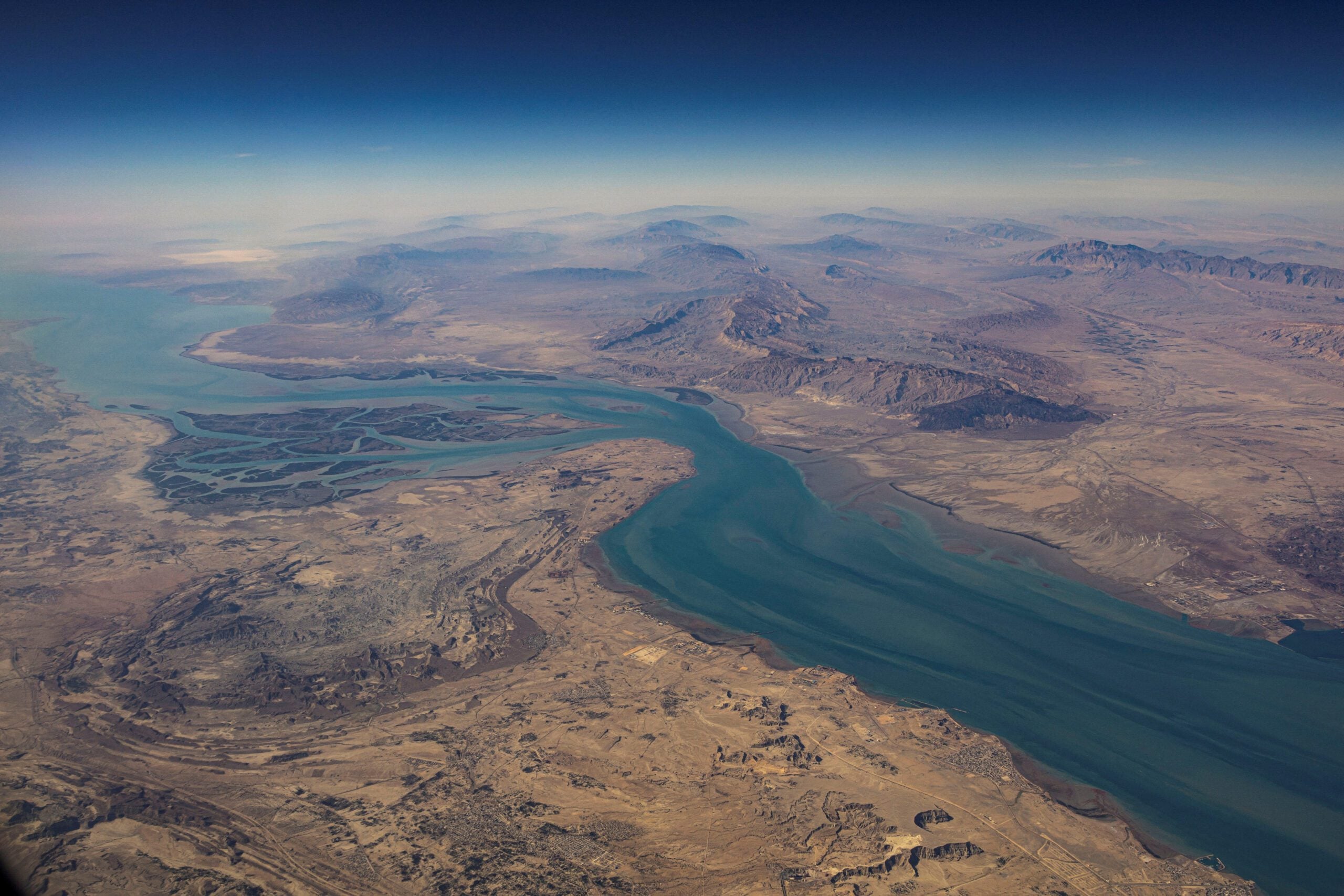
(Bloomberg) — The Strait of Hormuz remains effectively closed to almost all but Iran-linked traffic with the conflict in the Middle East now in its second week.
Oil markets reacted to Trump’s comment that the Iran war would resolve “very soon” with a big sell-off that saw benchmark prices tumble over 10%, before paring some losses on Tuesday morning. However, shippers — with people and vessels at risk — have taken a much more cautious approach.
In the last 24 hours, inbound traffic to the Persian Gulf was at a standstill. Observed outbound movements were limited to two bulk carriers and a small number of Iran-linked vessels, including one supertanker, a container ship and a bulk carrier, according to vessel-tracking data compiled by Bloomberg.
It’s difficult right now to maintain a real-time picture of maritime traffic due to signal interference and turned-off transponders. Tracking data currently show large numbers of anomalous vessel positions and speeds.
Ships leaving the Gulf may only begin to signal accurate positions once they are well away from the high-risk area. That means many ships’ locations may stay hidden only to resurface on satellite data several days later. Those entering the conflict zone may also keep their transponders switched off. As a result, historical transit numbers may well rise.
No ships were seen entering the Persian Gulf in the past 24 hours.
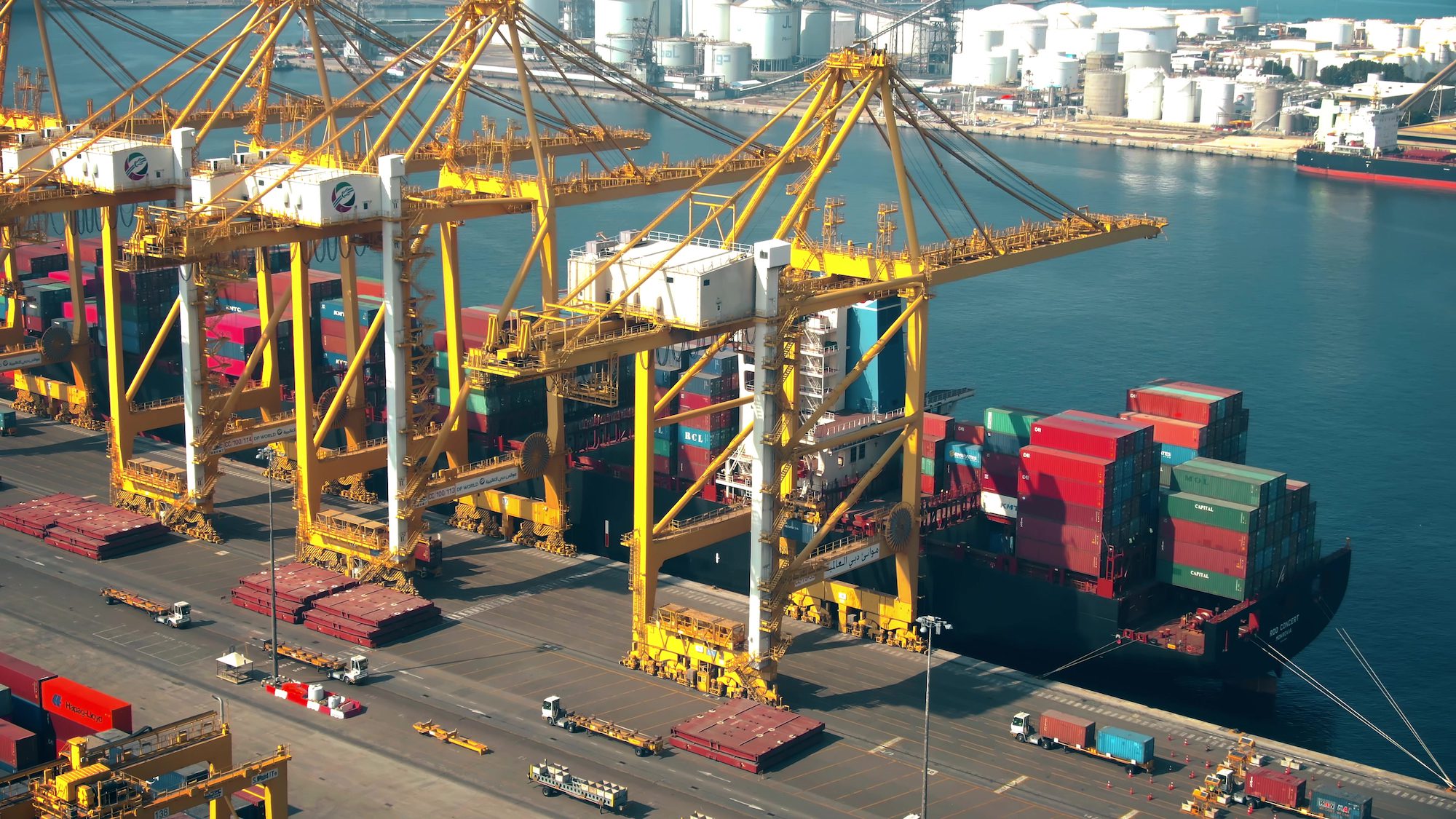
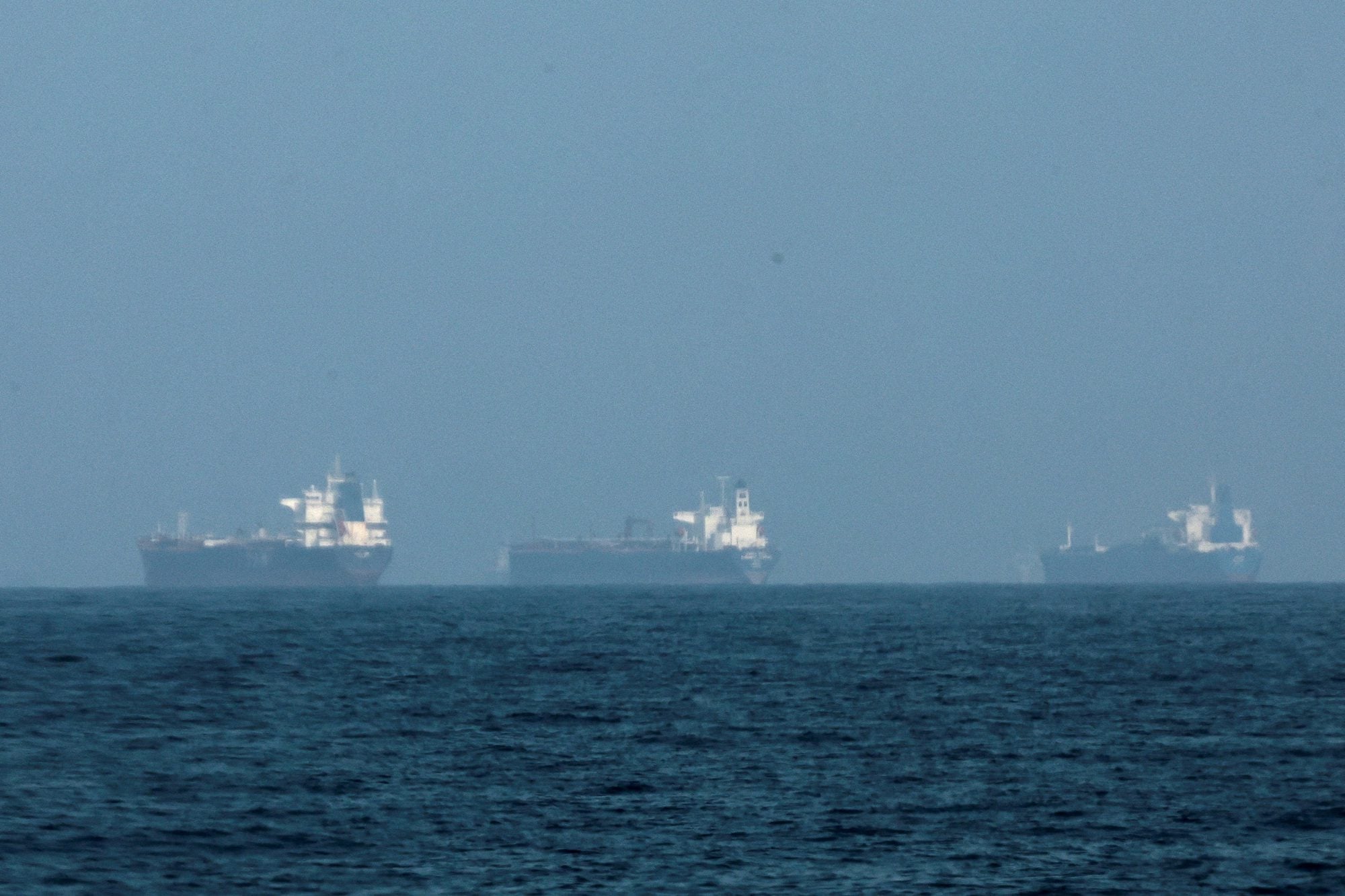
Despite the occasional successful crossing, the bulk of the industry’s tonnage remains stuck on either side of the strait until maritime security is restored. Traffic through the channel was effectively halted following several attacks on merchant ships as Iran retaliated against US and Israeli strikes. Missile and drone activity continues to pose a critical risk to all vessels in the vicinity.
NOTE: Because vessels can move without AIS signals until they are well away from Hormuz, automated position signals were compiled over a large area covering the Gulf of Oman, the Arabian Sea and the Red Sea to detect those that may have departed or entered the Persian Gulf.
When potential transits are identified, signal histories are examined to determine if the movement appears genuine, or is the result of spoofing — where electronic interference can falsify the apparent position of a ship.
Some transits may not have been detected if vessels’ transponders haven’t been switched back on. Iran-linked oil tankers often steam from the Persian Gulf without broadcasting AIS signals until they reach the Strait of Malacca about 10 days after passing Fujairah. Other ships may be adopting similar tactics and won’t show up on tracking screens for many days.
© 2026 Bloomberg L.P.
Editorial Standards · Corrections · About gCaptain
This article contains reporting from Bloomberg, published under license.

 Join The Club