The effective closure of the Strait of Hormuz is now rippling through global container supply chains, with new data showing a dramatic surge in cargo diversions as carriers scramble to reroute shipments away from the Persian Gulf.
According to supply chain analytics firm project44, container shipment diversions have surged more than 360% since the strait was declared closed following the escalation of hostilities between the United States, Israel, and Iran in late February.
Daily diversions have jumped from a baseline average of 218 shipments per day to roughly 1,010, with March 5 marking the peak of disruption when 2,363 diversions were recorded in a single day, the highest level observed in the region.
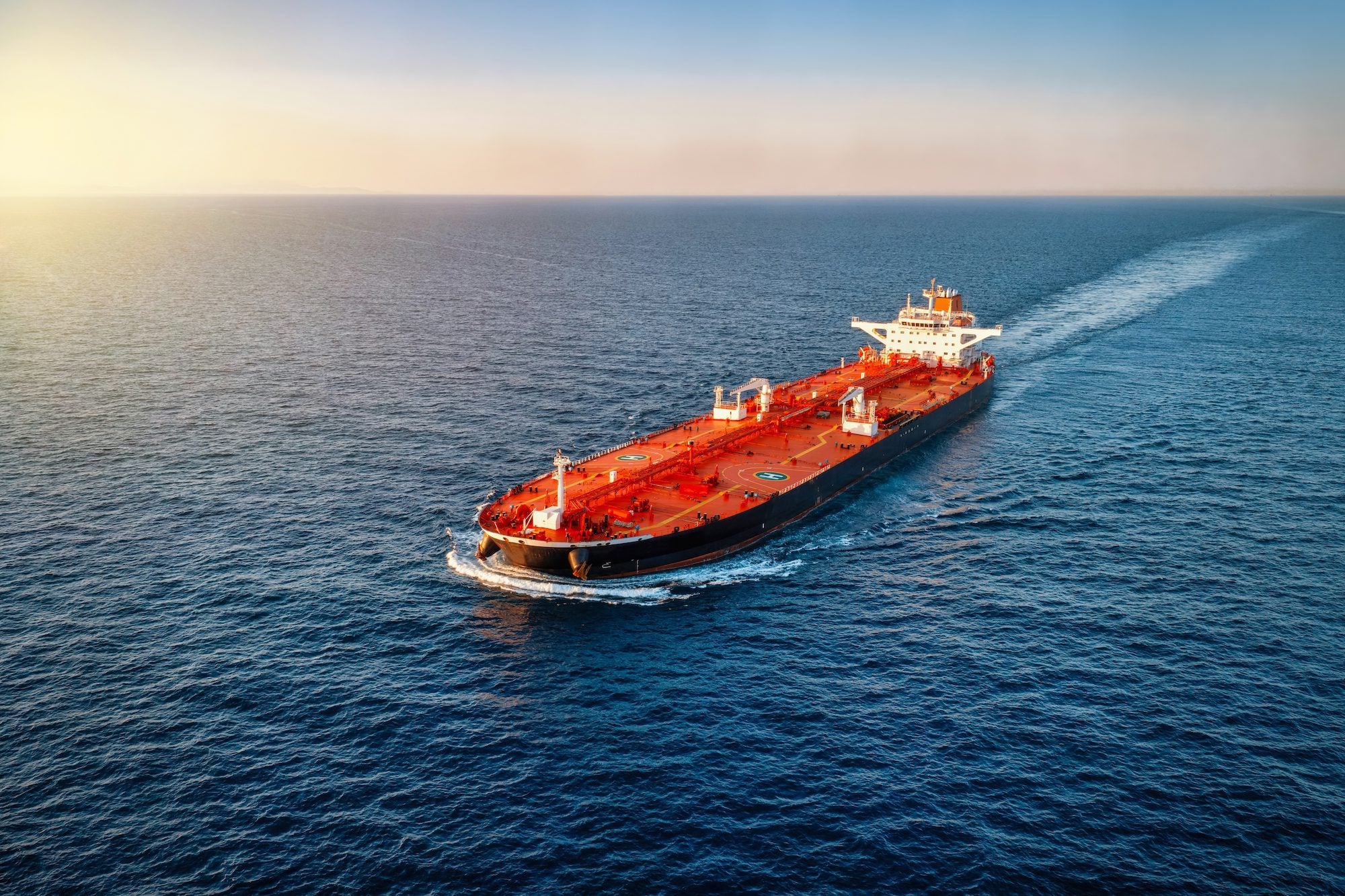
The Strait of Hormuz—an approximately 21-mile-wide passage between Iran and Oman linking the Persian Gulf to the Arabian Sea—serves as one of the world’s most critical maritime chokepoints. While best known for handling roughly one quarter of global seaborne oil trade, the corridor is also essential for container flows serving major Gulf ports.
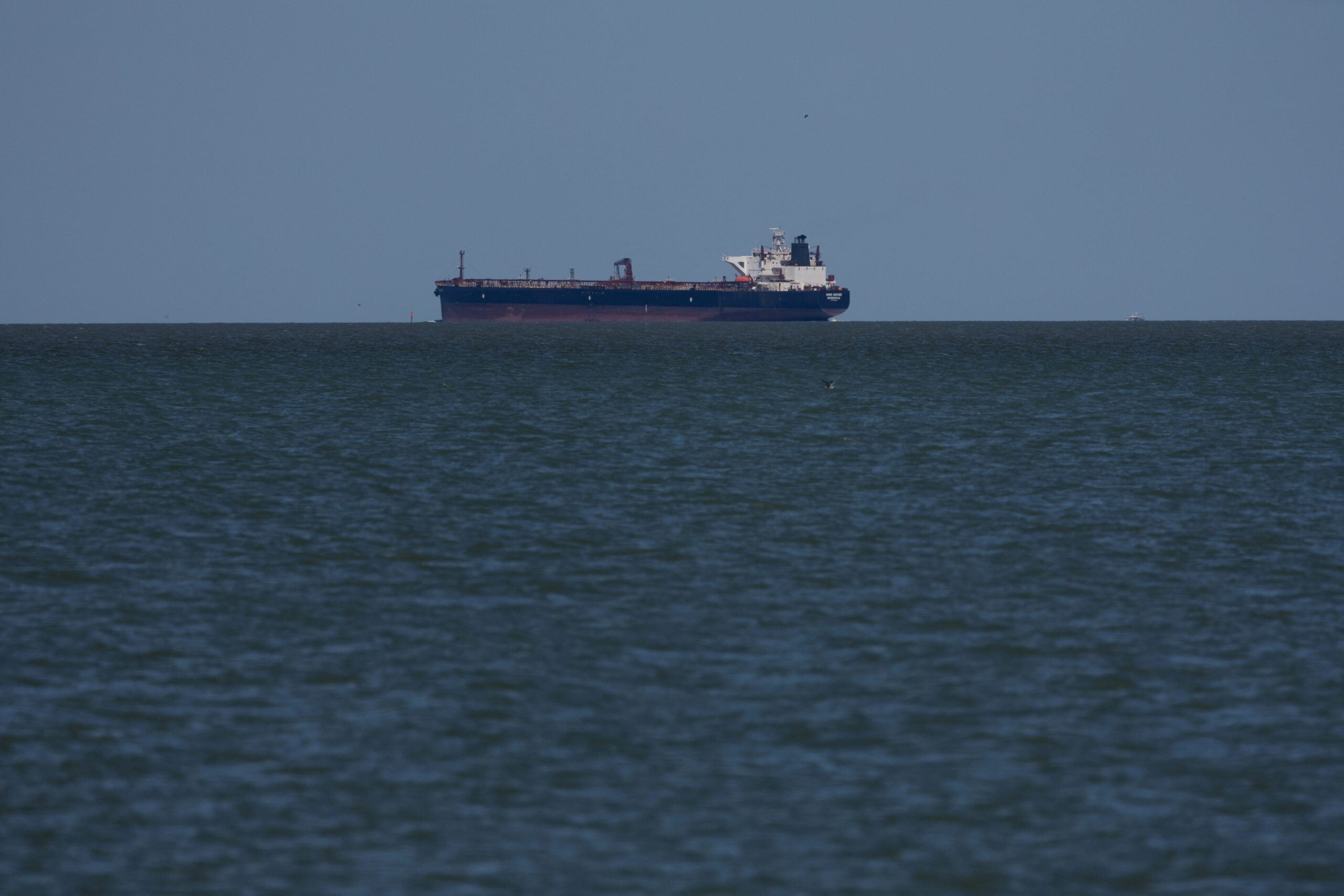
With vessels unable or unwilling to transit the waterway, carriers have begun shifting cargo to alternative regional hubs that remain accessible without entering the Gulf.
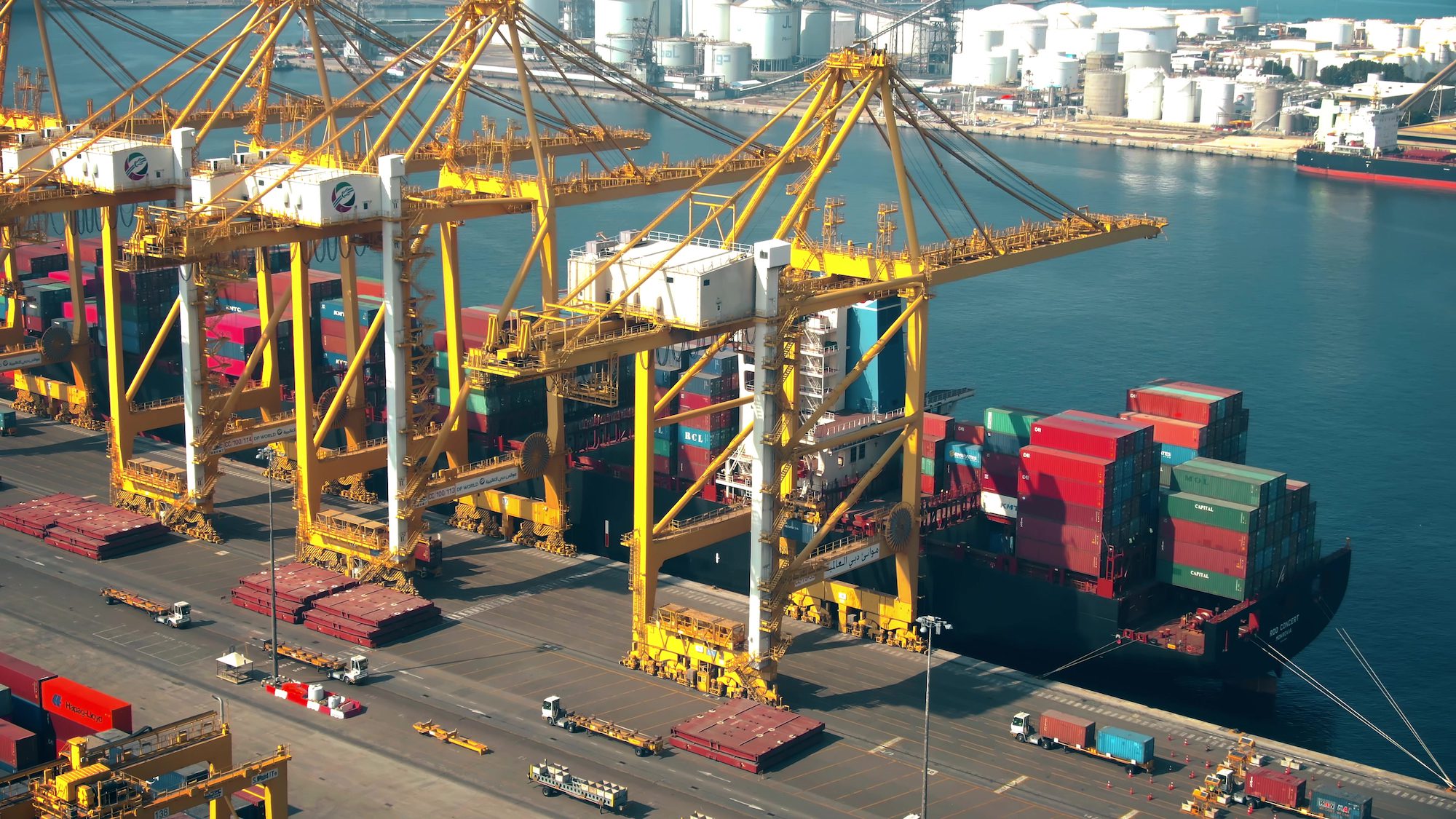
The ports experiencing the highest share of diverted shipments include Abu Dhabi, Jebel Ali in Dubai, and Hamad in Qatar, according to project44’s tracking data. Much of the rerouted cargo is now being redirected to Khawr Fakkan on the UAE’s east coast, which sits outside the Persian Gulf and remains accessible without transiting the strait.
Other ports absorbing diverted volumes include Sohar in Oman, Hambantota in Sri Lanka, and major Indian container gateways such as Mundra and Navi Mumbai.
The sudden shift in cargo flows is already triggering operational strain at downstream ports.
project44 reports that India’s major gateways are experiencing significant schedule disruptions as diverted cargo volumes surge and carriers rebuild their linehaul schedules. At Mundra, departure delays have increased 72%—or roughly 11 days—while arrival delays have climbed 27%, reaching up to 49 days. Meanwhile, Navi Mumbai has seen departure delays rise 118% (about 13 days) and arrival delays increase 16% (around 22 days).
The disruption differs sharply from the Red Sea shipping crisis of 2023–2024, when carriers were able to reroute vessels around the Cape of Good Hope to bypass attacks near Yemen.
In the case of Hormuz, however, there is no comparable alternate route. Several major Gulf ports—including Jebel Ali, one of the world’s busiest container hubs—are effectively cut off when the strait is closed, forcing carriers to divert cargo to alternative regional ports or delay shipments entirely.
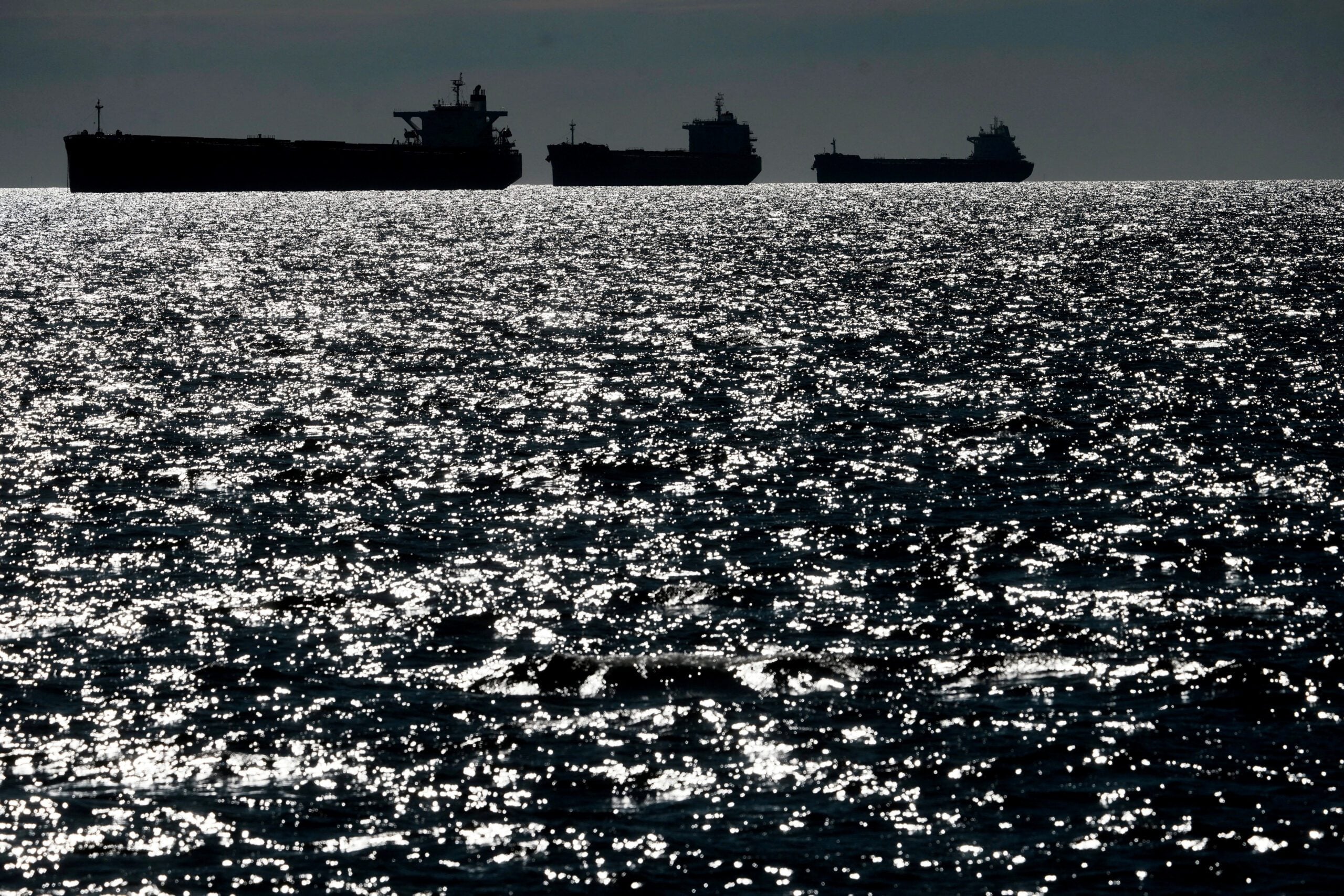
The result is the largest coordinated rerouting response by container lines since the Red Sea crisis, according to project44, with carriers pausing bookings, staging vessels in safer waters, and rebuilding schedules around accessible ports.
While diversion volumes have begun to taper slightly after the early-March peak, analysts warn that port congestion, container dwell times, and schedule disruptions are likely to intensify as receiving ports adjust to the influx of cargo.
With war-risk insurance costs rising and security conditions in the region remaining volatile, carriers face no clear timeline for resuming normal transits through the Strait of Hormuz, suggesting that the shock to container supply chains may continue to reverberate through global trade in the weeks ahead.

 Join The Club