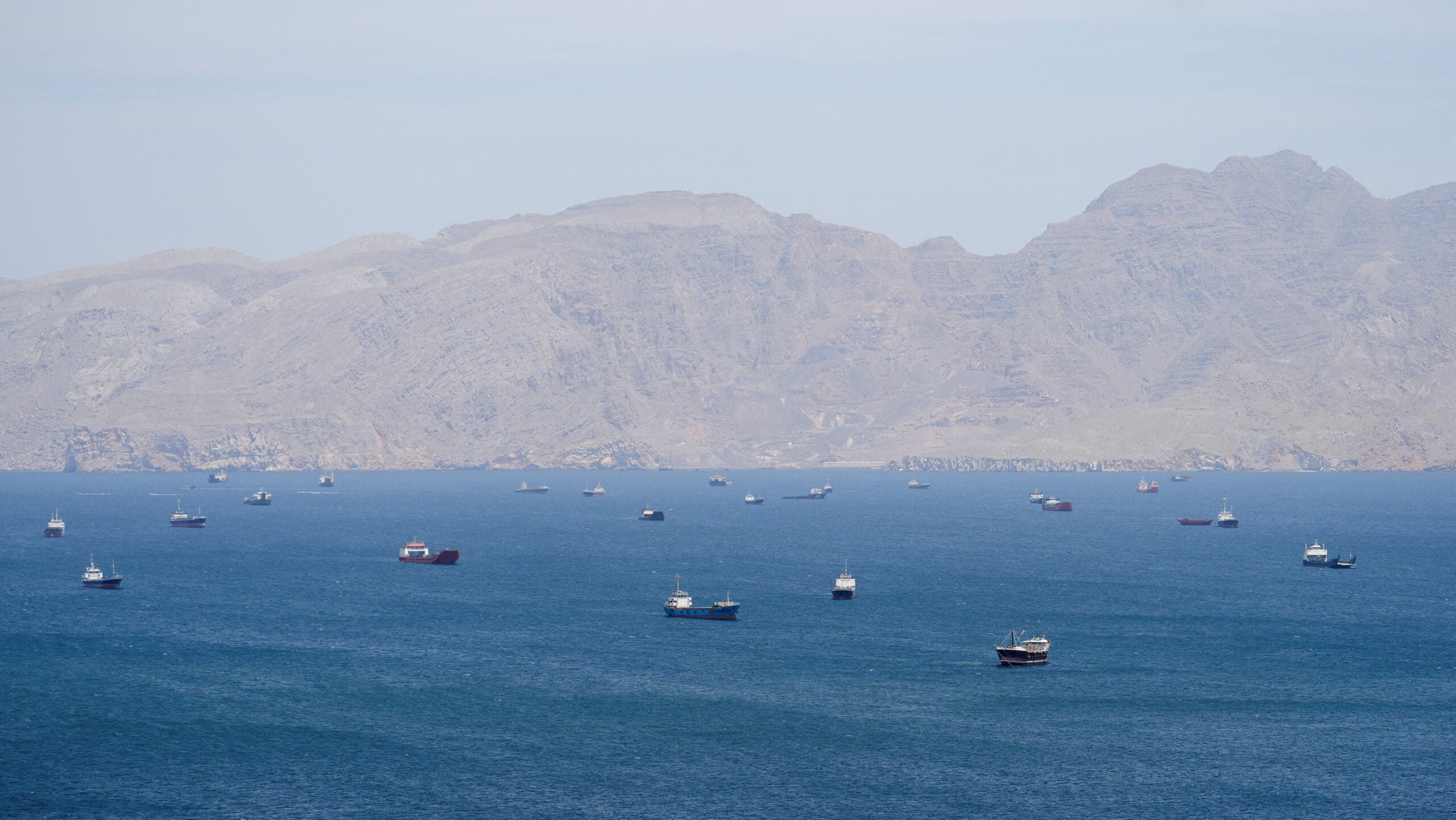
(Bloomberg) — A fully-laden Japan-linked oil tanker completed a rare transit of the Strait of Hormuz, as the effective closure of the waterway to most international traffic enters its third month.
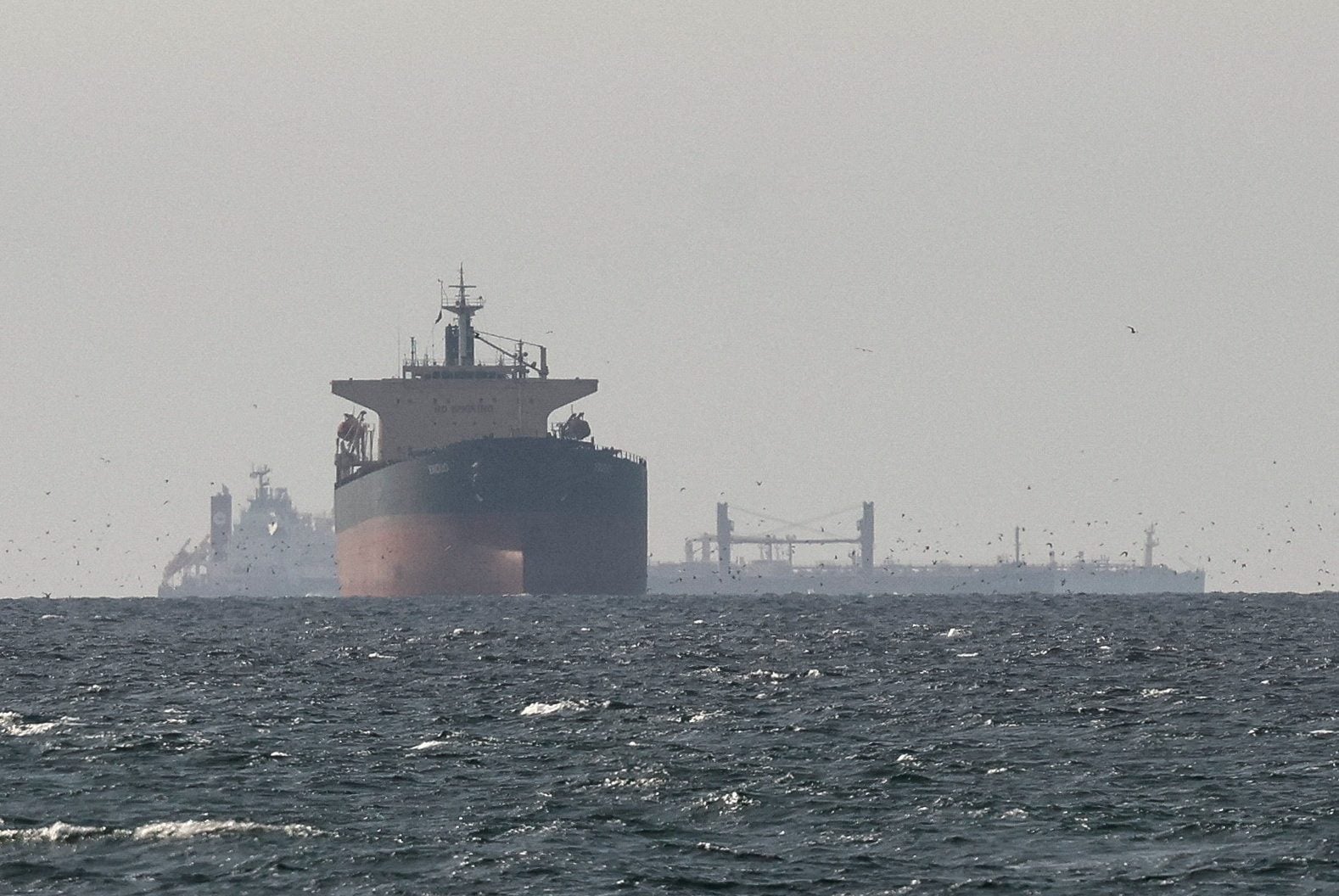
The supertanker Idemitsu Maru, loaded with about 2 million barrels of Saudi crude and headed for Japan, exited the Persian Gulf on Tuesday following the Tehran-approved route that runs close to Iran’s Qeshm and Larak Islands. It was the only non-Iranian very large crude carrier to leave the region in 10 days and the first tanker linked to Japan to cross since the strait effectively closed in late-February.
Tehran’s blocking of the waterway that previously carried about one-fifth of the world’s oil and important quantities of liquefied natural gas and other commodities is heading into its third month with no sign of easing. A retaliatory blockade of Iranian shipping by the US Navy has brought traffic into and out of the Persian Gulf to an almost complete halt.
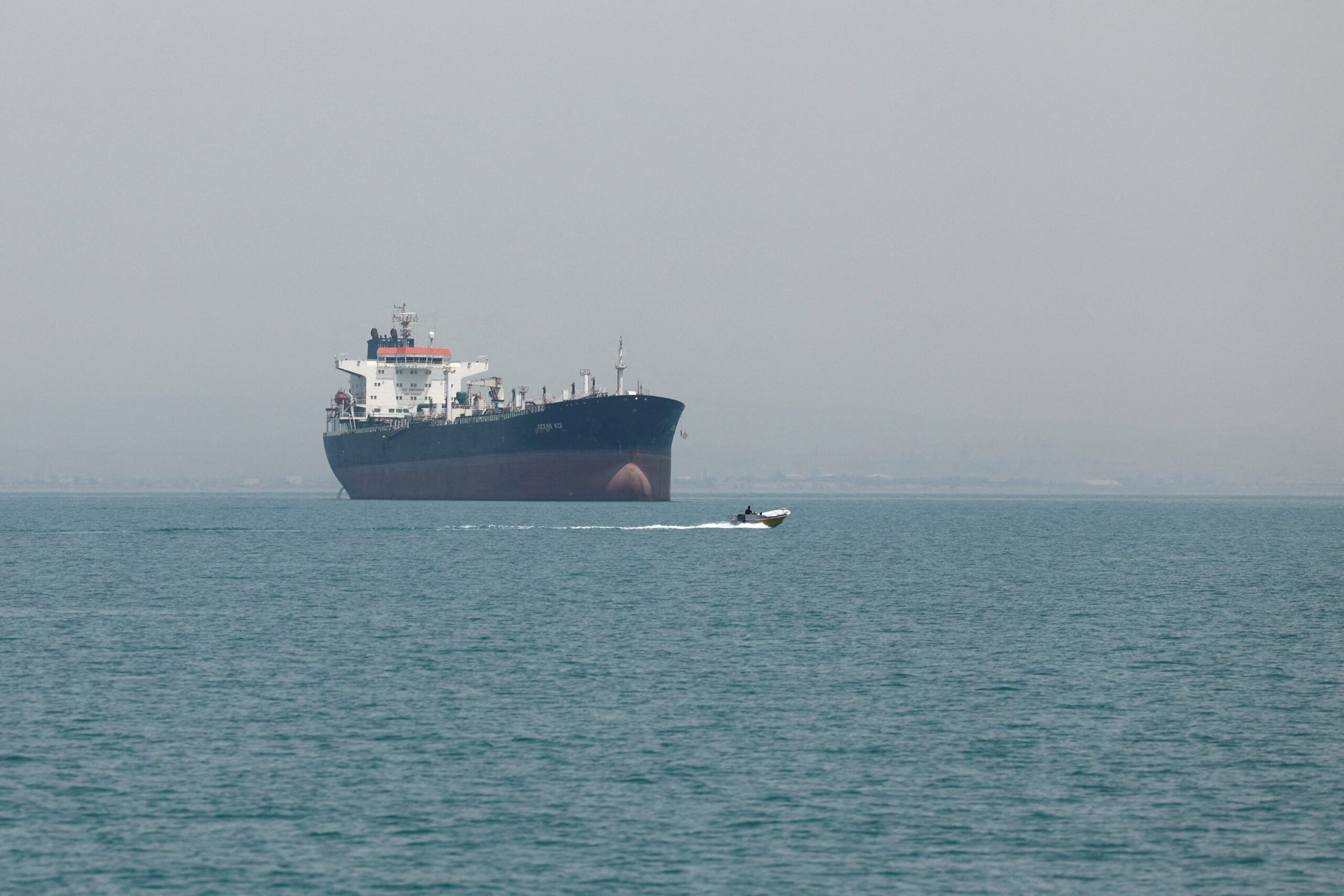
The ban on Iranian shipping, now effectively confined to the Persian Gulf and the Gulf of Oman by US frigates, has left Tehran relying on a fleet of aging tankers to store the crude that it can’t export.
Attention remains focused on diplomatic efforts to ease tensions, even as US President Donald Trump told aides to prepare for an extended blockade, while Tehran insists it won’t resume negotiations or reopen the strait as long as the US naval restrictions stay in place.
Ship Movements
In addition to the one VLCC, the only other ships to leave the Gulf since Tuesday morning were three bulk carriers, a chemical carrier, and LPG tanker and one container ship, according to vessel-tracking data compiled by Bloomberg. Two bulk carriers also entered the Gulf carrying food supplies to Iran.
The few Iran-linked ships that exited the strait in recent days didn’t get beyond the eastern end of the Gulf of Oman. It isn’t yet clear whether those vessels were scheduled for regional stops or have been forced to wait out the blockade.
Vessels transiting Hormuz with active Automatic Identification System signals during the past day were confined to the narrow northern lane approved by Tehran.
The US blockade may encourage Iran-linked ships entering or leaving the Persian Gulf to switch off their signals to avoid detection, making it harder to get an accurate picture of traffic. That means transit figures may sometimes be revised higher when vessels reappear far away from the riskiest waters.
Even before the US imposed its latest restrictions, it was common for Iran-linked ships to stop sending signals as they headed into Hormuz to exit the Persian Gulf. They generally didn’t enable them again until well into the Strait of Malacca in Southeast Asia, about 13 days’ sailing from Iran’s Kharg Island.
© 2026 Bloomberg L.P.

 Join The Club