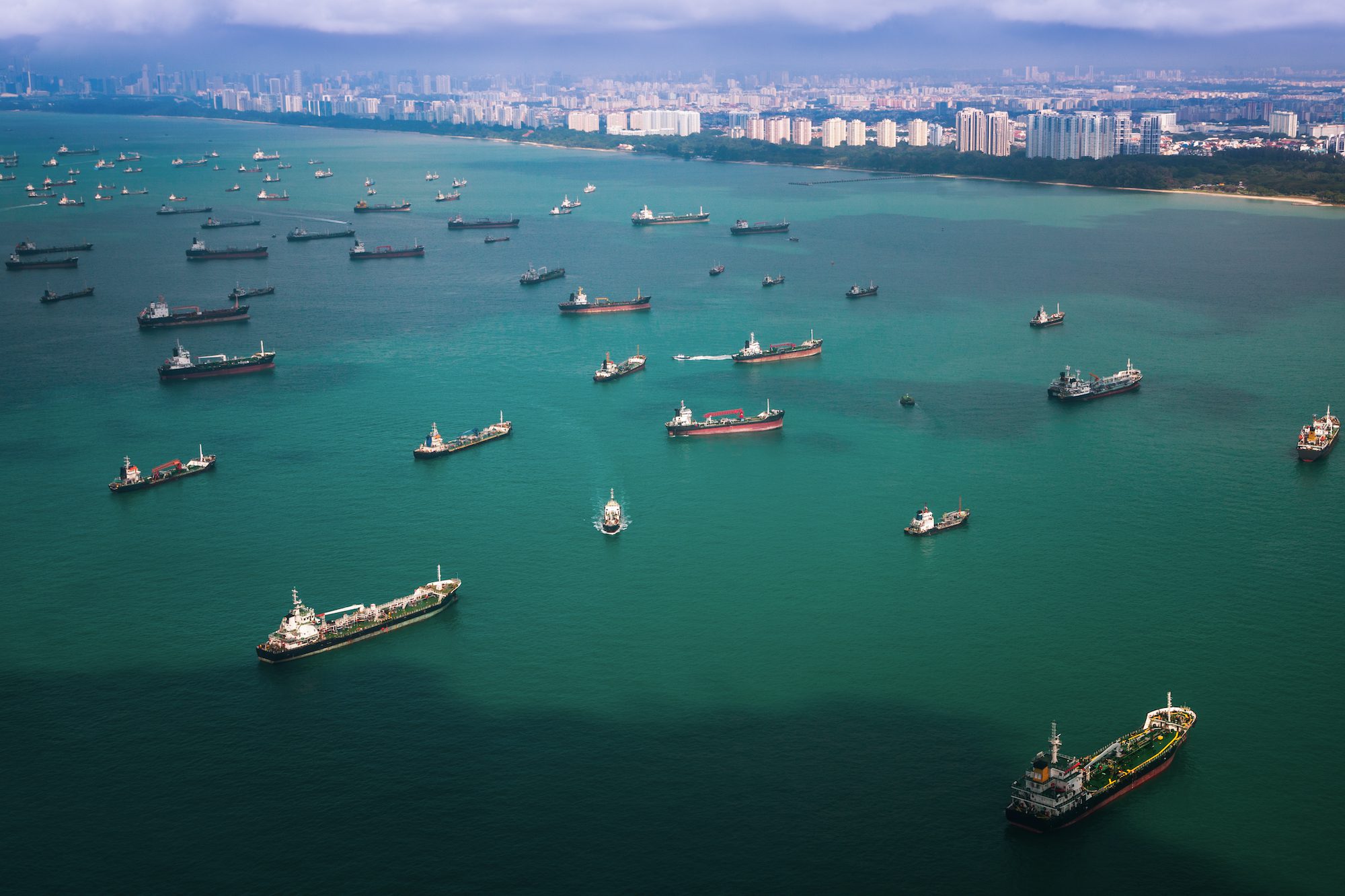
Singapore has retained its position as the world’s leading maritime hub, while Shanghai has climbed to second place and Asia now accounts for three of the world’s five highest-ranked maritime cities, according to a new report from DNV and Menon Economics.
The Leading Maritime Cities 2026 report, released Thursday, ranks Singapore first overall, followed by Shanghai, London, Rotterdam and Tokyo.
Singapore has held the top position since the report was first published in 2015, maintaining its lead through a combination of shipping activity, port infrastructure, maritime services and investment in technology.
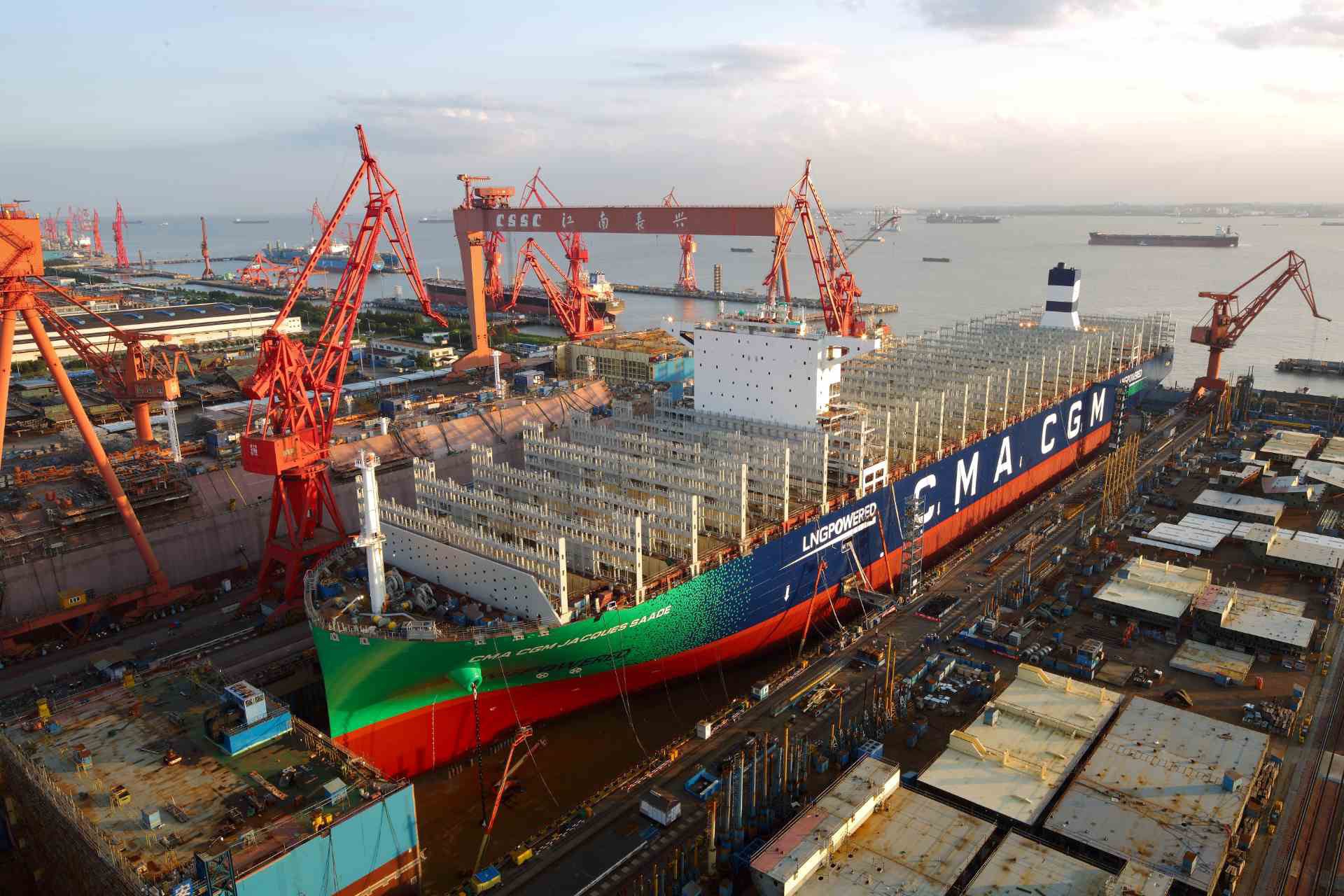
The biggest shift in this year’s rankings came from Shanghai, which climbed from fourth to second place, overtaking both Rotterdam and London. Tokyo also returned to the top five, replacing Oslo, which ranked fifth in 2024.
The results mark a shift toward Asia, which now accounts for three of the top five maritime cities, compared with two in the previous edition.
Singapore ranked first in three of the report’s five categories: Shipping, Ports and Logistics, and Attractiveness and Competitiveness. It also placed third in Maritime Finance and Law and fourth in Maritime Technology. Its position reflects the concentration of shipowners and fleet managers operating in the city-state, alongside one of the world’s most important ports, extensive liner shipping connections and growing capabilities in alternative-fuel bunkering.
“This has been a year of disruption and adjustment for the maritime industry,” said Cristina Saenz de Santa Maria, CEO Maritime at DNV. “Faced with these challenges, the leading maritime cities have demonstrated that leadership is built not on a single activity, but on breadth.”
While Singapore maintained its lead, the report highlights how different maritime centers are competing through their respective strengths. Shanghai’s rise underscores the growing influence of Asian maritime hubs, while London and Rotterdam remain among the world’s leading centers for maritime business, services and port-related activity.
North American maritime hubs lost ground in the latest rankings. New York remained the region’s highest-ranked city but slipped from sixth to eighth place globally. Houston fell five positions to 20th, while Los Angeles dropped from 19th to 25th.
Vancouver, Canada recorded an even steeper decline, falling from 13th to 28th place.
The changes come as Asian maritime centers gain ground in the rankings, although DNV and Menon Economics caution that methodological updates in the 2026 report may affect comparisons with previous editions.
The report also points to Dubai as a city to watch. In a survey of maritime industry experts looking ahead five years, Dubai ranked third among the cities expected to lead the global maritime sector.
“This year, that points to a shift in the balance of maritime power. Asia now holds three of the top five places, up from two in 2024,” said Erik Jakobsen, partner and chair of Menon Economics.
“At the same time, established European hubs such as London and Rotterdam continue to demonstrate the importance of strong maritime services and port-industrial clusters.”
The rankings are based on an assessment of 50 maritime cities across five categories: Shipping, Maritime Finance and Law, Maritime Technology, Ports and Logistics, and Attractiveness and Competitiveness.
Researchers initially screened more than 15,000 cities using maritime industry data before selecting 50 for a more detailed evaluation. The final assessment uses 48 indicators and incorporates responses from more than 200 maritime industry experts worldwide.
Now in its seventh edition, the report has expanded its methodology to account for changes reshaping the maritime industry, including the energy transition, technological development, workforce availability and resilience.
DNV and Menon Economics caution that changes in rankings should be viewed in the context of those methodological updates, which can affect comparisons with previous editions.
The findings also suggest that maritime competitiveness increasingly depends on more than fleet ownership or cargo volumes alone.
“Cities compete from different positions, and their strengths reflect the role they play in the global maritime industry,” said Shahrin Osman, global business development leader for maritime advisory at DNV and co-author of the report.
“Those that come out on top link infrastructure, commercial decision-making, specialist services, technology and talent into a single working cluster.”
For Singapore, that combination has been enough to keep it at the top of the rankings for more than a decade, even as competition among the world’s leading maritime centers intensifies.

 Join The Club