Alternative-fuel ship orders rebounded sharply in the third quarter, with September delivering the strongest monthly total in nearly two years as LNG remained the dominant choice for new vessels.
Shipowners placed orders for 69 alternative-fuelled vessels in September, the highest monthly total since October 2024, according to new figures from DNV’s Alternative Fuels Insight platform.
The September activity brought third-quarter orders to 168 vessels, making it the busiest quarter since the third quarter of 2024.
So far this year, DNV has recorded 311 alternative-fuel vessel orders, up 53% from the same period in 2025.
The acceleration marks a sharp turnaround from the first half of the year. DNV reported in July that owners ordered 137 alternative-fuelled vessels during the first six months of 2026, down from 155 a year earlier.
“After a relatively slow start to 2026, vessel ordering activity picked up significantly in the third quarter,” said Jason Stefanatos, Global Decarbonization Director at DNV Maritime. “September capped the strongest quarter for alternative-fuelled vessel contracting in the past two years, bringing year-to-date orders comfortably above the level seen at the same point last year.”
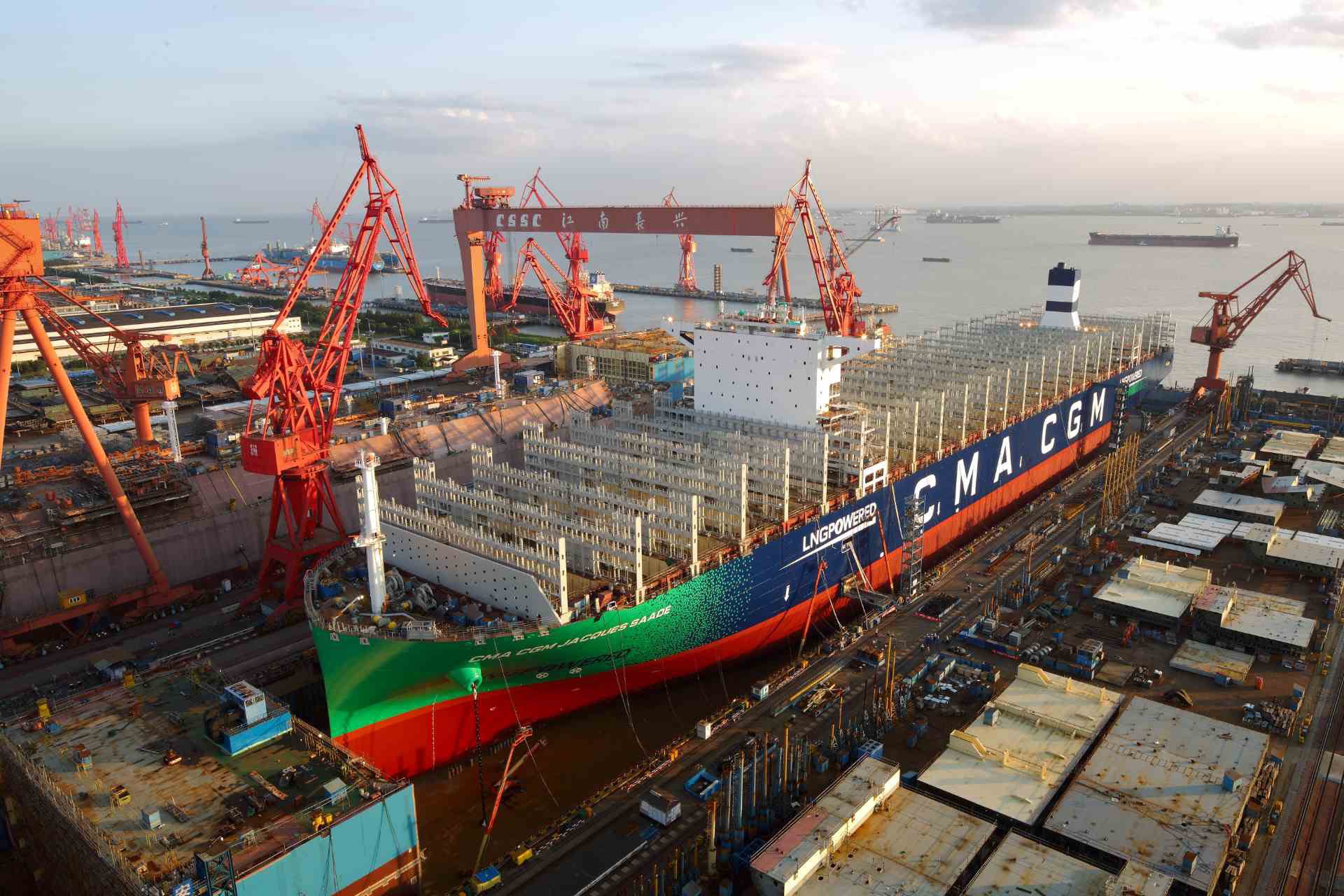
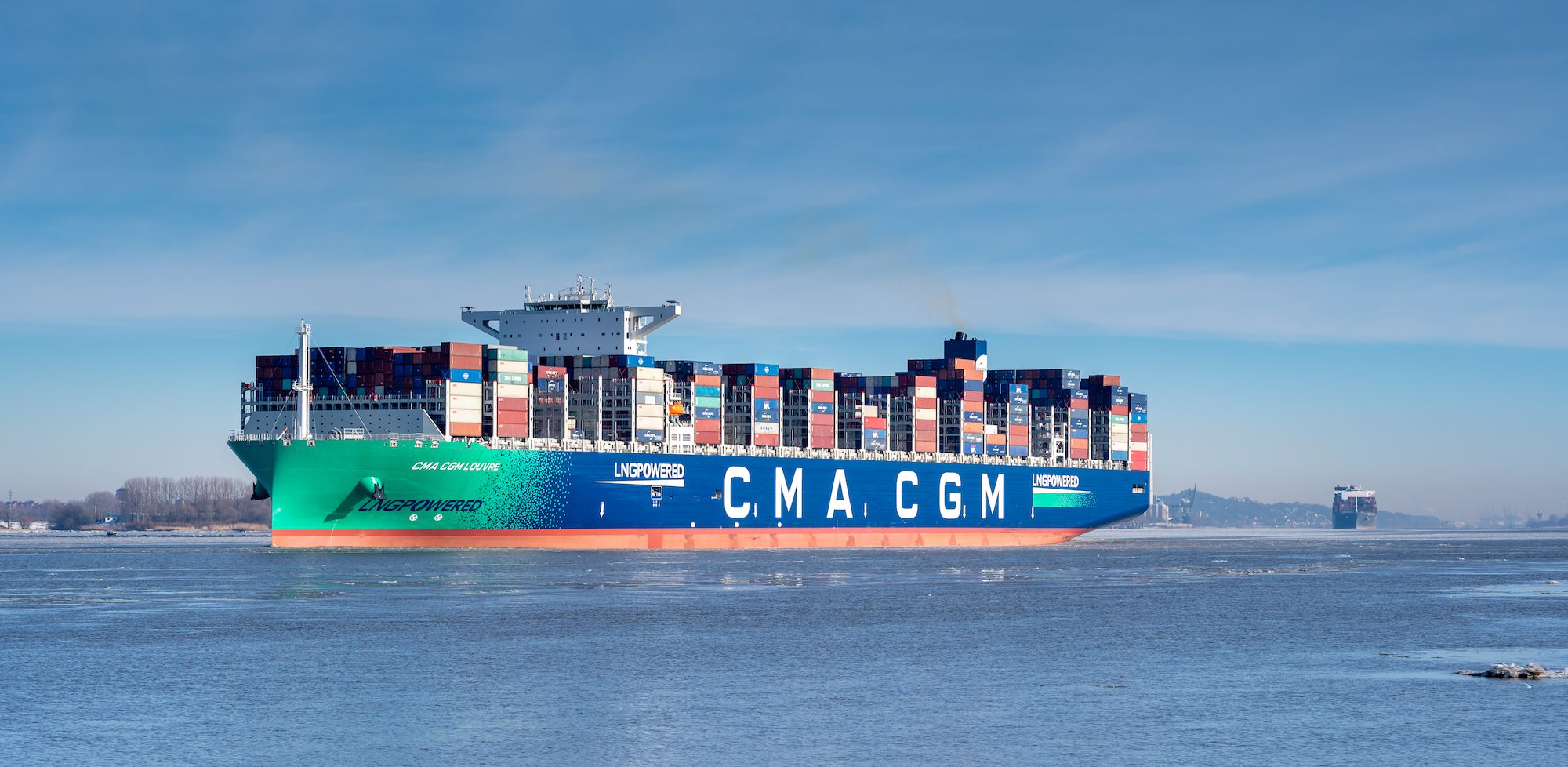
LNG accounted for 48 of September’s 69 orders, covering containerships, car carriers, bulk carriers and ro-ro cargo vessels.
Another 12 orders were for ethanol-fuelled bulk carriers, while nine LPG-fuelled vessels were ordered during the month.
The mix reflects an industry that continues to pursue several fuel pathways rather than settling on a single replacement for conventional marine fuels.
“Ordering activity can turn quickly, as this quarter shows,” Stefanatos said. “The mix of fuels and vessel types still varies from one segment to another, which reflects the different operating profiles and commercial realities across the industry.”
The stronger orderbook comes as shipowners face continuing uncertainty over fuel costs, infrastructure and future emissions rules.
DNV warned in its latest Maritime Forecast to 2050 that regulatory outcomes could significantly change the economics of alternative fuels over the operating lives of vessels ordered today.
Alternative-fuel-capable tonnage has already grown from just 0.4% of the global fleet in 2020 to 5.2% in 2026, according to DNV, led primarily by LNG and methanol systems.
But many dual-fuel vessels continue to operate mainly on conventional fuels because lower-emission alternatives remain more expensive and availability varies considerably by region.
The latest contracting figures nevertheless suggest owners remain willing to pay for fuel flexibility when ordering ships expected to remain in service for decades.
“The overall level of contracting suggests that shipowners continue to invest in alternative-fuel capability as part of their longer-term fleet strategies,” Stefanatos said.

 Join The Club