Orders for alternative-fueled ships are running 57% ahead of last year, with LNG-powered containerships and car carriers driving much of the growth, according to new figures from classification society DNV.
Shipowners ordered 53 alternative-fueled vessels in October, bringing the year-to-date total to 364 vessels, according to DNV’s Alternative Fuels Insight (AFI) platform.
The latest figures extend a rebound in contracting activity that began over the summer, following a relatively slow start to 2026.
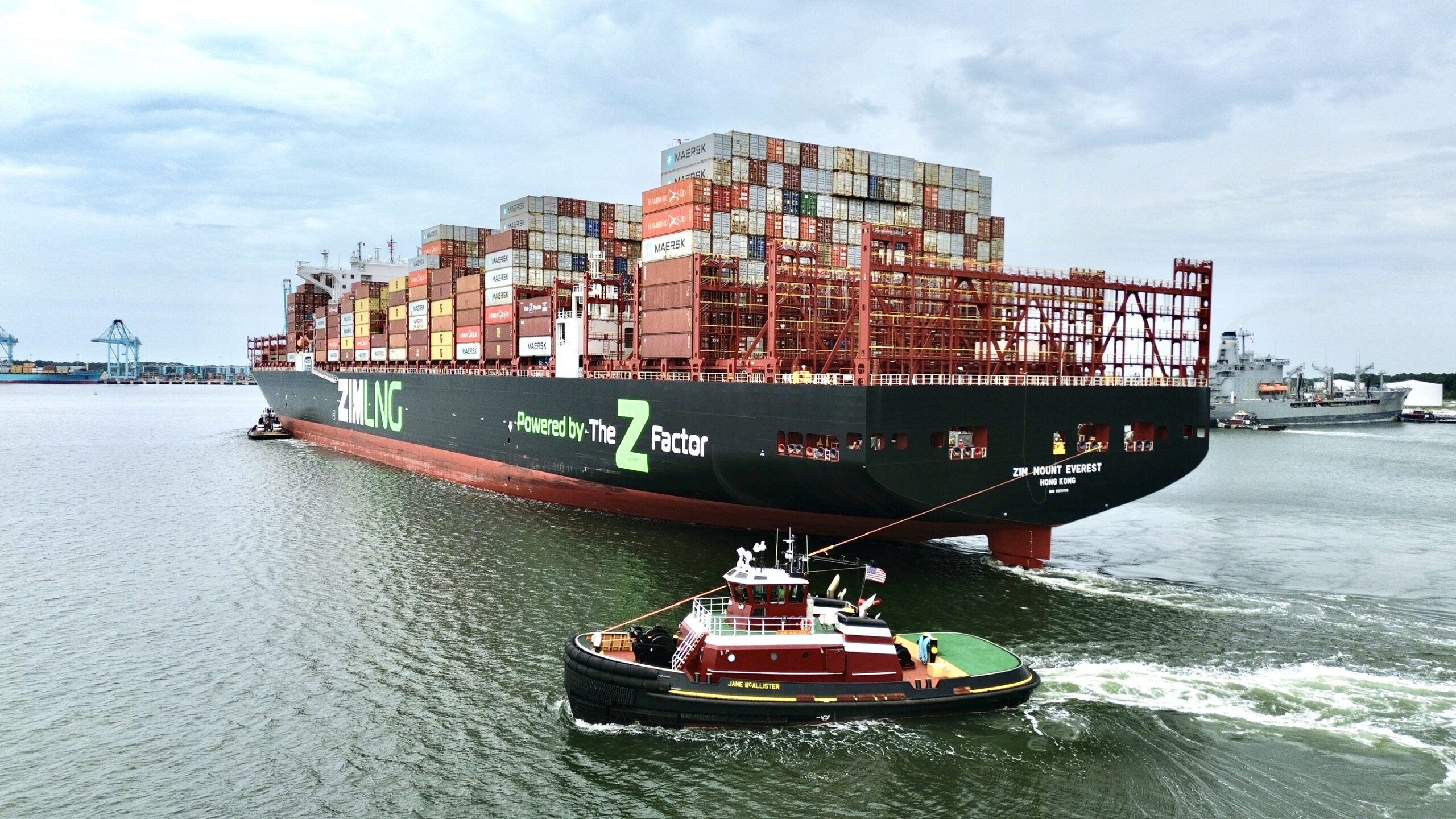
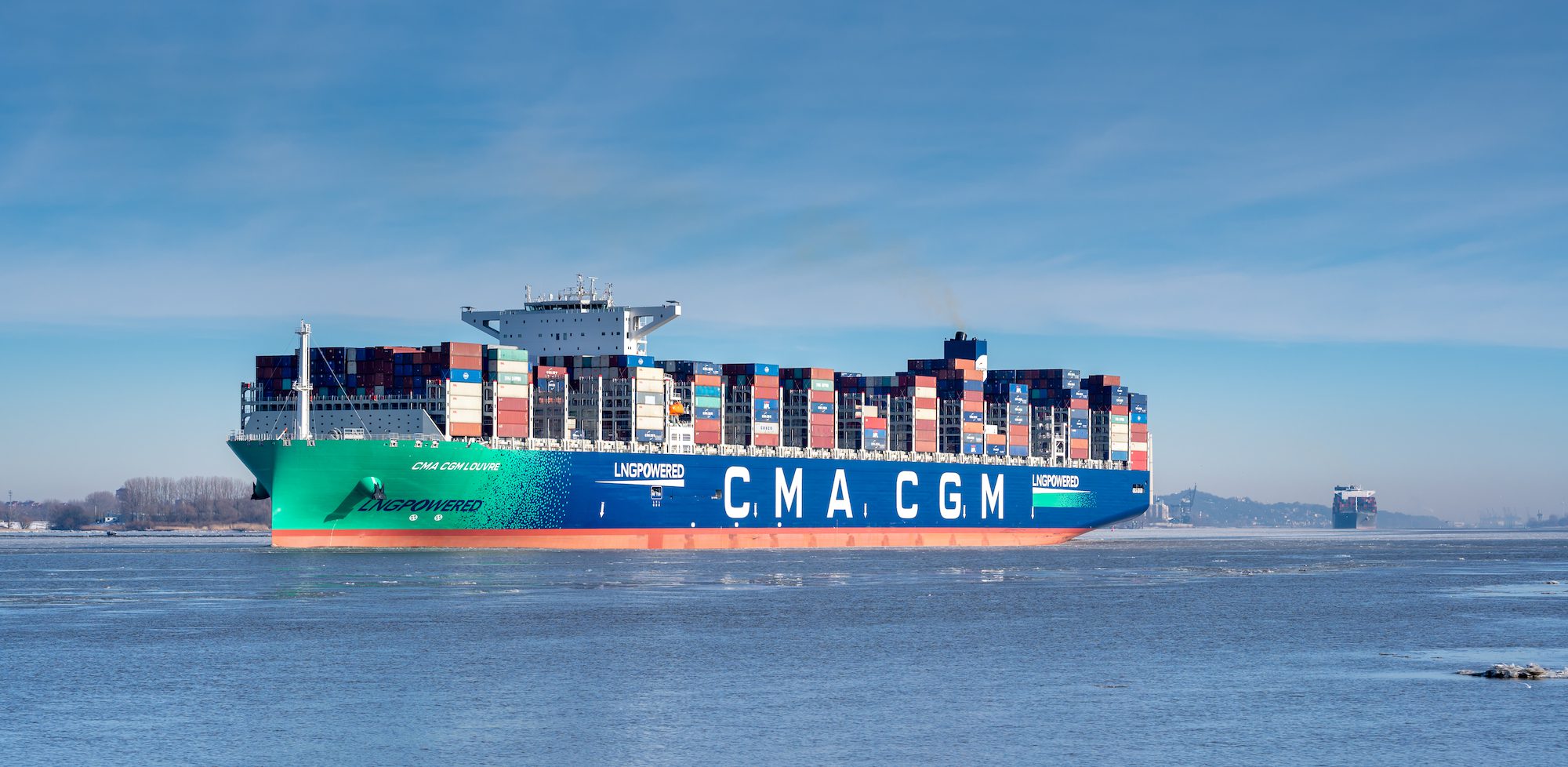
LNG remained the clear favorite in October, accounting for 30 new orders, including 18 containerships and 12 car carriers. Another 19 orders were recorded for LPG carriers, while four ammonia-fueled car carriers were added to DNV’s database.
The ammonia orders represent another step toward commercial adoption of the emerging fuel, although the technology and supporting bunkering infrastructure remain in the early stages of development.
LNG has accounted for 230 alternative-fuel vessel orders so far in 2026, representing approximately 63% of the total. Containerships lead the LNG segment with 134 orders, followed by car carriers with 75. Together, the two vessel types account for more than 90% of LNG-fueled newbuild orders this year.
“October’s figures add to the strong activity we have seen in alternative-fuelled vessel ordering since the summer,” said Jason Stefanatos, Global Decarbonization Director at DNV Maritime.
“Particularly notable is the continued concentration of LNG-fuelled orders in container ships and car carriers.”
The figures follow an especially strong third quarter, when shipowners placed orders for 168 alternative-fueled vessels, the highest quarterly total in two years. September alone accounted for 69 orders, as gCaptain previously reported.
Stefanatos pointed to LNG’s established supply chain and growing bunkering network as key advantages over competing fuels.
“LNG’s continued prominence is also supported by the comparatively mature infrastructure and supply chain around the fuel,” he said.
The ability to potentially transition to lower-carbon fuels in the future also gives shipowners flexibility when investing in vessels expected to remain in service for decades.
Still, LNG’s growing popularity comes amid continued debate over its long-term environmental benefits, particularly the impact of methane emissions. While LNG can reduce certain air pollutants compared with conventional marine fuels, its overall climate performance depends on factors including methane leakage and engine emissions.
For now, the latest ordering figures suggest shipowners are continuing to favor LNG’s commercial availability and established infrastructure over newer fuel technologies, even as the industry considers longer-term decarbonization options.

 Join The Club