The manager of the tanker Settebello has accused the U.S. Navy of causing the deaths of three Indian seafarers and challenged key elements of the U.S. military’s justification for the strike, setting up a direct dispute over whether warnings were issued and whether the vessel was involved in transporting Iranian oil.
In a public statement released Thursday, Dubai-based IOS Marine FZE, manager of the Palau-flagged tanker, called for a full international investigation into the June 9 incident in the Gulf of Oman that resulted in the first confirmed seafarer fatalities linked to enforcement of Washington’s blockade of Iran.
“Three innocent lives have been lost, and the families of the deceased deserve answers,” the company said.
The statement comes one day after India’s government confirmed that three Indian crew members initially reported missing following the attack had been found dead. Twenty-one other Indian seafarers were rescued.
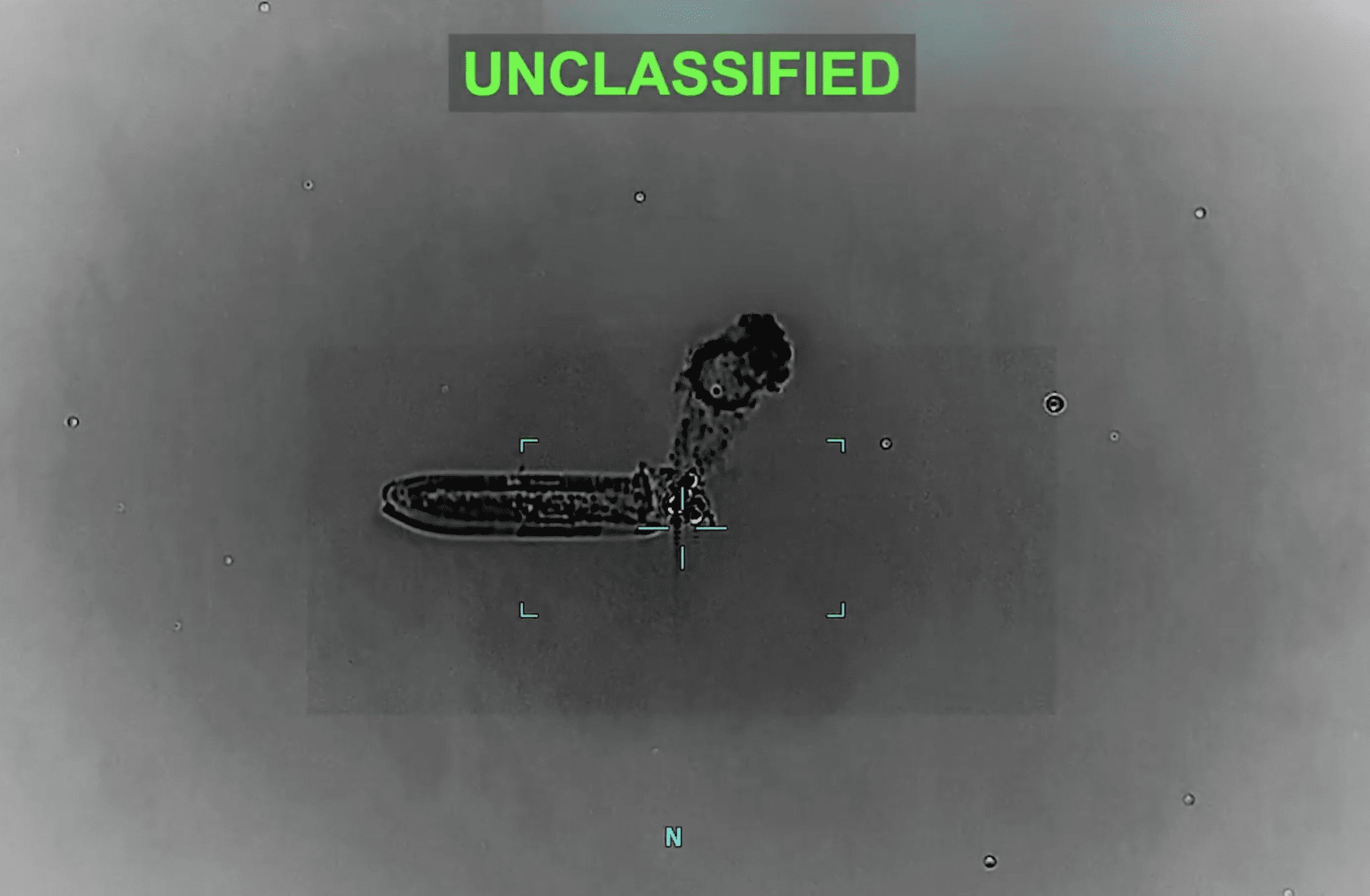
According to U.S. Central Command (CENTCOM), U.S. forces disabled the Settebello after the vessel allegedly attempted to transport Iranian oil through the Gulf of Oman in violation of the U.S.-led blockade. CENTCOM said a U.S. aircraft fired precision munitions into the ship’s engine room after the crew repeatedly failed to comply with directions from American forces.
The vessel manager strongly disputed that account.
“We categorically reject claims that the Motor Tanker SETTEBELLO ignored warning calls, communications, or instructions,” IOS Marine said. “To the best of our knowledge and based on information available to us, no warning call, message, or communication was ever successfully established with the vessel prior to the actions taken against it.”
The company further asserted that the vessel had “no affiliation whatsoever with Iran or Iranian oil” and was engaged in legitimate commercial operations at the time of the incident.
The statement also claims the tanker had remained stationary for approximately 10 days prior to the attack and was not conducting evasive maneuvers or taking actions that could reasonably justify the use of military force.
The allegations directly contradict CENTCOM’s assertion that the vessel was transporting Iranian oil and failed to comply with U.S. instructions.
Independent tanker tracking firm TankerTrackers.com has previously identified Settebello as part of the network of vessels involved in transporting Iranian crude oil, stating that the 29-year-old tanker had carried Iranian oil “for at least five years.” The company has also noted that the vessel had not been sanctioned by the U.S. Treasury’s Office of Foreign Assets Control despite its alleged involvement in Iranian oil trades.
Another maritime intelligence firm, Windward, said the Settebello fit a well-established pattern seen among tankers involved in sanctioned Iranian oil trades. The maritime analytics firm cited six flag changes in six years, a fraudulent registry, the absence of known marine insurance, and repeated AIS spoofing that it said was used to conceal cargo operations at Iran’s Bandar Mahshahr port. The company described the vessel as a “dark fleet” tanker used exclusively to transport Iranian fuel oil and heavy crude.
IOS Marine disputed allegations that Settebello was involved in Iran’s so-called “dark fleet” trade. The company said the tanker “held no affiliation whatsoever with Iran or Iranian oil” and was engaged in legitimate commercial operations at the time of the strike. The company did not specifically address claims regarding the vessel’s historical trading patterns, AIS activity, insurance status, or prior involvement in Iranian petroleum exports.
The vessel manager said the tanker suffered more than $35 million in damage and will likely require towing to the Far East for extensive repairs and drydocking before it can return to service.
Beyond the immediate circumstances of the strike, IOS Marine questioned the legal framework underpinning the blockade and the authority under which civilian merchant vessels are being subjected to military intervention.
“What legal authority is being exercised?” the statement asked. “What objective criteria are being applied to determine which civilian vessels may proceed and which may not?”
The company also warned that the incident could have resulted in a major environmental disaster had the vessel’s cargo tanks or bunker tanks been breached.
“It is also a matter of immense fortune for the maritime community and the coastal States in the region that this incident did not result in a pollution event,” the statement said.
In a statement earlier this week, IMO Secretary-General Arsenio Dominguez said that “the ship’s master, and the company, bear the ultimate responsibility for voyage planning and for conducting thorough and realistic risk assessments.” He added that “no commercial or operational consideration can justify exposing seafarers to such levels of danger,” emphasizing that the protection of crews must remain the overriding priority.
India’s main opposition party, the Indian National Congress, used the incident to criticize Prime Minister Narendra Modi’s government, arguing that New Delhi must do more to protect Indian nationals working aboard merchant vessels in the Gulf. The party condemned the U.S. actions that led to the deaths of three Indian seafarers aboard Settebello and called for diplomatic efforts to establish accountability while ensuring the safety of other Indian mariners operating in the region.
The deaths have intensified international scrutiny of the blockade, which the United States launched in April as part of its campaign to restrict Iranian oil exports.
CENTCOM announced Wednesday that U.S. forces disabled another tanker, the Guinea-Bissau-flagged M/T Jalveer, after it allegedly attempted to transport Iranian oil through the Gulf of Oman. The military said U.S. aircraft fired two Hellfire missiles into the vessel’s engine room after the crew repeatedly failed to comply with directions from American forces.
The Embassy of India in Muscat said it was monitoring the incident off the port of Shinas after reports that the Jalveer had been disabled during a U.S. blockade enforcement operation. According to the embassy, the evacuation of the vessel’s 20 Indian crew members was coordinated with the assistance of the Royal Navy of Oman. In a later update, Indian officials confirmed the rescue operation had been successfully completed and all 20 seafarers had been brought safely ashore.
According to CENTCOM, U.S. forces have now disabled nine non-compliant vessels, redirected 135 ships that complied with military instructions, and allowed 42 humanitarian vessels to proceed since blockade operations began on April 13.
CENTCOM has not publicly responded to the vessel manager’s allegations.

 Join The Club