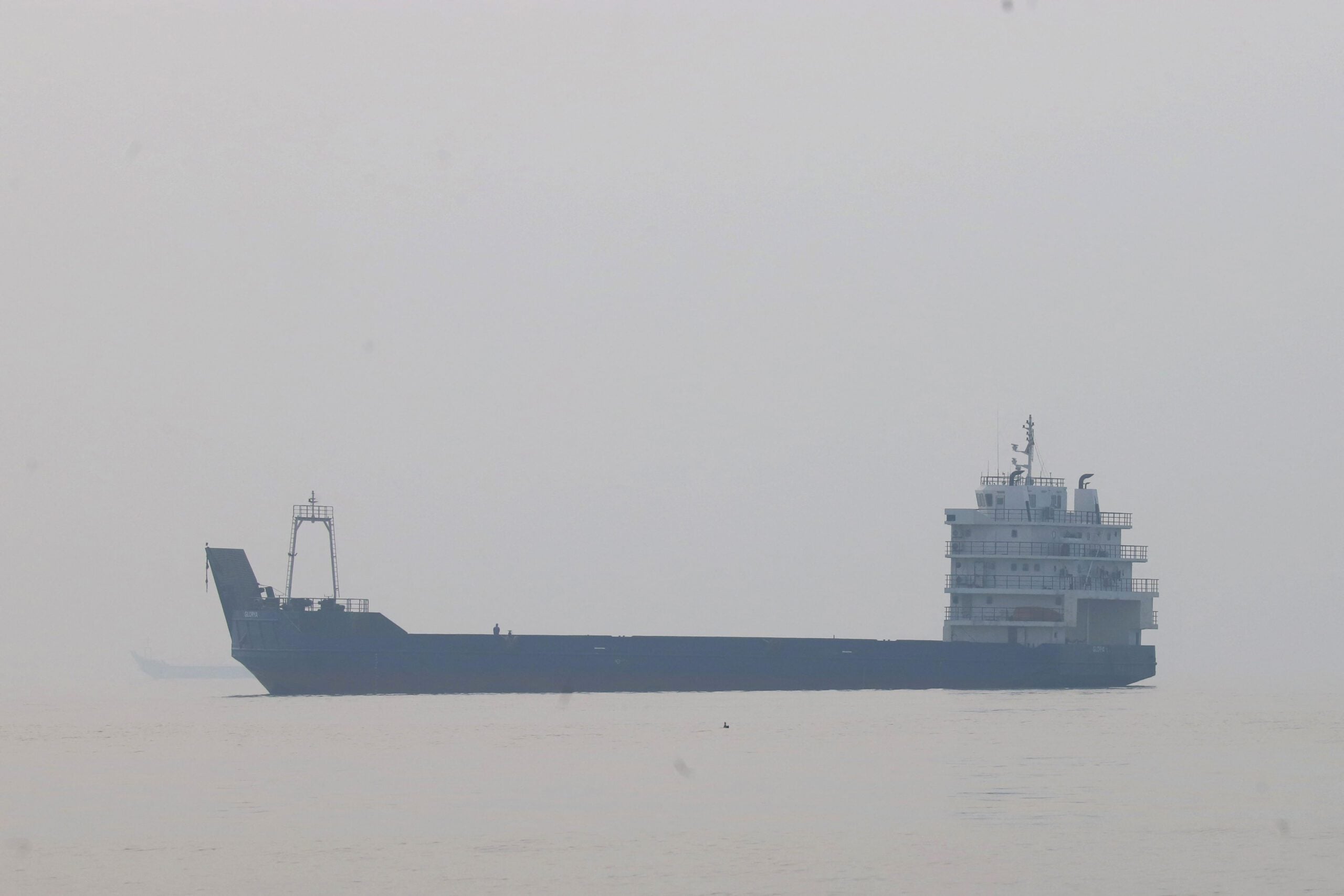
All 20 Indian crew members aboard the tanker MT Jalveer were safely evacuated to shore Thursday after U.S. forces disabled the vessel during a blockade enforcement operation in the Gulf of Oman, marking the third tanker incident involving Indian seafarers this week.
The rescue comes less than 48 hours after three Indian mariners were killed aboard the tanker Settebello in the first confirmed seafarer fatalities linked to Washington’s blockade of Iran.
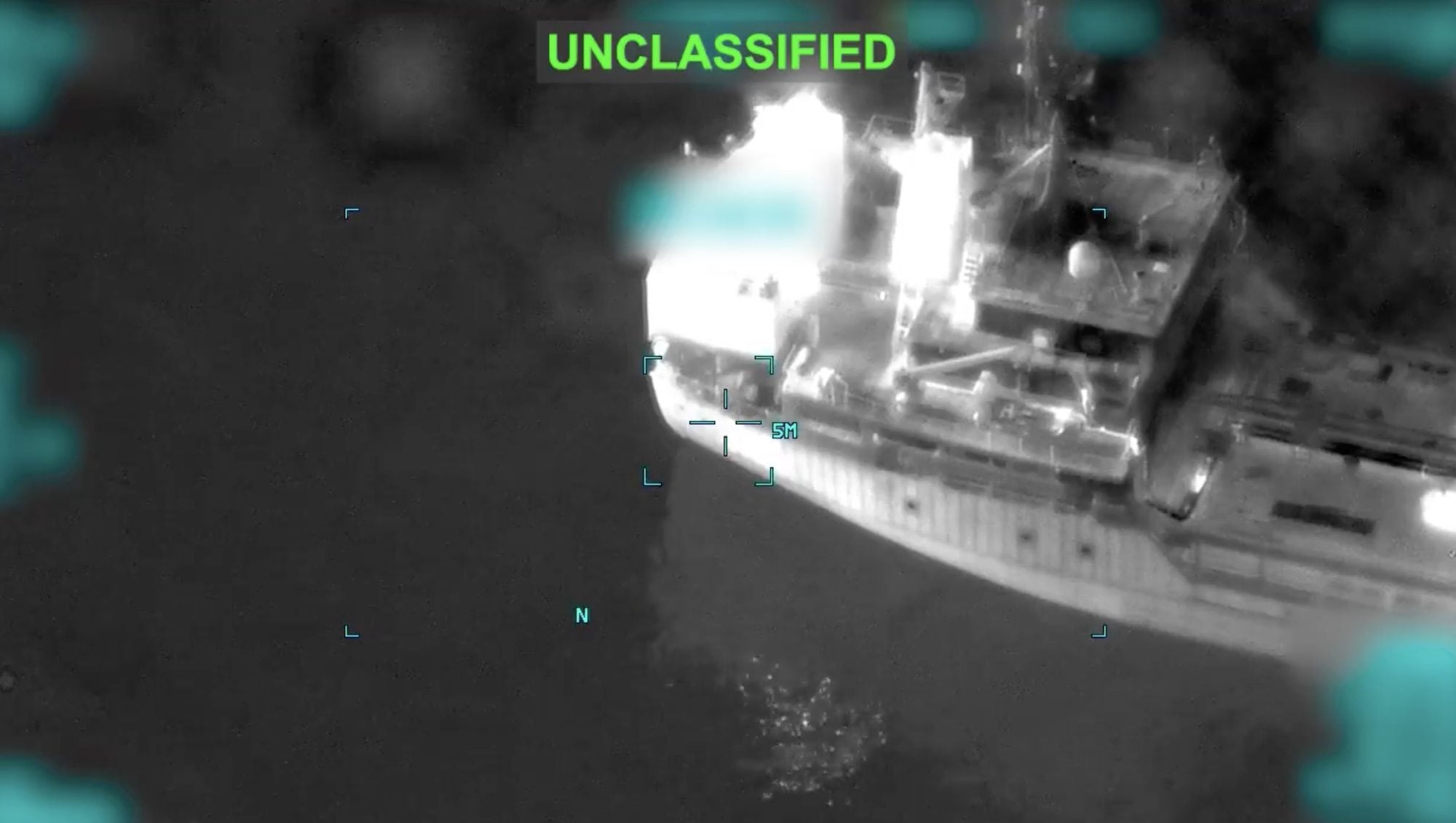
According to U.S. Central Command (CENTCOM), U.S. forces disabled the Guinea-Bissau-flagged MT Jalveer at approximately 11:20 p.m. ET on June 10 after the vessel allegedly attempted to transport Iranian oil through the Gulf of Oman.
CENTCOM said a U.S. aircraft fired two Hellfire missiles into the vessel’s engine room after the crew repeatedly failed to comply with directions from American forces.
Indian authorities confirmed that all crew members were safely evacuated following the incident.
“We have learnt of an incident involving a vessel off Shinas port of Oman,” the Embassy of India in Muscat said in an initial statement. The embassy said evacuation efforts were being coordinated with assistance from the Royal Navy of Oman.
In a later update, the embassy confirmed the operation had concluded successfully.
“The rescue operation with the support of the Omani authorities has been successfully completed and all the 20 Indian crew members have been evacuated ashore,” the embassy said.
No injuries or fatalities have been reported among the crew.
The Jalveer incident follows two other U.S. blockade enforcement actions involving vessels crewed by Indian nationals.
On Wednesday, three Indian seafarers were killed after U.S. forces disabled the Palau-flagged tanker Settebello in the Gulf of Oman. India’s Minister of Ports, Shipping and Waterways, Sarbananda Sonowal confirmed that three crew members initially reported missing had been found dead, describing the loss as “a profound loss to our maritime family.”
Earlier in the week, all 24 crew members aboard the tanker Marivex—also Indian nationals—were rescued after U.S. forces disabled the vessel during a separate blockade enforcement operation.
The string of incidents has placed Indian seafarers at the center of the maritime crisis unfolding around the Strait of Hormuz and Gulf of Oman. India supplies a significant portion of the global merchant marine workforce, with Indian nationals serving aboard thousands of tankers and cargo vessels operating in the region.
The latest rescue also underscores the growing role of Omani authorities in responding to maritime emergencies linked to blockade enforcement actions. The Royal Navy of Oman has assisted in multiple rescue operations involving commercial vessels disabled near Omani waters.
With the Jalveer operation, CENTCOM said U.S. forces have now disabled nine non-compliant vessels, redirected 135 ships that complied with military instructions, and allowed 42 humanitarian vessels to proceed since blockade operations began on April 13.
As blockade enforcement actions continue, the safety of civilian merchant crews has become an increasingly prominent concern for governments and shipping organizations. While all 20 Indian crew members aboard the Jalveer were rescued safely, the incident follows a week in which Indian seafarers have experienced both the first fatalities and multiple evacuations associated with the ongoing campaign.

 Join The Club