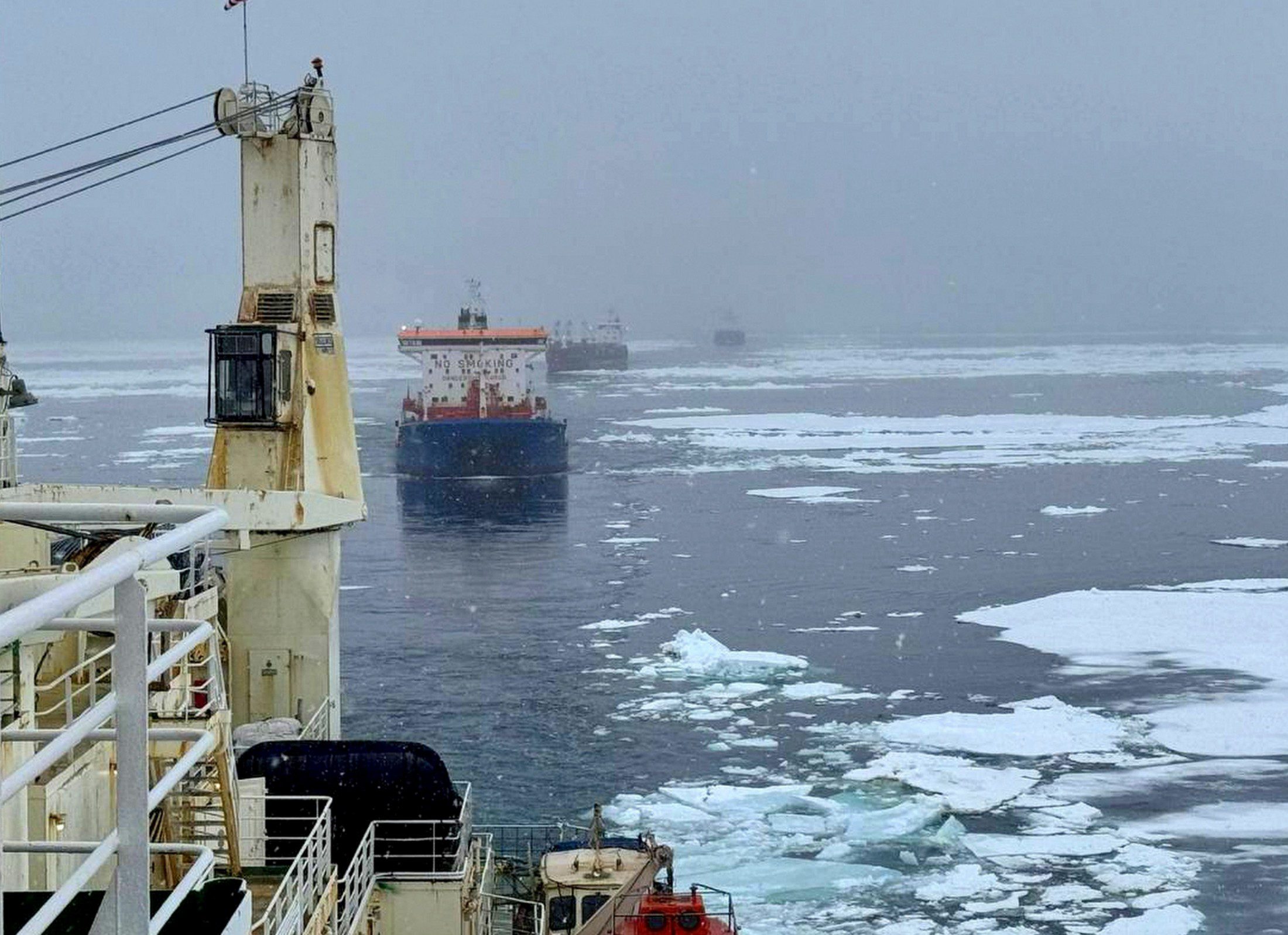
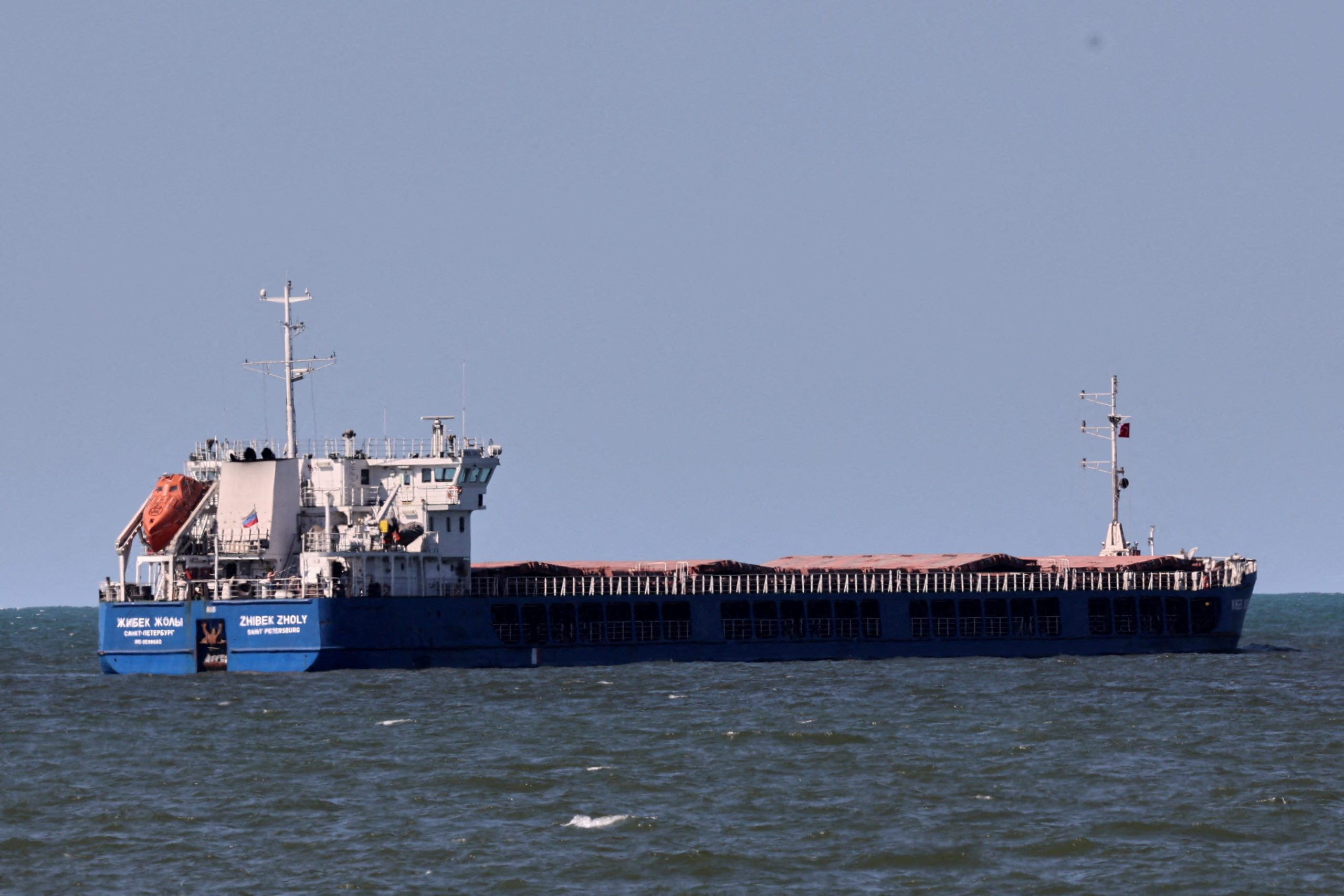
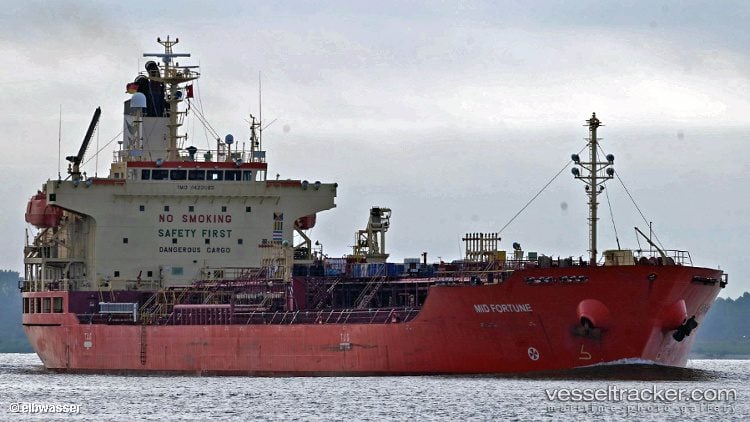
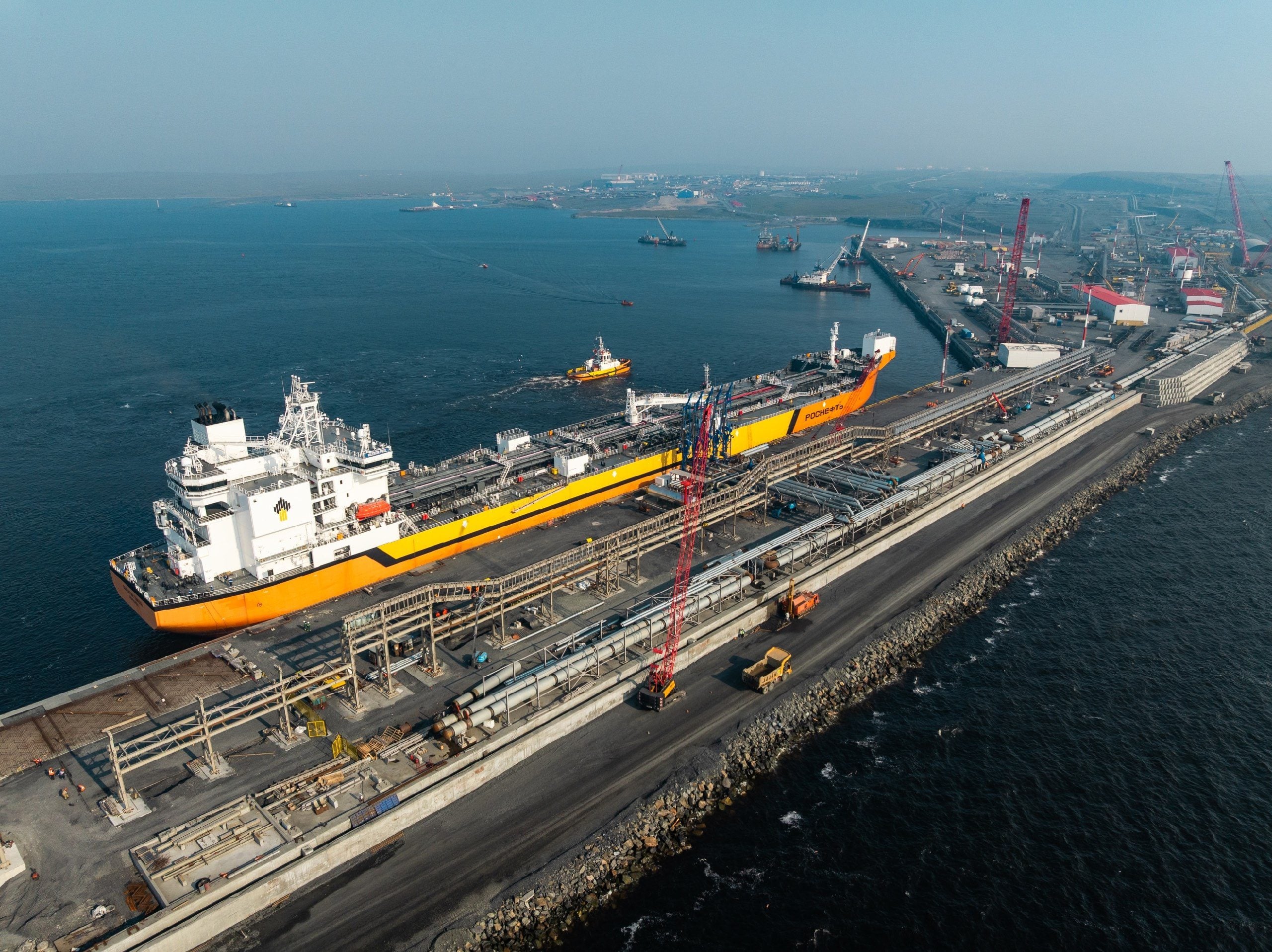
The number of shadow-fleet vessels carrying Russian oil and LNG through the Northern Sea Route has surged this summer, according to a new analysis by Bellona’s Environmental Transparency Center, raising concerns about the ability to respond to accidents in one of the world’s most remote shipping environments.
Bellona has identified more sanctioned oil tankers and LNG carriers on Russia’s Northern Sea Route in the first two months of the 2026 navigation season than during the whole of 2025, with many vessels lacking meaningful ice capability and information about accidents increasingly difficult to obtain.
The organization counted 50 shadow-fleet oil tankers and 18 shadow-fleet LNG carriers on the NSR between the start of the summer-autumn navigation season and mid-September. That compares with 38 oil tankers and 13 LNG carriers identified during the entire 2025 season.
The increase is particularly striking because the 2026 figures cover only about two months of navigation. Bellona said the number of shadow-fleet vessels using the route has increased for three consecutive years.
Shadow fleet on the NSR in 2025 and July-Sep 2026. (Source: Bellona)
Sanctioned vessels accounted for about three-quarters of all oil tankers and almost 40% of LNG carriers observed on the route during the period, according to Bellona’s monitoring.
The vessels also raise questions about their suitability for Arctic navigation.
Of the 50 shadow-fleet oil tankers identified, 26 have an ice class of Ice3 or lower, or no ice class at all, Bellona said. Thirty-three are at least 15 years old.
Most of the oil tankers sail under the Russian flag, while six are registered in Oman and one in Sierra Leone.
The LNG carriers are generally newer and better equipped for Arctic operations, but Bellona still identified two with a low ice class and six with no ice class at all. Five of the 18 are more than 15 years old. Most sail under the Russian flag, while two are registered in the Marshall Islands and two in Oman.
One vessel stands out: the Clean Vision, an Arc4 LNG carrier that continues to sail under the Maltese flag despite being sanctioned by the United Kingdom and Canada.
The 2016-built vessel has been registered in Malta since 2016. The UK designated it in October 2025 over its involvement in transporting Russian LNG, while Canada sanctioned it in June 2026.
The Maltese flag has not been removed because sanctions imposed by the UK and Canada do not automatically require Malta to de-register the vessel. Malta’s Sanctions Monitoring Board says that Malta is bound by EU and UN sanctions but that sanctions imposed unilaterally by other states are not applicable in Malta, although operators are advised to consider the potential secondary effects.
The growth in traffic has also brought vessels with limited Arctic capability into difficult ice conditions.
The growing traffic is particularly concerning because the public may have little way of knowing when something goes wrong.
Bellona notes that Russia’s Northern Sea Route administration has stopped publishing information about incidents and accidents along the route since 2025. It has also stopped providing the daily operational information and reports on incidents and rule violations that previously provided an important source of information about activity on the route.
There is evidence that an accident may already have occurred without being publicly reported.
Russian insurer AlfaStrakhovanie recently disclosed that it had paid compensation for damage to a tanker hull following an accident while the vessel was sailing along the Northern Sea Route under icebreaker escort. The insurer did not identify the vessel, disclose the date or location, or say whether oil products had entered the marine environment. Bellona said the accident could have occurred during the 2026 season or the previous year.
That lack of transparency compounds the environmental risk posed by an expanding fleet of older and poorly insured vessels.
“The rapid growth of shadow-fleet traffic on the Northern Sea Route poses a serious risk to the Arctic,” Ksenia Vakhrusheva, Arctic Policy Advisor at Bellona ETC, said in the organization’s analysis. “The public may not even learn if a serious incident occurs.”
Bellona identified at least 14 shadow-fleet oil tankers carrying oil to China or other Asian destinations. On the LNG side, at least 11 shadow-fleet carriers loaded at the Utrenniy terminal serving the sanctioned Arctic LNG 2 project.
The figures are likely to rise further. The 2026 summer-autumn navigation season is expected to continue until mid-to-late October, and some vessels that entered the NSR in July could make a second passage before the season ends.
MOSCOW, Oct 23 (Reuters) – Latvia, a member of the European Union and NATO, has emerged as one of the top five countries used to ship Russian grain this marketing season despite strained political...
A tanker carrying Russian diesel is expected to arrive in Norfolk, Virginia, on November 2, potentially becoming the first such shipment to reach the United States in more than three...
Along Russia’s remote Arctic coast last month, Igor Sechin stood beside a waiting tanker in the freezing cold with a message for Vladimir Putin: After years of construction, the country’s next great oil frontier was finally coming to life.
October 22, 2026
Total Views: 1869
Get The Industry’s Go-To News
Subscribe to gCaptain Daily and stay informed with the latest global maritime and offshore news
— just like 106,390 professionals
Secure Your Spot
on the gCaptain Crew
Stay informed with the latest maritime and offshore news, delivered daily straight to your inbox
— trusted by our 106,390 members
Your Gateway to the Maritime World!
Essential news coupled with the finest maritime content sourced from across the globe.

 Join The Club