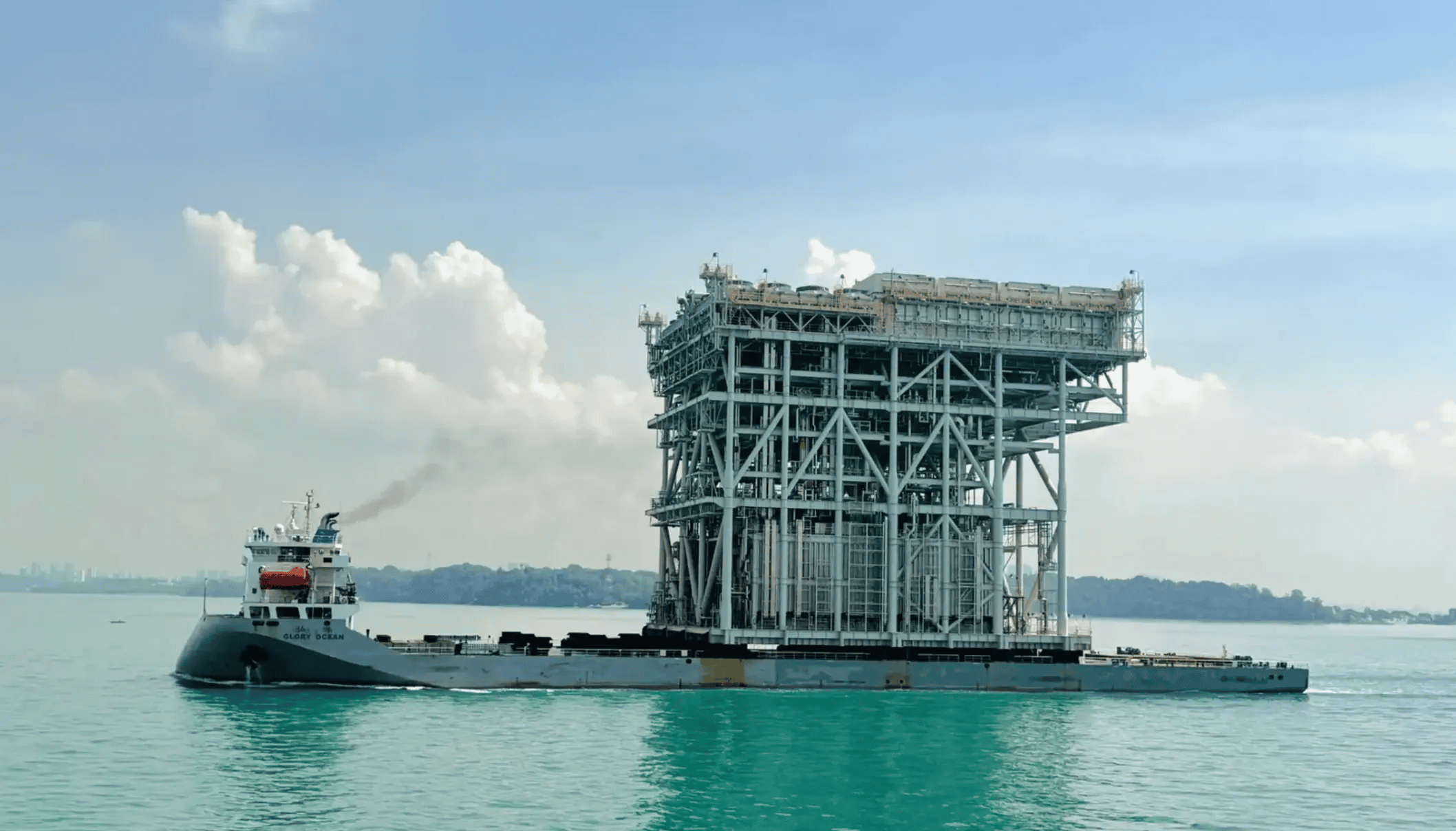
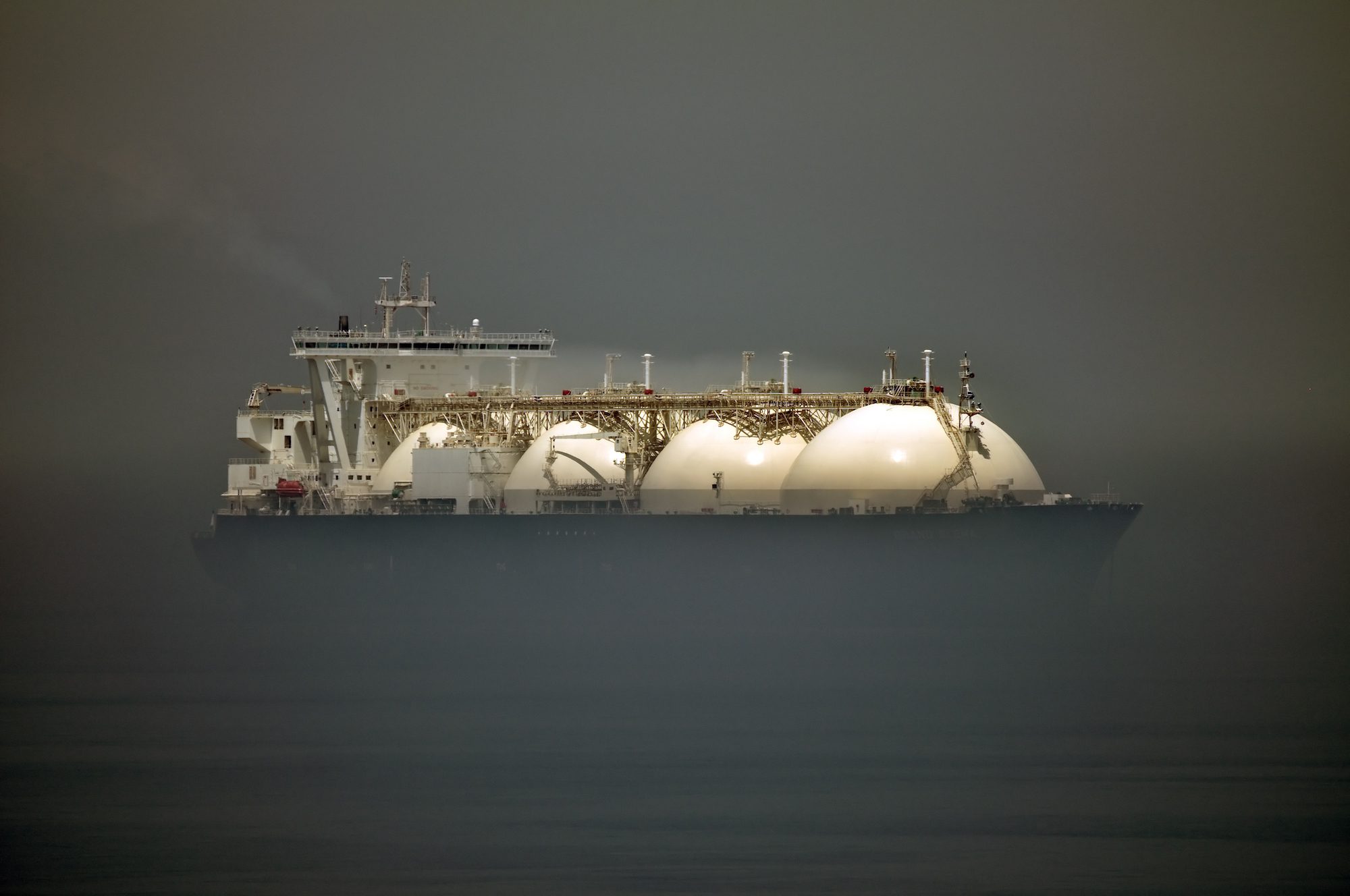
The ownership change gives Moscow greater control over a critical part of the supply chain for its Arctic energy projects, from transporting construction modules to remote project sites to potentially delivering finished LNG infrastructure to future overseas customers. It also illustrates how Russia’s shadow fleet is evolving beyond the transportation of sanctioned oil and LNG into a more comprehensive logistics network supporting the entire lifecycle of its energy projects.
The vessels, Bright (IMO 9830769) and Glory (IMO 9934498), have reappeared on the Automatic Identification System (AIS) near Murmansk under the Russian flag, following changes in ownership and management to Russia’s Eco Shipping LLC, according to vessel records reviewed by gCaptain.
Equasis identifies Guangdong Nan Feng Shipping Co. as their previous owner. No information about the sale, its timing or financial terms has been made public. Neither vessel currently appears in the fleet listing on Eco Shipping’s website, although Equasis confirms the ownership changes.
The two vessels have a history of transporting oversized equipment for Arctic LNG 2. Glory previously sailed as Nan Feng Zhi Xing and Glory Ocean, while Bright has also operated under the names Zhi Xian Zhi Xing, Hunter Star and Bright Ocean. Both have been involved in transporting LNG project modules from China to Russia.
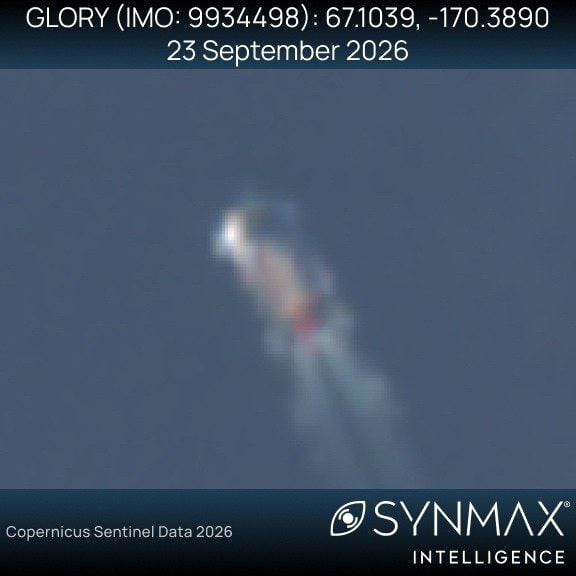
The subsequent voyage to Arctic LNG 2 was conducted largely outside public tracking. The vessels switched off their AIS transponders while sailing north across the Pacific toward the Bering Strait in mid-September. They eventually delivered the modules to the Utrenniy terminal serving Arctic LNG 2 without broadcasting their positions. Both ships have since reappeared on AIS near Murmansk under their new Russian registration.
Glory along the Northern Sea Route in the Chukchi Sea on September 23, 2026. (Source: SynMax Intelligence)
The future deployment of Bright and Glory remains unclear. At least seven additional modules intended for Arctic LNG 2’s third train remain in China, according to satellite imagery, with some appearing complete and others still under construction. The two carriers could potentially return to China to collect additional equipment.
Their new ownership could also open the door to other assignments supporting Russian LNG ambitions. Novatek has expressed interest in exporting its LNG technology and offshore platform concepts to international markets, including Africa and potentially Alaska. Heavy-lift carriers under Russian control could eventually transport modules from Belokamenka or other Russian facilities to overseas customers, rather than relying on foreign-owned vessels for such deliveries.
One of them, Ya Qing Hai Yang, formerly known as Ocean 28, delivered a substation module from China to Arctic LNG 2 in 2024. The vessel, which encountered difficulties navigating ice-covered waters in the Chukchi Sea requiring assistance from Russian icebreakers and tugs, is sanctioned by the United States, European Union and United Kingdom.
The second vessel, Jian Yang Cheng He, has also been involved in voyages along the Northern Sea Route and has attracted scrutiny from Norwegian authorities. Norwegian authorities inspected both vessels after they appeared off the coast, with Ya Qing Hai Yang subsequently detained over deficiencies including an invalid flag registration and missing certificates.
The developments highlight how Russia’s shadow fleet is expanding beyond conventional oil tankers and LNG carriers. By bringing specialized heavy-lift vessels under domestic ownership and management, Moscow is gaining greater control over the transportation infrastructure required to sustain its Arctic energy projects, while reducing reliance on foreign-owned shipping companies.
The use of AIS-dark voyages has become a recurring feature of this trade, making independent monitoring of vessel movements and cargo deliveries considerably more difficult. Switching off AIS while navigating the Arctic is particularly concerning given the region’s remote operating environment and the importance of reliable vessel tracking for maritime safety.
Transparency surrounding Northern Sea Route operations has also deteriorated in recent years. Russian authorities no longer publish the daily operational shipping logs previously used to monitor traffic and have stopped making permit applications and granted permits publicly available.
CAIRO, Nov 8 (Reuters) – Egyptian fertilizer producers have been notified of a new 33% reduction in their natural gas supplies, a company statement and industry officials said on Sunday, as the...
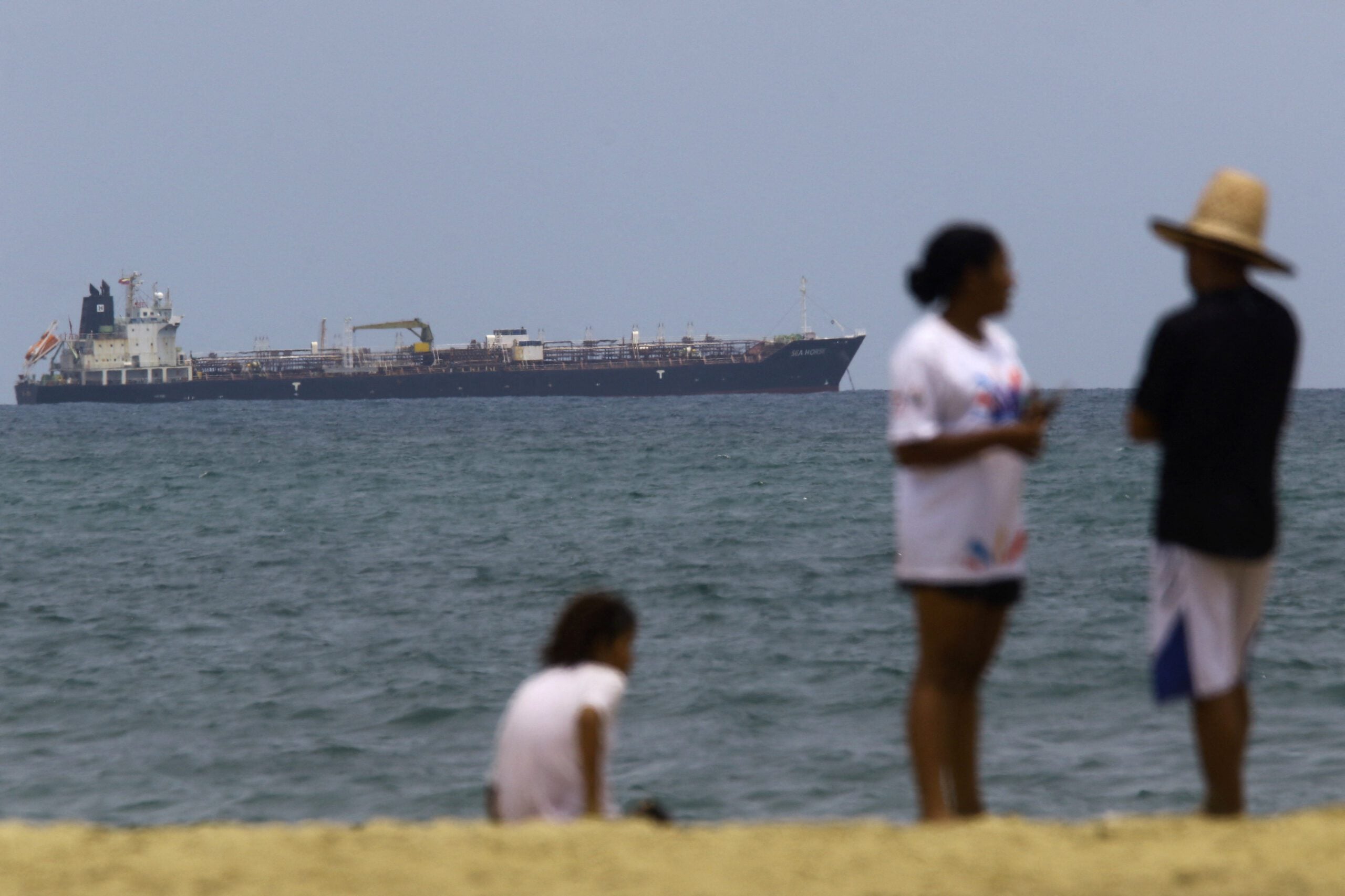
The Trump administration has expanded sanctions targeting Cuba’s maritime and energy sectors, identifying five Cuban-flagged vessels as blocked property and opening the door to further sanctions against foreign companies operating...
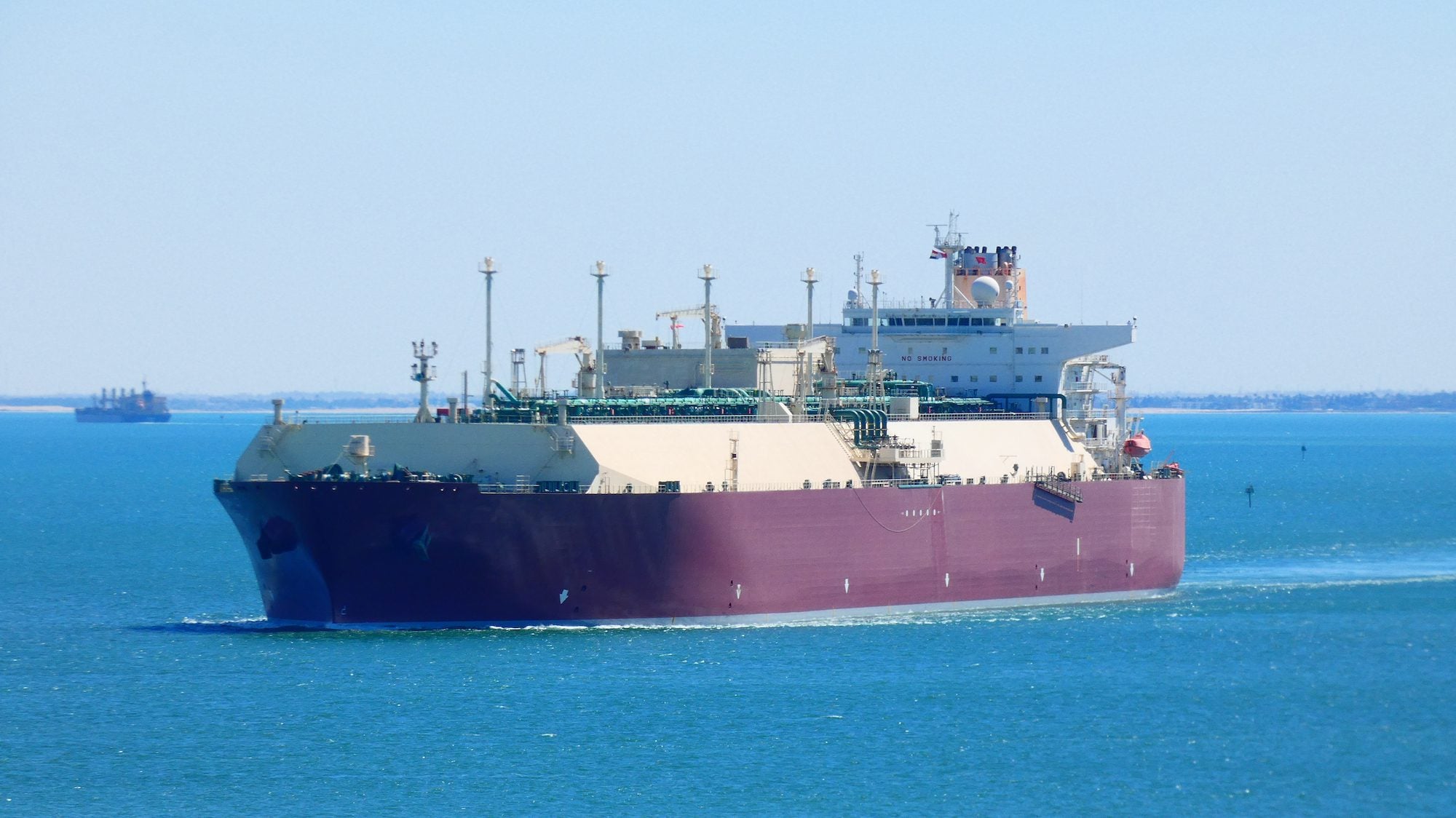
Turning to your biggest rival is rarely a sign of confidence. Yet Qatar's decision to sign long-term contracts for US supplies suggests the world's second-largest LNG exporter is increasingly concerned that instability in the Gulf could undermine its ambitious expansion plans.
November 3, 2026
Total Views: 668
Get The Industry’s Go-To News
Subscribe to gCaptain Daily and stay informed with the latest global maritime and offshore news
— just like 106,135 professionals
Secure Your Spot
on the gCaptain Crew
Stay informed with the latest maritime and offshore news, delivered daily straight to your inbox
— trusted by our 106,135 members
Your Gateway to the Maritime World!
Essential news coupled with the finest maritime content sourced from across the globe.

 Join The Club