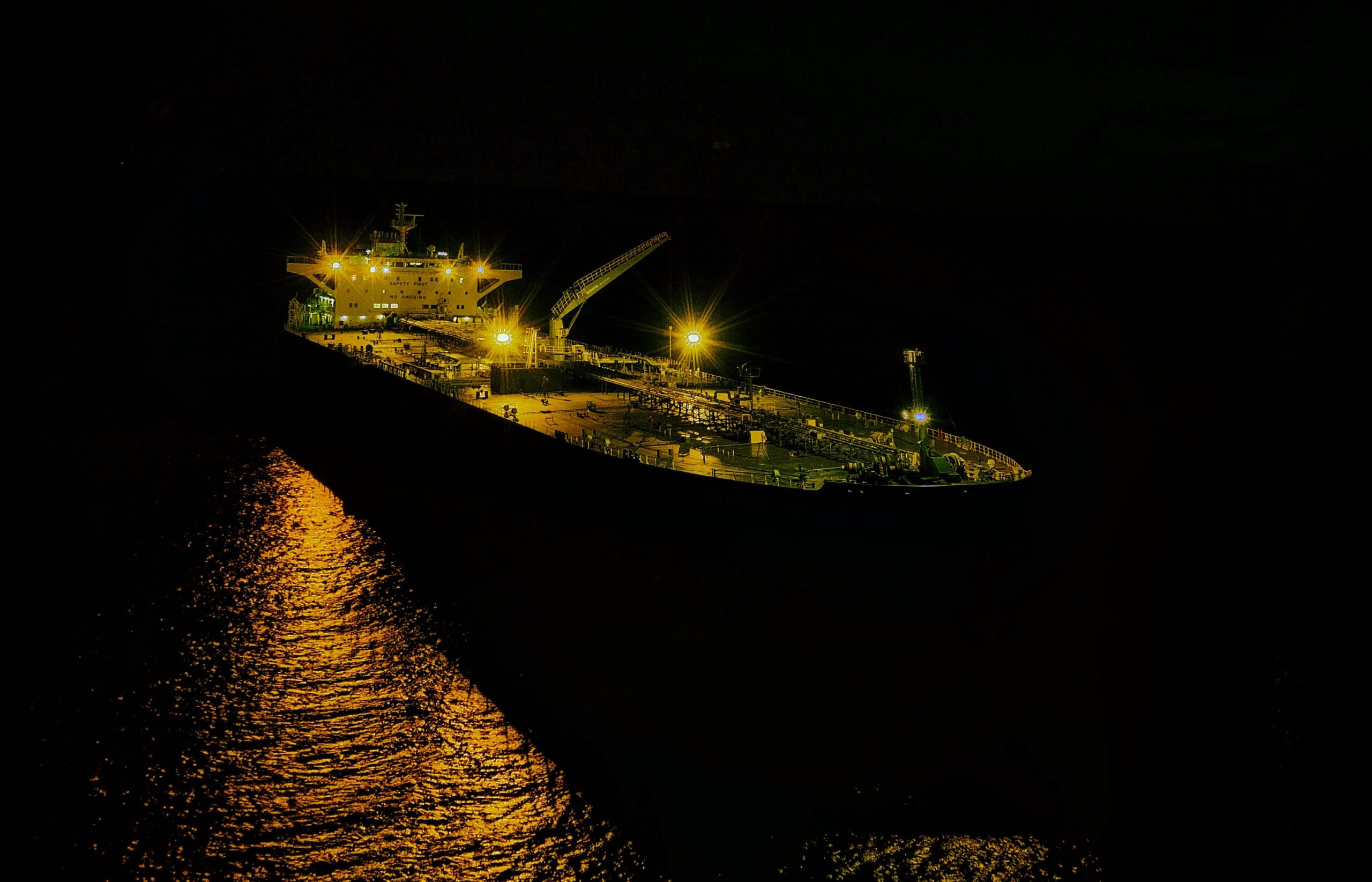
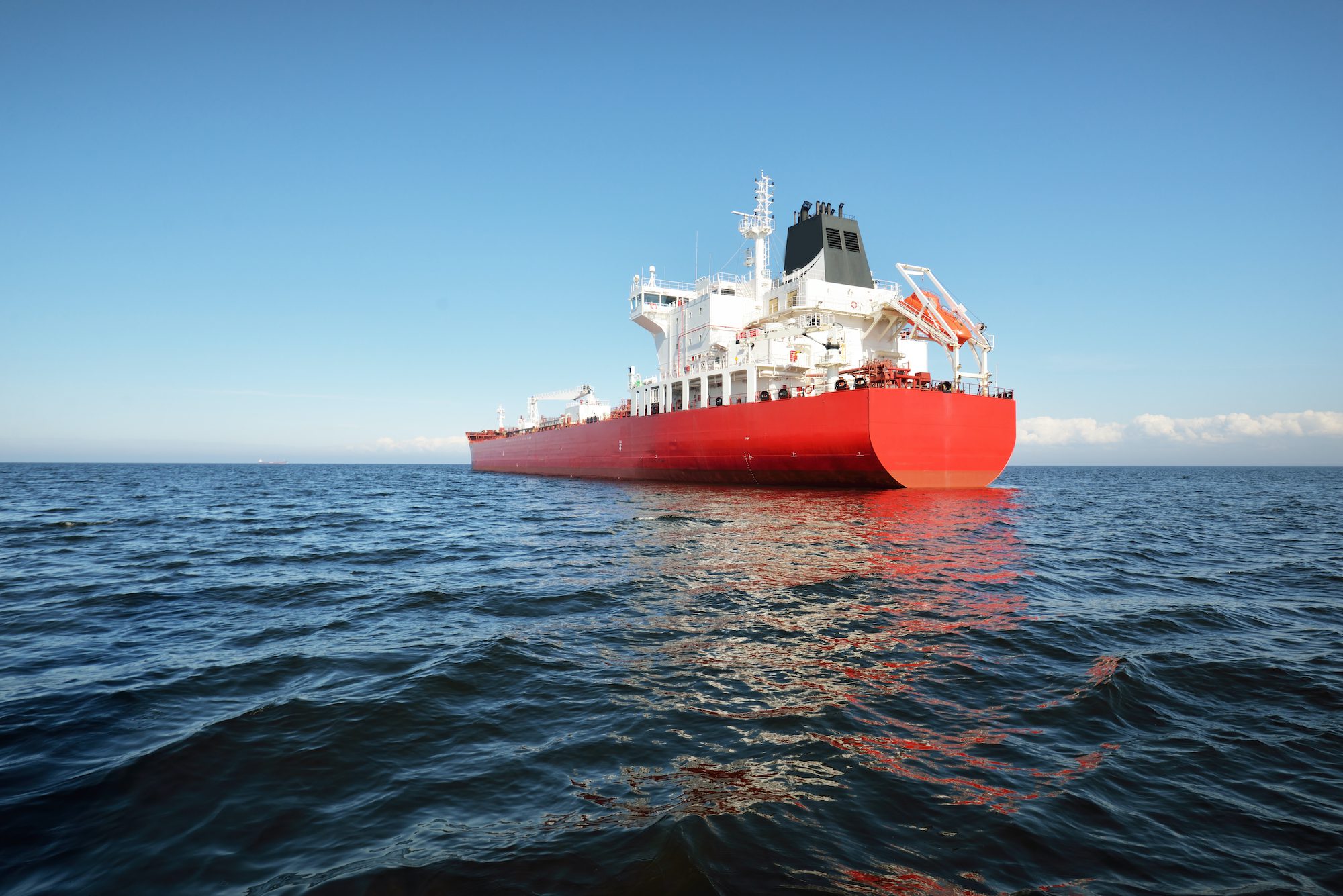
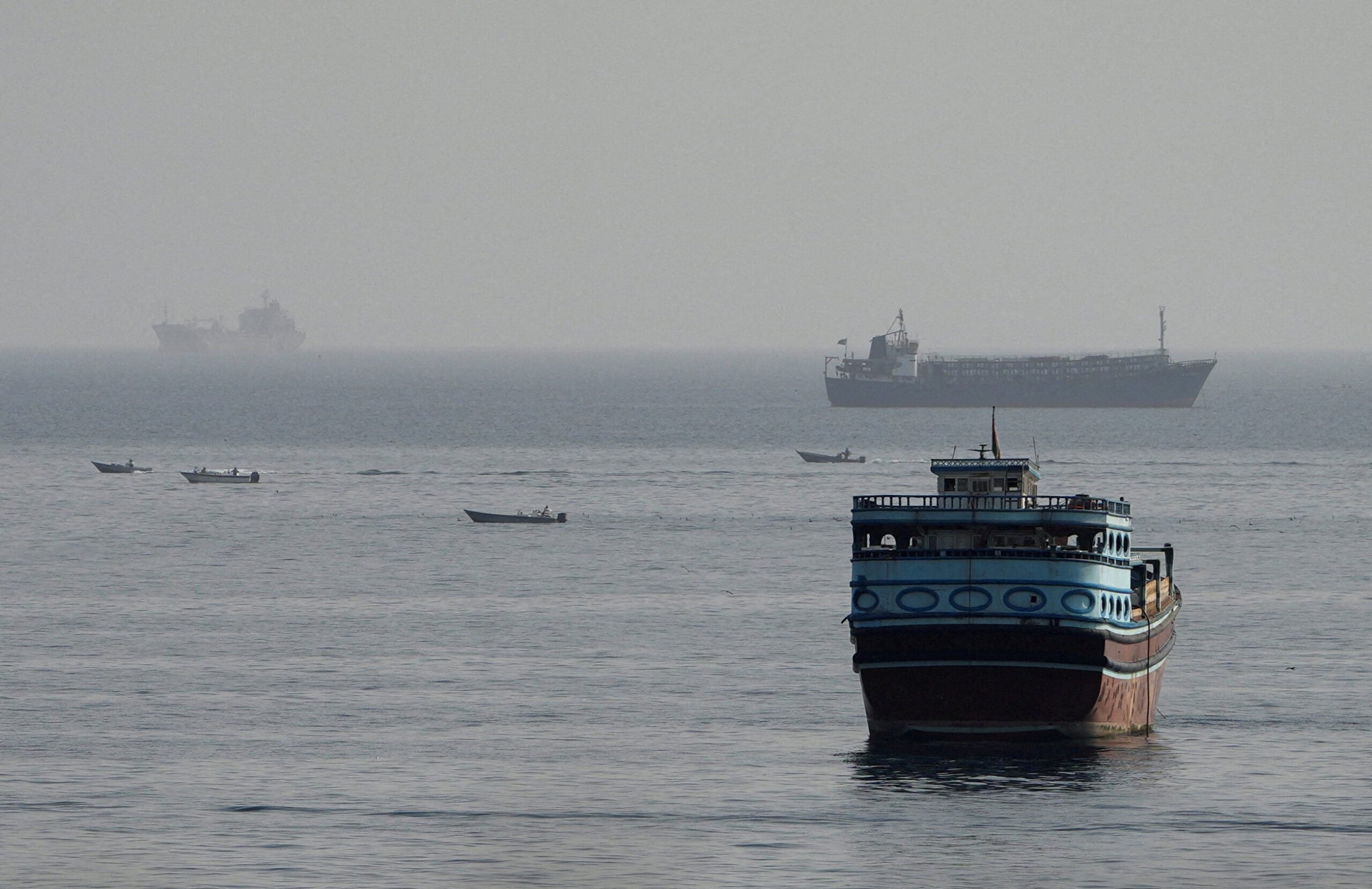
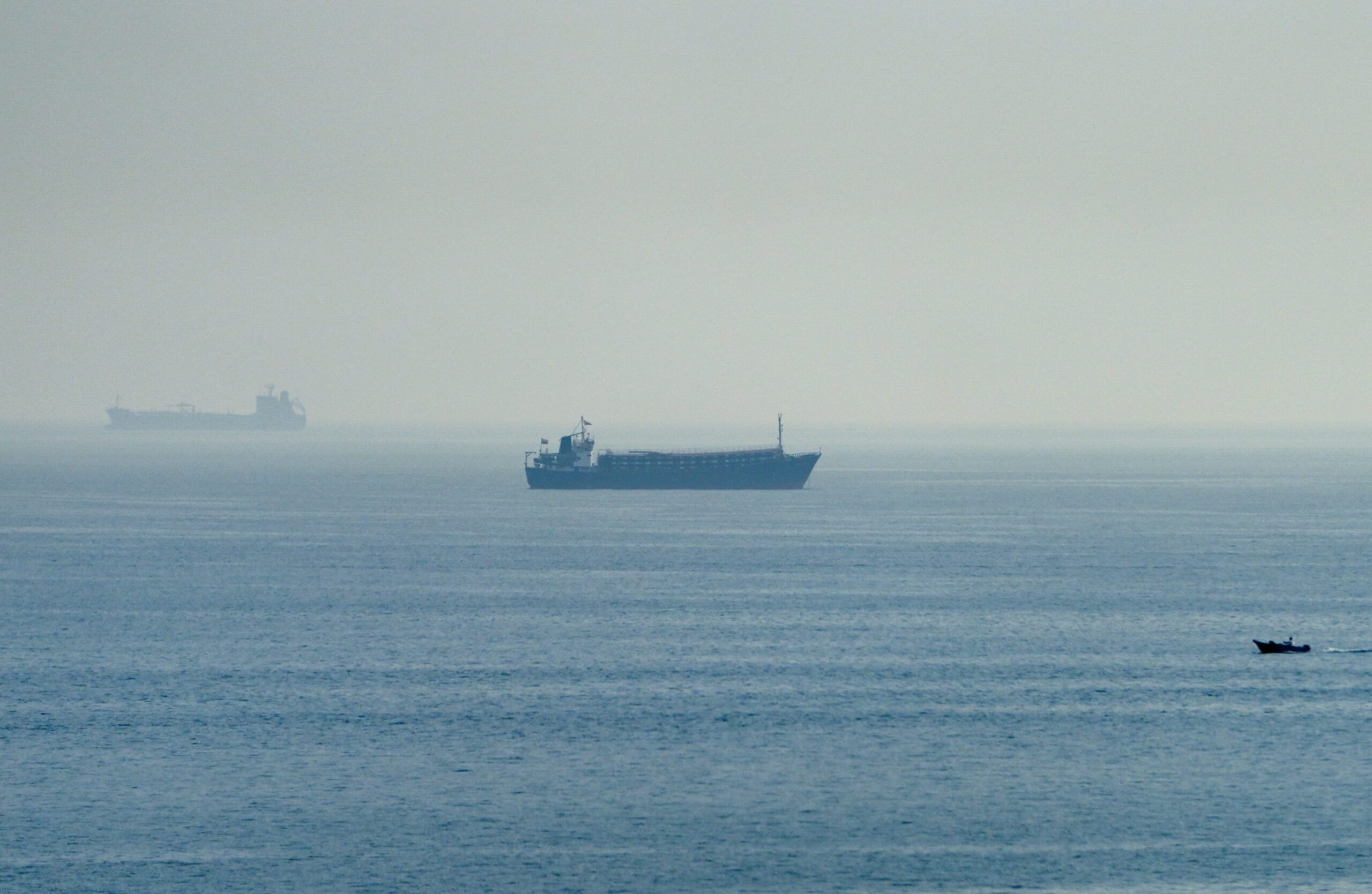
By Lori Ann LaRocco – Three vessels involved in the transport of sanctioned Iranian oil have been struck in the first 24 hours of Operation Epic Fury.
Oil tankers Skylight, MKD Vyom, and Hercules Star were all struck on Sunday. The UK Maritime Trade Operations Centre reported there was a crew fatality in the MKD Vyom incident.
President Trump announced its maximum pressure campaign with new sanctions on Iran in late January and subsequent measures in early February and identified 14 shadow vessels moving the sanctioned oil.
Kpler data shows Iran proactively moved twice the number of crude just days before the strikes.
“Iran really ramped up its exports a week before last,” said Smith. “13 vessels with around 26 million barrels of crude were exported. Iran normally sends out 5-6 vessels carrying 10-20 million barrels of crude a week.”
In 2025, analysts estimate Iran made $30 billion last year in sanctioned oil.
Kpler noted in 2025, 251 vessels were loaded with sanctioned Iranian oil — 217 of those vessels (86%) are sanctioned.
The remaining 34 vessels were active in the shadow fleet. The majority of these vessels (96%) transported the sanctioned crude through dark ship-to-ship transfers; 77% spoofed their vessel location; and 72% turned off their vessel location beacons for an extended period of time.
China and India are the predominant buyers of the cheap crude.
Now, with tanker transits both illicit and legal nonexistent through the Strait of Hormuz, Smith, warns India is a country to watch in terms of a crude crunch.
“India dialed back from Russian crude recently, while China has scooped most of it up, but compared to China, which has a buffer with inventories, India does not,” said Smith. “India imports about 5 million barrels a day and only have about 100m barrels in inventories. So, India only has around 20 days of crude cover. They are most at risk from a crude perspective.”
Another country that has a small reserve of crude is South Korea.
“South Korea has around a 30-day supply,” explained Smith. “They supply 90 percent of the U.S. West Coast jet fuel.”
“If the strikes go for weeks and tankers unable to load up that’s when it’s going to start causing issues,” said Smith.
Lloyd’s List tanker tracking shows only 7 tankers traversed the Strait of Hormuz since (18:00 UTC/1pm EST).
Depending on the duration of the strikes, Smith also warned about Europe feeling the energy pinch.
“Jet fuel imports from the Middle East are crucial for Europe, with significant volumes coming from the UAE,” said Smith.
President Donald Trump said Friday that Russia has agreed to release millions of tons of diesel fuel into U.S. and global markets following a telephone call with Russian President Vladimir...
A commercial vessel was struck by a projectile in the Persian Gulf on Friday, sparking a fire onboard in the second reported attack on shipping inside the Gulf in just...
(Bloomberg) — Saudi Arabia is in talks with customers to offer oil loadings next year outside the Strait of Hormuz in long-term contracts, formalizing a system the kingdom has been...
October 8, 2026
Total Views: 1034
Get The Industry’s Go-To News
Subscribe to gCaptain Daily and stay informed with the latest global maritime and offshore news
— just like 106,969 professionals
Secure Your Spot
on the gCaptain Crew
Stay informed with the latest maritime and offshore news, delivered daily straight to your inbox
— trusted by our 106,969 members
Your Gateway to the Maritime World!
Essential news coupled with the finest maritime content sourced from across the globe.

 Join The Club