In a recent Capital Link’s Trending News Webinar Series presentation, Safe Bulkers Inc. (NYSE: SB) President Dr. Loukas Barmparis outlined the company’s strategic approach to navigating the volatile dry bulk market while addressing mounting regulatory pressures and changing global trade flows.
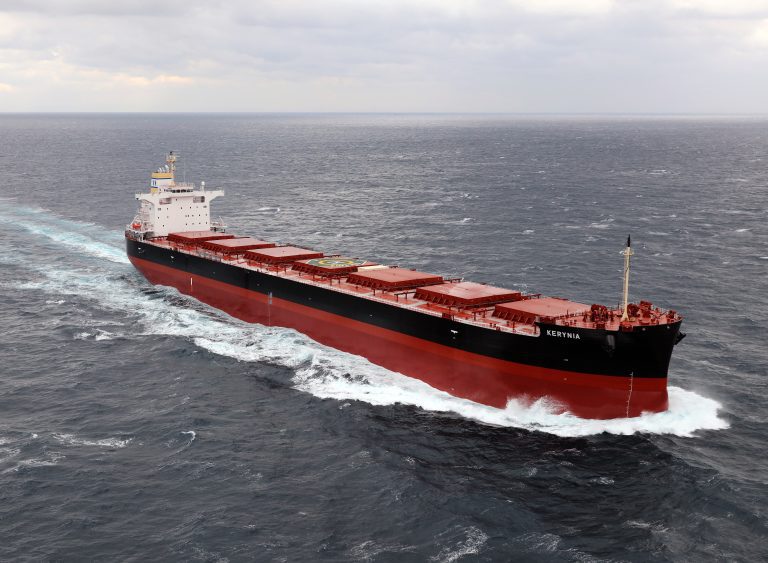
Safe Bulkers has invested over $650 million in a modern, fuel-efficient fleet designed to capitalize on emerging structural market improvements. The company currently operates 47 vessels with an average age of 10.3 years—well below the global fleet average of 12.6 years—with approximately 80% being Japanese-built for quality advantage.
“Cargo flows are shifting, voyage distances are increasing, and inefficiencies in older tonnage are being exposed,” Dr. Barmparis explained, highlighting how China’s energy transition and shift toward long-haul commodity sources are reshaping trade patterns in ways that increase voyage lengths and boost ton-mile demand.
The IMO’s upcoming Global Fuel Standard (GFS), expected to be finalized in October 2025, represents a significant regulatory challenge. Safe Bulkers is preparing by investing in two dual-fuel methanol vessels for delivery in 2026 and 2027, which will comply with future regulations while allowing participation in emissions pooling.
The company has already taken delivery of 12 Phase 3 ships that consume 30% less fuel than pre-2008 designs and command a premium of approximately $2,500 per day in the charter market. Additionally, 26 existing vessels have been retrofitted with environmentally friendly technologies like low-friction hull coatings, reducing fuel consumption by up to 2 tons daily.
Despite aggressive fleet renewal, Safe Bulkers maintains a conservative financial strategy with net leverage at 38%, total liquidity above $300 million, and $159 million in contracted revenues providing near-term earnings visibility. Since 2022, the company has returned over $150 million to shareholders through buybacks and dividends.
According to IMF projections cited during the webinar, global GDP is expected to expand by 3.0% in 2025 and 3.1% in 2026, with Safe Bulkers anticipating dry bulk trade growth of 1.0% in 2025 and 1.5% in 2026.
Tsakos Energy Navigation CEO Dr. Nikos Tsakos says geopolitical turmoil and the rapid expansion of shadow tanker trading have created a severe shortage of high-quality vessels, pushing charter rates to levels rarely seen in the industry. Speaking during a recent investor presentation, Tsakos said nearly a third of the global tanker fleet has been sidelined by sanctions, leaving oil majors scrambling for compliant tonnage and reshaping global energy trade routes.
Longer average sailing distances are expected to support dry bulk demand through 2026, helping offset rising fleet growth and keeping market conditions relatively stable before weakening in 2027, according to...
Cargill has taken delivery of its first green-methanol dual-fuel dry bulk vessel, a milestone in the agricultural giant’s push to cut emissions and test alternative fuels in day-to-day shipping. The Brave...
January 16, 2026
Total Views: 901
Get The Industry’s Go-To News
Subscribe to gCaptain Daily and stay informed with the latest global maritime and offshore news
— just like 107,230 professionals
Secure Your Spot
on the gCaptain Crew
Stay informed with the latest maritime and offshore news, delivered daily straight to your inbox
— trusted by our 107,230 members
Your Gateway to the Maritime World!
Essential news coupled with the finest maritime content sourced from across the globe.

 Join The Club