Updated: May 24, 2019 (Originally published September 7, 2015)
Three-dimensional printing of craft up to 15-meters (50 feet) long and formed from layers of metal and plastic powder would permit cheaper and quicker production, according to the report published Monday. Photo: Shutterstock/nikkytok
By Benjamin Katz
(Bloomberg) — Britain’s navy could be using a fleet of unmanned surface and underwater vessels and small 3D-printed ships within 15 years, according to a report from the former government defense-research laboratory, Qinetiq Group Plc.
Three-dimensional printing of craft up to 15-meters (50 feet) long and formed from layers of metal and plastic powder would permit cheaper and quicker production, according to the Global Marine Technology Trends 2030 report, published Monday. Navies could also use the process to print mission-critical equipment at sea, allowing them to spend less time in dock.
Other technologies could help integrate ships and their crew, with Wi-Fi-linked contact lenses projecting information to users and exoskeletons allowing engineers to shift objects such as missiles more easily. Similar gear is being developed for commercial shipping, according to the report, co-authored by the University of Southampton and Lloyd’s Register.
“What we really need to be doing is more experimentation, finding out what’s possible,” Iain Kennedy, Qinetiq’s head of maritime business development, said in an interview.
The Royal Navy is already evaluating unmanned sub-surface torpedo-shaped vessels for use in locating and destroying mines, Kennedy said. Qinetiq is also testing communications between unmanned surface ships, underwater vessels and aerial vehicles that could one day undertake autonomous missions after being released from a manned naval vessel he said.
Britain is collecting submissions ahead of a strategic defense and security review as the government seeks to shave 20 billion pounds from public spending over the next four years.
One key consideration is that new-build vessels such as the BAE Systems Plc Type 45 Destroyer and Type 26 frigate be more compatible with modular upgrades so that the latest “plug and play” equipment can be added more easily, Kennedy said.
Hanwha Defense USA and maritime autonomy startup HavocAI have formalized a strategic partnership to jointly develop and potentially mass-produce 200-foot autonomous surface vessels for the U.S. Navy, a move that...
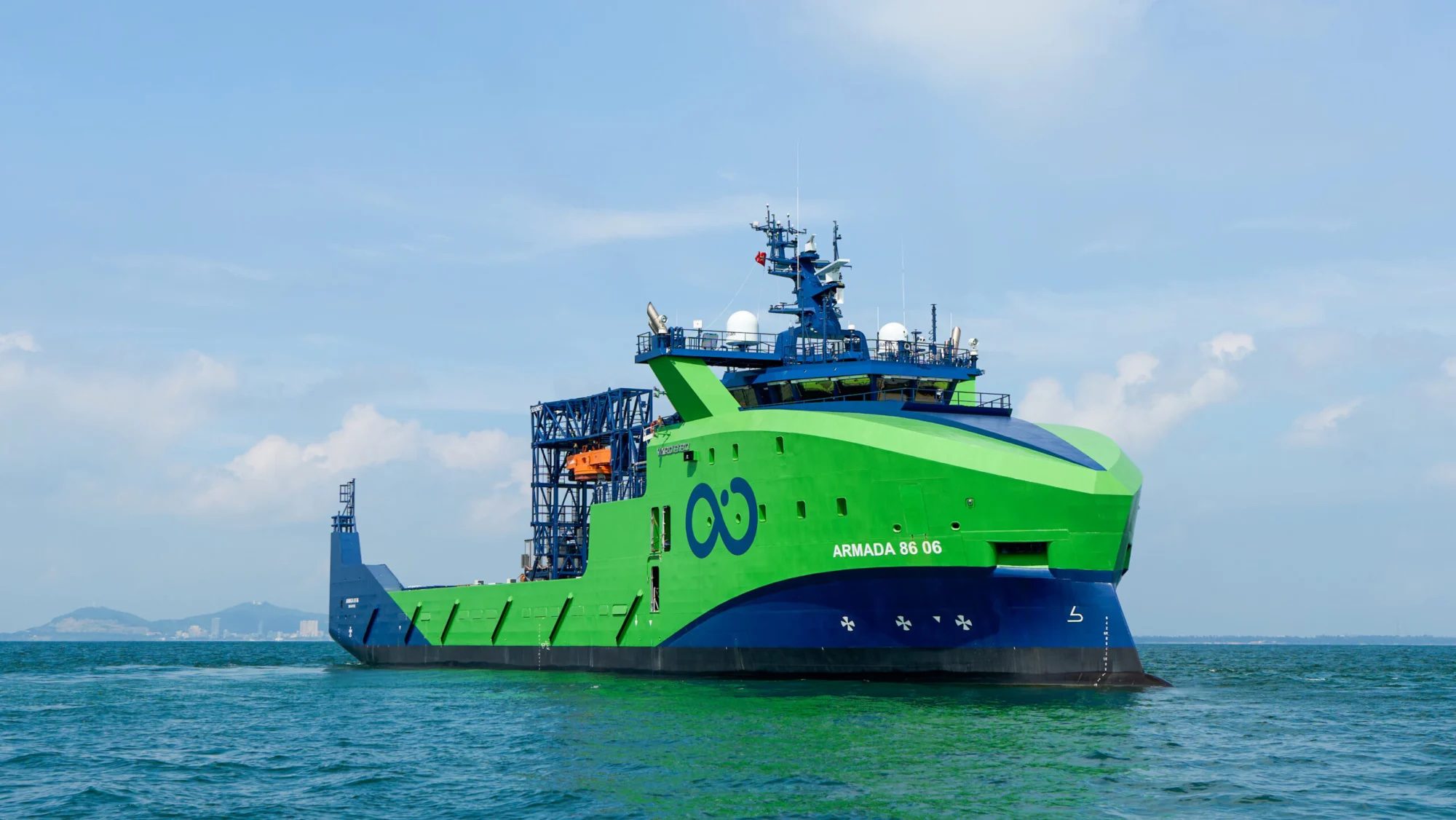
Ocean Infinity has delivered the final vessel in its groundbreaking 14-ship Armada fleet, marking the completion of an ambitious transformation project that began in 2020 to revolutionize offshore operations through...
Saronic Technologies and Vigor Marine Group announced today a strategic partnership aimed at accelerating the delivery of autonomous maritime capabilities while strengthening operational support for defense and commercial customers. The...
July 14, 2025
Total Views: 3133
Get The Industry’s Go-To News
Subscribe to gCaptain Daily and stay informed with the latest global maritime and offshore news
— just like 107,078 professionals
Secure Your Spot
on the gCaptain Crew
Stay informed with the latest maritime and offshore news, delivered daily straight to your inbox
— trusted by our 107,078 members
Your Gateway to the Maritime World!
Essential news coupled with the finest maritime content sourced from across the globe.

 Join The Club