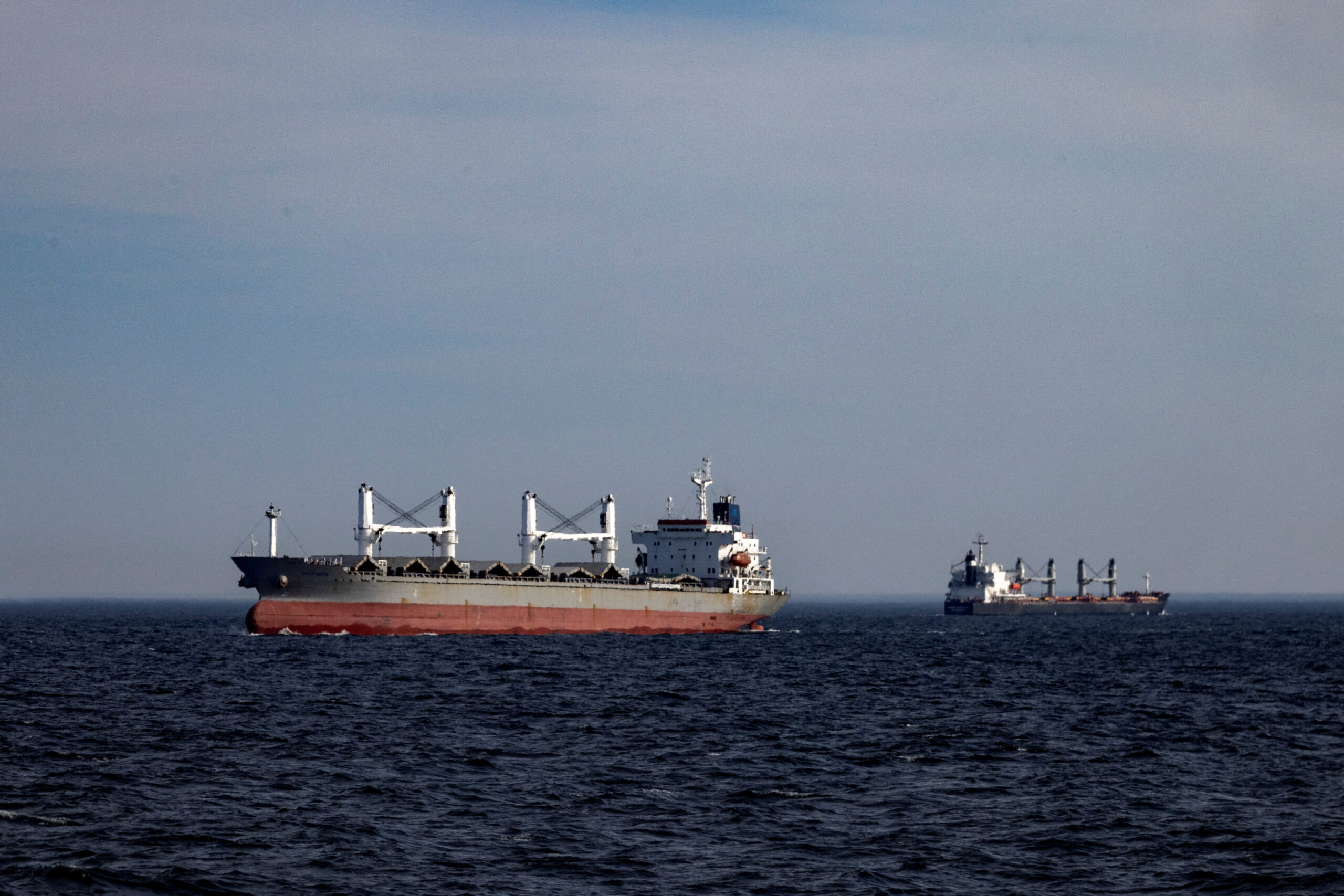
A new analysis from maritime consulting firm Navigistics Consulting argues the Trump administration’s emergency Jones Act waiver has failed to deliver its stated objectives, finding no evidence of military necessity or meaningful gasoline price relief while shifting domestic cargoes to foreign-flag vessels, including ships linked to China.
The “Jones Act 2026 Waiver After Action Report,” commissioned by the American Maritime Partnership (AMP), examined the first 60 days of the blanket Jones Act waiver using U.S. Maritime Administration (MARAD) data covering 659 cargo movements across 78 completed voyages.
The report concludes that none of the documented voyages met the statutory standard requiring an “immediate adverse effect on military operations” to justify a Jones Act waiver. According to the analysis, every shipment involved commercial fuels, blendstocks or crude oil rather than military-grade fuels such as JP-5, JP-8 or F-76.
Navigistics also contends that U.S.-flag vessels were available for roughly 87% of qualifying waiver voyages, arguing the administration bypassed domestic operators despite sufficient capacity.
The report further argues the waiver has opened domestic shipping to foreign competitors, noting that 23.1% of waiver vessels were built in China and 18.5% were controlled by Chinese interests, the largest share of any ownership group identified in the study.
Another key finding challenges one of the administration’s principal justifications for the waiver: lowering fuel prices. The report found no statistically credible evidence that the waiver reduced retail gasoline prices during an 11-week analysis period and noted that Jones Act shipping rates were comparable to—or, in some cases, lower than—foreign-flag rates on several domestic routes. It also notes that only about 6.5% of U.S. gasoline moves by vessel subject to the Jones Act.
The analysis also argues the waiver was not justified by domestic fuel shortages, pointing to approximately 731 million barrels of U.S. petroleum exports during the waiver period. According to the report, exports of crude oil, diesel and jet fuel all increased compared to prior years, suggesting refiners were responding to market conditions rather than a supply emergency.
In addition, the report contends that California’s fuel supply challenges stem primarily from refinery closures rather than Jones Act shipping constraints. It notes that four refinery closures have removed roughly one-quarter of the state’s refining capacity, contributing to higher imports into the West Coast fuel market.
“This analysis confirms what American mariners have been saying for months: this waiver is not delivering for consumers, it is not justified by military necessity, and it’s handing American cargo to foreign fleets at the expense of U.S. shipyards, U.S. carriers, and the American workforce we depend on for national security,” said Jennifer Carpenter, president of the American Maritime Partnership.
“Every day this waiver continues, we are trading away decades of investment in our domestic maritime industrial base for a policy that the data shows isn’t achieving its stated purpose. It’s time to end the waiver and recommit to the America First policy that puts U.S. mariners and U.S. vessels first.”
The report also warns that the extended blanket waiver is affecting the domestic shipping market beyond the individual waiver voyages. According to Navigistics, charterers have begun using the availability of the waiver as leverage during freight rate negotiations with Jones Act operators, while the firm argues MARAD is not consistently verifying vessel availability before approving waiver requests.
The Trump administration first invoked emergency waiver authority under Section 501 of the Merchant Marine Act in March, citing national defense concerns stemming from disruptions caused by the Strait of Hormuz crisis. The waiver has since been extended through Aug. 17.
With that deadline approaching, AMP and other Jones Act supporters are urging the administration to allow the waiver to expire, arguing that the emergency conditions cited when it was implemented no longer justify continued exemptions for foreign-flag vessels.
The Navigistics report analyzed MARAD’s June 1 dataset covering 78 completed voyages. Since then, the number of domestic shipments conducted under the emergency waiver has grown considerably. MARAD data reviewed by gCaptain now shows 137 completed domestic voyages have been conducted under the emergency waiver since it took effect in March, illustrating the continued use of waivers even as conditions that prompted the waiver have evolved.

 Join The Club